Why Preventive Plumbing Maintenance Always Pays Off?
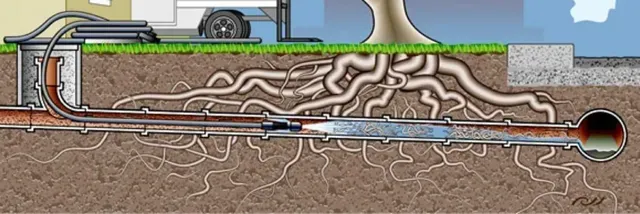
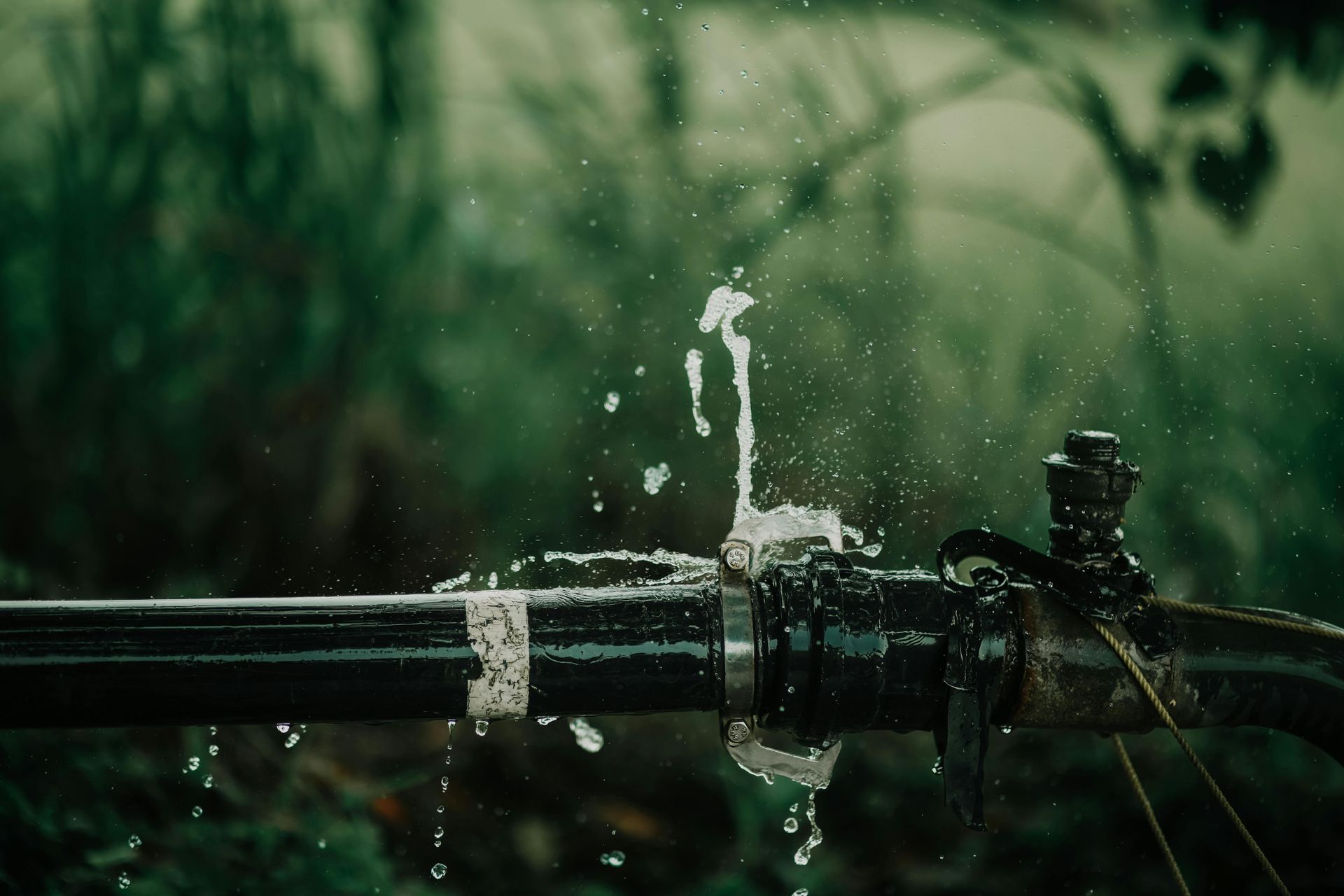
Plumbing systems operate silently in the background, ferrying water and waste with quiet efficiency until neglect allows small issues to snowball into catastrophes. A dripping faucet might seem trivial, but over a year, it wastes up to 3,000 gallons of water and strains pipes toward cracks or bursts. Without routine checks, corrosion builds in galvanized lines, mineral deposits clog aerators, and tree roots infiltrate sewer lines, leading to backups that flood basements and damage foundations. These emergencies rack up bills averaging $300 for simple clogs to over $5,000 for sewer line replacements. Homeowners often face not just repair costs but secondary expenses like mold remediation, structural fixes, and temporary relocation. Preventive maintenance flips this script by catching problems early, saving money and preserving property value in the long run.
Financial Savings Through Proactive Care
Investing in preventive plumbing maintenance yields returns that far outpace reactive fixes, creating a cycle of cost efficiency. Annual inspections, costing around $100 to $200, detect leaks invisible to the untrained eye, preventing water damage that insurance might not fully cover due to neglect clauses. Replacing worn washers or seals during routine visits avoids burst pipe scenarios, where emergency calls hit $1,500 or more after hours. Energy-efficient upgrades, like low-flow fixtures identified in maintenance audits, slash utility bills by 20-30% over time. Data from plumbing industry reports shows maintained systems last 50% longer, deferring major capital expenses such as full repiping, which can exceed $10,000. These savings compound, turning modest upkeep into substantial financial security for homeowners.
Extending the Lifespan of Your Plumbing Infrastructure
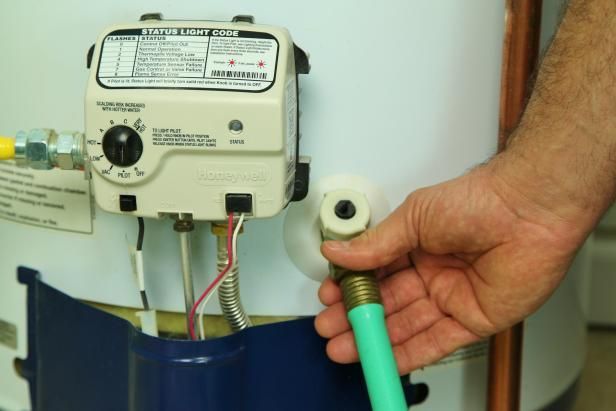
Preventive strategies directly prolong the durability of pipes, fixtures, and appliances, ensuring decades of reliable service. Copper lines, prone to pinhole leaks from acidic water, benefit from annual flushing and anode rod checks in water heaters to neutralize corrosives. Sewer scopes, performed every few years, reveal early root intrusions or bellied pipes before they collapse. Fixtures like faucets and valves receive lubrication and part replacements, staving off seizing that leads to forceful failures. Water softeners, calibrated during maintenance, prevent scale buildup in boilers and dishwashers, extending their operational life by years. Homeowners who adhere to schedules report systems functioning flawlessly past the typical 20-30 year mark, avoiding the disruption of wholesale overhauls.
Health and Safety Benefits of Regular Upkeep
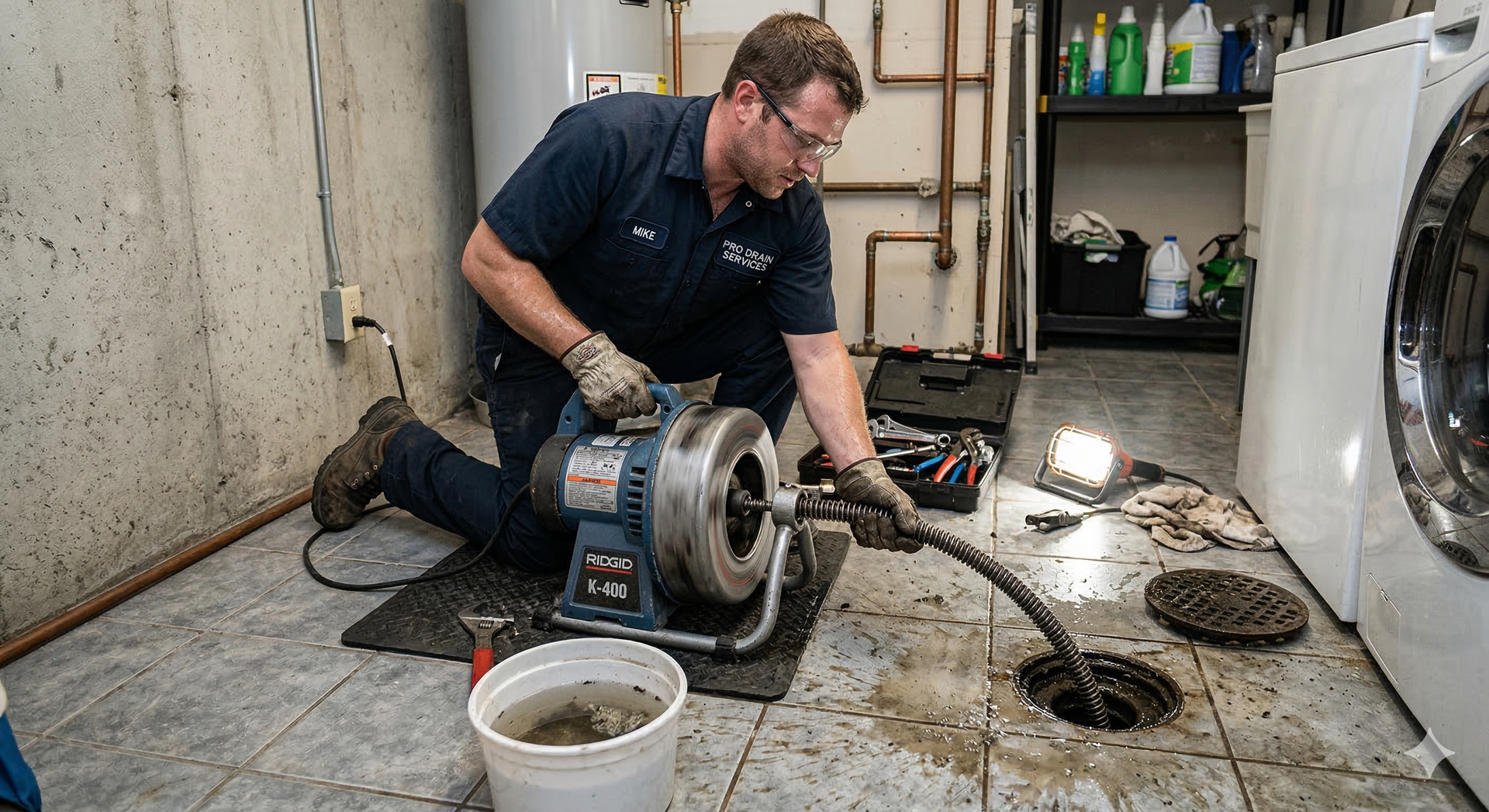
Beyond finances, preventive maintenance safeguards family health by averting contamination and hazards lurking in aging plumbing. Stagnant water in unchecked traps breeds bacteria, releasing sewer gases that irritate lungs and spread illness. Routine drain cleaning eliminates biofilm harboring pathogens like E. coli, maintaining hygienic flow. Properly maintained pressure regulators prevent explosive bursts that injure occupants or flood electrical systems, sparking fires. Lead-lined older pipes, flagged in inspections, get isolated or replaced to protect against heavy metal exposure in drinking water. These measures foster a safer environment, reducing liability and ensuring compliance with building codes that mandate upkeep for occupancy.
How to Identify High Risk Plumbing Zones in Your Home
Pinpointing vulnerabilities sharpens preventive efforts, focusing resources where failures loom largest. Basements often hide sump pumps and ejector systems susceptible to sediment overload, checked by testing float switches and clearing pits. Kitchens harbor garbage disposals prone to jams from fibrous waste, alongside under-sink leaks from corroded P-traps. Bathrooms reveal high-risk zones in shower pans with cracked grout allowing mold, or toilets with silent flange leaks pooling beneath floors. Outdoor spigots and main shutoffs demand winterization to thwart freezes, while attics house expansion tanks that burst if unchecked. Walkthroughs with moisture meters and cameras uncover these spots, guiding targeted maintenance for maximum impact.
Essential Maintenance Tasks for Every Season
Seasonal routines tailor prevention to environmental stresses, keeping systems primed year-round. Spring involves thawing checks on exterior faucets, installing backflow preventers, and hydro-jetting drains to clear winter debris. Summer focuses on cooling strain, testing water heaters for sediment and irrigation lines for leaks amid high usage. Fall prepares for freezes with pipe insulation, bleed valves, and garage door seals to maintain ambient warmth. Winter mandates indoor inspections for humidifier drips and heater pilots, plus monitoring for low-flow indicators signaling clogs. All City Plumbers excels in these comprehensive services, offering customized plans that adapt to your home's unique demands. Consistency across seasons builds unassailable resilience.
Specialized Repairs and When to Call Pros
Certain issues demand expertise beyond DIY, where preventive maintenance uncovers needs like garbage disposal repair and replacement. Blades dulling from overuse or motor failures from overheating signal time for professional assessment, often resolved with rebuild kits or efficient new units featuring auto-reverse. Pros diagnose electrical faults or mounting leaks that amateurs miss, ensuring safe, code-compliant fixes. Slab leaks under foundations, detected via acoustic tools during routine scans, require precise rerouting to avoid demolition. Engaging certified technicians prevents botched attempts that worsen damage, preserving warranties and insurance validity. Their intervention during preventive phases nips problems in the bud.
Conclusion
In conclusion, preventive plumbing maintenance stands as a critical long-term investment that consistently outperforms reactive repair strategies in both cost efficiency and system reliability. Routine inspections, early leak detection, and timely component replacements help mitigate the risk of sudden failures that often lead to expensive emergency interventions and property damage. By systematically identifying high-risk plumbing zones—such as aging pipes, high-pressure areas, and frequently used fixtures—and aligning maintenance tasks with seasonal demands, homeowners can preserve the structural integrity of their plumbing systems while also safeguarding water quality and indoor health conditions. This proactive approach not only extends the operational lifespan of infrastructure but also ensures optimal performance under varying usage and environmental conditions.
Equally important is the value of professional expertise in addressing specialized or technical requirements. Partnering with experienced service providers, such as All City Plumbers, allows homeowners to handle complex tasks like garbage disposal repair and replacement with precision and compliance to industry standards. Beyond immediate fixes, these experts can offer strategic insights, recommend system upgrades, and help implement preventive measures tailored to the home’s unique configuration. By committing to a preventive maintenance framework today, homeowners position themselves to avoid disruptions, reduce lifecycle costs, and maintain a dependable, efficient plumbing system that continues to perform reliably for years—if not generations—to come.