How to Build a Long-Term Plumbing Care Strategy for Your Home?
A robust long-term plumbing care strategy starts with understanding your home's unique system, blending assessment, scheduling, and adaptation to ensure enduring performance. Begin by mapping your infrastructure—note pipe materials like PEX for flexibility or cast iron for durability, fixture ages, and water source details such as city supply or private well. This blueprint reveals baseline conditions, guiding prioritized interventions over decades. Factor in household size, usage patterns, and local water quality, which influences scaling or corrosion rates. Annual professional audits establish benchmarks, tracking wear through pressure tests and camera inspections. Such foundational work prevents surprises, positioning your plumbing for a lifespan exceeding 50 years with minimal disruptions.
Creating a Customized Maintenance Schedule
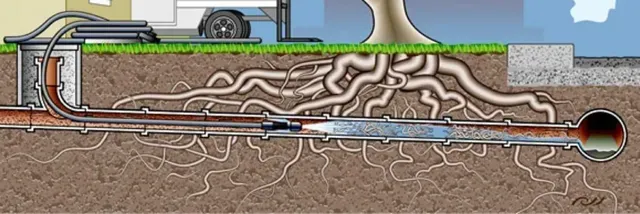
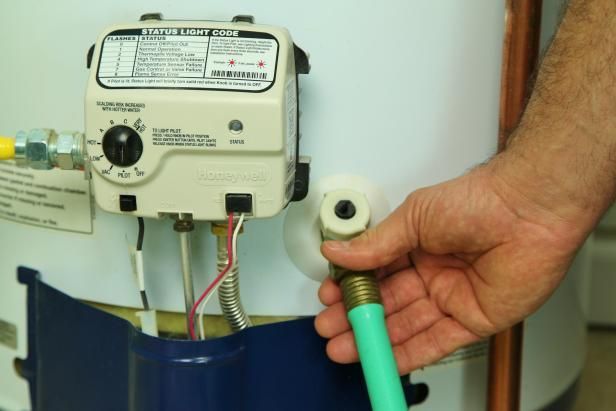
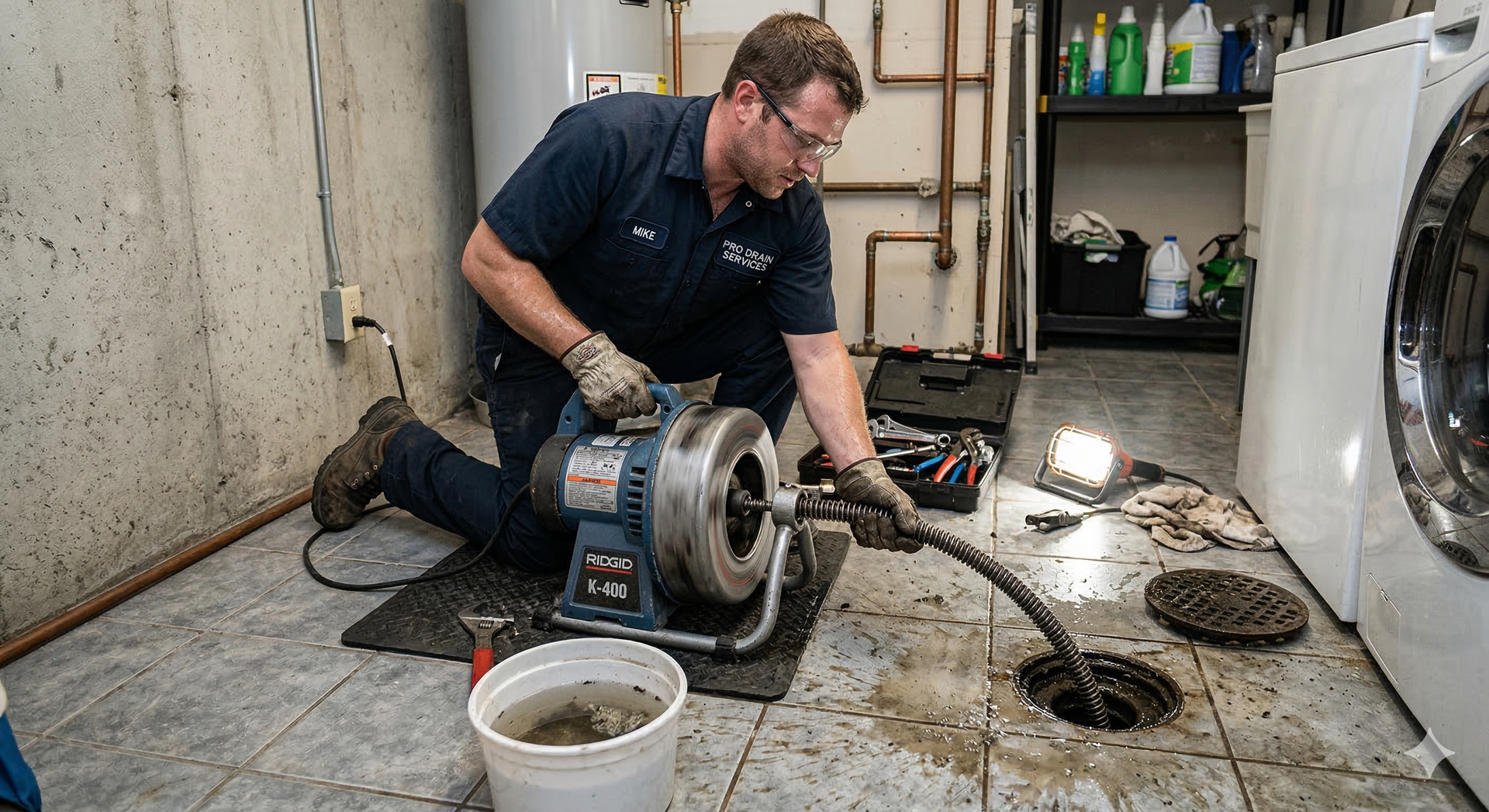
Tailor your schedule to seasonal and cyclical demands, turning ad hoc fixes into predictable routines that preserve efficiency. Quarterly checks in spring, summer, fall, and winter cover distinct needs: spring for thawing inspections, summer for usage spikes, fall for freeze prep, and winter for indoor strains. Bi-annual deep dives include water heater flushes to remove sediment, reducing energy loss by up to 20% and extending life. Every three to five years, invest in sewer line scoping and hydro-jetting to clear roots and buildup before blockages form. Digital calendars or apps with reminders ensure compliance, logging outcomes for trend analysis. Adapt as family grows or appliances change, keeping the plan dynamic and effective.
Essential Tools and DIY Tasks for Homeowners
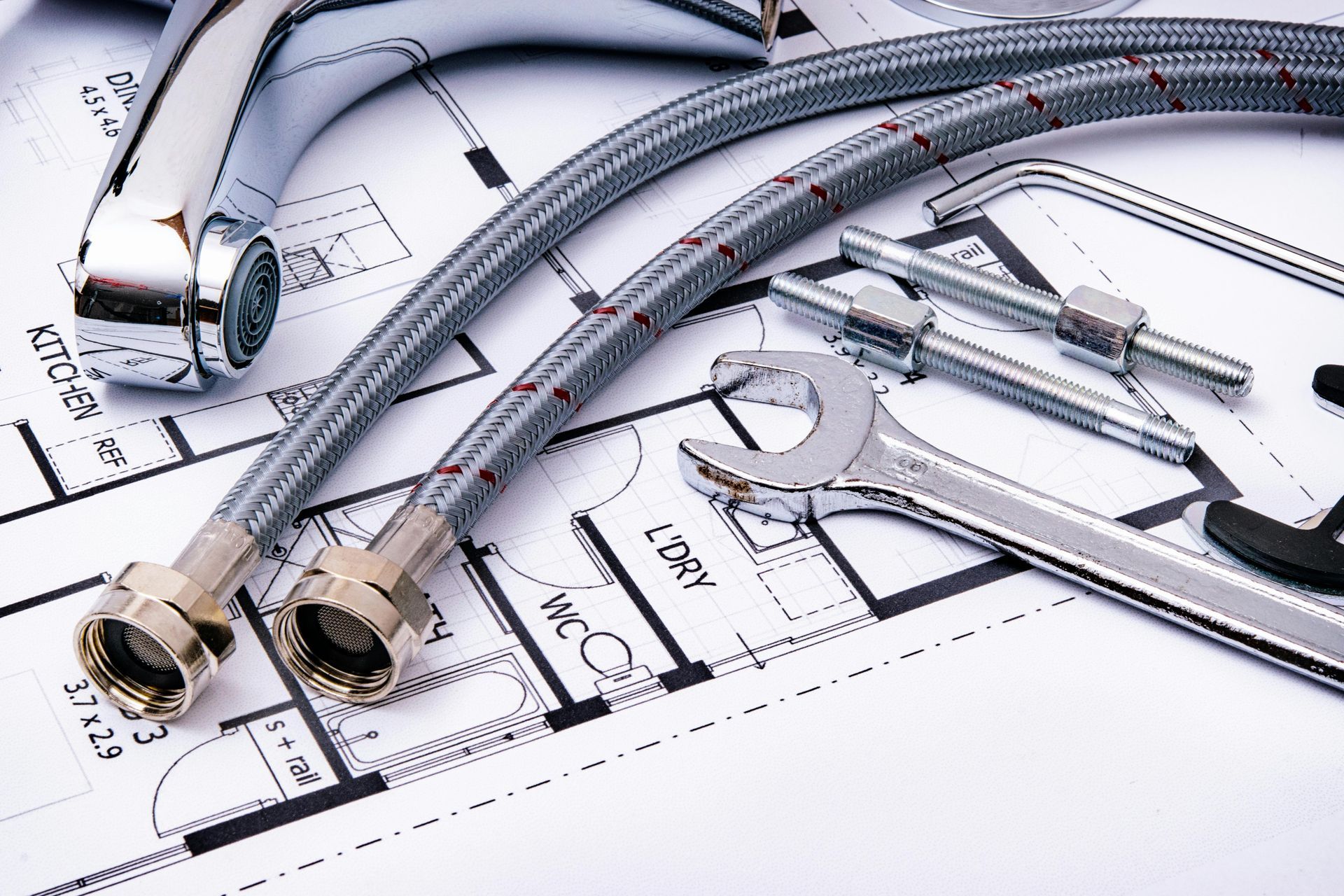
Empower yourself with basic tools and tasks that complement professional oversight, fostering hands-on involvement in your strategy. Assemble a kit featuring a pipe wrench, plunger, drain snake, moisture meter, and leak detector dye—essentials under $100 that handle 80% of minor issues. Monthly DIY routines include testing pressure relief valves on water heaters, cleaning aerators to restore flow, and inspecting visible pipes for discoloration signaling corrosion. Winterize hose bibs by draining lines and using insulating covers, preventing $1,000-plus burst damages. Track water meter readings overnight to detect hidden leaks, shutting off supplies for accuracy. These practices build confidence while reserving complex work for experts.
Integrating Advanced Components Like Expansion Tanks
Modern strategies incorporate specialized elements to manage pressure and thermal dynamics, with expansion tanks playing a pivotal role in system stability. These bladder-equipped devices absorb excess volume from heated water, preventing over-pressurization that cracks solder joints or bursts fixtures. Install them on closed-loop systems during heater upgrades, sized to your tank capacity—typically 2-5 gallons for residential use. Annual air charge checks maintain 60 psi, averting premature failures. Paired with pressure-reducing valves set to 50-80 psi, they slash leak risks by 30%. All City Plumbers specializes in seamless integration, ensuring code compliance and optimal performance. This forward-thinking addition fortifies your strategy against common culprits of long-term wear.
Partnering with Professionals for Comprehensive Coverage
No strategy thrives without expert collaboration, bridging DIY limits with specialized diagnostics and repairs. Select certified plumbers for annual tune-ups, leveraging their thermal imaging for hidden leaks and ultrasonic testing for pipe thickness. They handle tasks like anode rod replacements in water heaters every two years, neutralizing corrosive electrolysis. Budget 1-2% of home value annually for this partnership, yielding returns through prevented catastrophes. Maintain records of services for warranty claims and resale value boosts—well-documented systems appraise 5-10% higher. Pros also advise on upgrades like tankless heaters for efficiency gains. This alliance ensures your plan evolves with industry best practices.
Community and Emergency Preparedness Measures
Extend your strategy outward by preparing for shared infrastructure challenges, including knowing when to shut off water for the entire block during widespread issues. Familiarize with main shutoff locations—often at meters or curb boxes—and practice access for neighbors in crises like line breaks from construction or freezes. Coordinate with local utilities for alerts on pressure anomalies or boil notices. Stock emergency kits with shutoff wrenches, temporary caps, and bypass hoses for isolated fixes. Participate in community workshops on collective maintenance, reducing strain on municipal lines. These measures enhance resilience, protecting your home within the broader network.
Monitoring, Adapting, and Measuring Success
Sustained success hinges on vigilant monitoring and flexible adjustments, using data to refine your approach over time. Install smart sensors for real-time leak detection, app-linked to alert spikes in usage or humidity. Annual reviews compare metrics like water bills, repair frequency, and system efficiency against baselines, tweaking as needed—for instance, adding softeners if hardness tests rise. Celebrate milestones like five leak-free years with upgrades, maintaining motivation. Share anonymized logs with your plumber for predictive insights, preempting age-related declines. This iterative process ensures your strategy remains cutting-edge, adapting to technological advances and household changes.
Conclusion
In conclusion, building a long-term plumbing care strategy transforms routine maintenance from a reactive chore into a deliberate, value-driven investment that strengthens the overall resilience of your home. Instead of responding to issues as they arise, a structured plan helps you anticipate wear, manage system pressure, and extend the lifespan of critical components. This approach safeguards not only your property’s value but also daily comfort and safety, ensuring that water systems operate efficiently and reliably across changing conditions and over extended periods.
By customizing maintenance schedules to match your home’s specific plumbing demands, incorporating protective technologies like expansion tanks, and partnering with experienced professionals such as All City Plumbers, homeowners can significantly reduce the likelihood of unexpected failures. Preparing for larger-scale emergencies—such as understanding when and how to shut off water at the main or even at the block level—further strengthens system-wide readiness. When these elements are implemented together, they form a comprehensive and resilient framework that minimizes risk, enhances control, and delivers long-term peace of mind through consistently dependable plumbing performance.