5 Reasons Your Toilet Smells Like Sewage When Flushing It
If you’ve been noticing an unpleasant sewer smell when flushing your toilet, it’s a sign that your plumbing fixtures are due for checkup and repair. The odor emanating from your toilet can be hazardous to your health while putting your bathroom at risk for troublesome issues, like flooding, so you’ll want to identify the cause and have a licensed plumber fix it right away.
A sewer smell can indicate a broken seal at the base of your toilet, a rarely used toilet, a faulty P-trap, or even a blockage in the drainpipe. To remove the smell, you’ll have to address these issues, though you’ll first want a licensed plumber to inspect the problem to nip it in the bud for the long term. Here are five reasons your toilet smells like sewage when you flush it:
1. It Has a Broken Wax Ring
Your toilet’s wax ring is between your toilet seat and the floor, connecting it to the drainpipe. It provides a seal that prevents your toilet from leaking water and sewer gases to the rest of your bathroom. However, over time, this can erode and get worn out, allowing water and gases to seep through and escape. You can tell your wax ring has broken when you sit on your toilet, and it rocks or jostles a bit, and you may also see water droplets or puddles surrounding your toilet.
2. It Isn’t Used Frequently Enough
Infrequently using your toilet may not be the first reason that comes to mind when determining the cause of the foul sewage smell, but it is one of the leading causes. When you don’t use your toilet often enough, the water in the P-trap evaporates since it isn’t replenished. This water functions as the seal against sewer gases from the drainpipe, so when the water level goes down, it removes the seal, allowing sewer gases to escape into the toilet bowl.
3. It’s Clogged
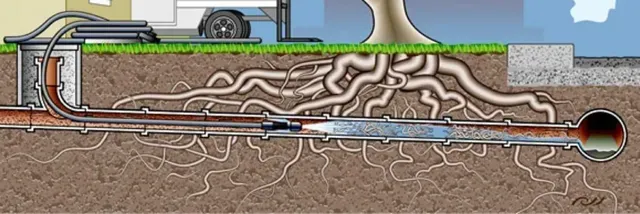
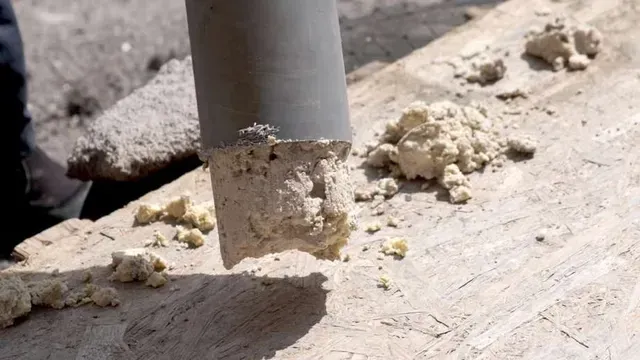
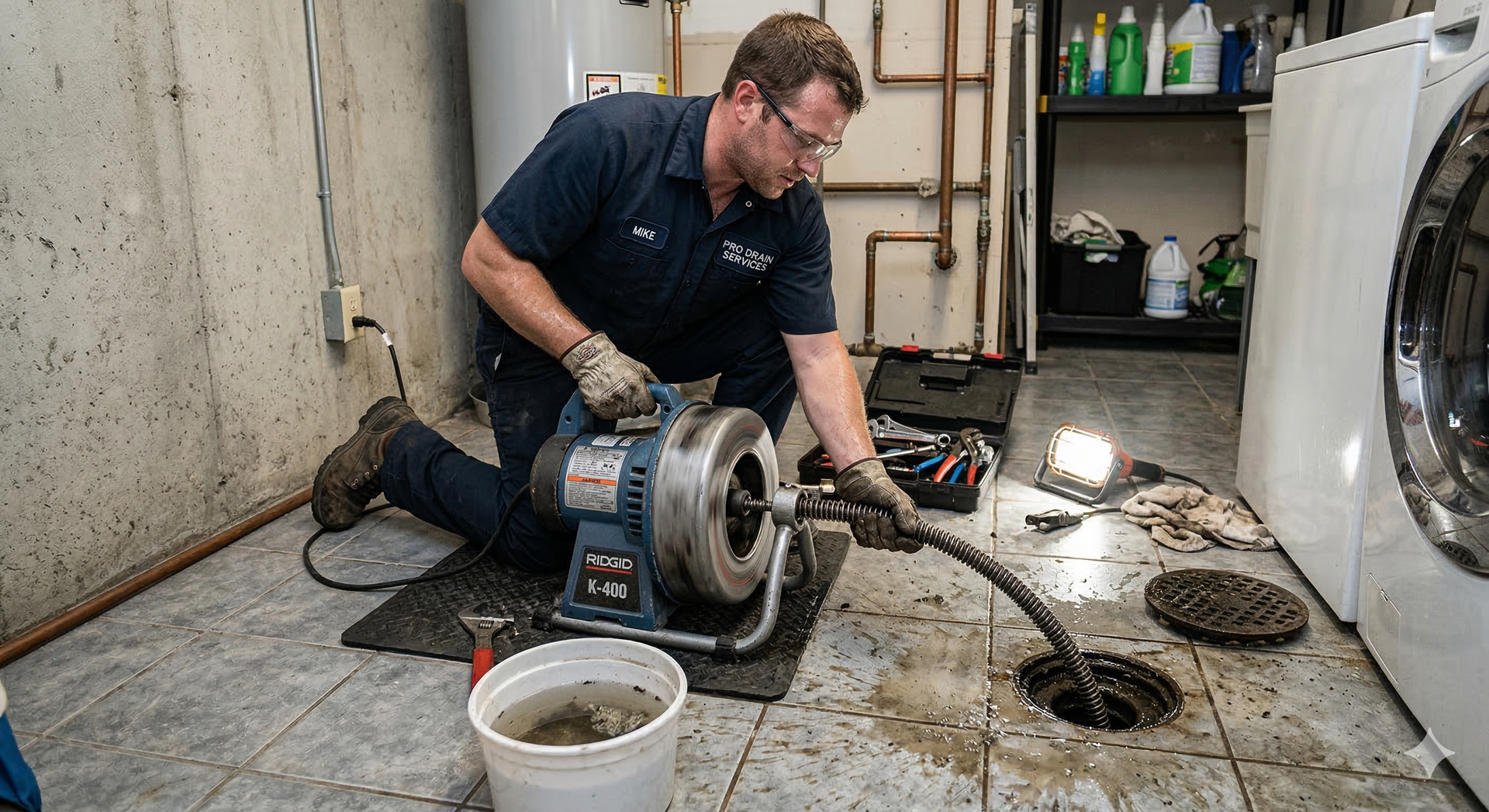
Flushing certain items down your toilet, like diapers and sanitary pads, can cause your toilet to clog. That leads the way for waste products to accumulate, encouraging unpleasant odors to waft back into your home. Poor plumbing can also lead to a blockage in your toilet, especially when your drainpipes don’t have enough slope to direct waste flow to the sewer. If the waste is close to your toilet, the foul smell will make its way into your home when flushing your toilet. Fortunately, sewage & drain cleaning services can help resolve this issue.
4. It Has a Small Drainpipe
A small, narrow drainpipe means waste will have difficulty entering the sewer line. That also means it’s easier for the toilet to clog up with gases and wastes since they can’t flow into the sewer line, making the toilet flush slowly. That also pulls the foul odors back into the toilet, releasing them into your home.
5. It Has a Cracked Bowl
Fortunately, a cracked bowl is a rare issue, but it can also lead to sewer gases flowing out of your toilet when you flush it. Your toilet seat is susceptible to cracking when met with heavy external force, dropped, or when carrying excessive weight. When it starts cracking, it becomes dangerous to use, as it can also result in toilet leaks. Eventually, when left unchecked, it can result in major flooding, which is why it is crucial to call for toilet repairs the moment you see cracks.
Conclusion
Your toilet is one of the most vital parts of your home, so when something goes wrong, you’ll want to address it right away. By being aware of these reasons and contacting a licensed plumber to address these issues, you’ll have an odor-free toilet that functions perfectly.
All City Plumbers is a residential and commercial plumbing company with 24-hour plumbers that can help repair your system right away. We’ll go straight to your home, diagnose the problem, and immediately carry out our plumbing services to restore your bathroom and plumbing fixtures to perfection. Call us today at (205) 564-6040 for a consultation and a free estimate!