Sewer Line Repair Options: Trenchless vs. Full Replacement
A functioning sewer line is one of the most critical but overlooked components of a property’s infrastructure. When problems arise, owners must decide between trenchless repair methods and full sewer line replacement. This guide explains the repair processes, how to isolate leaks, patching techniques, and long-term maintenance strategies to maximize the lifespan of your system and minimize disruption to your property. Throughout, practical considerations, anticipated costs, and signs that more extensive work is needed are discussed to help homeowners and facility managers make informed choices.
Understanding Sewer Line Problems and Diagnosis
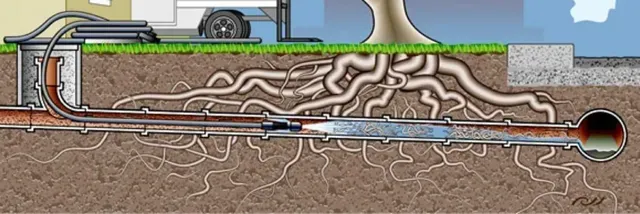
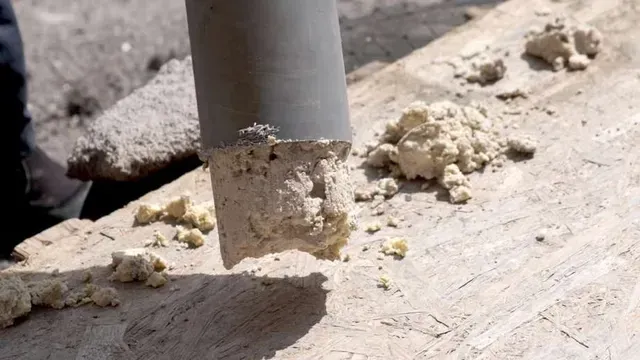
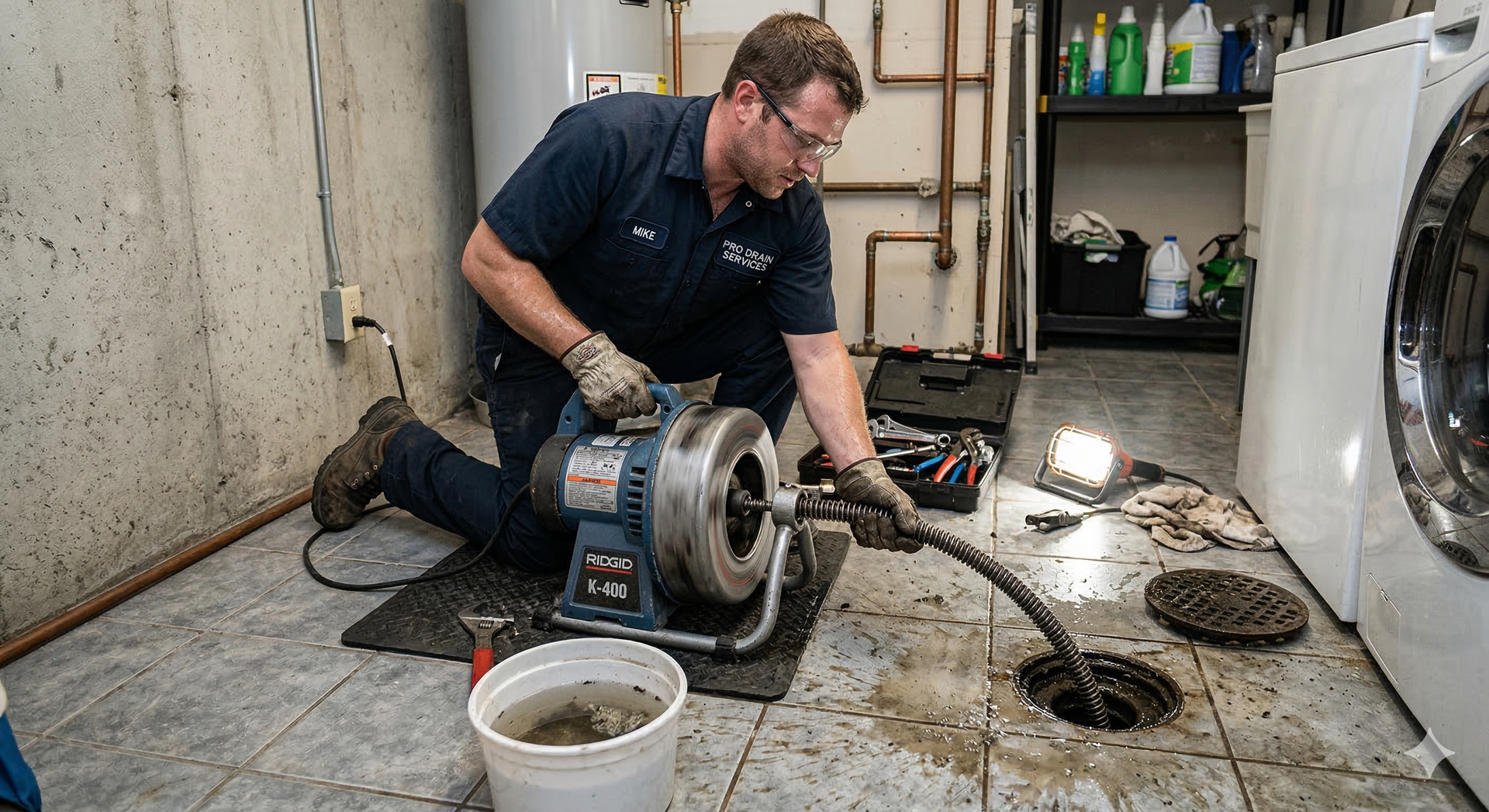
Sewer line issues often present through indirect symptoms: slow drains, frequent backups, unpleasant odors, or soggy areas in the yard. Diagnosing the root cause reliably requires a camera inspection, which provides a visual record of the pipe condition, locating cracks, root ingress, offset joints, or complete collapse. Plumbing professionals and specialty services such as All City Plumbers commonly use push cameras or motorized crawlers to inspect both small-diameter laterals and larger main lines. Video inspection allows technicians to map the pipe layout, estimate the age and material of the pipe, and identify the precise extent of damage, which is crucial for recommending trenchless repairs versus sewer line replacement.
Trenchless Repair Methods: An Overview
Trenchless methods have grown popular because they reduce excavation, cut restoration costs, and shorten project timelines. There are two primary trenchless approaches: pipe bursting and cured-in-place pipe (CIPP) lining. Pipe bursting replaces the existing pipe by fracturing it outward while pulling a new pipe into place. This method is effective when the existing conduit is brittle and there is sufficient access at the endpoints for equipment. It’s particularly suitable for seamless transitions to modern materials such as high-density polyethylene (HDPE).
CIPP lining involves inserting a resin-saturated liner into the damaged pipe and curing it in place, creating a seamless, corrosion-resistant new pipe within the old one. This approach is ideal when the pipe is structurally sound enough to serve as a host but suffers from cracks, joint failures, or root intrusion. CIPP preserves original pipe alignment and grade, making it a good choice for areas where maintaining slope is critical. Both methods minimize surface disruption compared to open-cut replacement, but the suitability depends on pipe material, diameter, depth, and the severity of structural failure.
When Full Sewer Line Replacement Is Required
Despite the advantages of trenchless technology, there are situations where sewer line replacement by open trenching remains the best option. Complete collapse, extensive offset joints, severe corrosion with loss of pipe strength, or extremely poor alignment may necessitate excavating and replacing a section or the entire line. Sewer line replacement is often chosen when long runs of pipe need modernizing, or when older materials such as clay, cast iron, or orangeburg are present and have reached the end of their service life.
Replacing a sewer line typically involves careful planning to locate utilities, obtain permits, and coordinate restoration of landscaping, driveways, or sidewalks. Contractors will dig to expose the damaged segment, remove the old pipe, bed and install the new conduit, then backfill and restore the surface. While this approach is more disruptive and can be more expensive upfront, it provides a definitive long-term solution when structural integrity is compromised beyond what trenchless repairs can reliably address.
Leak Isolation and Temporary Measures
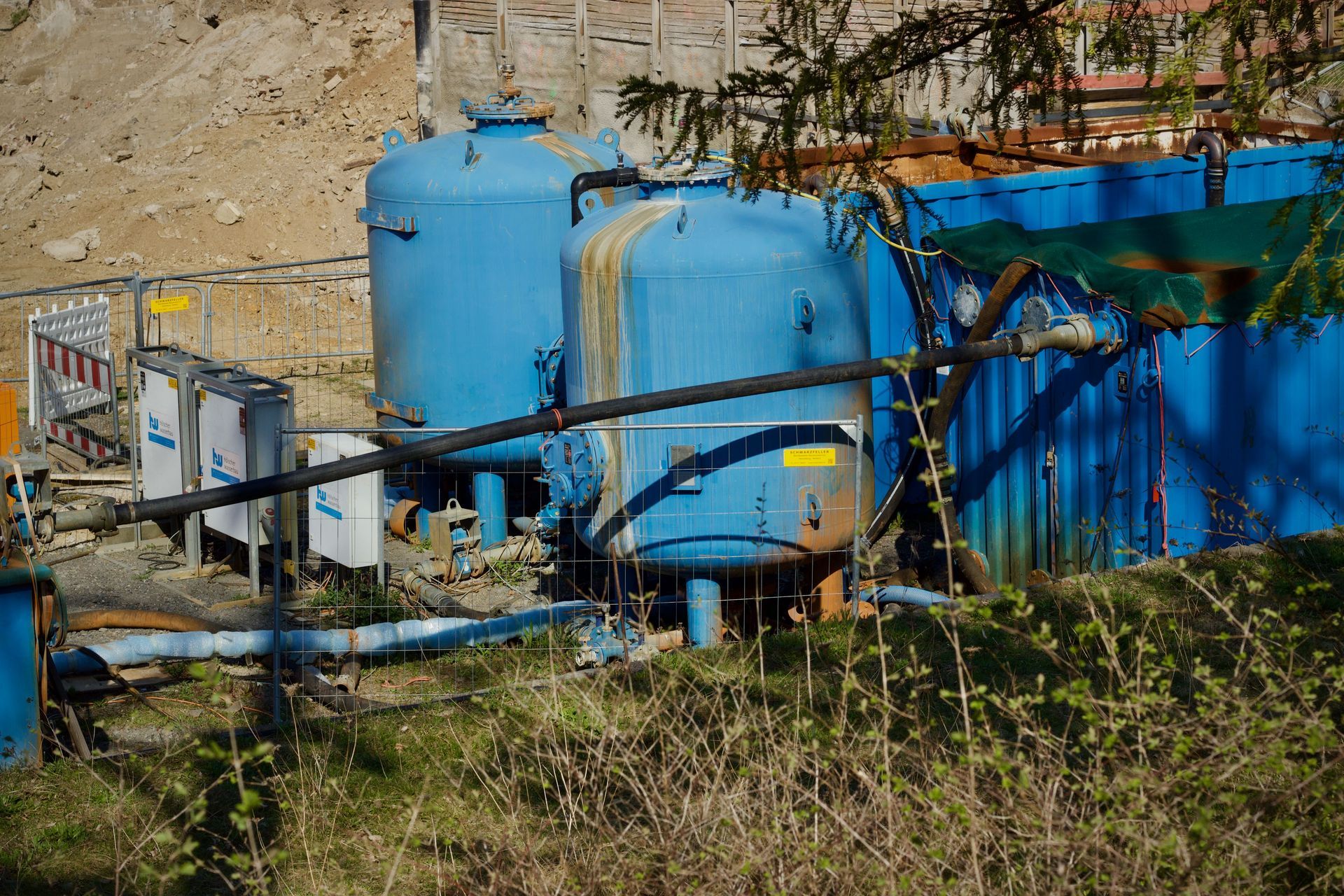
Before any repair work begins, isolating leaks and mitigating active sewage discharge are essential to protect the property and workers. Isolation starts by shutting off water usage to prevent further flow into the compromised line, and in some systems by turning off specific fixtures or cross-connecting valves. In commercial or complex systems, bypass pumping is often required: temporary pumps and hoses reroute sewage around the work area to a safe discharge point or to the downstream sewer connection. This step prevents backups and allows technicians to work in dry conditions.
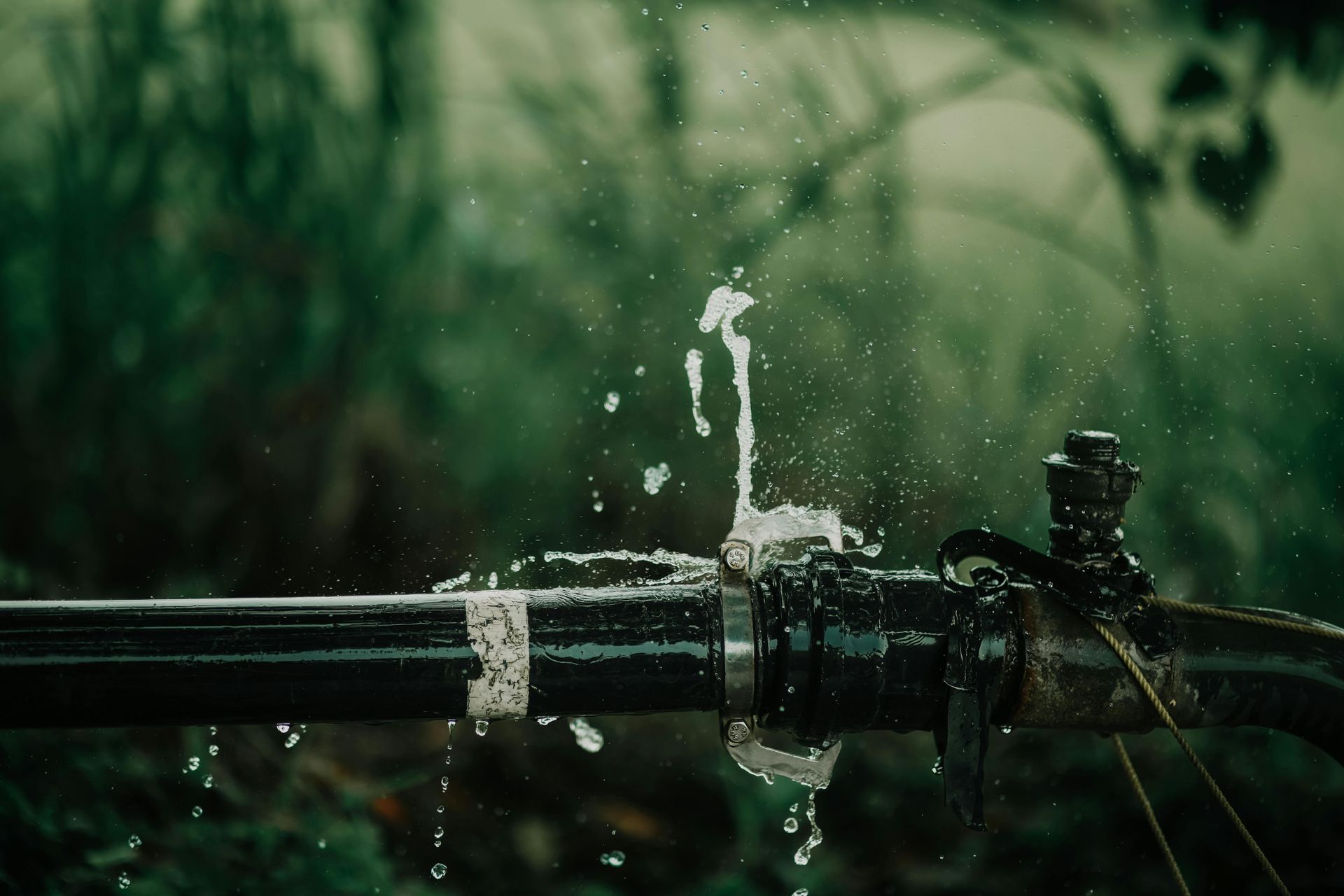
For minor leaks discovered during inspection, electrofusion clamps or saddle repairs may provide short-term containment until a permanent fix is scheduled. These temporary measures are useful when immediate full replacement is impractical due to weather, access constraints, or permitting delays. Homeowners should also be aware that unrelated issues can influence sewer performance; for example, questions like why does your sump pump keeps cycling frequently? may relate to broader drainage or groundwater problems that indirectly affect sewer condition and shallow pipe sections.
Patching Methods and Localized Repairs
When damage is localized, targeted patching can extend the service life of a pipe without full replacement. Trenchless localized repairs use inflatable packers carrying resin-impregnated patches that are positioned at the defect and cured to seal cracks or small holes. These repairs maintain the original pipe and are especially useful for addressing isolated leaks caused by root intrusion or fractured joints.
Conventional patching through localized excavation remains an option when the damaged section is close to the surface or positioned under a structure where trenchless equipment cannot reach. Technicians will excavate to expose the defective pipe, cut out a short section, and install a sleeve or new pipe segment. The decision between a localized open-cut patch and a trenchless patch depends on access, depth, and cost comparison, as well as the expected lifespan of the repair.
Material Choices and Long-Term Durability
Material selection plays a pivotal role in the longevity of sewer repairs. Modern materials like HDPE and PVC provide resistance to root intrusion, corrosion, and chemical attack, whereas older materials such as clay or cast iron are more prone to wear and joint failure. CIPP creates a structural liner that resists corrosion and leaks, but its performance can vary with resin type and installation quality. Pipe bursting installations that introduce continuous HDPE pipe eliminate joints and their associated failure modes, offering excellent long-term durability.
Evaluating the expected lifespan of a repair requires understanding local soil conditions, groundwater levels, and loadings from surface traffic. In areas with high groundwater or aggressive soils, specialty materials and bedding techniques may be necessary to prevent external pressures from compromising the new conduit. Trusted contractors and plumbing services with experience in both trenchless methods and open replacement can advise on the best combination of materials and installation practices for long-term performance.
Cost Considerations and Decision Factors
Choosing between trenchless repair and sewer line replacement requires balancing upfront costs, long-term value, and property disruption. Trenchless repairs often save money on landscaping and hardscape restoration, and reduce project timelines. However, severe structural damage may make trenchless options impractical or less cost-effective in the long run. Conversely, sewer line replacement can be costlier initially but may avoid repeated repairs and deliver a longer warranty and predictable performance.
When budgeting, include camera inspection costs, permits, bypass pumping if needed, and restoration expenses. Solicit detailed proposals that outline materials, warranty, and contingencies for unexpected findings. It’s wise to consult reputable local contractors and compare multiple bids, and to verify that the chosen provider—such as All City Plumbers or another licensed firm—has the necessary experience and references for the proposed approach.
Site Preparation and Project Workflow
A well-executed repair project follows a clear workflow: initial inspection and scope definition, permit acquisition, site preparation including utility locates and protection of landscaping, execution of the repair or replacement, system testing, and site restoration. Communication with neighbors and stakeholders is important when work affects shared laterals or easements. During the active work phase, safety protocols are enforced to manage excavation hazards, confined-space entry, and sewage handling.
Project timelines vary by method: CIPP lining and pipe bursting projects can often be completed within a day or a few days for typical residential runs, while open-trench replacement may take several days to weeks depending on length, depth, and restoration needs. Contractors typically perform a final camera inspection and hydrostatic test to confirm the integrity of the repair before completing the job.
Preventative Maintenance and Long-Term Care
Long-term maintenance extends the life of any sewer system and reduces the likelihood of emergency repairs. Regular preventative measures include scheduled camera inspections for older systems, root management, avoiding flushing non-degradable items, and maintaining proper surface grading to keep excess groundwater away from shallow lines. Grease control and the avoidance of chemical drains that can attack pipe linings are also important.
For properties with sump pumps or other drainage systems, coordinated management is crucial because surface and subsurface drainage influence sewer line performance. If you notice symptoms from other systems—such as respiratory alarms or unusual water movement—addressing them promptly can prevent compounding problems with the sewer line. Regular maintenance contracts with a reliable plumbing contractor ensure periodic checks, cleaning, and early detection of developing defects.
Choosing a Qualified Contractor
The quality of the installation is as important as the chosen repair method. When selecting a contractor, verify licensing and insurance, ask for references and documentation of prior trenchless and open-cut projects, and request warranties on workmanship and materials. A reputable firm will provide detailed proposals, explain the rationale for their recommendation, and outline protection plans for landscaping and hardscapes. Consumer reviews and certifications from industry organizations can also help identify experienced service providers.
Many homeowners find it helpful to work with a contractor who offers both trenchless and open-cut services, since on-site discoveries sometimes require pivoting from trenchless plans to replacement. This flexibility reduces delays and avoids multiple mobilizations. Local providers with solid reputations and transparent reporting practices will keep owners informed throughout the project, ensuring expectations for timeline, cost, and final restoration are met.
Environmental and Regulatory Considerations
Sewer work often involves permits and adherence to local codes to ensure public health and environmental protection. Regulations may dictate discharge practices for bypassed sewage, excavation depths near utilities, and restoration standards for public right-of-way. Contractors must manage dewatering and sediment control to prevent contamination of storm drains and local waterways. Environmentally responsible disposal of removed waste and contaminated soils is also a component of compliant work.
Understanding permit requirements early in the planning process prevents delays and unexpected costs. Professional contractors usually handle the permitting process, but property owners should stay informed and request copies of approved permits and inspection sign-offs for their records.
Conclusion
Selecting the right approach for sewer line repair—whether trenchless methods like CIPP lining and pipe bursting, or traditional sewer line replacement—depends on an accurate diagnosis, the extent of structural damage, site conditions, and long-term property goals. Trenchless technologies offer reduced surface disruption and quicker timelines, whereas full replacement provides a definitive solution when pipes have suffered severe structural failure. Careful inspection, informed material selection, and engagement with experienced contractors ensure the chosen method aligns with performance expectations and budget constraints.
Proactive maintenance, regular inspections, and addressing related drainage issues help prevent future failures and extend the lifespan of any repair. Coordinating repairs with reputable local professionals, understanding permit and environmental requirements, and considering the total lifecycle cost will yield the best outcomes for property owners seeking durable sewer solutions.