Why Your Water Pressure Drops When You Run the Shower?
A sudden drop in water pressure when you turn on the shower can quickly turn an otherwise relaxing routine into a frustrating experience. Instead of a steady, invigorating stream of water, you may be left dealing with weak flow that makes rinsing off difficult and time-consuming. Low shower pressure is one of the most common household plumbing complaints, and while it may seem like a minor inconvenience, it often points to issues developing somewhere within your home's plumbing system. In some cases, the problem may be isolated to the shower itself, while in others it can indicate a larger issue affecting the entire water supply network.
There are several potential causes of low shower water pressure, ranging from simple fixture blockages to more serious plumbing concerns. Mineral deposits and sediment buildup can restrict water flow through showerheads, especially in areas with hard water. Hidden leaks, partially closed shut-off valves, corroded pipes, faulty pressure regulators, or increased household water demand can also contribute to pressure loss. Identifying the underlying cause is essential for choosing the right solution and avoiding unnecessary repairs. By understanding the most common reasons for reduced water pressure and following a systematic troubleshooting process, homeowners can often restore strong, consistent water flow and help prevent recurring pressure problems in the future.
Understanding Normal Water Pressure and When It Drops
Standard residential water pressure typically ranges between 40 and 60 pounds per square inch, with many municipalities aiming for around 50 psi as the ideal level. When you run the shower and notice pressure dropping significantly below this range, several factors could be contributing to the problem. The drop might occur immediately when the shower is turned on, gradually worsen over time, or only happen when other fixtures are in use simultaneously. Identifying the pattern helps narrow down the specific cause.
Pressure drops can be isolated to the shower alone or affect multiple fixtures throughout the home. If only the shower experiences low pressure while sinks and tubs maintain normal flow, the issue likely stems from shower-specific components like the showerhead, valve, or dedicated supply line. Conversely, if the pressure drop affects all fixtures when the shower is running, the problem may involve the main water supply, pressure regulator, or water heater system.
Clogged Showerhead and Mineral Buildup as Primary Causes
The most common and easily fixable cause of low shower pressure is a clogged showerhead. Over time, mineral deposits from hard water accumulate in the small nozzles and internal passages, restricting water flow. Limescale, a whitish-grey coating formed by calcium and magnesium deposits, is the number one cause of reduced pressure in showerheads. These blockages obstruct water flow, leading to reduced pressure that becomes increasingly noticeable as the buildup worsens.
To address a clogged showerhead, remove it from the shower arm by turning it counter-clockwise. Inspect the nozzles for visible mineral deposits and clean them using a soft brush or by soaking the showerhead in a solution of warm water and vinegar for 30 to 60 minutes. The acidity in vinegar breaks down limescale and dissolves mineral buildup effectively. For severe clogs, use a narrow tool like a toothpick or needle to clear individual nozzles gently. After cleaning, reattach the showerhead and test the water pressure. If cleaning does not restore pressure, replacing the showerhead with a new one may be necessary.
Worn-Out Mixing Valves and Obstructed Shut-Off Valves
Shower valves play a critical role in controlling water flow and temperature. If you have a single-handle shower, it likely contains a mixing valve that determines how much hot and cold water flows through the showerhead. When this valve becomes worn out from extensive use and age, both temperature control and water pressure can fail. Internal cartridges within the valve may develop cracks, wear down, or accumulate mineral deposits that prevent proper opening, resulting in reduced pressure.
Another common reason for experiencing a drop in water pressure is an obstructed shut-off valve. Valves in your water supply and water heater can become damaged or partially closed over time, restricting the flow of water to the shower. This can happen if someone accidentally knocked the valve slightly closed or if the valve mechanism itself has degraded. Check all accessible shut-off valves connected to the shower supply lines, ensuring they are fully open by turning them counter-clockwise until they stop. If a valve feels stiff or does not turn smoothly, it may need replacement by a professional plumber.
Hidden Leaks and Broken Pipes Causing Pressure Loss
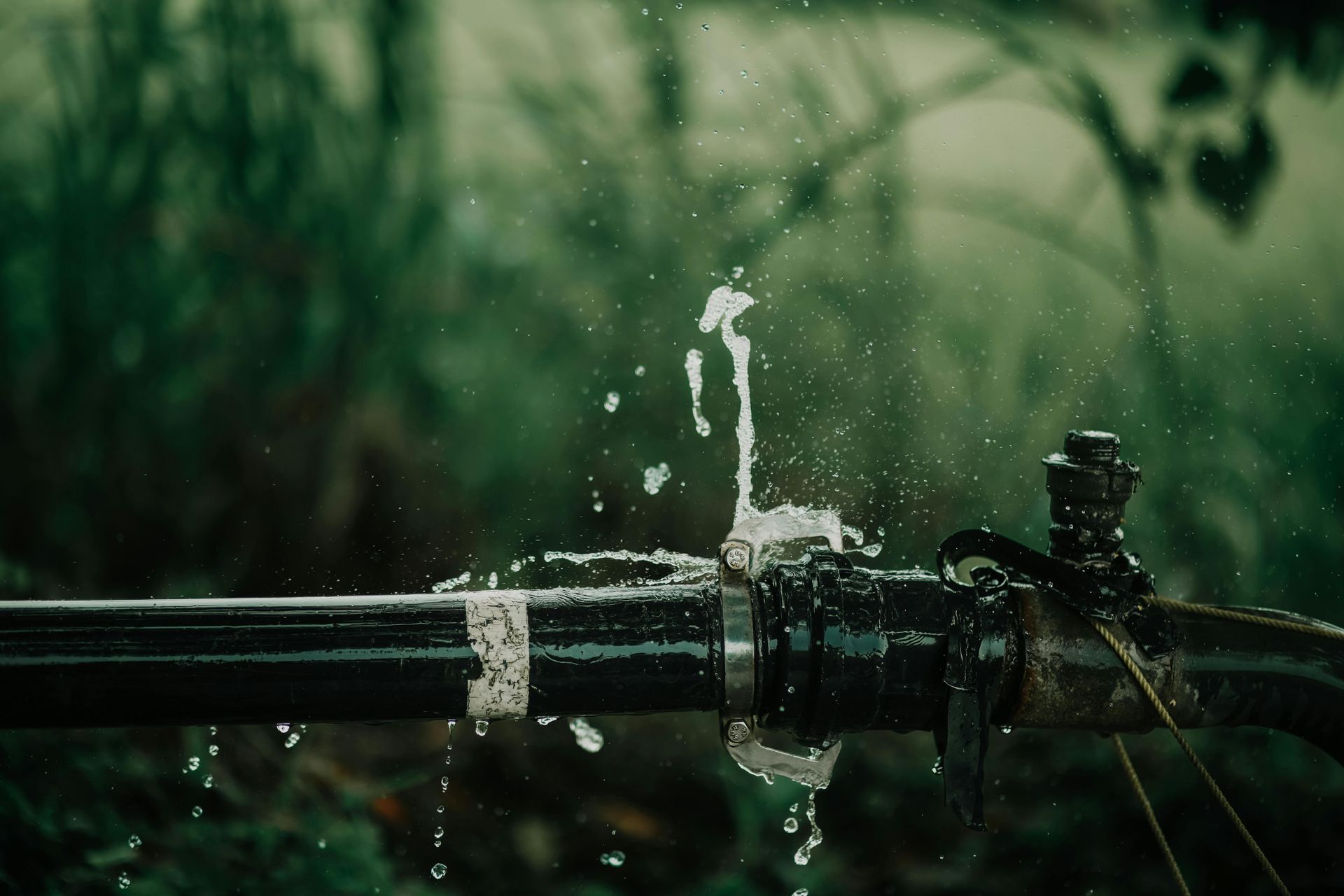
The most concerning cause of a sudden, unexplained pressure drop is a hidden leak in your pipework. Low pressure in one area, combined with unexplained damp patches on walls or ceilings, a constant running noise, or unexpectedly high water bills, suggests a leak in a pipe leading to that fixture. Leaks in your pipes contribute to low water pressure because the openings allow water to exit before reaching the showerhead, reducing the volume and force of water available.
The worst possible cause of a shower pressure drop is a broken pipe, since the resulting leak could seriously damage an unseen area of your home. Broken pipes can occur due to corrosion, age, temperature fluctuations causing expansion and contraction, or physical damage from construction work. Old pipes, particularly those made of galvanized steel, are vulnerable to cracking or small holes appearing after around 20 years of use. Pipes subjected to water pressure higher than 60 psi are also more susceptible to damage over time.
If you suspect a hidden leak, isolate the water supply to the shower and monitor your water meter. If the meter continues to move while the shower is off, water is escaping somewhere in the system. Professional plumbers from All City Plumbers specialize in leak detection and can use specialized equipment to locate hidden leaks without extensive demolition. They can then repair or replace the damaged section of pipe to restore proper pressure and prevent further water damage.
Simultaneous Water Demand and Combi Boiler Issues
If the pressure drops dramatically when someone else turns on a tap or runs another shower, your plumbing system may simply be struggling to cope with excessive demand. Though running one or two taps simultaneously shouldn't significantly affect water pressure, multiple water-intensive activities like doing dishes, laundry, and showering at the same time can mean less water to go around. This is especially common in homes with smaller water supply lines or lower municipal pressure.
For homes with combi boilers, if the pressure to the taps is fine but the shower is weak, the issue may be a fault within the boiler itself. A blocked plate heat exchanger is common in combi systems and can restrict hot water flow to the shower. Pressure balance shower valves are particularly susceptible to pressure drops when nearby fixtures are used. When a toilet flushes, cold water is diverted to refill the tank, which causes a pressure drop in the cold water line. Because it takes a pressure balancing valve a couple of seconds to adjust, the shower water may suddenly turn very hot, and then when the valve adjusts, it reduces the pressure coming from the hot water line, resulting in an overall drop in pressure.
Water Main Issues and Municipal Supply Problems
If your entire street is experiencing low pressure, the issue is likely with the external water main rather than your home's plumbing. Water main issues can stem from municipal supply problems, recent repairs to the city's water infrastructure, or updated water regulations that result in lower pressure throughout the area. Your water supplier may be responding to the city's updated water regulations, which can result in lower pressure in your home.
If you share a water line with neighbors, you can see lower pressure when your neighbor is taking a shower or washing their car. This division of water between multiple households reduces the amount available to each home during peak usage times. In some cases, low municipal water supply can be at the heart of flow problems, particularly duringdry seasons or in areas with aging infrastructure. Contact your local water utility to inquire about known issues in your area or scheduled maintenance that might affect pressure.
Main Stopcock and Pressure Regulator Problems
If the pressure in all taps and showers is low, check your main stopcock, which is usually located under the kitchen sink or near the water meter. The stopcock may have been accidentally knocked slightly closed, restricting the flow of mains water into your home. Ensure the stopcock is fully open by turning it counter-clockwise until it stops. A partially closed stopcock is a simple fix that can immediately restore pressure throughout the entire house.
If you have a pressure regulator, it could have been set really low and now is bleeding off water when not in use, building up insufficient pressure. Pressure regulators are designed to reduce high municipal pressure to a safe level for home use, typically around 50 psi. If the regulator is faulty or set too low, it can cause consistently weak pressure. Test the pressure using a gauge attached to an outdoor faucet or washing machine inlet. If the pressure is below 40 psi, adjust the regulator by turning the adjustment screw clockwise to increase pressure, or replace the regulator if it is malfunctioning.
Corroded Pipes and Aging Plumbing Infrastructure
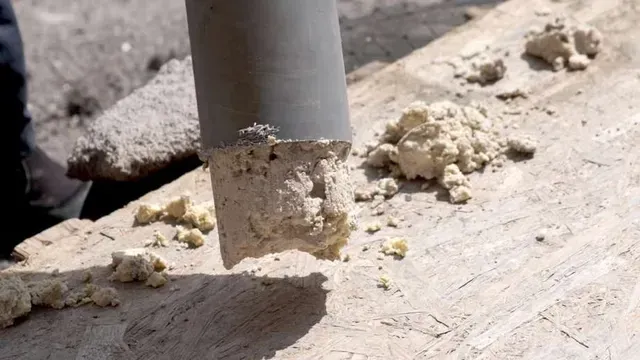
Water pipelines made of galvanized steel may only last for around 20 years before corrosion significantly reduces water flow. In places with hard water, mineral deposit accumulation inside pipes gradually reduces water flow and will eventually have a noticeable effect on water pressure. Corroded pipes develop rough interior surfaces that restrict flow and can eventually lead to complete blockages or pipe failure.
Copper pipes generally do not get clogged up as frequently as galvanized steel, but they can still accumulate mineral buildup over decades of use, particularly in areas with very hard water. If corrosion or buildup is extensive throughout your home's plumbing system, partial or complete pipe replacement may be necessary to restore proper pressure. A professional plumber can assess the condition of your pipes and recommend the most cost-effective solution, whether that involves cleaning, spot repairs, or full system replacement.
Repair Process: Diagnosing and Fixting Pressure Issues
Begin diagnosing low shower pressure by determining whether the problem is isolated to the shower or affects multiple fixtures. Turn on various faucets throughout the home to check if pressure is normal elsewhere. If only the shower has low pressure, start by removing and cleaning the showerhead as described earlier. If cleaning does not restore pressure, inspect the shower valve by removing the handle and examining the internal cartridge for wear or mineral buildup. Replace the cartridge if it appears damaged or worn.
If pressure is low throughout the home when the shower is running, check the main stopcock and ensure it is fully open. Verify that all shut-off valves connected to the water supply and water heater are also fully open. Test your water pressure using a gauge to determine if the issue stems from the municipal supply or an internal problem. If pressure is below 40 psi at the meter, contact your water utility. If pressure is normal at the meter but low inside the home, the issue may involve a faulty pressure regulator, clogged pipes, or hidden leaks.
For suspected leaks, isolate different sections of your plumbing and monitor the water meter. If the meter continues moving while a section is isolated, a leak exists in that area. Professional leak detection services can locate hidden leaks precisely without extensive demolition. Once the leak is found, the damaged pipe section must be cut out and replaced with new piping, using appropriate fittings and solvent cement for PVC or ABS pipes, or soldering for copper pipes.
Leak Isolation and Temporary Patching Methods
When addressing a broken pipe or suspected leak, immediate isolation of the water supply is critical to prevent further damage. Shut off the main water valve to your home by turning the dial clockwise. If the main valve cannot be manually shut off, contact your water company to request they shut off the supply for you. Next, drain the affected pipe section by opening the lowest faucet in your home and allowing water to run until the pipe is empty. This minimizes residual water pressure and prevents unexpected spraying when you work on the pipe.
For temporary patching before a permanent repair can be completed, epoxy putty is a common solution that creates a watertight seal over small leaks. Wear latex or nitrile gloves to protect your skin, then mix the putty by hand until it achieves a consistent light gray color. Wrap the putty around the leaky area, forming a layer approximately half an inch thick, and taper the edges onto the pipe to create a watertight seal. Let the putty set for 5 to 10 minutes before turning the water back on. Self-fusing silicone rescue tape is another temporary option that bonds to itself without adhesive, creating a flexible seal over small cracks or pinhole leaks.
While these temporary methods can stop water loss immediately, they are not permanent solutions and should be followed by proper pipe repair soon after. Professional plumbers provide emergency services for severe leaks that threaten structural integrity or pose safety hazards, offering rapid response and expert repair techniques that ensure long-term reliability.
Long-Term Maintenance and Preventive Care Strategies
Establishing a routine maintenance schedule is essential for preventing future pressure problems and ensuring your plumbing system remains reliable. Regularly inspect visible pipes for signs of corrosion, minor leaks, or wear, particularly in areas exposed to temperature fluctuations or moisture. Pay attention to pipe joints and connections, as these are common failure points. Clean showerheads every 6 to 12 months to prevent mineral buildup from restricting flow.
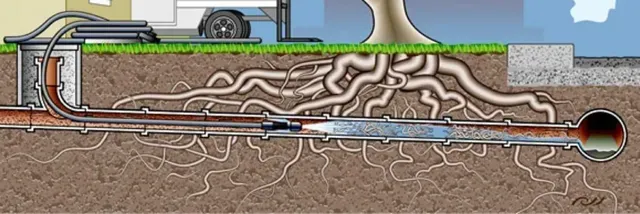
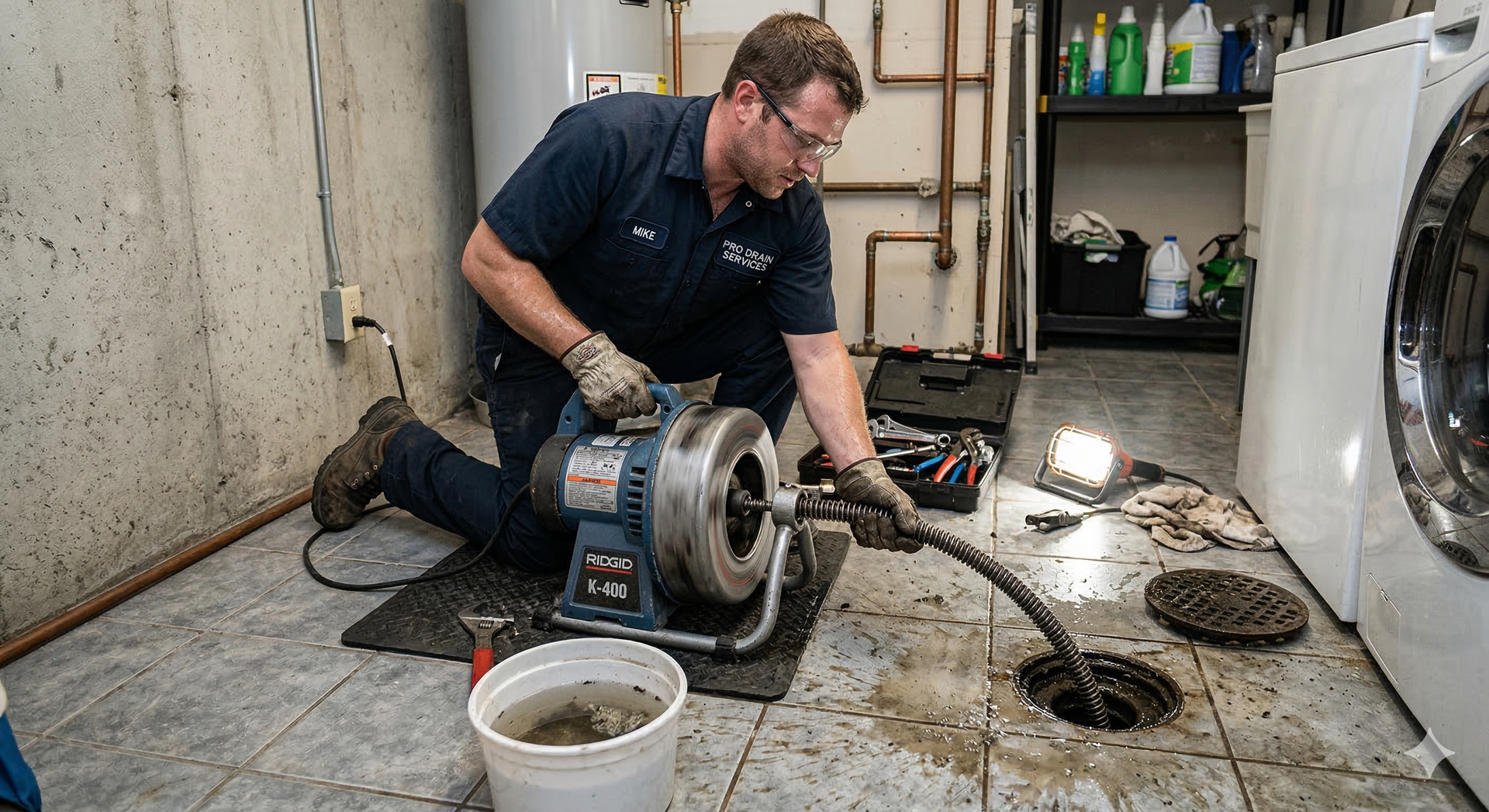
Understanding how drain cleaning protects your home's waterline can prevent many common issues. Regular drain cleaning removes accumulated debris, grease, and mineral buildup that can restrict water flow and increase pressure within pipes. Elevated pressure stresses pipe joints and increases the likelihood of leaks or bursts. By maintaining clean drains, you reduce the strain on your entire plumbing system and extend the lifespan of your pipes. Consider installing water pressure regulators if your home experiences consistently high water pressure, as pressures above 80 psi can accelerate pipe deterioration.
For homes with cold water storage tanks, ensure the tank is properly maintained and that the water level is adequate. Water pressure decreases with height, so there should always be at least one metre between the showerhead and water source or pump. During cold winters, insulate exposed pipes and allow faucets to drip slightly during extreme temperature drops to prevent freezing and cracking. Evaluate whether partial or complete system replacement may be more cost-effective than repeated repairs if your home has aging galvanized steel plumbing.
Sump Pump Systems and Their Impact on Water Pressure
While sump pumps primarily handle groundwater removal rather than supply water pressure, problems with sump pump systems can indirectly affect your home's plumbing performance. A malfunctioning sump pump can allow water to accumulate in the basement or crawl space, potentially flooding electrical components of your water system or causing structural damage that compromises pipe integrity. Sump pump repair becomes necessary when the pump fails to activate, runs continuously, or cannot remove water effectively.
Sump pump issues can also indicate broader drainage problems that contribute to moisture accumulation around your home's foundation. Excessive moisture can corrode underground water lines or create conditions that promote pipe deterioration. Regular sump pump maintenance, including testing the pump monthly, cleaning the pit, and checking the discharge line for blockages, ensures the system operates properly and protects your plumbing infrastructure from water-related damage.
Conclusion
Low water pressure when running the shower stems from a variety of causes, ranging from simple clogged showerheads to complex issues like hidden leaks, corroded pipes, or municipal supply problems. By systematically diagnosing the problem—starting with the easiest fixes like cleaning the showerhead and checking valve positions—you can often restore pressure without professional assistance. However, persistent pressure drops, especially those accompanied by signs of leaks or affecting multiple fixtures, warrant professional evaluation to prevent costly water damage and ensure your plumbing system functions reliably.
Investing in regular maintenance, including periodic showerhead cleaning, drain cleaning to protect your waterline, and monitoring water pressure levels, prevents many common pressure issues before they develop. When problems do arise, professional plumbers offer expertise in leak detection, pipe replacement, and system optimization that ensures long-term solutions. By understanding the causes of pressure drops and addressing them promptly, you can maintain strong, consistent water flow and enjoy a comfortable showering experience every day.