How to Prevent Sewer Line Damage From Root Intrusion Long Term?
Root intrusion into sewer lines is one of the most common and costly causes of residential plumbing damage. Tree and shrub roots naturally seek out sources of moisture and nutrients, and cracked or poorly sealed sewer pipes provide an ideal entry point. Once roots enter the pipe, they grow rapidly, blocking water flow, causing backups, and eventually destroying the pipe entirely. Preventing root intrusion long-term requires a combination of proper pipe installation, regular maintenance, strategic landscaping, and timely repairs. This guide provides comprehensive, professional advice on protecting your sewer line from root damage for years to come.
Understanding How Roots Damage Sewer Lines
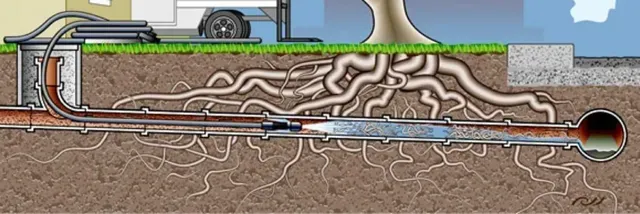
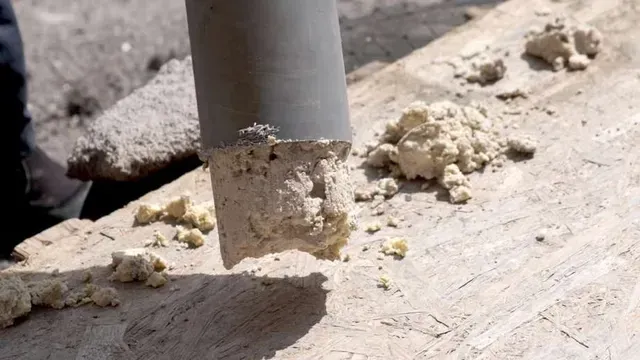
Tree roots cause sewer line damage through a gradual but destructive process. Roots begin by entering small cracks, loose joints, or poorly sealed connections in the sewer pipe. These entry points often exist in older pipes made of clay, cast iron, or concrete, which are more susceptible to cracking and joint deterioration over time. Once a root enters the pipe, it finds the moist, nutrient-rich environment inside and begins to grow rapidly. As the root grows, it expands within the pipe, obstructing water flow and trapping debris that leads to complete blockages.
The damage worsens as roots continue to grow and expand. The root exerts pressure on the pipe walls, causing existing cracks to widen and new fractures to form. In severe cases, roots can completely break apart sections of the pipe, leading to sewage leaks into the surrounding soil. This not only damages the plumbing system but can also contaminate soil, damage landscaping, and create health hazards. Root intrusion also accelerates pipe deterioration by preventing proper water flow, which causes pressure buildup and increases the likelihood of pipe collapse. Understanding this process helps you recognize the importance of prevention and early intervention.
Signs That Your Sewer Line Has Root Intrusion
Recognizing early signs of root intrusion allows you to address the problem before it causes catastrophic damage. The most common indicator is recurring drain clogs that persist despite regular cleaning. If your drains frequently slow down or back up, particularly in multiple fixtures throughout the home, roots may be obstructing the sewer line. Another warning sign is gurgling sounds coming from drains or toilets when water flows, indicating air trapped in the system due to blockages caused by root growth.
Unpleasant odors emanating from drains, yard areas, or near the sewer line path suggest sewage is leaking from damaged pipes. In your yard, look for unusually lush patches of grass, soggy soil, or indentations along the sewer line path, which indicate sewage leaking into the soil and acting as fertilizer. Water pooling in your basement or crawl space near the sewer line entrance can also signal pipe damage. If toilets bubble when other drains are used, or if water levels in toilets fluctuate unexpectedly, roots may be obstructing the line. Early detection of these signs allows for less invasive, more cost-effective repairs.
The Repair Process for Root-Damaged Sewer Lines
When root intrusion has already damaged your sewer line, a systematic repair process is necessary to restore functionality and prevent future intrusion. The first step is diagnosing the extent of the damage using a sewer camera inspection. A professional plumber inserts a high-resolution camera into the sewer line to locate cracks, breaks, root growth, and blockages. This inspection provides a clear picture of the problem and helps determine the most appropriate repair method.
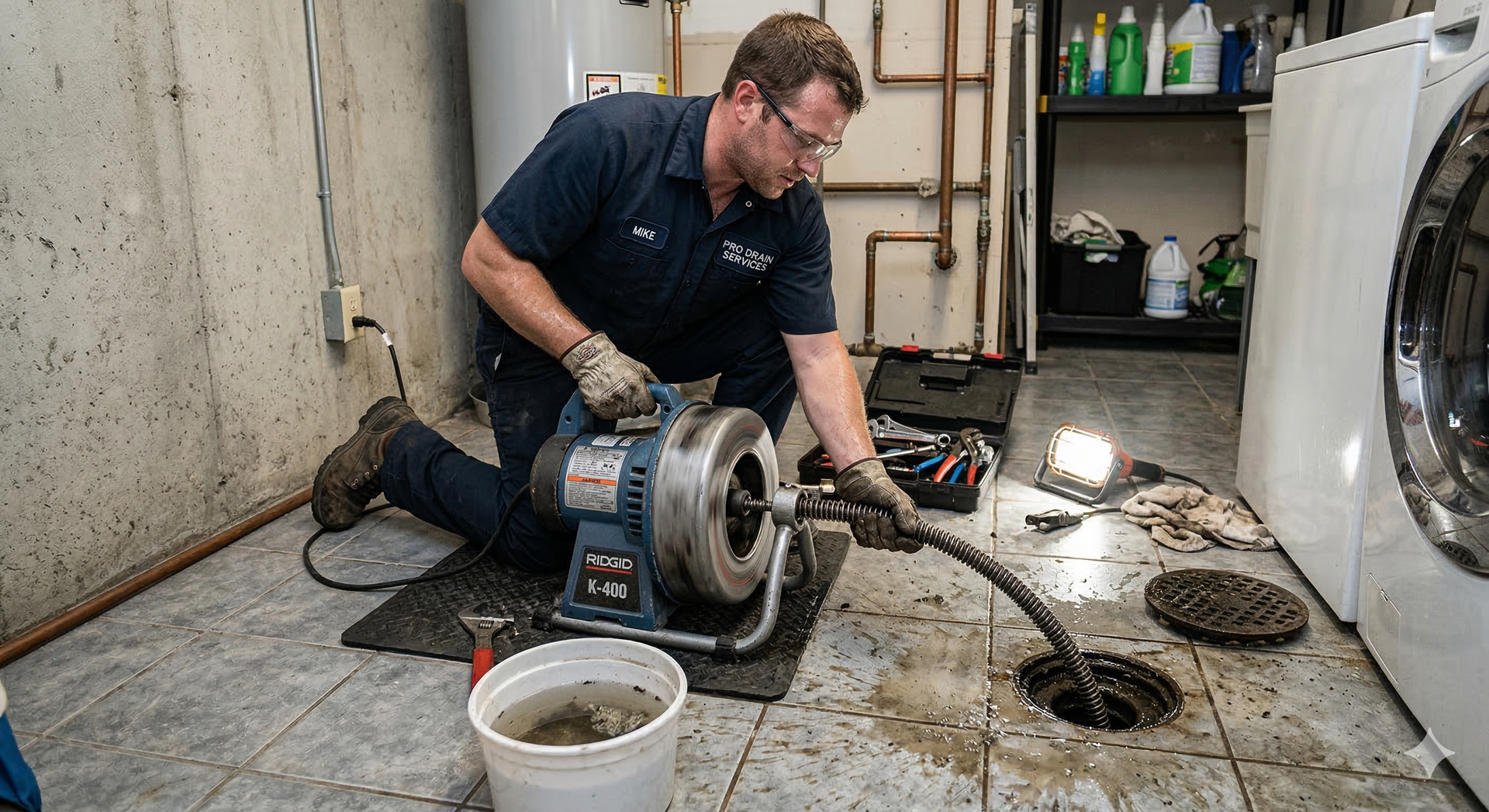
Once the damage is located, the repair process depends on the severity. For minor root intrusion with small cracks or loose joints, mechanical root cutting or hydro jetting can remove the roots and clear the blockage. After cutting, the damaged joints can be sealed with specialized pipe repair compounds or epoxy lining to prevent future root entry. For more extensive damage with large cracks or multiple fractures, pipe lining or pipe bursting may be necessary. Pipe lining involves inserting an epoxy-coated liner into the damaged pipe, which hardens to form a new, seamless pipe inside the old one. Pipe bursting breaks the damaged pipe apart while simultaneously pulling a new pipe into place.
For severely damaged pipes with multiple breaks, collapsed sections, or extensive corrosion, complete sewer line replacement is the only viable solution. This involves excavating the damaged pipe and installing a new section of pipe, typically made of PVC or ABS plastic, which is more resistant to root intrusion. While sewer line replacement is the most expensive option, it provides a permanent solution that eliminates the problem entirely. Professional plumbers from All City Plumbers specialize in sewer line repairs and replacements, offering expertise in camera inspection, root cutting, pipe lining, and full replacement to ensure long-term reliability.
Leak Isolation and Emergency Containment Procedures
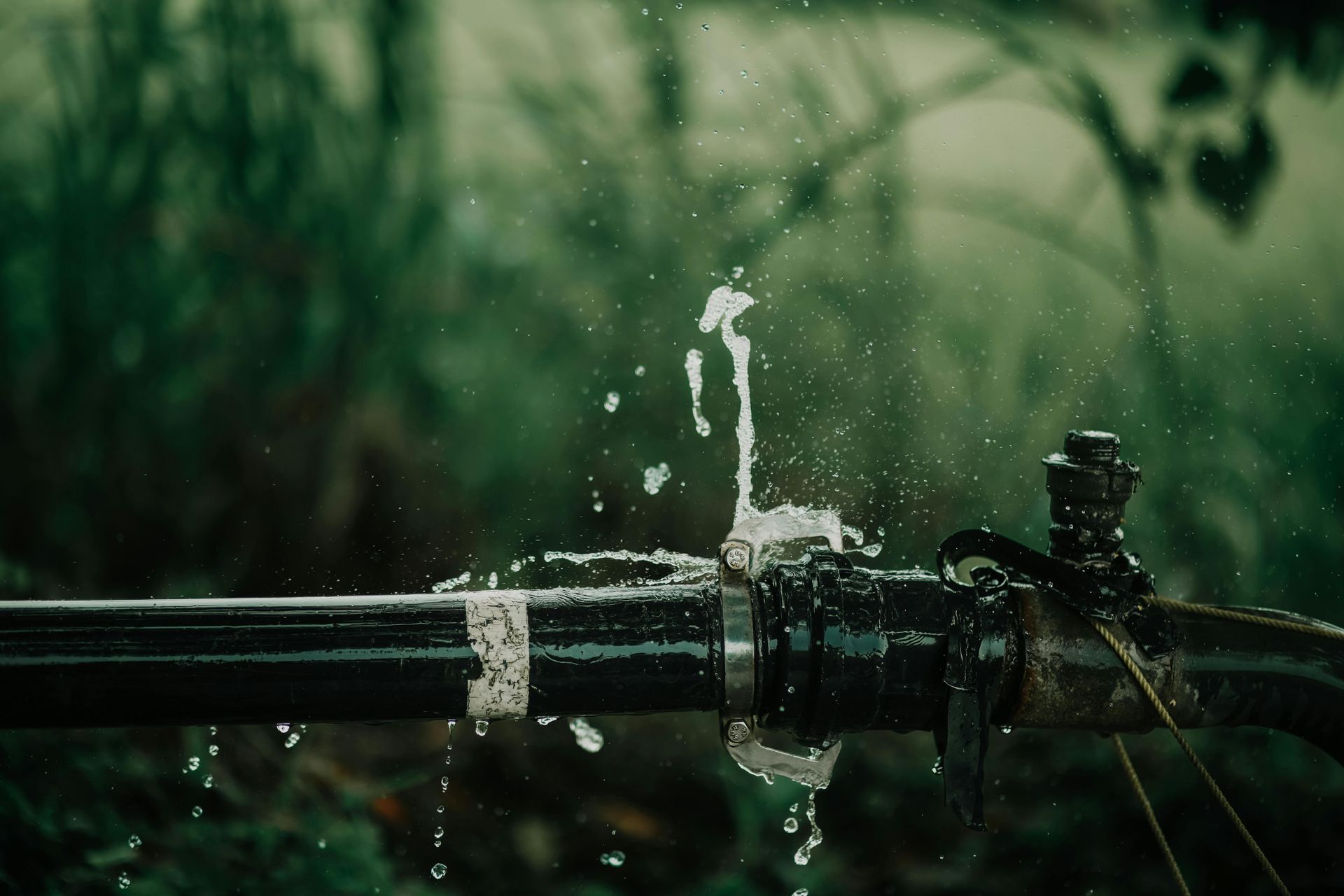
When root intrusion causes a sewer line leak, immediate isolation is critical to prevent sewage contamination, property damage, and health hazards. Start by shutting off all water sources that flow through the sewer line, including sinks, showers, toilets, dishwashers, and washing machines. This stops additional water from entering the system and exacerbating the leak. If the leak is severe or sewage is backing up into the home, consider shutting off the main water supply to your home to prevent further water from entering the plumbing system.
Avoid using any drains or fixtures until the leak is addressed, as this prevents additional sewage from flowing through the damaged section. If sewage is backing up into the home, contain it using buckets, towels, or plastic sheeting to prevent spreading to flooring, furniture, or electrical components. For outdoor leaks, dig a small trench around the leak to direct escaping sewage away from the foundation and into a safe drainage area. Wear protective gear, including gloves, boots, and masks, when handling sewage to avoid exposure to harmful bacteria and pathogens.
Monitor the leak closely and check for signs of worsening, such as increased sewage flow, spreading contamination, or foul odors intensifying. If the leak cannot be contained, poses a health risk, or causes significant property damage, contact professional plumbers immediately for emergency services. Professional plumbers can quickly locate the leak, stop the flow, and perform necessary repairs to prevent further damage. Prompt action minimizes contamination and protects your property and health.
Temporary Patching Methods for Minor Sewer Line Leaks
While permanent repairs should always be performed for significant sewer line damage, temporary patching methods can provide immediate relief for minor leaks until professional assistance is available. For small cracks in accessible sections of the sewer line, epoxy pipe repair compounds can create a temporary watertight seal. Apply the epoxy directly over the crack, following manufacturer instructions for mixing and application, and allow it to cure fully before allowing water to flow through the line again. This is a temporary solution that may last weeks to months, depending on the severity of the crack and water pressure.
For leaks at pipe joints or connections, applying additional pipe thread sealant or replacing worn gaskets can temporarily stop seeping. Ensure all connections are tight but not overly tight, as excessive force can crack fittings. Rubber clamps or waterproof tape can also be wrapped around small cracks or leak points to create a temporary barrier. These temporary methods are not permanent solutions and should be followed by proper repair or replacement soon after. Sewage contamination can cause serious health issues and property damage, so even minor leaks should be addressed professionally to ensure long-term safety and reliability.
Preventive Maintenance Strategies to Block Root Entry
The most effective long-term prevention against root intrusion is regular preventive maintenance that keeps your sewer line clear and sealed. Schedule annual or bi-annual sewer camera inspections to identify cracks, loose joints, or early root growth before they become serious problems. Early detection allows for minor repairs that prevent extensive damage and costly replacements. After inspection, perform mechanical root cutting or hydro jetting to clear any existing root growth and debris, ensuring the pipe remains clear and functional.
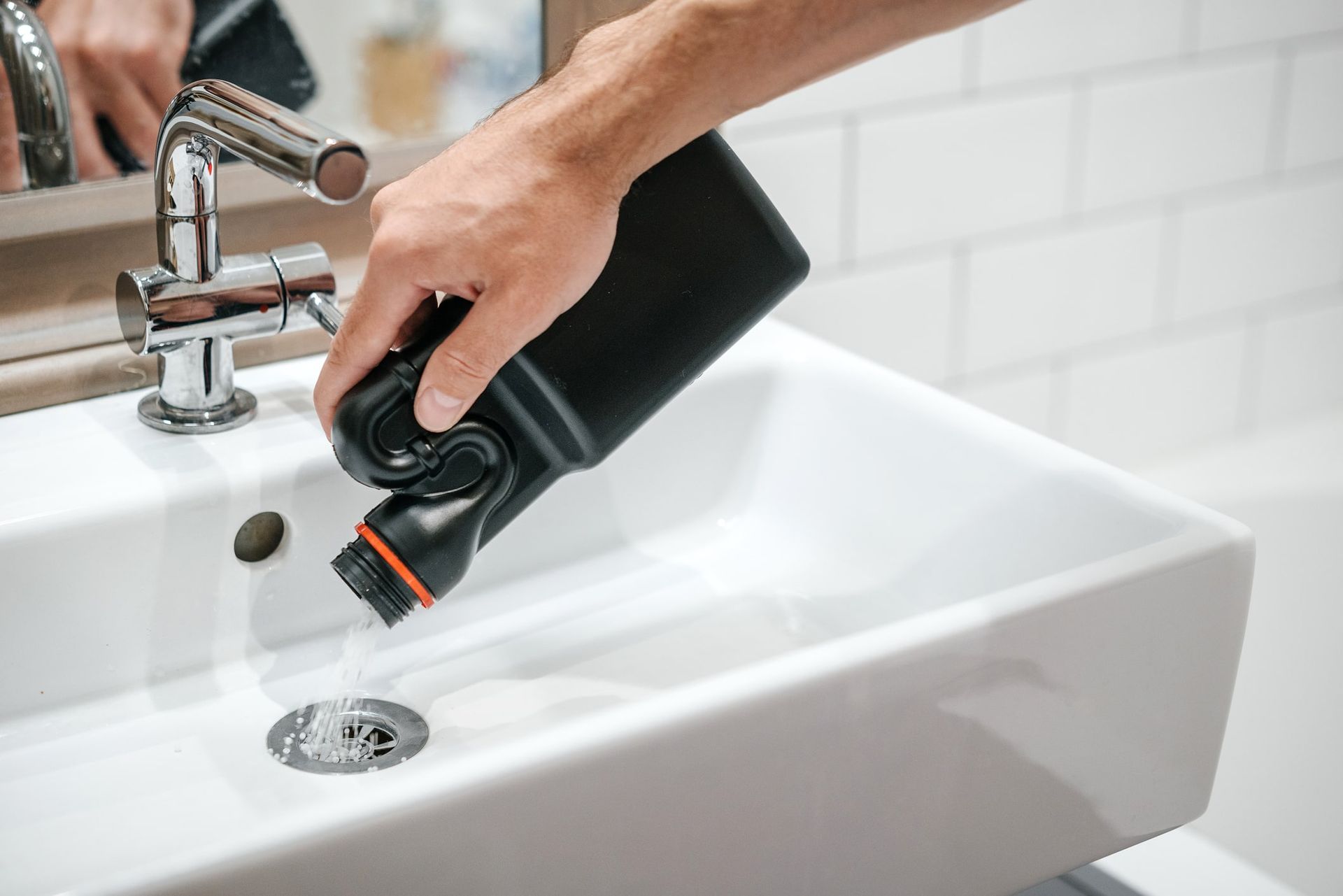
Apply root killer treatments periodically to inhibit root growth near the sewer line. Root killers contain chemicals that kill roots upon contact without harming the surrounding trees or plants. These treatments are especially effective when applied after root cutting, as they prevent regrowth and protect the repaired sections. However, use root killers cautiously and follow manufacturer instructions, as overuse can damage pipes or harm the environment. Combine root killer treatments with other preventive measures for maximum effectiveness.
Seal all pipe joints and connections with specialized pipe repair compounds or epoxy lining to prevent roots from entering through these common entry points. Modern sealing materials are durable, flexible, and resistant to root penetration, providing long-term protection. For older pipes with deteriorating joints, consider pipe lining to create a seamless interior that eliminates joints entirely. Regular maintenance also includes monitoring water flow and drain performance, addressing clogs promptly, and avoiding pouring grease or debris down drains that can accumulate and attract roots.
Strategic Landscaping to Minimize Root Threat
Proper landscaping plays a crucial role in preventing root intrusion by keeping trees and shrubs at safe distances from the sewer line. When planting new trees or shrubs, choose locations at least 10 feet away from the sewer line path to minimize the risk of roots reaching the pipe. For large trees with aggressive root systems, maintain even greater distances, ideally 20 to 30 feet, to ensure roots do not encroach on the sewer line. Research the root growth patterns of specific tree species before planting, as some trees have shallow, spreading roots that are more likely to invade sewer lines.
If you already have trees near the sewer line, consider installing root barriers to physically block root growth toward the pipe. Root barriers are vertical panels made of plastic or metal installed between the tree and sewer line, extending deep enough to intercept roots before they reach the pipe. These barriers redirect root growth downward or away from the sewer line, protecting the pipe without harming the tree. Root barriers are most effective when installed early, before roots have already entered the pipe, and should be combined with other preventive measures for optimal results.
Choose tree and shrub species with less aggressive root systems when planting near the sewer line. Species like dogwood, cherry, and maple have deeper, less spreading roots that are less likely to invade sewer pipes. Avoid planting trees with known aggressive root systems, such as willow, oak, poplar, or elm, near the sewer line. Additionally, maintain proper tree health through regular watering, pruning, and fertilization, as healthy trees are less likely to seek out moisture from sewer lines. Proper landscaping reduces the likelihood of root intrusion and protects your sewer line long-term.
Installing Root-Resistant Sewer Pipe Materials
When replacing or installing new sewer lines, choosing root-resistant pipe materials significantly reduces the likelihood of future root intrusion. Modern PVC (polyvinyl chloride) and ABS (acrylonitrile butadiene styrene) plastic pipes are the most resistant to root intrusion due to their smooth interior surfaces and tightly sealed joints. The smooth interior prevents roots from gripping and penetrating the pipe, while the sealed joints eliminate common entry points. PVC and ABS pipes are also durable, corrosion-resistant, and long-lasting, making them ideal for sewer line applications.
Compare these to older materials like clay, cast iron, or concrete pipes, which are more susceptible to cracking, joint deterioration, and root penetration. Clay pipes have porous surfaces that roots can easily penetrate, and their joints often deteriorate over time, creating entry points. Cast iron pipes corrode and crack, allowing roots to enter, while concrete pipes can fracture under pressure from growing roots. If your home has older pipes, consider replacing them with PVC or ABS to prevent future root intrusion and extend the lifespan of your sewer line.
For installations in areas with known root problems, consider using reinforced PVC pipes with additional protection against root pressure. Some manufacturers offer specialized root-resistant pipes with enhanced joint sealing and reinforced walls designed specifically to withstand root intrusion. Investing in root-resistant materials during installation or replacement provides long-term protection and reduces the need for ongoing maintenance and repairs.
When Sewer Line Replacement Is Necessary
In some cases, root damage is so extensive that preventive measures and minor repairs are insufficient, and complete sewer line replacement becomes necessary. Sewer line replacement is warranted when the pipe has multiple large cracks, collapsed sections, extensive corrosion, or severe root invasion that cannot be cleared. If camera inspection reveals that the pipe is structurally compromised, with sections that have broken apart or are missing entirely, replacement is the only option to restore functionality.
Sewer line replacement is also necessary when previous repairs have failed repeatedly, indicating that the pipe is beyond its useful life. Older pipes made of clay, cast iron, or concrete that have deteriorated significantly may not be salvageable through lining or patching, requiring full replacement. Additionally, if root intrusion continues despite regular maintenance and root killer treatments, the pipe may have so many entry points that replacement is the most cost-effective long-term solution.
Professional plumbers perform sewer line replacement by excavating the damaged pipe and installing a new section of root-resistant PVC or ABS pipe. While replacement is expensive, it provides a permanent solution that eliminates root intrusion problems entirely. In some cases, trenchless replacement methods like pipe bursting can be used to install new pipe without extensive excavation, reducing cost and landscape disruption. Understanding when replacement is necessary helps you make informed decisions and avoid wasting money on ineffective repairs.
Conclusion
Preventing sewer line damage from root intrusion long-term requires a comprehensive approach combining regular preventive maintenance, strategic landscaping, root-resistant pipe materials, and timely repairs. By scheduling annual camera inspections, performing root cutting and hydro jetting, applying root killer treatments, and sealing joints properly, you keep your sewer line clear and protected from root entry. Choosing the right tree species and maintaining safe distances from the sewer line further reduces the likelihood of roots reaching the pipe.
When root damage occurs, addressing it promptly through mechanical repair, pipe lining, or complete sewer line replacement prevents catastrophic failure and costly property damage. Understanding the signs of root intrusion, the repair process, and when replacement is necessary empowers you to protect your sewer line effectively. Whether you choose preventive maintenance alone or hire professional plumbers for inspection and repair, a proactive approach ensures your sewer line remains functional and root-free for years to come, protecting your home from costly plumbing emergencies.