How to Replace a Broken Faucet Aerator Screen?
A broken faucet aerator screen is a common household plumbing issue that results in poor water flow, uneven spray patterns, splashing, and reduced water pressure. The aerator, a small mesh screen screwed onto the tip of your faucet, mixes air with water to create a smooth, aerated stream while filtering out debris and sediment. When the screen becomes clogged, corroded, or broken, replacing it is a simple, cost-effective repair that restores optimal faucet performance. This guide provides a comprehensive, step-by-step approach to replacing a broken aerator screen properly, from preparation and leak isolation to testing and long-term maintenance.
Understanding the Purpose and Function of a Faucet Aerator
A faucet aerator is a small but essential component that attaches to the end of most kitchen and bathroom faucets. Its primary function is to mix air into the water stream, creating a smooth, splash-free flow that feels stronger while actually using less water. The aerator also serves as a filter, trapping sediment, mineral deposits, and debris before they enter your faucet or reach your hands. Most aerators consist of a plastic or metal housing containing one or more mesh screens, a flow restrictor, and a rubber gasket that creates a watertight seal.
The aerator screen is typically made of fine stainless steel or plastic mesh that allows water to pass through while blocking larger particles. Over time, these screens become clogged with mineral buildup from hard water, corroded by prolonged exposure to moisture, or damaged by debris that forces its way through. A broken or clogged screen disrupts the water flow, causing splashing, uneven streams, reduced pressure, and sometimes complete blockage. Understanding how the aerator works helps you appreciate why regular maintenance and timely replacement are essential for optimal faucet performance.
Gathering Necessary Tools and Materials Before Starting
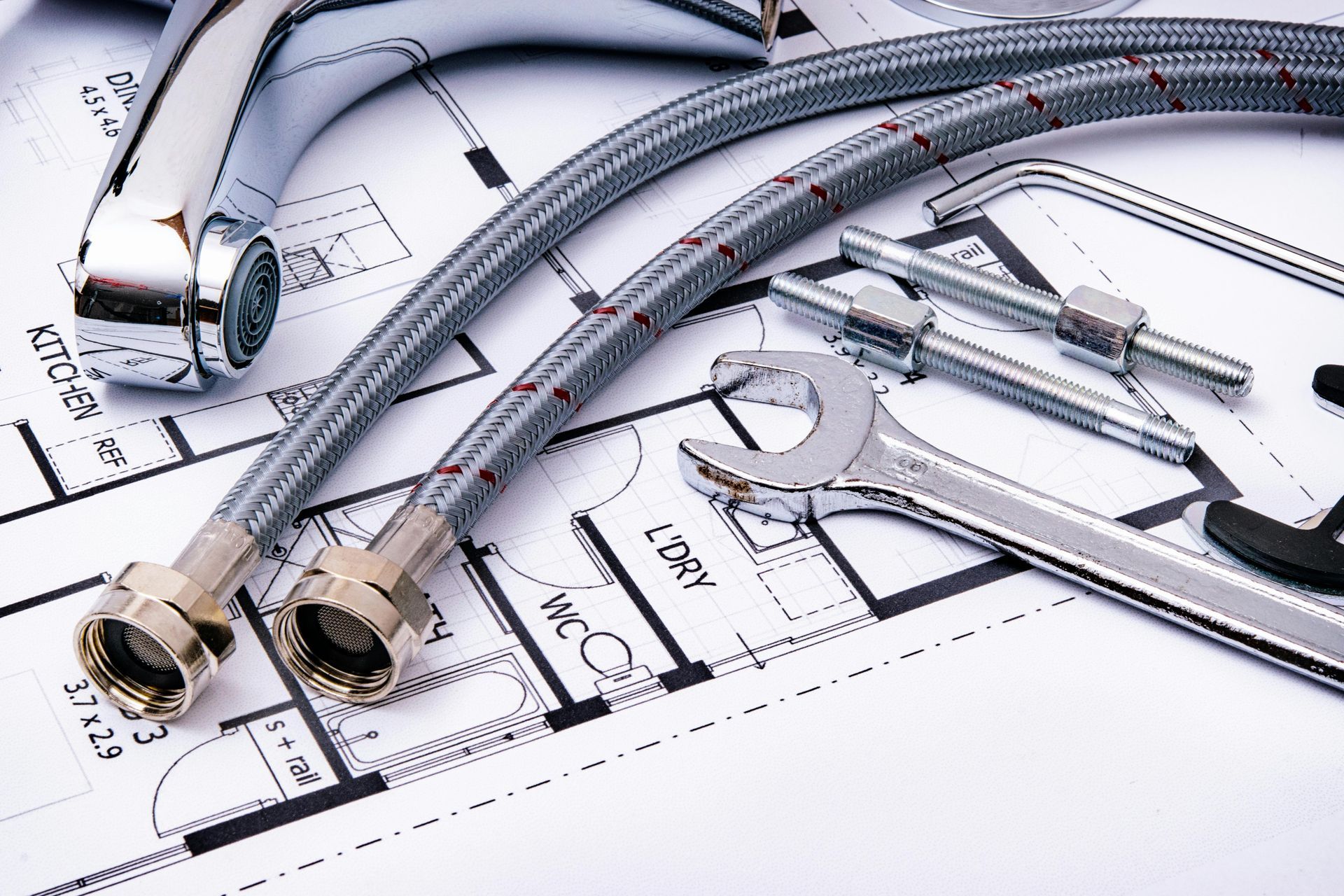
Before beginning the replacement process, gather all required tools and materials to ensure a smooth, efficient repair. You will need a new replacement aerator that matches your faucet's size and thread type, an aerator key or small adjustable wrench for removing the old aerator, rubber pliers or a cloth to protect the faucet finish during removal, white vinegar or descaling solution for cleaning any residual buildup, and a small bucket or towel to catch any residual water. Most hardware stores and home improvement centers sell universal aerator kits containing multiple sizes and thread types, making it easy to find a compatible replacement.
Identify your faucet's aerator size before purchasing a replacement. Standard sizes include 15/16 inch-27 for most kitchen faucets, 55/64 inch-27 for many bathroom faucets, and 13/16 inch-27 for some European or older models. If you are unsure of the size, remove the old aerator and take it to the store for matching, or measure the diameter of the faucet threads with a ruler. Ensure the replacement aerator has the same thread direction as the original, as most are standard right-hand threads, but some older or specialty faucets use left-hand threads. Having the correct replacement before starting prevents interruptions and ensures a successful repair.
Removing the Broken Aerator Safely and Effectively
Begin the removal process by turning off the water supply to the faucet if possible, though this is often unnecessary for aerator replacement since the water flow is minimal. Open the faucet briefly to release any residual pressure in the line, then close it completely. If the aerator is severely clogged or the water pressure is very high, consider placing a bucket underneath to catch any water that may spray out when the aerator is removed. Use a cloth or rubber pliers to grip the aerator housing gently, protecting the faucet finish from scratches or damage.
Turn the aerator counter-clockwise to loosen it. If the aerator is stuck due to mineral buildup or corrosion, apply steady, moderate pressure while turning. Avoid using excessive force, as this can damage the faucet threads or crack the aerator housing. If the aerator does not loosen easily, wrap a cloth around it and use an adjustable wrench or aerator key for additional leverage. An aerator key is a small, specialized tool designed specifically for removing aerators without damaging them, and it is often included in aerator replacement kits.
For aerators that are severely stuck, apply white vinegar or a descaling solution around the threads and let it sit for 15 to 30 minutes to dissolve mineral deposits. You can also wrap a vinegar-soaked cloth around the aerator and leave it for an hour before attempting removal again. Once the aerator loosens, unscrew it completely by hand and remove it from the faucet. Inspect the faucet threads for damage, corrosion, or residual mineral buildup, and clean them thoroughly with a soft brush and vinegar solution before installing the new aerator.
Installing the New Aerator and Securing the Connection
Before installing the new aerator, inspect the rubber gasket inside the replacement unit to ensure it is properly seated and undamaged. The gasket creates a watertight seal between the aerator and faucet, preventing leaks around the connection. If the gasket appears flattened, cracked, or damaged, replace it with a new one from the aerator kit or a hardware store. Apply a small amount of plumber's grease to the gasket to help it seal properly and make future removal easier, though this step is optional and not required for most modern aerators.
Screw the new aerator onto the faucet threads by hand, turning it clockwise until it is hand-tight. Ensure the aerator is aligned properly with the faucet so that it sits straight and does not cross-thread. Cross-threading can damage both the aerator and faucet threads, leading to leaks and difficulty removing the aerator in the future. Once hand-tight, use a cloth or rubber pliers to tighten the aerator an additional quarter to half turn, being careful not to overtighten. Overtightening can crush the gasket, crack the aerator housing, or damage the faucet threads, resulting in leaks.
If your faucet has a decorative collar or escutcheon ring around the base of the aerator, ensure it is properly positioned and not pinched during installation. Some aerators have directional features, such as a specific orientation for the spray pattern or a flow restrictor that must face a certain direction. Consult the manufacturer's instructions if provided, or test the aerator after installation to ensure it functions correctly. Once the aerator is installed, wipe away any excess plumber's grease or debris from the faucet and surrounding area.
Testing for Leaks and Verifying Proper Water Flow
After installing the new aerator, turn on the water supply and open the faucet fully to test for leaks and verify proper water flow. Observe the connection between the aerator and faucet for any signs of water seeping out around the threads or gasket. If leaks are present, turn off the faucet, unscrew the aerator, check the gasket positioning, and retighten the aerator more securely. If leaks persist after retightening, the gasket may be damaged or the threads may be cross-threaded, requiring removal and reinstallation with a new gasket.
Once no leaks are detected, observe the water stream coming from the aerator. A properly functioning aerator produces a smooth, laminar stream that is clear and consistent, with no splashing or uneven spray patterns. The water pressure should feel strong and even, indicating that the flow restrictor and screen are functioning correctly. If the stream is still uneven or splashing, the aerator may be installed incorrectly, the screen may be defective, or there may be residual debris inside the faucet that requires cleaning. Turn off the faucet, remove the aerator, clean the faucet interior with vinegar, and reinstall the aerator.
Check that the water flow is consistent from both hot and cold settings, as differences in flow may indicate issues with the water supply lines, water heaters, or temperature-specific restrictions. If hot water flow is significantly weaker than cold water flow, the issue may be with the hot water supply line, water heater, or a separate hot water aerator restriction. In such cases, further investigation of the water heater system or hot water lines may be necessary to identify and resolve the underlying problem.
Leak Isolation and Emergency Shut-Off Procedures
While aerator replacement is a simple repair that rarely causes major leaks, having knowledge of leak isolation procedures is valuable for any plumbing task. If you notice a significant leak after installing the aerator that cannot be stopped by retightening, immediately turn off the water supply to the faucet by closing the shut-off valves located under the sink. If shut-off valves are not available or are not functioning, turn off the main water supply to your home by closing the main valve, typically located in the basement, crawl space, or near the water meter.
Open the faucet to drain residual water from the line and reduce pressure on the leaking connection. Place a bucket or towel under the leak to catch dripping water and prevent it from spreading to flooring or electrical components. If the leak is at the aerator connection, try tightening it slightly more, but do not overtighten, as this can worsen the problem. If tightening does not stop the leak, remove the aerator and inspect the gasket for damage or improper positioning. Replace the gasket if necessary and reinstall the aerator properly.
If you are unable to stop the leak or if it poses a safety risk, contact professional plumbers from All City Plumbers, who provide emergency services for severe plumbing issues. Professional plumbers can quickly diagnose the problem, replace damaged components, and ensure the system is properly sealed and operational. Having a professional evaluate your faucet and plumbing system after an emergency leak can also prevent future issues and ensure proper function.
Temporary Patching Methods for Minor Aerator Issues
While replacing the aerator is the proper solution for a broken screen, temporary patching methods can provide immediate relief for minor issues until a replacement is available. For screens that are clogged but not broken, removing the screen and soaking it in white vinegar for 30 to 60 minutes can dissolve mineral deposits and restore water flow. Use a small brush to gently scrub the screen after soaking, then rinse thoroughly and reinstall. This method is temporary, as the screen will eventually clog again, but it can buy you time until a replacement is available.
For screens with small holes or minor damage, applying a small piece of fine mesh screen over the damaged area and securing it with waterproof adhesive can temporarily restore filtration. This is not a recommended long-term solution, as the adhesive may fail and the makeshift filter may not function properly. If the aerator housing is cracked but the screen is intact, wrapping the housing with waterproof tape can temporarily prevent leaks, though this is also not a permanent solution. These temporary methods should be followed by proper replacement soon after to ensure reliable performance and prevent water damage.
Long-Term Maintenance and Preventive Care Strategies
Establishing a routine maintenance schedule is essential for ensuring your faucet aerator continues functioning properly and preventing future clogs or damage. Clean the aerator every 3 to 6 months by removing it and soaking it in white vinegar to dissolve mineral deposits. Use a small brush to gently scrub the screen and remove any debris, then rinse thoroughly and reinstall. This simple maintenance step prevents clogs, maintains water flow, and extends the lifespan of the aerator.
Monitor water quality in your home to identify hard water issues that accelerate mineral buildup. If you have hard water, consider installing a water softener to reduce mineral content in your water supply, which will reduce buildup in aerators, water heaters, and other plumbing fixtures. Regularly check the aerator for signs of corrosion, cracks, or wear, and replace it promptly if any damage is detected. A damaged aerator can allow debris to enter the faucet, causing internal damage and requiring more extensive repairs.
Understanding how other plumbing components interact with your aerator is also important for overall system health. Issues with water heaters, such as excessive pressure or temperature fluctuations, can affect water flow through the aerator and accelerate wear. Similarly, problems with garbage disposals or drain cleaning can send debris through the plumbing system that clogs the aerator. Regular maintenance of all plumbing components, including water heaters and drainage systems, ensures the entire system functions smoothly and reduces strain on individual components like the aerator.
Common Mistakes That Damage Aerator Screens
Several common mistakes can damage aerator screens and reduce their effectiveness. Using excessive force when removing or installing the aerator can crush the screen, crack the housing, or damage faucet threads. Always use gentle, steady pressure and appropriate tools like aerator keys or rubber pliers to protect the aerator and faucet. Failing to clean the aerator regularly allows mineral buildup to accumulate, making future removal more difficult and reducing water flow over time.
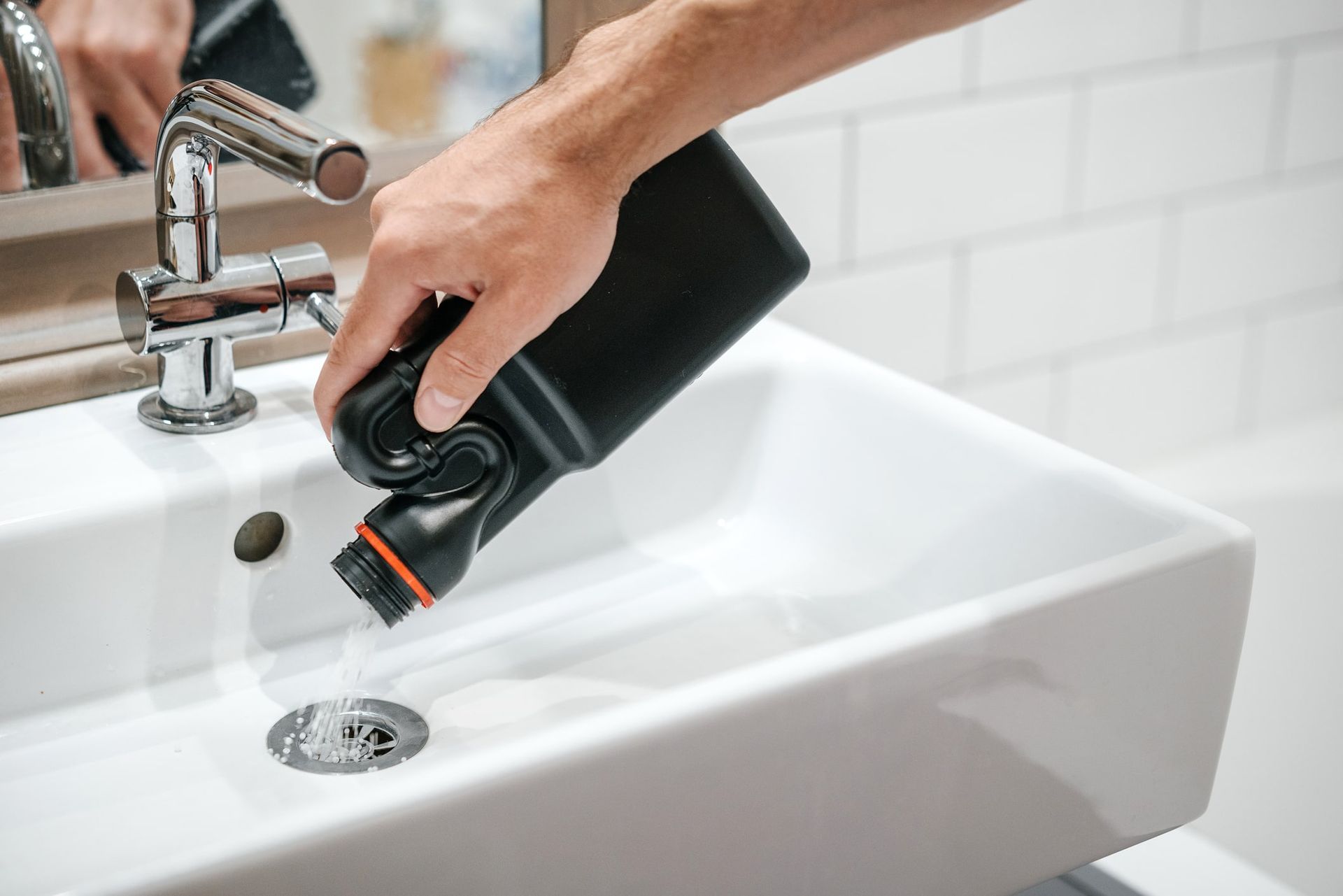
Ignoring signs of a failing aerator, such as reduced water pressure, splashing, or uneven spray, allows the problem to worsen and may cause damage to the faucet or plumbing system downstream. Replacing the aerator promptly when problems appear prevents further issues and maintains optimal faucet performance. Using harsh chemical drain cleaners near the aerator can damage the screen and gasket, so avoid pouring these chemicals down the drain without proper dilution and flushing. Be cautious when performing DIY plumbing repairs near the aerator, as improper work can affect related systems. For example, DIY disposal repair can void water heater warranty if the repair improperly affects water flow or pressure that the water heater depends on for proper operation.
Conclusion
Replacing a broken faucet aerator screen is a simple, cost-effective repair that restores optimal water flow, eliminates splashing, and improves faucet performance. By following the systematic process of gathering tools, removing the old aerator safely, installing the new one properly, and testing for leaks, you can achieve a reliable, long-lasting fix that protects your faucet and plumbing system. Proper installation prevents common issues like leaks, poor water flow, and premature aerator failure, ensuring the aerator functions smoothly for years.
Long-term maintenance, including regular cleaning, monitoring water quality, and addressing plumbing issues promptly, extends the lifespan of your aerator and entire plumbing system. Understanding how components like water heaters and drainage systems interact with your aerator helps you maintain overall system health and prevent problems. Whether you choose to replace the aerator yourself or hire professional plumbers for assistance, a properly installed and maintained aerator provides essential convenience and protection for your home's water system.