The Role of a Plumbing Inspector in New Construction
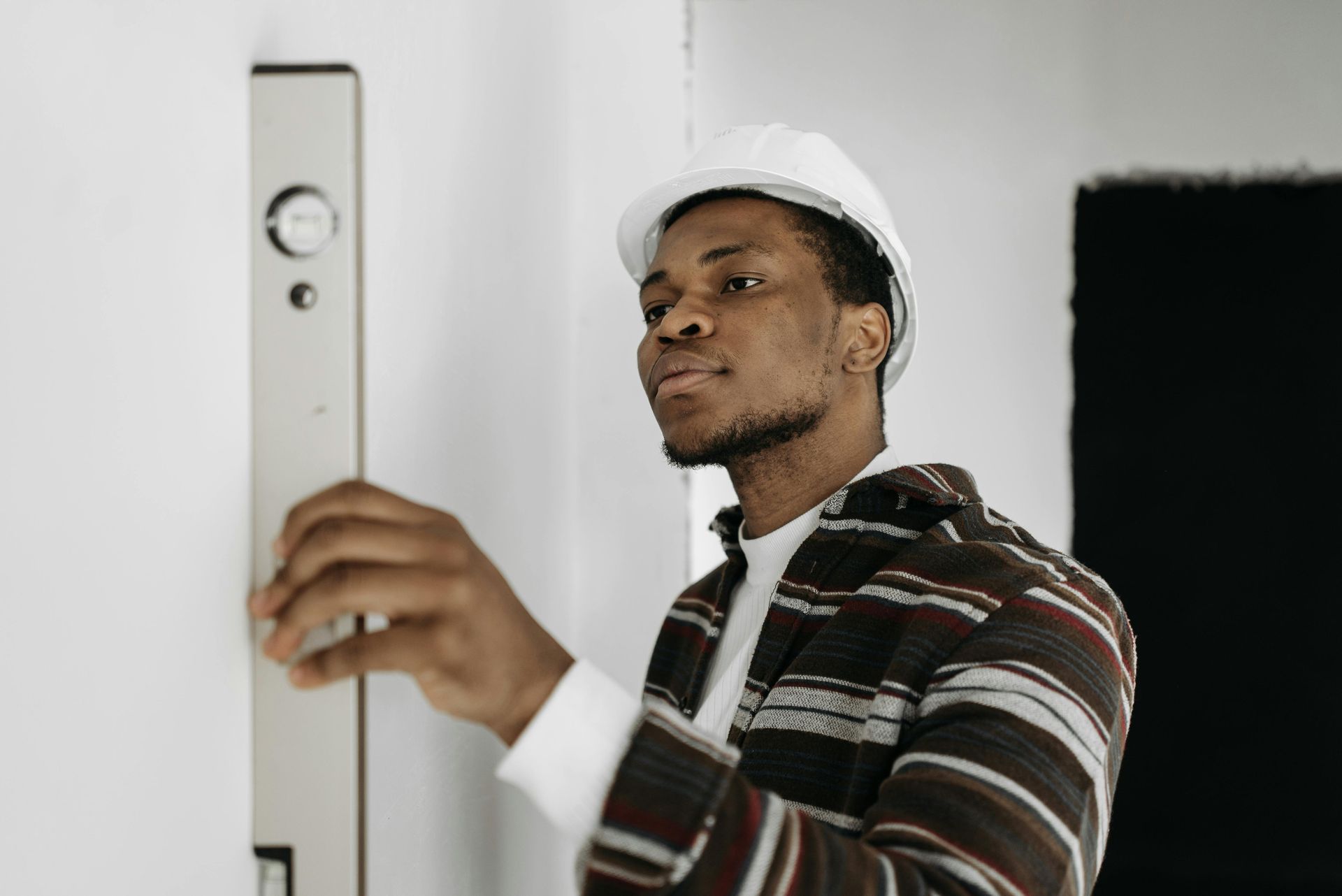
Plumbing inspectors play a vital role in new construction by ensuring that all plumbing systems are installed correctly, comply with building codes, and function safely and efficiently for the lifetime of the building. These qualified professionals verify that water supply lines, drain-waste-vent systems, fixtures, water heaters, gas lines, and related components meet local, state, and national plumbing codes before walls are closed and finishes are applied. Their inspections prevent costly repairs, ensure occupant safety, protect public health by preventing contamination and sewage exposure, and provide documentation required for building permits and final occupancy approvals. Understanding the comprehensive role of plumbing inspectors helps builders, contractors, and homeowners appreciate the importance of proper inspection schedules, cooperation during inspection processes, and addressing any deficiencies identified before project completion.
Key Stages of Plumbing Inspection During Construction
Plumbing inspection during new construction occurs at multiple critical stages, each verifying different aspects of system installation and ensuring compliance before proceeding to the next phase. The rough-in inspection is the first major inspection, occurring after all water supply lines, drain pipes, vent pipes, and gas lines are installed but before walls and ceilings are closed. During this inspection, the inspector verifies pipe materials, sizing, routing, support spacing, proper slope on drain lines, correct vent connections, and proper installation of shut-off valves and access points. The pressure test inspection follows, where water supply lines are pressurized to verify there are no leaks, and drain lines are tested for proper flow and drainage. The final inspection occurs after all fixtures, water heaters, appliances, and trim are installed, verifying proper operation, correct connections, adequate clearances, compliance with code requirements for fixture spacing and accessibility, and proper installation of safety devices such as temperature and pressure relief valves on water heaters. Additional specialized inspections may include gas line pressure testing, backflow prevention device testing, and cross-connection control verification. Each inspection stage builds upon the previous one, ensuring comprehensive verification of system integrity and functionality.
Verifying Code Compliance and Safety Standards
Verifying code compliance and safety standards is the primary responsibility of plumbing inspectors, ensuring that all installations meet requirements designed to protect public health, safety, and property. Inspectors verify that pipe materials are approved for their intended use, that water supply lines are properly sized to deliver adequate pressure and volume, that drain lines have correct slope to ensure gravity flow without pooling, and that vent systems are properly sized and connected to prevent pressure imbalances. Safety standards include verifying proper installation of shut-off valves at required locations, ensuring adequate access to plumbing components for maintenance and repair, confirming that water heaters are installed with proper clearances, ventilation, and safety devices, and verifying that gas lines are properly sized, leak-tested, and equipped with shut-off valves. Inspectors check that cross-connections between potable water and non-potable sources are prevented through proper backflow prevention devices, that fixtures are installed at correct heights and clearances for accessibility, and that proper traps are installed on all drain fixtures to prevent sewer gas entry. Non-compliance identified during inspection must be corrected before passing inspection and proceeding with construction, ensuring system safety and functionality.
The Professional Repair Process for Inspected Deficiencies
When plumbing inspectors identify deficiencies during new construction inspections, the professional repair process follows a systematic approach to correct issues efficiently and ensure compliance before reinspection. Technicians begin by reviewing the inspection report to understand exactly what deficiencies were identified, which may include code violations, improper installations, missing components, or testing failures. For pipe leaks discovered during pressure testing, technicians locate the leak source through visual inspection, pressure testing of individual sections, or acoustic leak detection, then cut out the damaged section and replace it with proper fittings and materials. For improper pipe slope on drain lines, technicians may need to expose pipes, reconfigure supports, and regrade the pipe to achieve proper one-quarter inch per foot slope. For missing or improperly installed vent connections, repair involves installing additional vent pipes connected to the main stack or correcting existing connections. For water heater installation deficiencies such as missing temperature and pressure relief valves, improper clearances, or incorrect venting, repair involves installing required components, adjusting placement, or reinstalling the unit entirely. Reputable companies like All City Plumbers employ technicians trained in code-compliant repairs, ensuring deficiencies are corrected properly, reinspection is passed, and construction proceeds without significant delays.
Leak Isolation Techniques During New Construction Testing
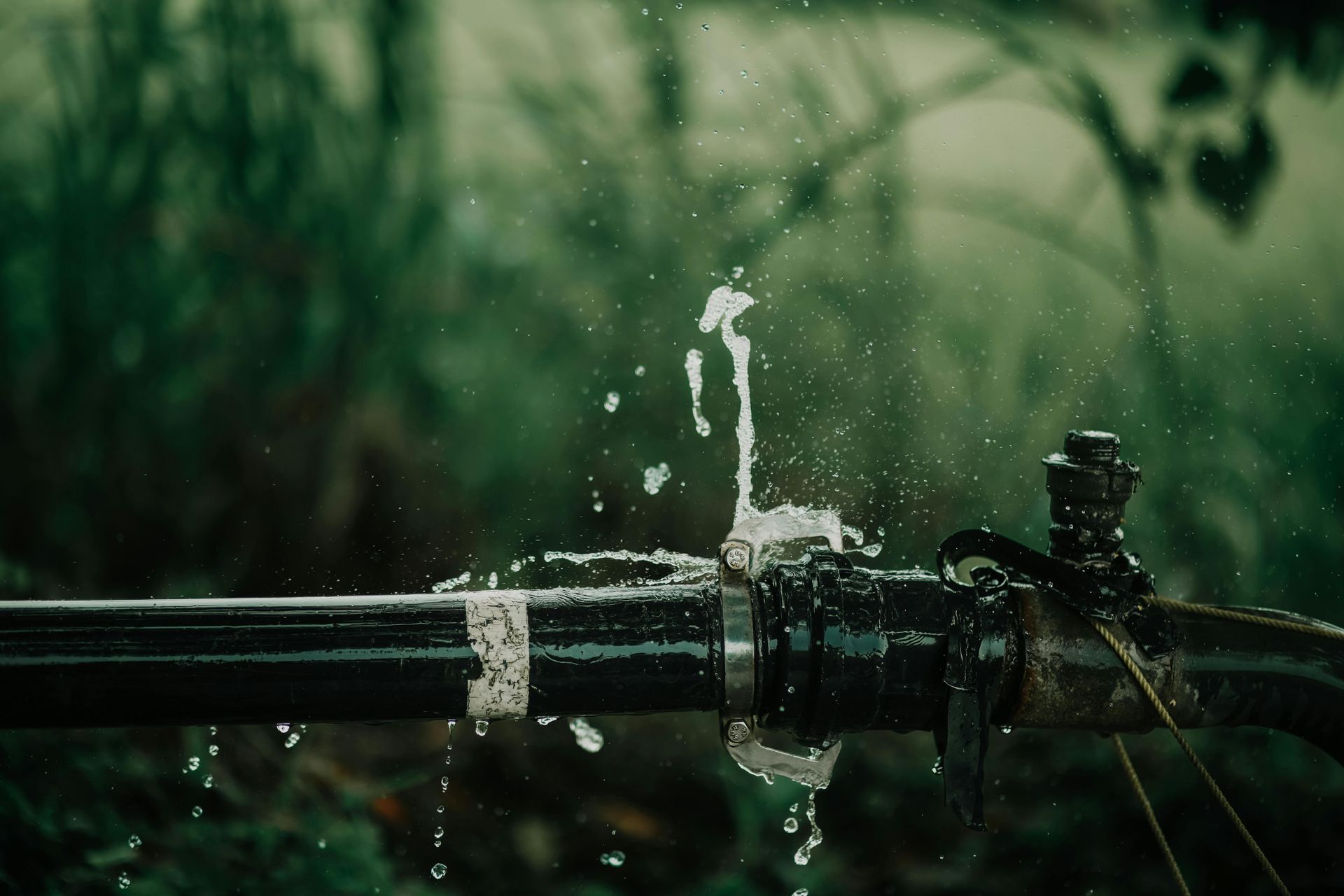
Leak isolation techniques during new construction testing are essential for identifying leak locations, preventing water damage to unfinished construction, and verifying system integrity before closing walls. During pressure testing of water supply lines, the entire system or individual sections are pressurized to specified levels, typically fifty to one hundred psi, and monitored for pressure drops that indicate leaks. When pressure drops are detected, technicians isolate sections by closing access valves at branch lines or individual fixture connections, then retest isolated sections to narrow down the leak location. For complex systems with multiple branches, technicians may isolate individual runs systematically until the leaking section is identified. Once isolated, the leak location is found through visual inspection of joints and fittings, acoustic leak detection, or by applying soap solution to joints and observing for bubbles. For drain line testing, plugs are inserted at cleanouts or fixture drains, sections are filled with water, and water level is monitored for drops indicating leaks. Effective leak isolation not only identifies leak locations but also prevents extensive water damage to framing, insulation, and finishes that would require costly remediation if leaks went undetected until after walls were closed. Proper isolation and testing ensure system integrity before proceeding with construction.
Temporary Patching Methods During Construction Deficiency Correction
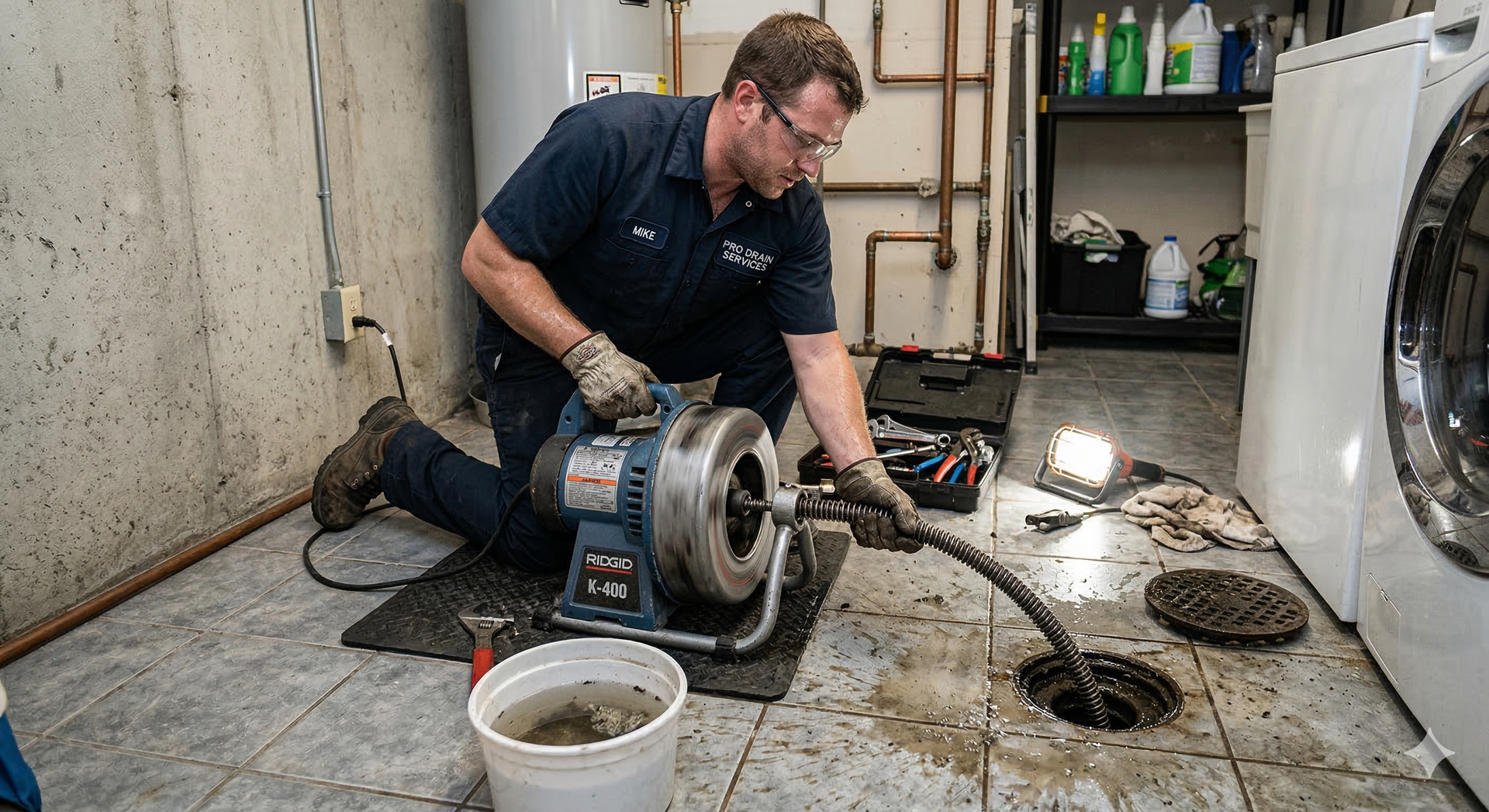
Temporary patching methods during construction deficiency correction provide immediate fixes for minor issues while permanent repairs are prepared, though permanent corrections are required before final inspection and occupancy. For minor pinhole leaks in copper pipes discovered during pressure testing, copper repair tape or epoxy putty may temporarily seal the leak, though permanent repair typically involves cutting out and replacing the damaged section to ensure lasting reliability. For loose fittings that are leaking, tightening connections may temporarily stop leaks, though permanent correction requires proper disassembly, cleaning, and reinstallation with proper technique. For minor drain line leaks at joints, applying waterproof epoxy or replacing gaskets may provide temporary relief, though permanent repair typically involves proper disassembly and reinstallation with correct slope and connections. These temporary measures are particularly useful for maintaining construction schedules while organizing permanent repairs, but they must be followed by proper permanent corrections before final inspection. In most cases, particularly when deficiencies involve code violations, improper installations, or significant damage, temporary patches are not acceptable, and complete repair or replacement is required. Understanding how plumbers test pressure after drain cleaning helps ensure that temporary patches hold during testing and that permanent repairs meet code requirements before final inspection.
Long-Term Maintenance Implications of Proper Inspection
Proper plumbing inspection during new construction has significant long-term maintenance implications, as correctly installed systems require less maintenance, experience fewer failures, and provide reliable service for decades. Systems installed to code with proper pipe sizing, correct slope, adequate support spacing, and proper vent connections operate efficiently without stress points that lead to premature failures. Properly installed water with proper clearances, ventilation, and safety devices operate safely and efficiently, requiring less frequent maintenance and having longer lifespans. Correctly installed fixtures with proper connections and access points are easier to maintain and repair when needed, reducing long-term maintenance costs. Inspection-verified systems prevent problems such as leaks that cause mold growth and structural damage, pressure imbalances that stress pipes and fixtures, inadequate drainage that causes backups, and safety hazards such as gas leaks or scalding from improperly set water heaters. Documentation from proper inspections provides homeowners and future contractors with records of system configuration, component locations, and compliance verification, facilitating future maintenance and repairs. Investing in thorough inspection during construction pays dividends through reduced maintenance costs, fewer emergencies, longer system lifespan, and peace of mind for building occupants.
Documentation and Certification Requirements
Documentation and certification requirements are critical components of the plumbing inspection process, providing legal proof of compliance, facilitating future maintenance and repairs, and satisfying building permit and occupancy requirements. Inspection reports document all deficiencies identified during each inspection stage, corrections made, and reinspection results, creating a comprehensive record of system installation quality. Pressure test certificates verify that water supply lines and gas lines were tested at specified pressures and passed without leaks, providing assurance of system integrity. Final inspection certificates confirm that all plumbing components were installed correctly, comply with code requirements, and are ready for occupancy. These documents are required for obtaining certificates of occupancy, closing building permits, completing construction loan drawdowns, and providing documentation for future home sales. Documentation also includes as-built drawings showing pipe locations, valve locations, fixture locations, and system configuration, which facilitate future maintenance, renovations, and emergency repairs. Proper documentation protects builders from liability, provides homeowners with proof of proper installation, and ensures continuity of information as buildings change hands over time.
When Professional Plumbing Services Are Required for Inspection Remediation
Knowing when professional plumbing services are required for inspection remediation ensures deficiencies are corrected properly, reinspection is passed, and construction proceeds without delays. Professional assistance is necessary when deficiencies involve code violations requiring expert knowledge to correct, when pipe repairs require soldering, solvent welding, or specialized techniques beyond general contractor capabilities, when water heater installation requires proper gas or electrical connections and safety device installation, when pressure testing requires specialized equipment and expertise, when drain line repairs require excavation or regrading to achieve proper slope, when gas line repairs require licensed gas fitters, or when deficiencies are extensive and require comprehensive system redesign. Professional plumbers have specialized equipment including pressure testing devices, leak detection equipment, pipe locators, and proper installation tools that enable accurate diagnosis and effective repair. They also possess the expertise to identify complex issues, interpret code requirements correctly, and implement solutions that pass reinspection. Delaying professional intervention when required allows construction delays to accumulate, increases costs as deficiencies compound, and risks failing multiple reinspection attempts. Recognizing when professional plumbing services are necessary ensures efficient remediation, successful reinspection, and timely project completion.
Conclusion
The role of a plumbing inspector in new construction is essential for ensuring that plumbing systems are installed correctly, comply with building codes, and function safely and efficiently for the lifetime of the building. Through comprehensive inspections at rough-in, pressure test, and final stages, inspectors verify code compliance, identify deficiencies, and ensure that all water supply lines, drain-waste-vent systems, fixtures, water heaters, and gas lines meet safety and performance standards before walls are closed and occupants move in. The professional repair process, leak isolation techniques, and temporary patching methods provide tools for addressing deficiencies effectively, while understanding how plumbers test pressure after drain cleaning ensures thorough verification of system integrity.
Long-term maintenance implications of proper inspection are significant, as correctly installed systems require less maintenance, experience fewer failures, and provide reliable service for decades. Documentation and certification from proper inspections provide legal proof of compliance, facilitate future maintenance and repairs, and satisfy building permit and occupancy requirements. By cooperating with plumbing inspectors, addressing deficiencies promptly, employing professional plumbing services when required, and maintaining systems properly after construction, builders and homeowners ensure safe, compliant, and reliable plumbing systems that protect public health, prevent costly damage, and provide peace of mind for years to come.