Emergency Services For A Burst Waterline And Tools Used
A burst waterline is one of the most urgent plumbing emergencies a home or business can face, capable of flooding a basement, soaking walls and floors, and even threatening structural integrity within hours. When a break occurs, the priority shifts instantly from convenience to crisis management: stopping the flow, containing the damage, and restoring service without unnecessary tearing up of property. Emergency services for a burst waterline combine rapid response, precise diagnostics, and a specialized toolkit to turn a chaotic situation into a controlled, repairable problem. Professional teams trained in waterline repair and replacement are essential in minimizing both property loss and long‑term disruption.
Recognizing a burst waterline emergency
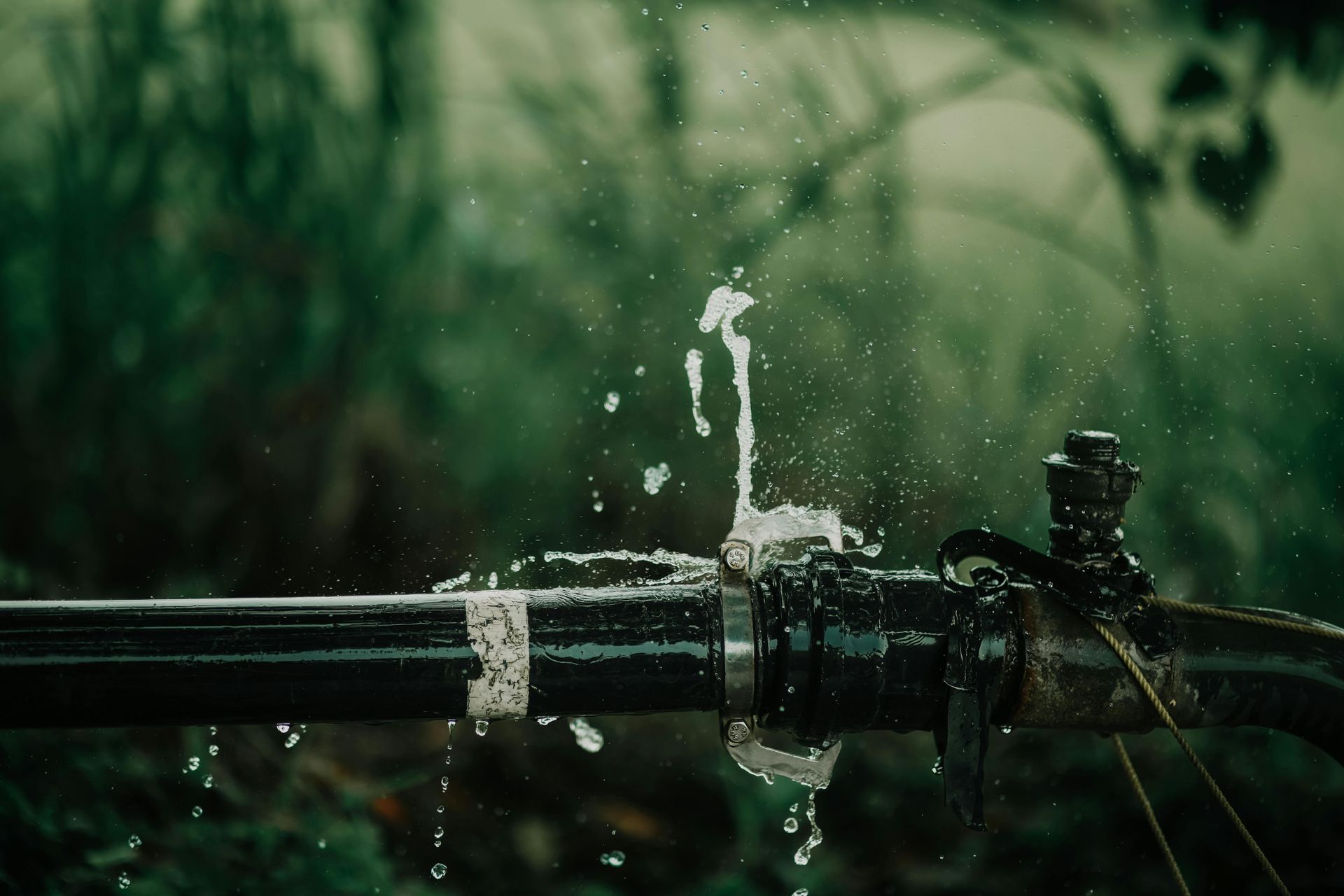
The first step in any emergency response is knowing when a situation qualifies as a true waterline emergency. A sudden rush of water from a wall, floor, or crawlspace, accompanied by a sharp drop in water pressure or a constant hissing sound, usually indicates a rupture in the main supply line. In some cases, the leak is not immediately visible, but unusually high water bills, unexplained dampness, or shifting soil around the foundation can hint at a hidden burst. Because municipal water lines operate under significant pressure, even a small break can release thousands of gallons in a short time, eroding soil, damaging foundations, and infiltrating electrical systems.
Professional emergency services are built around this understanding, offering 24/7 availability so that specialized crews can reach the site within a tight window after the call. When a homeowner shuts off the main valve and still sees indicators of flow or hears underground noise, sending for help becomes non‑negotiable. Prompt action in these situations helps prevent mold growth, structural weakening, and costly secondary repairs, which is why plumbing services save homes by responding quickly and decisively at the first sign of trouble.
The first steps: safety, isolation, and containment
Before any tools come out, the responding technician follows a strict safety protocol. The main water shut‑off valve is located and turned off immediately to stop the flow of water into the breached section. If the break is near electrical panels, outlets, or appliances, power to the affected area is also disconnected or flipped off at the breaker box to prevent electrocution and short circuits. This dual isolation of water and electricity is a cornerstone of modern emergency plumbing response and protects both the occupants and the technicians.
Once the water is stopped, the crew begins containing the existing flood. Pumps, wet‑dry vacuums, and absorbent materials are used to remove standing water from basements, crawlspaces, or utility rooms. Nearby furniture, rugs, and valuables are moved away from the wet zone to limit further damage. In commercial or multi‑unit buildings, barriers or temporary rerouting of foot traffic may be implemented to keep the area safe while work proceeds. At this stage, the focus is not yet on fixing the pipe itself but on stabilizing the environment so that repairs can be carried out safely and effectively.
Locating the exact break point
With flooding under control, the next challenge is pinpointing exactly where along the waterline the burst has occurred. In older homes or buildings with long, buried supply lines, the break may be far from the nearest visible pipe or fitting. Technicians start by reviewing the property’s layout, checking where the water enters the building and following the logical path of the main line. They may also inspect the water meter; if the meter continues to register flow even after all fixtures are shut off, the leak is somewhere upstream of those fixtures.
To narrow down the location, plumbers use a combination of visual inspection and specialized equipment. Acoustic leak detectors with sensitive microphones can pick up the sound of water escaping through soil or concrete, allowing technicians to “walk the line” and listen for changes in pitch or intensity. In slab‑on‑grade foundations, thermal imaging cameras can reveal cool spots where water is seeping into the slab or underlying soil. These diagnostic steps ensure that excavation and repairs are targeted, reducing unnecessary damage to flooring, landscaping, and utilities.
Excavation and exposure of the burst line
Once the break is triangulated, controlled excavation begins. The goal is to expose the damaged section of the waterline with minimal disruption to surrounding structures. For lines buried beneath lawns, driveways, or sidewalks, technicians use handheld jackhammers, compact trenchers, or even hydro‑vac systems that combine pressurized water and vacuum suction to remove soil precisely. In interiors, small core holes or access panels may be cut into walls or floors to reach the pipe without demolishing large sections.
During excavation, the crew pays close attention to neighboring utilities such as gas lines, electrical conduits, and sewer pipes. Marking tape or utility locators are often used to ensure that digging does not create secondary hazards. When the burst section is finally exposed, the technician can visually inspect the damage, noting whether it is a clean break, a crack, or a corroded weakened area. This assessment informs the repair strategy and helps determine whether the entire run needs to be replaced or whether a localized fix will suffice.
Common causes and contributing factors
Understanding what caused the burst is as important as sealing it, because overlooking the root issue can lead to recurrent emergencies. In many cases, the culprit is age and material fatigue; older galvanized steel or cast iron lines develop internal corrosion and thinning walls, making them prone to rupture under normal pressure. In colder climates, freezing water expands inside the pipe, creating stress cracks that burst when the ice thaws and pressure returns.
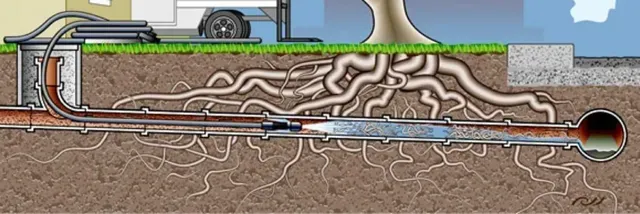
Other common causes include external damage from shifting soil, tree roots, or nearby construction activity, which can crush or bend pipes over time. Excessive water pressure, often due to malfunctioning regulators or municipal system fluctuations, can also stress joints and weak spots beyond their design limits. In some instances, improper installation or poor slope in buried lines creates pooling and accelerated wear. By documenting these factors, emergency plumbers can advise on long‑term upgrades and preventive measures such as pressure reducers, insulation, or full‑line replacement.
Essential tools used in burst waterline response
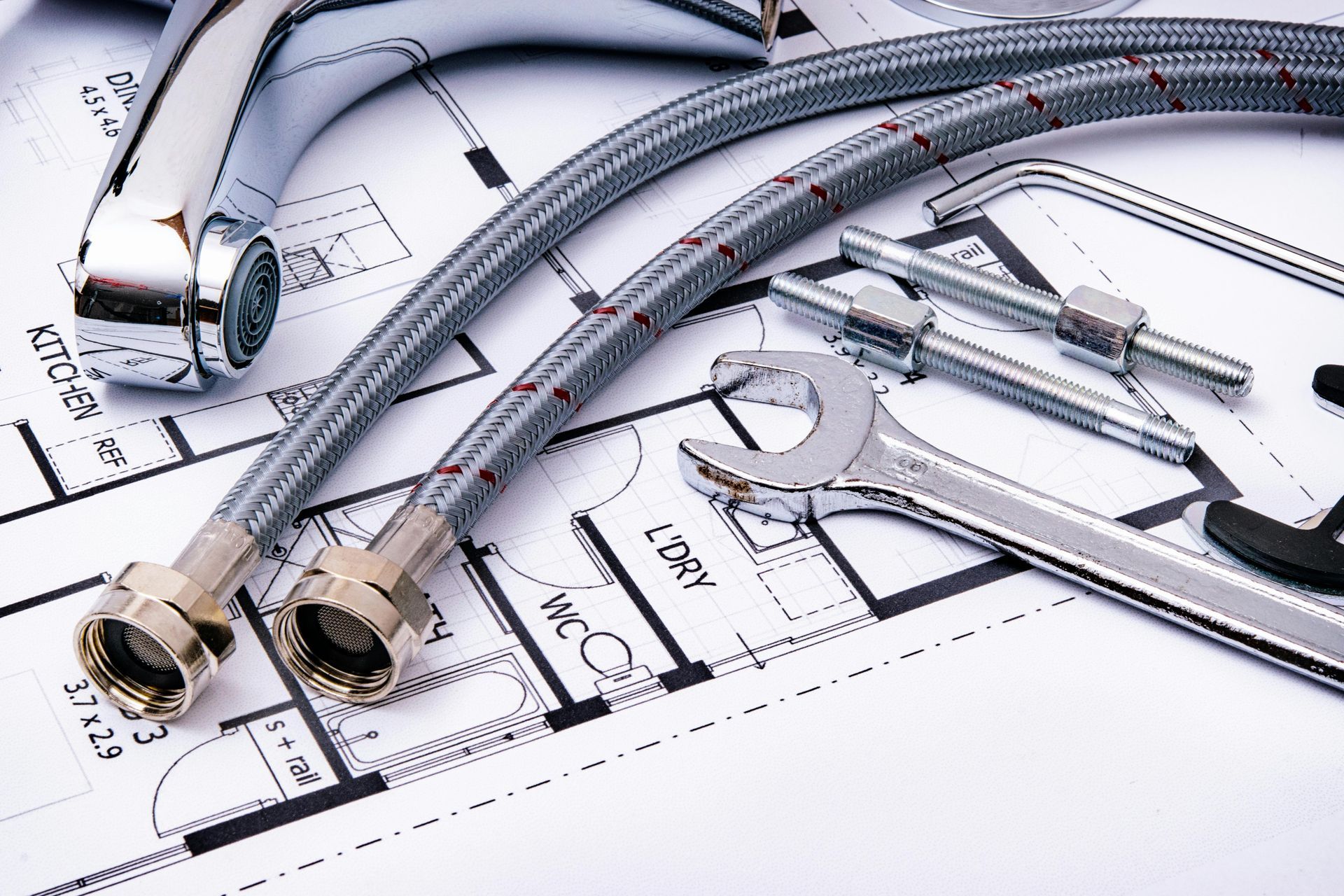
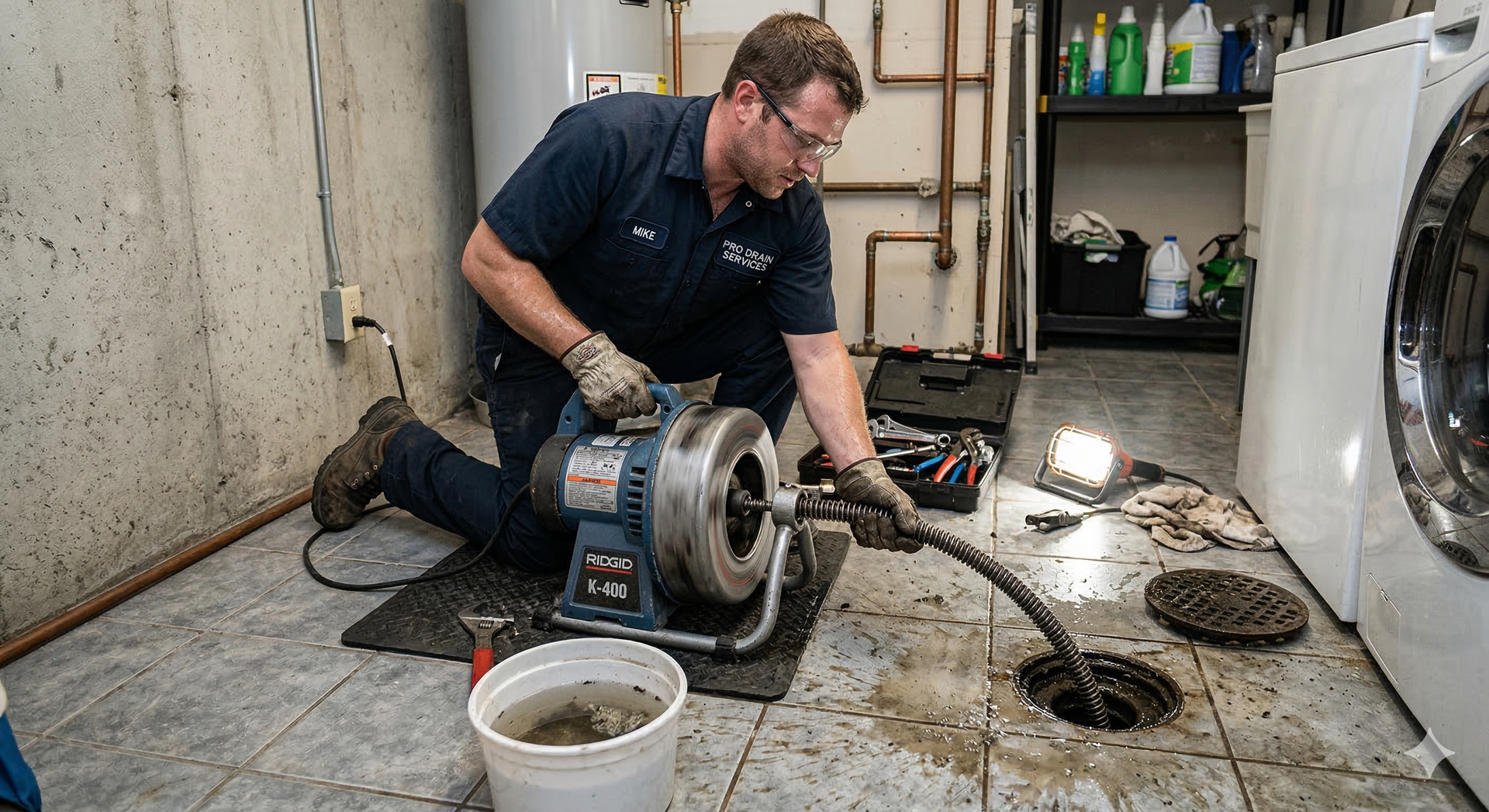
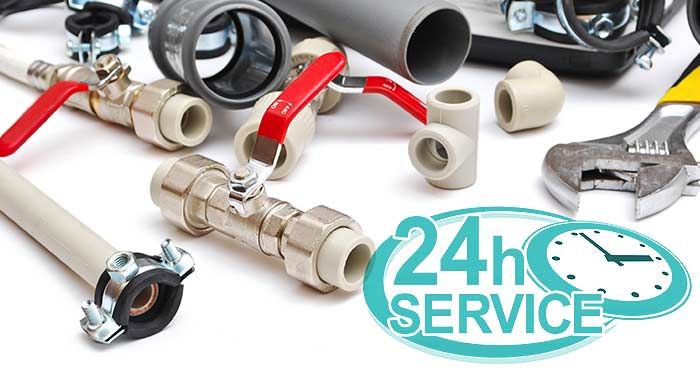
Emergency crews carry a carefully curated set of tools designed specifically for breaking, repairing, and rebuilding pressurized waterlines. Basic but critical items include pipe wrenches, adjustable wrenches, and socket sets for loosening and tightening couplings, valves, and fittings. Pipe cutters and hacksaws allow technicians to cleanly remove damaged sections, while pipe deburring tools ensure smooth, leak‑free mating surfaces for new joints. Teflon tape, pipe dope, and compression fittings are used to create tight, pressure‑resistant seals on threaded connections.
For testing and verification, pressure gauges and test plugs are indispensable. After a repair, the line is temporarily isolated and pressurized to check for leaks, ensuring that the fix will hold under normal operating conditions. Where the line is deeply buried or runs under driveways, specialized tools such as water‑line slitters or bursting tools can be used to fracture the old pipe and pull a new one through the same trench, avoiding extensive excavation. In some high‑pressure scenarios, temporary bypass systems may be rigged to keep water flowing to critical areas while the main line is being repaired.
Temporary shutoffs and bypass solutions
While the permanent repair is being planned or staged, technicians may install temporary shutoffs or even bypass lines to maintain partial service. A temporary valve can be clamped around the damaged section to isolate the break without fully cutting off the main supply, allowing essential fixtures to remain operational. In large buildings or complexes, a temporary bypass line made of flexible hose or temporary piping can be routed around the repair zone, keeping water available to key areas such as restrooms or kitchens.
These interim measures are not long‑term solutions but serve as stabilizing bridges while the ideal repair path is followed. They also buy time for detailed diagnostics, material procurement, and coordination with building managers or homeowners. During this phase, the crew continuously monitors pressure and flow to ensure that the temporary setup does not create new weak points or over‑stress other parts of the system.
Permanent waterline repair and replacement
Once the environment is dry, the break is fully exposed, and all contributing factors understood, the permanent phase of waterline repair and replacement begins. For minor cracks or localized corrosion, a section of the pipe may be cut out and replaced with a new spool of matching material—copper, PEX, PVC, or HDPE—using appropriate joining methods such as soldering, crimp rings, or glue fittings. Threaded couplings or compression fittings are then used to reconnect the line to the surrounding system, with multiple pressure tests to confirm the integrity of each joint.
In cases where the entire main line is aged, undersized, or repeatedly problematic, a full replacement is recommended. Modern materials like cross‑linked polyethylene (PEX) or high‑density polyethylene (HDPE) offer superior flexibility, corrosion resistance, and longevity, especially for buried runs. Techniques such as trenchless pipe bursting or water‑line slitting can replace long sections of pipe with minimal surface disruption, preserving landscaping and hardscaping. This level of thorough waterline repair and replacement not only fixes the immediate failure but also reduces the likelihood of future emergencies.
Coordination with restoration and insurance
Even after the waterline is sealed and pressure restored, the work is not truly finished until the aftermath is addressed. Emergency plumbers often coordinate with restoration specialists who handle drying, mold remediation, and structural repairs. Moisture meters, air movers, and dehumidifiers are used to bring affected areas back to safe humidity levels, preventing long‑term damage that is often invisible at first glance.
In many cases, the homeowner’s insurance policy covers at least part of the cost of emergency repairs and associated water damage. Professional emergency services teams provide detailed documentation, including before‑and‑after photos, repair reports, and pressure‑test results, which can support insurance claims. This documentation also helps the homeowner understand the scope of work performed and the reasons for selected repair strategies. When plumbing services save homes, they do more than turn off a pipe; they act as a single point of coordination between the utility, the homeowner, and the insurers.
Preventive measures and long‑term protection
After the crisis is over, the focus shifts from emergency response to prevention. Technicians may recommend installing a pressure‑reducing valve or expansion tank if high water pressure contributed to the burst. In cold climates, adding or upgrading pipe insulation, heat tape, or cabinet insulation around vulnerable sections can reduce the risk of freezing events. For older lines, a scheduled inspection and eventual scheduled replacement are often the most cost‑effective long‑term strategy.
Some homeowners choose to install leak detection systems or smart water meters that can automatically shut off the main supply when abnormal flow is detected. These devices can be integrated with home automation systems to send alerts to mobile devices, allowing rapid intervention even when the property is not occupied. When combined with professional emergency services that are available around the clock, these measures form a robust defense against future waterline failures.
The role of professional emergency services
Companies specializing in emergency plumbing, such as All City Plumbers, structure their operations around the unpredictability of waterline emergencies. Their teams are equipped with the right tools, vehicles, and training to respond quickly, assess complex underground systems, and execute repairs without guesswork. Dispatchers prioritize calls based on potential damage, sending more experienced technicians to incidents that involve buried mains, slab foundations, or multi‑family dwellings.
These services are not merely reactive; they are part of a broader strategy to protect homes, businesses, and infrastructure. By combining rapid arrival, precise diagnostics, and durable repair methods, emergency plumbers ensure that a burst waterline becomes a manageable incident rather than a catastrophe. The confidence that professional plumbing services save homes comes from seeing flooded basements dried, cracked pipes replaced, and normal water service restored within hours rather than days.
Conclusion
A burst waterline requires a swift, systematic emergency response that begins with immediate safety actions—such as shutting off the main supply, isolating affected zones, and mitigating active flooding—and ends with a durable, long-lasting repair. Professional emergency services bring specialized tools, deep technical knowledge, and a disciplined, step-by-step approach to every call, ensuring that breaks are located quickly and addressed with precision. Using advanced diagnostics like acoustic sensors, pressure testing, and sometimes video inspection, technicians can accurately assess both the visible damage and any hidden weaknesses within the system.
Whether the job involves a small crack in a household line or a major rupture in a buried main, the combination of rapid response, accurate fault detection, and modern waterline repair and replacement techniques plays a critical role in preserving property and preventing cascading failures. Just as important, experienced teams evaluate contributing factors—such as pipe age, soil conditions, temperature fluctuations, and pressure irregularities—to reduce the likelihood of recurrence. Through careful planning, coordinated execution, and ongoing preventive maintenance, emergency plumbing teams turn a moment of crisis into an opportunity to reinforce system resilience and ensure long-term protection.