How A Plumber Diagnoses A Sudden Waterline Leak?
Waterline leaks represent one of the most disruptive plumbing emergencies homeowners face, often striking without warning and causing extensive damage if not addressed swiftly. These leaks typically occur in the main water supply line that delivers fresh water from the municipal source or well to your home's internal plumbing system. A sudden rupture can stem from various factors, such as corrosion in older galvanized pipes, physical damage from shifting foundations or tree roots, excessive water pressure, or even freezing temperatures that expand and crack pipes. The result is often a gushing flood, pooling water, or mysteriously high water bills, signaling that immediate action is essential.
Plumbers approach these incidents with a systematic mindset, recognizing that water moves quickly and invisibly through walls, floors, and foundations. What starts as a minor drip can escalate into structural damage, mold growth, and electrical hazards within hours. Professional intervention not only stops the flow but also prevents long-term costly repairs. Homeowners might notice symptoms like damp spots on walls, hissing sounds from pipes, or a sudden drop in household water pressure, prompting the need for expert diagnosis.
Initial Assessment: Listening to the Home's Symptoms
The diagnostic process begins the moment a plumber arrives on site, starting with a thorough visual and auditory inspection of the affected area. They walk through the property methodically, scanning for obvious signs of water escape—such as wet carpeting, discolored drywall, or bubbling paint—that indicate where the leak might originate. This step is crucial because water follows gravity and seeks the path of least resistance, often traveling far from the actual breach before surfacing.
Experienced plumbers also listen intently for telltale sounds: a steady hiss suggests high-pressure leakage, while gurgling noises might point to air trapped in the line due to a partial rupture. They check the water meter's shutoff valve and dial; if the meter is spinning rapidly with all household water turned off, it confirms an active leak somewhere in the system. This initial assessment helps prioritize the situation, determining whether it's a pinhole leak or a full-blown burst, and sets the stage for more targeted investigation without unnecessary disruption.
Shutting Off the Water Supply Safely
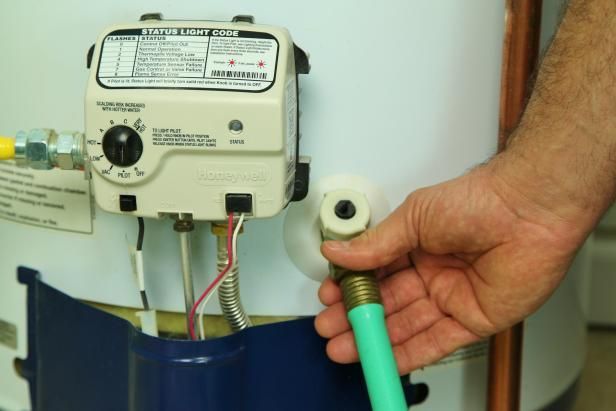
Before any invasive diagnostics, safety comes first: the plumber locates and shuts off the main water supply valve, typically found near the water meter, in the basement, or outside by the curb. This immediate action halts the flow, minimizing further damage and allowing for a controlled environment. They then drain residual water from the system by opening faucets and flushing toilets, ensuring no pressure builds up during inspection.
This step is non-negotiable, as working on a pressurized line risks injury or worsening the leak. All City Plumbers emphasize this protocol in their training, ensuring technicians carry the right tools—like pipe wrenches and valve keys—to handle various valve types without stripping them. Once isolated, the plumber can inspect without the chaos of spraying water, buying time to assess the full extent of the issue.
Visual and Tactile Inspection of Pipes and Fittings
With the water off, the plumber conducts a hands-on examination of exposed pipes, joints, and fittings along the waterline path. They trace the line from the entry point into the home, checking for visible cracks, corrosion, or loose connections that could be the culprit. Older homes with lead, copper, or galvanized steel pipes are particularly prone to pitting and scaling, which weaken the material over time.
Using a flashlight and mirror, they peer into tight spaces like crawlspaces or behind appliances, feeling for dampness or temperature differences along the pipe surface—cool spots often indicate ongoing seepage. Fittings such as elbows, tees, and couplings receive extra scrutiny, as these are common failure points due to vibration or improper installation. This tactile approach reveals subtleties that photos or reports miss, building a mental map of potential weak links.
Pressure Testing for Hidden Leaks
To uncover leaks invisible to the eye, plumbers deploy pressure testing, a cornerstone of accurate diagnosis. They reconnect the water supply temporarily but cap off all household outlets, then use a specialized pressure gauge and air compressor to pressurize the line to a controlled level, often around 60-80 PSI, mimicking normal household flow. Any drop in pressure over 15-30 minutes pinpoints a leak's presence and severity.
Interpreting the results requires expertise: a slow decline might indicate a small pinhole, while a rapid plunge suggests a major breach. Technicians note the exact pressure loss rate and retest isolated sections by valving off branches of the system. This methodical isolation narrows down the problem area, saving time and avoiding exploratory demolition. Emergency services like those from skilled teams ensure this is done efficiently, even in the dead of night.
Advanced Detection with Acoustic and Thermal Tools
When leaks lurk behind walls or underground, plumbers turn to high-tech tools for precision. Acoustic leak detectors, handheld devices with sensitive microphones, amplify underground vibrations and hissing sounds from escaping water, allowing technicians to "hear" the leak through soil or concrete. They walk the suspected line, marking spots where the noise peaks, often correlating with ground moisture.
Thermal imaging cameras provide another layer, scanning surfaces for temperature anomalies—leaking water cools surrounding materials, creating "cold plumes" visible as purple or blue hues on the infrared display. These tools shine in slab foundations or insulated walls, where traditional methods fall short. Combined with electronic line locators that trace the pipe's path via electromagnetic signals, plumbers map the exact leak location without guesswork, turning a crisis into a solvable puzzle.
Underground Leak Detection Techniques
For waterlines buried beneath lawns or driveways, diagnosis shifts to ground-penetrating methods. Plumbers start by inspecting the meter for unusual flow and excavating test holes at pressure test hotspots. Soil probes measure moisture levels along the line, while correlators—advanced acoustic devices—triangulate leak sounds between two sensors placed far apart, calculating the breach's position via sound travel time.
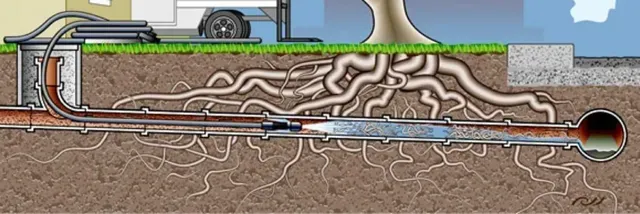
In severe cases, they use video pipe inspection cameras inserted through access points, snaking through the line to visually confirm ruptures, blockages, or root intrusions. These techniques minimize digging, preserving landscapes and reducing repair costs. Professional plumbing services save homes from the devastation of unchecked underground leaks, preserving foundations and preventing sinkholes.
Interpreting Findings and Planning Repairs
Once the leak is located, the plumber compiles all data—symptoms, test results, and tool readings—into a clear diagnosis. They explain the cause, such as a pressure surge from municipal work or material fatigue, and recommend solutions like epoxy lining for minor leaks or full pipe replacement with modern PEX or copper for longevity. Cost estimates factor in labor, materials, and any code compliance.
This phase includes checking for secondary issues, like water damage to nearby structures, and advising on prevention, such as installing pressure regulators or burst pipe alarms. Transparency builds trust, ensuring homeowners understand the fix.
Conclusion
Diagnosing a sudden waterline leak demands a blend of traditional know-how and cutting-edge technology, transforming what could become a costly disaster into a controlled and manageable resolution. Experienced plumbers combine foundational techniques—such as pressure testing, visual inspection, and sound-based detection—with advanced tools like thermal imaging cameras and electronic leak detectors to pinpoint the exact source with minimal disruption. By following this structured, methodical process—from immediate water shutdown and damage containment to precise identification and targeted repair—they not only safeguard the integrity of the property but also reduce downtime and unnecessary excavation.
Acting quickly and involving skilled professionals ensures that small leaks do not escalate into structural damage, mold growth, or extensive water loss. This proactive approach highlights the importance of reliable expertise in plumbing emergencies, where timely intervention can mean the difference between a simple fix and a major restoration project.