How to Choose a Reliable Emergency Plumbing Service?
Emergencies in the plumbing world strike without warning—a burst pipe flooding your kitchen at midnight, a backed-up sewer line overwhelming your drains, or a malfunctioning water heater leaving you without hot water during a family gathering. Choosing the right service provider in these high-stakes moments can mean the difference between a quick resolution and days of disruption, inflated repair bills, and extensive property damage. Reliable emergency services prioritize rapid response, technical expertise, and customer trust, ensuring that your home returns to normal with minimal stress. Homeowners often overlook the selection process until crisis hits, but preparing a shortlist of vetted professionals equips you to act decisively. By evaluating key criteria methodically, you align with providers who deliver quality under pressure, safeguarding your investment and well-being.
Verifying Licensing, Insurance, and Certifications
The foundation of any dependable plumbing service begins with proper credentials, which protect both you and the technician. Licensed plumbers undergo rigorous training, state exams, and continuing education to meet building codes, ensuring repairs comply with safety standards and avoid future liabilities. Insurance coverage, including general liability and workers' compensation, shields you from financial responsibility if accidents occur, such as incidental damage to floors or walls during a rushed job. Request proof of both upfront—reputable companies display licenses on their websites or vehicles and provide certificates without hesitation. Certifications from organizations like the American Society of Plumbing Engineers or manufacturer-specific training for fixtures add layers of assurance, particularly for complex interventions. Skipping this step risks hiring unqualified operators who may botch repairs, leading to recurring issues and voided warranties. Companies like All City Plumbers exemplify this standard, holding full licensure and robust insurance to instill confidence in every callout.
Assessing Availability and Response Times
True emergency services operate around the clock, as plumbing disasters ignore business hours. Seek providers offering 24/7 availability with guaranteed response times, ideally under an hour in urban areas, to contain issues like active floods before they escalate. During initial inquiries, ask about their dispatch protocols—do they maintain on-call rotations with fully stocked trucks, or rely on subcontractors who may delay? Geographic proximity matters; local teams arrive faster without travel surcharges, minimizing water loss measured in gallons per minute from gushing pipes. Track record speaks volumes—check if they publicize average response metrics or customer testimonials highlighting punctuality. In an era of smart scheduling apps, leading services provide real-time arrival estimates via text or GPS, keeping you informed amid chaos. This commitment to speed directly correlates with cost savings, as every delayed minute amplifies damage.
Evaluating Experience and Specialization
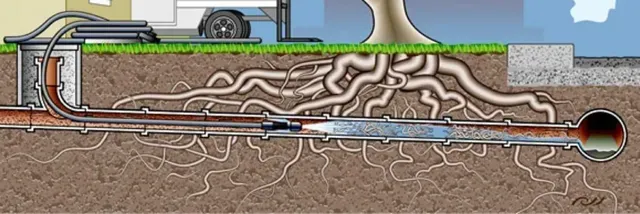
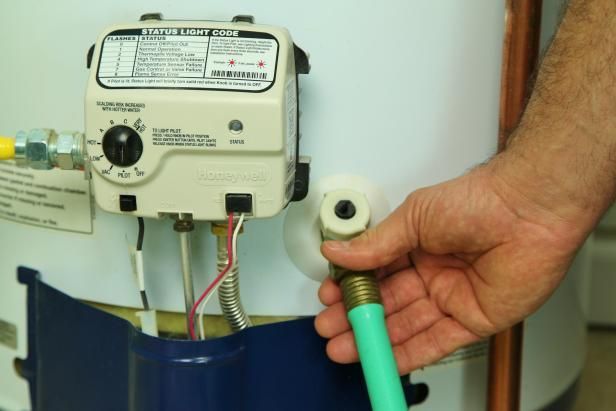
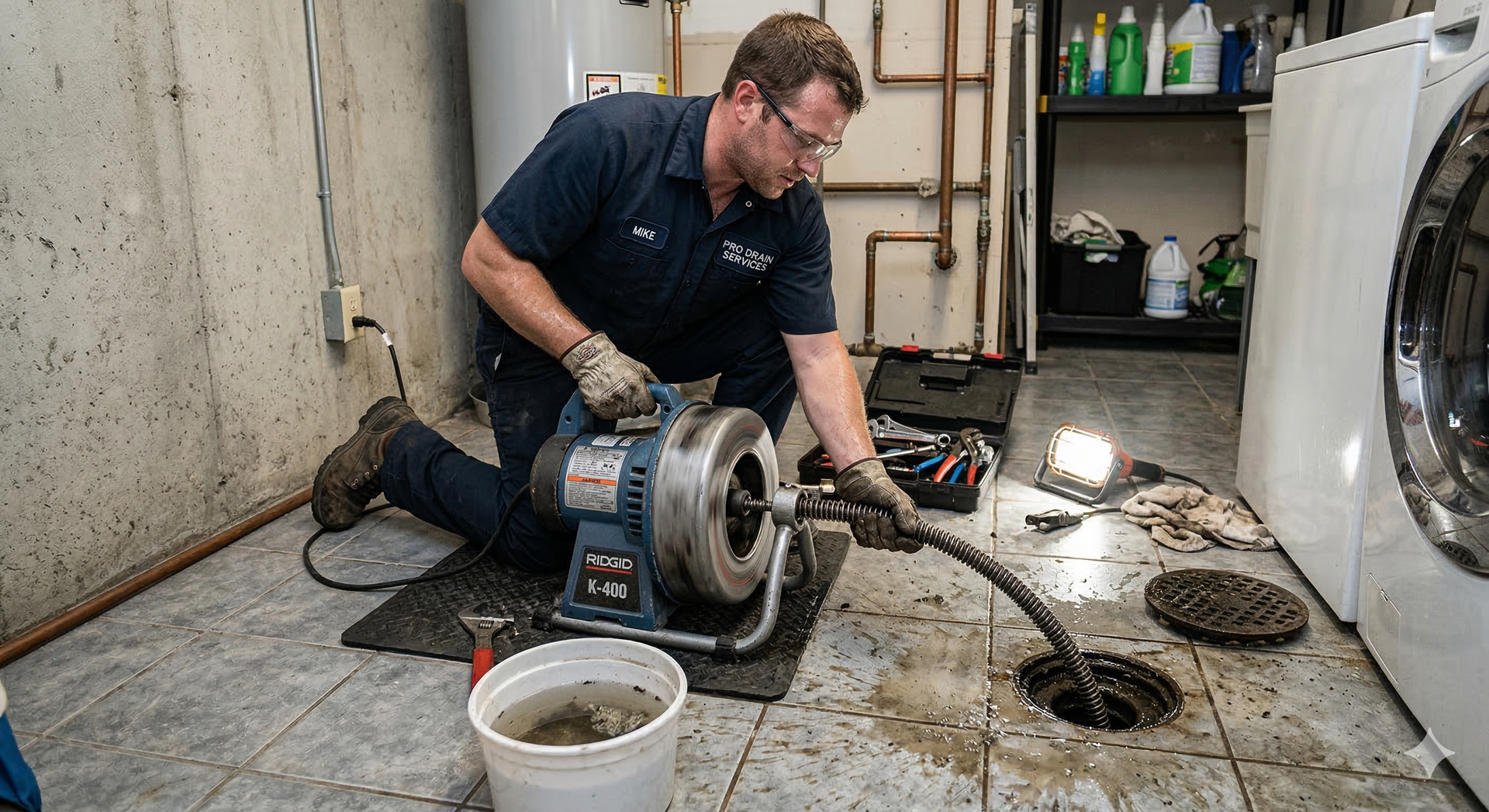
Depth of expertise turns a good plumber into an emergency hero, especially for nuanced problems requiring swift diagnosis. Prioritize companies with decades of collective team experience, including technicians versed in diverse systems from older galvanized pipes to modern PEX installations. Specialization counts—look for proven skills in high-pressure scenarios like sewer line breaks or gas line tie-ins, where hesitation invites hazards. Veteran teams carry diagnostic tools like video cameras for drain inspections and thermal imagers for leak detection, pinpointing issues without destructive probing. Inquire about their history with specific emergencies; for instance, expertise in water heater failures equips them to troubleshoot lukewarm shower water efficiently, restoring consistent temperatures without full replacements. Breadth of services, from drain clearing to full-system repipes, ensures one-stop solutions rather than piecemeal fixes. Experienced providers anticipate complications, averting secondary problems like mold from prolonged dampness.
Reviewing Customer Feedback and Reputation
Real-world performance shines through unbiased reviews on platforms like Google, Yelp, and the Better Business Bureau, where patterns emerge beyond polished marketing. Aim for consistent ratings above 4.5 stars across hundreds of reviews, focusing on emergency-specific feedback: Did they arrive promptly? Communicate clearly? Complete jobs thoroughly? Positive narratives about clean work areas, respectful staff, and fair pricing signal professionalism. Beware isolated raves amid complaints—scrutinize responses to negative experiences, as accountable companies address issues transparently. Word-of-mouth from neighbors or community forums adds local flavor, revealing service reliability in your neighborhood. A strong reputation reflects rigorous hiring, ongoing training, and customer-centric policies, fostering loyalty through repeat business and referrals. High-volume positive emergency services reviews confirm they thrive when it counts most.
Understanding Pricing Transparency and Contracts
Upfront, detailed pricing prevents sticker shock in vulnerable moments. Ethical providers offer flat-rate estimates post-inspection, itemizing labor, parts, and after-hours premiums without hidden fees for diagnostics or travel. Request written quotes via email before work begins, outlining scopes like pipe bursts or fixture swaps, and clarify overtime or material surcharges. Competitive emergency rates typically range from $150 to $400 per hour plus parts, but transparency trumps rock-bottom bids that signal corner-cutting. Avoid cash-only demands or pressure for immediate large deposits—legitimate firms accept cards, checks, or financing and provide invoices with warranties. Post-job contracts should detail guarantees, often 1-2 years on labor and lifetime on select parts, ensuring accountability. Transparent dealings build trust, aligning costs with value delivered.
Additional Considerations for Long-Term Partnership
Beyond the immediate crisis, seek partners offering preventive maintenance plans, follow-up inspections, and educational resources to extend system life. Eco-friendly options like water-efficient fixtures or low-flow conversions appeal for sustainability-minded homeowners. Fleet condition—modern, uniformed vans stocked with parts—hints at operational efficiency, reducing repeat visits. Membership in trade associations underscores industry commitment, while tech integration like online booking portals streamlines future needs. Evaluate post-service support: Do they offer 24/7 helplines for advice or priority scheduling for loyal clients? These elements transform one-off rescues into enduring relationships, fortifying your home against future emergencies.
Conclusion
In conclusion, selecting a reliable emergency plumbing service hinges on credentials, responsiveness, expertise, reputation, and fairness—criteria that collectively ensure competent, compassionate care when you need it most. By researching deliberately and prioritizing these factors, you secure not just a fix, but a trusted ally for your home's plumbing health. Act with this framework in place, and emergencies become manageable hurdles rather than overwhelming ordeals.