The Hidden Dangers of Neglected Plumbing Systems
Plumbing forms the unseen backbone of every home, quietly delivering clean water and whisking away waste—until it doesn't. Skipping annual inspections might seem like a harmless way to save a few bucks, but it invites a cascade of escalating problems. Small issues like mineral buildup, corrosion, or loose fittings go undetected, festering into major failures that disrupt daily life and drain your wallet. Over time, these oversights lead not just to repairs, but to water waste, health hazards, and plummeting property values. Professional evaluations catch these early, often preventing thousands in damages, yet many homeowners treat inspections as optional. Understanding the full scope of these costs reveals why proactive checks are a smart investment in longevity and peace of mind.
Immediate Repair Costs from Undetected Leaks
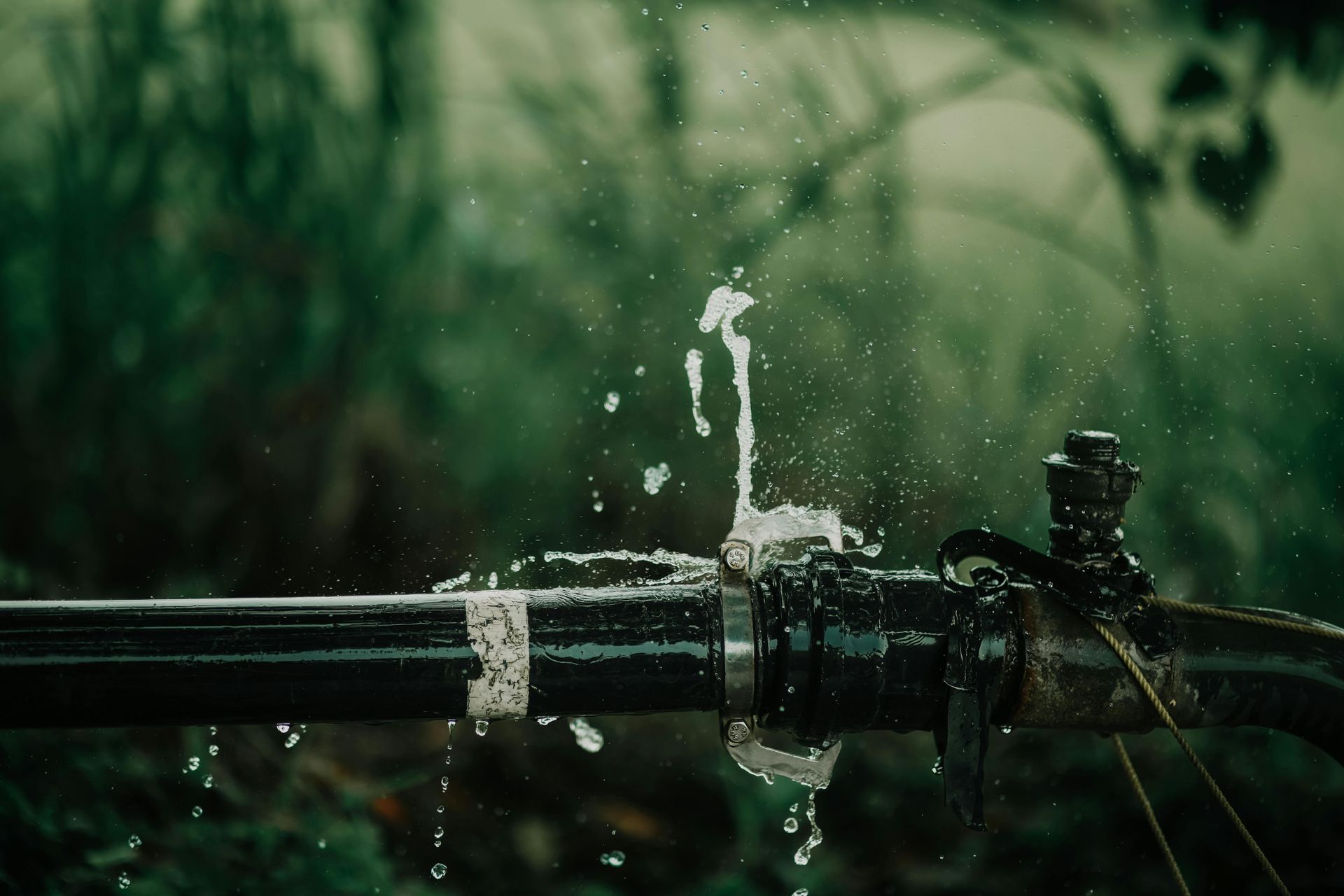
One of the most direct expenses arises from leaks that start small but balloon without inspection. A pinhole in a pipe or a worn washer might drip unnoticed for months, wasting hundreds of gallons daily and spiking your water bill by 10 to 20 percent. When it finally bursts, emergency repairs skyrocket—averaging $500 for minor fixes but climbing to $5,000 or more for wall-piercing floods. Water damage restoration adds layers of cost: drying equipment rentals, mold remediation at $2,000 to $6,000 per incident, and replacing soaked drywall or flooring. Services from All City Plumbers highlight how routine checks prevent these scenarios, identifying vulnerabilities before they turn catastrophic. The math is stark: one unchecked leak can cost more annually than a decade of inspections.
Long-Term Damage to Pipes and Fixtures
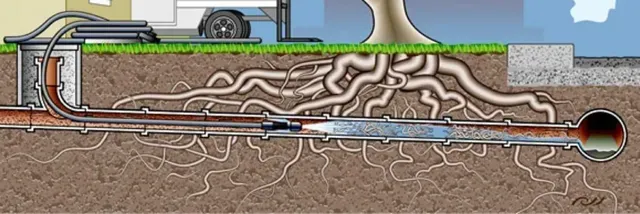
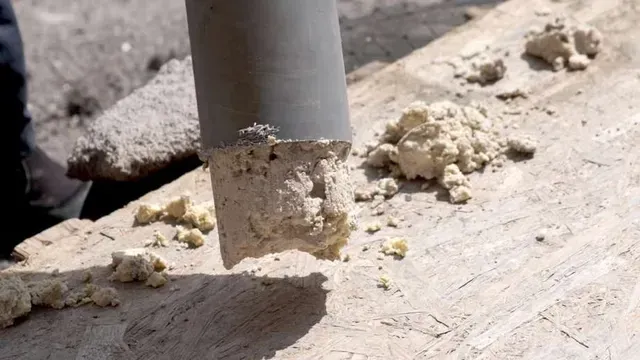
Neglect accelerates wear on your plumbing infrastructure, turning affordable maintenance into structural overhauls. Corrosion from hard water erodes copper lines, while tree roots infiltrate sewer lines, causing backups that inspections flag early. Replacing a full home's piping runs $8,000 to $15,000, far exceeding the $150 to $300 for an annual pro visit. Fixtures suffer too—clogged aerators or failing valves lead to inefficient flow, shortening appliance lifespans like water heaters, which fail prematurely at $1,000 to $3,000 replacement costs. Without inspections, these degrade silently, compounding into system-wide failures. Proactive scans using cameras and pressure tests preserve materials, delaying the need for invasive digs and repipes that disrupt your home for weeks.
Escalating Water and Energy Bills
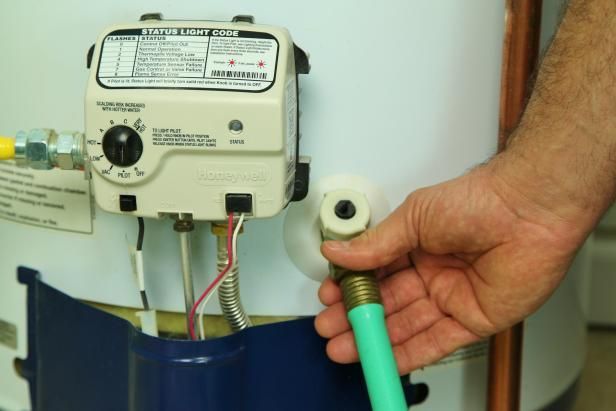
Invisible inefficiencies quietly inflate utility costs when inspections are skipped. Leaky toilets—responsible for 200 gallons wasted daily per household—go unflushed in metaphorical terms, adding $200 to $500 yearly to bills. Low-flow issues from scale buildup force pumps to work harder, hiking energy use by 15 percent. Hot water systems bear the brunt: sediment accumulation reduces efficiency, making your heater cycle endlessly and boosting electricity or gas bills. Learning to troubleshoot lukewarm shower water often reveals these culprits, like faulty dip tubes or anode rods, which inspections replace cheaply. Over five years, unchecked systems can waste $2,000 or more in utilities—money better spent on preventive care that optimizes flow and efficiency.
Health and Safety Risks You Can't Ignore
Beyond finances, skipping inspections courts health perils from contaminated water and backups. Stagnant lines breed bacteria like Legionella, linked to respiratory illnesses, while sewer gases from cracked vents seep indoors. Mold from chronic dampness triggers allergies and asthma, with remediation alone costing $1,500 to $5,000 plus medical bills. Safety hazards compound this: weakened pipes risk bursts near electrical wiring, posing shock or fire dangers. Insurance often denies claims tied to "preventable neglect," leaving you fully liable. Annual pros ensure water quality tests and vent integrity, safeguarding your family's well-being without the steep price of emergencies.
Impact on Property Value and Resale
Homebuyers scrutinize plumbing during inspections, and neglected systems scare them off or demand concessions. A flagged sewer line or outdated mains can slash offers by 5 to 10 percent—tens of thousands lost on a median home. Disclosure laws require revealing known issues, turning minor oversights into deal-breakers. Conversely, documented annual maintenance boosts appeal, proving diligence to appraisers and agents. Repiping or drain clearing during resale amplifies costs amid rushed timelines. Investing upfront preserves equity, making your property stand out in competitive markets.
Conclusion
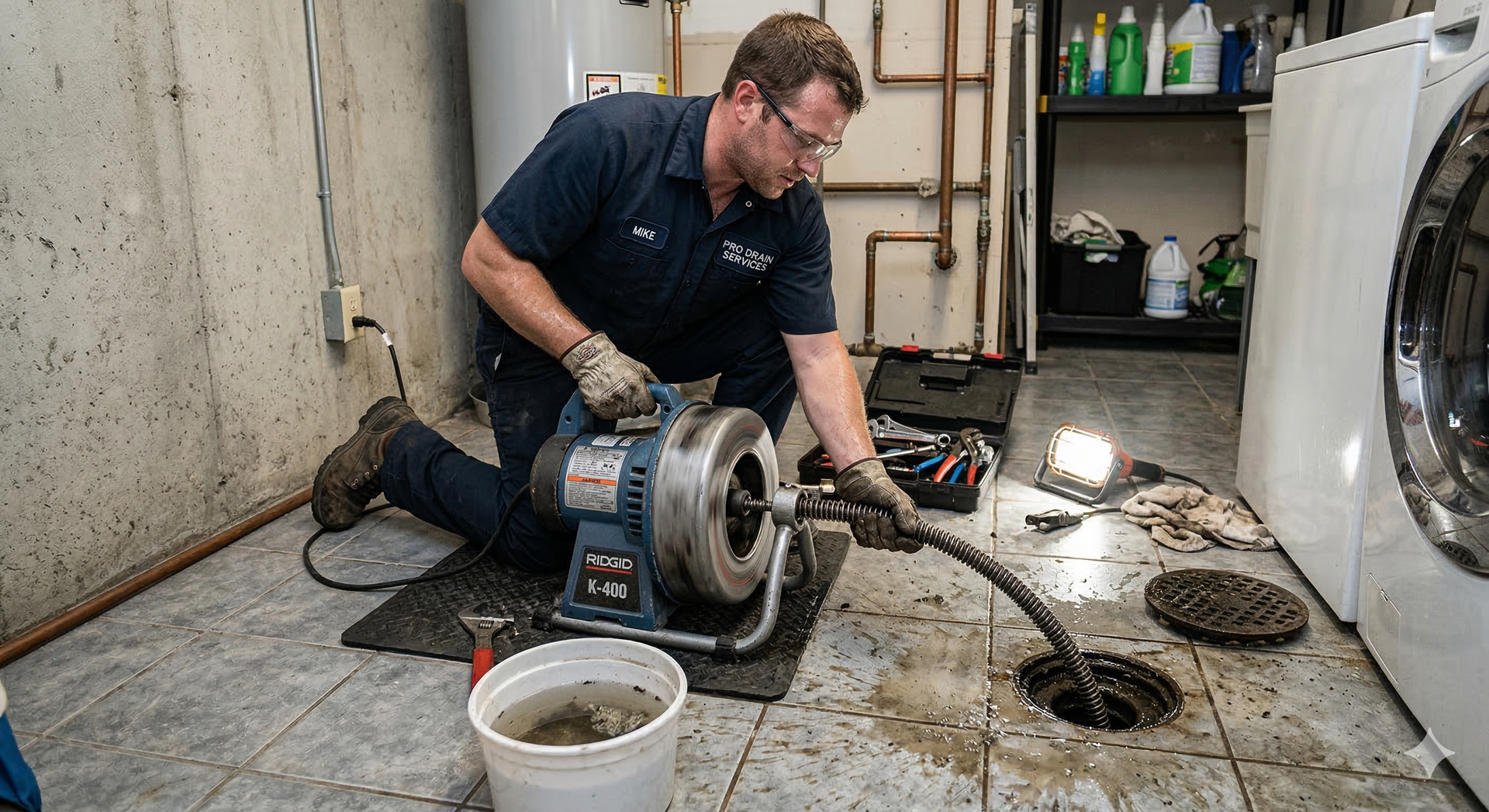
Annual checks by certified technicians deploy tools like video scopes for sewers, pressure gauges for lines, and thermal imaging for hidden leaks, uncovering issues invisible to the untrained eye. Costs average $200 to $400, often including minor adjustments like drain clearing to prevent clogs. Many firms bundle these with efficiency audits, spotting ways to cut bills immediately. Homeowners report ROI within one to two years through avoided repairs. Scheduling aligns with seasonal demands, minimizing disruptions.
In conclusion, the real cost of skipping annual plumbing inspections far outweighs their modest price tag, manifesting in repairs, utilities, health risks, and lost value that accumulate relentlessly. Embrace them as essential home stewardship, partnering with reliable experts to protect your investment and lifestyle. Your future self—and wallet—will thank you.