How Flood Sensors Help You Save Thousands in Repairs?
Water damage ranks among the most frequent and costly home disasters, often stemming from unnoticed leaks in plumbing systems, appliances, or fixtures that quietly escalate into floods. The average claim exceeds $10,000, covering not just repairs but also lost contents, mold remediation, and temporary relocation expenses. Flood sensors emerge as proactive guardians, detecting moisture at its onset to trigger alerts before minor drips become catastrophic deluges. These compact devices integrate seamlessly into modern homes, offering homeowners unprecedented control over hidden vulnerabilities. By enabling swift intervention, they transform potential financial ruin into manageable maintenance, preserving structural integrity and personal belongings alike.
How Flood Sensors Work to Detect Leaks Early
Flood sensors operate through sophisticated moisture-detection technology, typically employing conductive probes or capacitive sensing that complete a circuit upon water contact. Placed strategically near water sources, they monitor for even trace amounts of liquid, distinguishing between benign humidity and actual leaks via calibrated thresholds. Upon detection, wireless models transmit instant notifications via smartphone apps, email, or SMS, often with integration into smart home ecosystems like those from Amazon Alexa or Google Home for automated responses. Advanced units incorporate temperature and humidity sensors to predict risks such as pipe freezes, while some connect to automatic shut-off valves that halt water flow remotely. Battery-powered and low-maintenance, these devices require minimal setup—adhesive backing or clips secure them in place—yet deliver continuous vigilance, alerting you during vacations or overnight when risks peak. Their precision minimizes false alarms, ensuring reliability that builds user confidence over time.
Strategic Placement for Maximum Protection
Optimal sensor positioning maximizes their effectiveness across high-risk zones throughout your home. Under kitchen sinks and behind washing machines, where supply line failures commonly occur, sensors catch drips before they seep into subfloors. In basements and crawl spaces, they guard against sump pump overflows or groundwater intrusion, while bathroom placements near toilets and showers preempt fixture malfunctions. Water heaters demand dedicated coverage at bases and overflow pans, where slow leaks from corroded tanks often go unnoticed until rupture. For comprehensive coverage, deploy multiple units in a networked system, creating overlapping zones that account for water migration paths. Professional installation by teams like All City Plumbers ensures precise calibration and integration with existing plumbing, enhancing detection accuracy in complex layouts. Regular testing—simulated by a damp cloth—verifies functionality, adapting placements as appliances shift or renovations occur.
Real-World Savings Through Rapid Response
The financial upside of flood sensors manifests in dramatic reductions to repair bills, often slashing costs by 70 percent or more through early warnings. A midnight pipe burst might otherwise flood a 1,000-square-foot area, incurring $15,000 in extraction, drying, and reconstruction; sensor alerts allow containment within minutes, limiting damage to hundreds in cleanup. Insurance providers recognize this value, offering premium discounts up to 10 percent for equipped homes, compounding annual savings. Beyond floods, sensors prevent secondary perils like mold growth, which alone averages $3,000 to remediate, and electrical hazards from wet wiring. Case studies abound of owners averting tens of thousands by acting on app pings—shutting valves remotely or summoning emergency services before escalation. These devices pay for themselves within one prevented incident, delivering exponential returns through avoided disruptions and preserved equity.
Integration with Smart Home Systems and Appliances
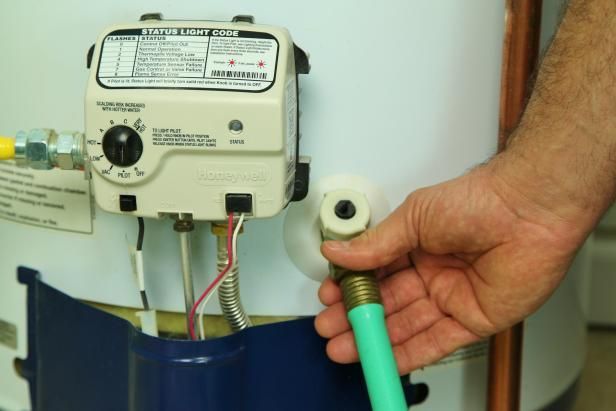
Modern flood sensors elevate protection via seamless smart home compatibility, linking to hubs that orchestrate responses beyond mere alerts. Paired with Wi-Fi shut-off valves, they automatically isolate water supplies upon detection, containing leaks without human input—ideal for unoccupied properties. Voice assistants announce warnings, while integrations with security cameras provide visual confirmation, streamlining verification. For appliances, sensors extend utility to dishwashers and refrigerators, where hose failures lurk; some models feature app-based diagnostics that pinpoint issues pre-failure. In water heater applications, continuous monitoring helps extend your water heater life beyond 12 years by flagging sediment buildup or anode rod wear early, prompting timely maintenance over premature replacement. This ecosystem approach fosters a resilient infrastructure, where sensors serve as the nerve center coordinating defenses against water threats.
Cost-Benefit Analysis and Long-Term Value
Initial investments in flood sensors range from $20 for basic standalone units to $200 for premium smart systems, with whole-home kits under $500 providing robust coverage. Compared to the $5,000 average for minor floods or $50,000 for major ones, the equation overwhelmingly favors prevention. Maintenance remains negligible—annual battery swaps and occasional firmware updates—while five-year lifespans ensure enduring performance. Bundled with professional monitoring subscriptions at $10 monthly, they offer 24/7 oversight akin to security systems. Long-term, they bolster property values by evidencing proactive risk management to appraisers and buyers. For businesses or multi-unit dwellings, scalable deployments yield even greater efficiencies, undercutting commercial insurance rates significantly.
Partnering with Professionals for Installation and Response
While DIY setups suit many, enlisting certified plumbers guarantees optimal deployment and ties into broader emergency services for comprehensive safeguarding. Experts assess your plumbing layout, customizing sensor arrays to vulnerabilities like aging galvanized pipes or high-pressure lines. Post-detection, their rapid dispatch handles repairs, minimizing downtime—critical when leaks threaten utilities or safety. Such partnerships provide peace of mind, blending technology with human expertise for layered defense. Training on system nuances ensures you leverage full features, from customizable alert sensitivities to historical data logs that inform preventive upgrades.
Conclusion
In conclusion, flood sensors represent a smart, accessible investment that averts thousands in repairs by empowering timely action against water damage. From early detection and smart integrations to professional enhancements, they fortify homes against inevitable plumbing risks, yielding savings, security, and serenity. Embrace this technology today to protect what matters most—your home, finances, and future.