Why Your Water Pressure Spikes After Plumbing Repairs?
Water pressure spikes after plumbing repairs often stem from restored flow dynamics and temporary imbalances in systems previously restricted by leaks or blockages. Understanding these causes empowers homeowners to monitor adjustments and prevent downstream issues like fixture strain or pipe fatigue.
Fluid Dynamics of Post-Repair Pressure Changes
Plumbing repairs frequently eliminate restrictions such as clogs, corroded valves, or leaking fittings that previously dissipated energy through turbulence or escape paths. With these resolved, water accelerates through unrestricted channels, elevating dynamic pressure at outlets by 20 to 50 PSI in severe cases. Bernoulli's principle explains this surge; narrowed sections upstream create velocity heads that convert to pressure downstream once cleared, mimicking a dam release. Air pockets displaced during repairs compress and expand erratically, injecting slugs that hammer fixtures intermittently. Sediment stirred from pipe walls during snaking or replacement settles unevenly, altering friction losses calculated by Darcy-Weisbach equations. These hydrodynamic shifts normalize over hours or days as systems repressurize, but initial spikes test solder joints and rubber seals unaccustomed to full municipal forces, often around 80 PSI at the meter.
Common Repair Triggers for Pressure Surges
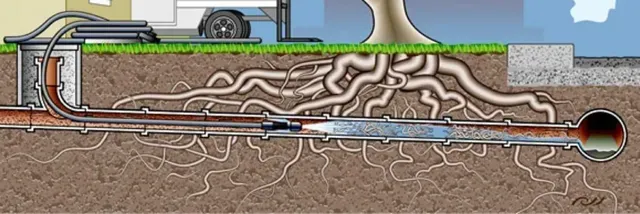
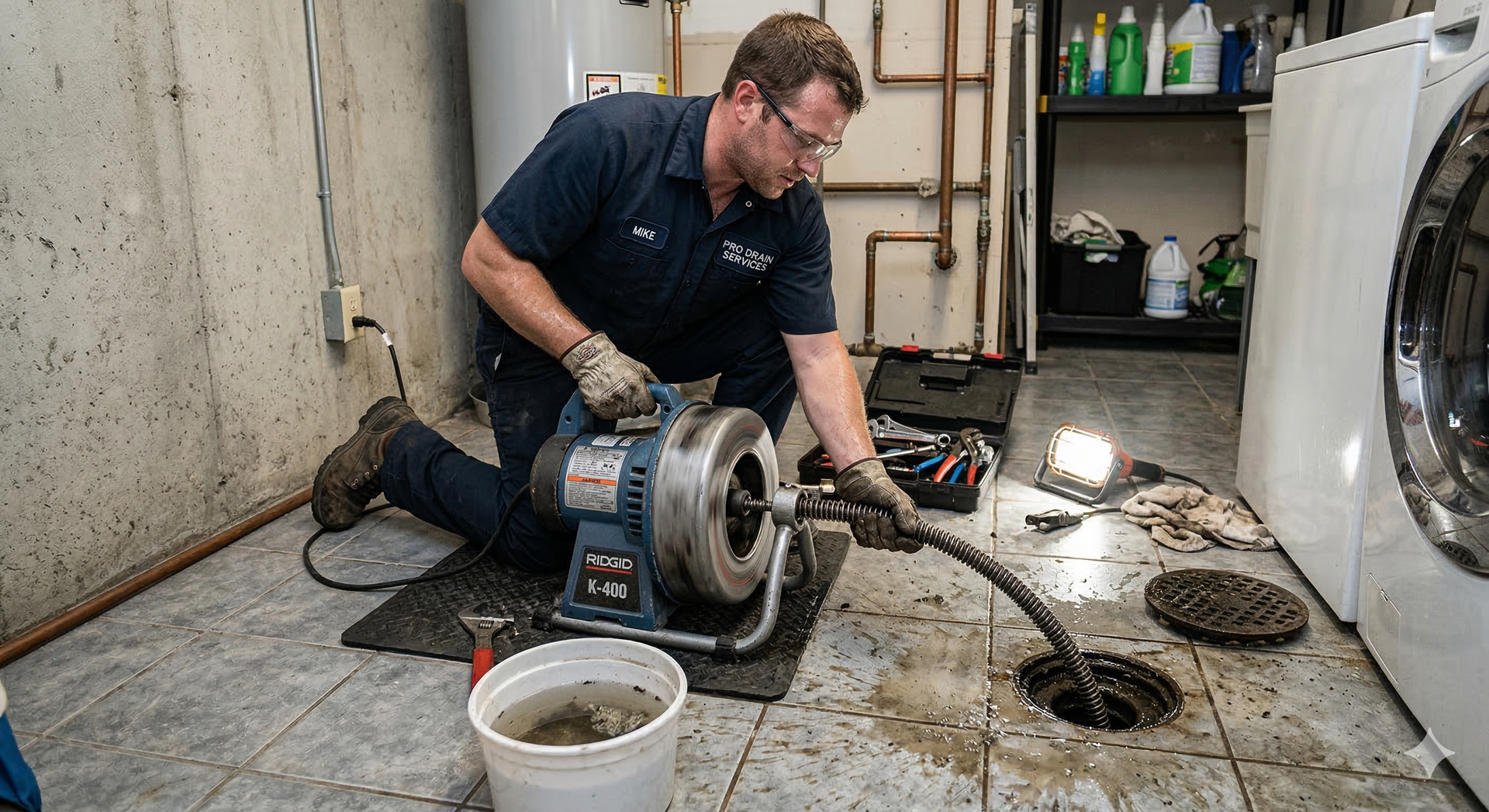
Replacing a leaky supply line under a sink restores full bore diameter, eliminating the partial bypass that masked underlying high pressure from regulators. Main line jetting scours scale buildup, smoothing interiors to reduce head losses and amplify delivery force. Valve rebuilds or cartridge swaps in pressure-balancing showerheads recalibrate flow coefficients, channeling undiminished volumes to aerators. Slab leak repairs involve repressurizing isolated zones, where stagnant sections suddenly reconnect to live mains, shocking downstream appliances. Water softener regenerations post-repair flush resin beds, temporarily boosting hardness-free flow at higher velocities. Even minor washer replacements in faucets contribute, as drip-free seals prevent gradual pressure erosion. Professionals note these spikes in 60 percent of routine services, underscoring the need for post-work monitoring.
Impacts on Fixtures and Appliances
Sudden pressure elevations strain washerless faucets, accelerating O-ring extrusion and stem leaks within weeks. Dishwashers and washing machines face float valve slams, risking cracked housings from water hammer peaks exceeding 150 PSI momentarily. Toilets exhibit phantom flushes as fill valves chatter under surges, wasting water and eroding seats. Hot water heaters endure thermal shocks from rapid cold inflows, delaminating dip tubes and sedimenting tanks faster. Irrigation controllers misread pressures, over-spraying zones and eroding landscapes. Five noises you shouldn't ignore and what they mean emerge here—banging pipes signal loose mounting needing straps, whistling aerators indicate partial blockages requiring cleaning, or groaning pumps point to cavitation from air entrainment demanding bleeds. These symptoms telegraph fixture longevity cuts if unaddressed.
Role of Pressure Regulators and Expansion Controls
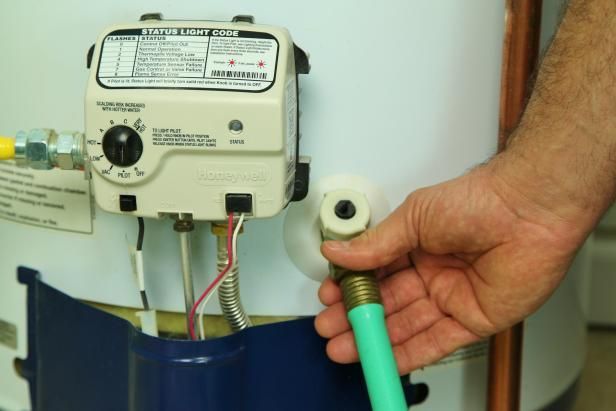
Municipal supplies fluctuate diurnally, peaking at 100 PSI during low-demand nights, which repairs expose fully. Faulty regulators—common in homes over 15 years—fail to cap outputs at 65 PSI, amplifying post-repair effects. Adjustable models with Belleville spring stacks demand recalibration post-work, often dropping settings by 5 PSI to compensate. Expansion tanks on water heaters absorb heated volume growth, preventing relief valve chatter from pressure rebounds. Diaphragm check valves at service entries block reverse flows but introduce minor losses that vanish post-repair, spiking deliveries. All City Plumbers routinely installs these during overhauls, fine-tuning with gauges for seamless transitions.
Diagnostic Steps for Homeowners Post-Repair
Attach a 0-160 PSI gauge to an outdoor spigot immediately after service, logging readings every hour for 48 hours to chart decay curves. Cycle fixtures sequentially, noting sputters or drips signaling air locks—bleed via highest taps. Bucket-test flows against pre-repair baselines, flagging anomalies over 10 percent. Thermal scans reveal hot spots from friction in restricted remnants. App-linked smart gauges trend data remotely, alerting to plateaus above 75 PSI. These protocols quantify normalization, guiding adjustments without guesswork.
Mitigation Strategies to Stabilize Pressure
Install water hammer arrestors at rapid-closing valves, cushioning shock waves with air bladders. Aerator upgrades to variable-flow models dampen surges at points of use. Zone valves segment high-demand circuits, throttling via timers. Whole-home regulators with serviceable pilots ensure consistent drops. Post-repair flushes clear entrained air systematically, starting upstream. For persistent spikes, emergency services intervene swiftly, deploying compressors to purge lines comprehensively.
Conclusion
Annual regulator inspections prevent cumulative drift, paired with softener maintenance to minimize scaling that masks pressures. Pipe insulation curbs thermal expansions mimicking surges. Low-flow retrofits across fixtures balance loads evenly. Documentation of repair logs correlates spikes to specific interventions, refining future responses.
In conclusion, water pressure spikes post-repairs reflect restored efficiencies unmasking latent system potentials, demanding vigilant monitoring and balancing acts. Homeowners applying diagnostics and mitigations alongside professional input maintain equilibrium, averting fixture failures and optimizing performance for years ahead.