How to Train Your Family for Plumbing Emergencies?
Training your family for plumbing emergencies is not just about fixing leaks; it is about creating a shared understanding of how to respond quickly, safely, and effectively when something goes wrong. Plumbing issues can escalate from minor drips to major floods in a matter of minutes, especially when no one in the household knows where the main shutoff valve is or how to contain water until professional help arrives. By treating plumbing emergencies as a family preparedness topic—similar to fire drills or first‑aid planning—you can reduce panic, minimize damage, and ensure everyone plays a clear role when the unexpected happens. This article outlines how to educate family members of all ages, establish response protocols, and integrate regular maintenance habits like checking for early warning signs and planning for tasks such as water heater anode rod replacement.
Why family‑wide plumbing training matters
Plumbing emergencies rarely wait for conveniences. A burst pipe under a washing machine, a failed water heater connection, or a clogged main drain can occur at night, during a vacation, or when only one person is home. If every family member is vaguely familiar with the basics—such as where the main water shutoff is or how to use a basic stop‑water kit—the chances of rapid containment increase dramatically. In homes where children, elderly relatives, or frequent houseguests are present, having a simple, practiced plan can prevent confusion and unsafe improvisation.
Beyond the immediate response, family‑wide training also supports long‑term home maintenance. When everyone understands how plumbing systems work at a practical level, they are more likely to notice warning signs early, such as unusual sounds, discolored water, or recurring damp spots. This collective awareness shifts the household from a reactive mindset—calling for emergency services only after serious damage has occurred—to a proactive one, where routine checks and minor repairs are part of day‑to‑day responsibility. By framing plumbing education as a shared family skill, you build a culture of preparedness that extends beyond emergencies to everyday care of the home’s infrastructure.
Mapping the house’s plumbing “safety points”
The first step in training your family is to create a clear mental map of the home’s key plumbing safety points. These include the main water shutoff valve, individual shutoffs for major fixtures, access panels to exposed pipes, and the location of the water heater. Start by walking through the house with every household member, pointing out these locations and explaining what each component does and when it should be used. For younger children, simple explanations work best, such as “this is the big valve that turns off all the water in the house if there is a big leak.”
In many homes, the main shutoff is located near the water meter, in a basement, or in a utility closet, and it may be boxed in or behind less‑frequently used storage. Ensuring that every family member can locate and operate this valve under ordinary conditions is crucial, because stress during an emergency can make even simple tasks feel overwhelming. Practicing valve operation together once or twice a year, perhaps during a broader “home safety day,” helps reinforce familiarity and confidence. If you have any questions about how your system is laid out or whether your valves are functioning correctly, it is wise to consult a reputable plumbing company such as All City Plumbers, whose technicians can walk through the house with you and clarify any confusing points.
Creating a step‑by‑step household emergency plan
Once everyone understands where the critical plumbing components are, the next step is to formalize a step‑by‑step plan for common emergency scenarios. This plan should cover situations such as a burst pipe, a leaking water heater, a major drain backup, or a washing machine hose failure. Each scenario should have a clear sequence of actions, with assigned roles for different family members, especially in larger households. For example, one adult might be responsible for turning off the main water supply, while another focuses on containing water with towels or a mop, and a third handles calling for emergency services.
Writing the plan on paper or in a household digital document makes it easier to reference during moments of stress. It should include a contact list with the phone numbers of trusted plumbing professionals, including any company that offers 24‑hour emergency services, as well as the local utility company and insurance provider. The plan should also outline how to secure the area around the leak—moving furniture, electronics, and valuables away from water, and opening doors and windows to promote ventilation if safe to do so. By rehearsing these steps in a calm, simulated environment, families can practice the sequence without the pressure of real damage, which helps everyone remember the correct order of actions when an actual emergency occurs.
Teaching children basic plumbing awareness
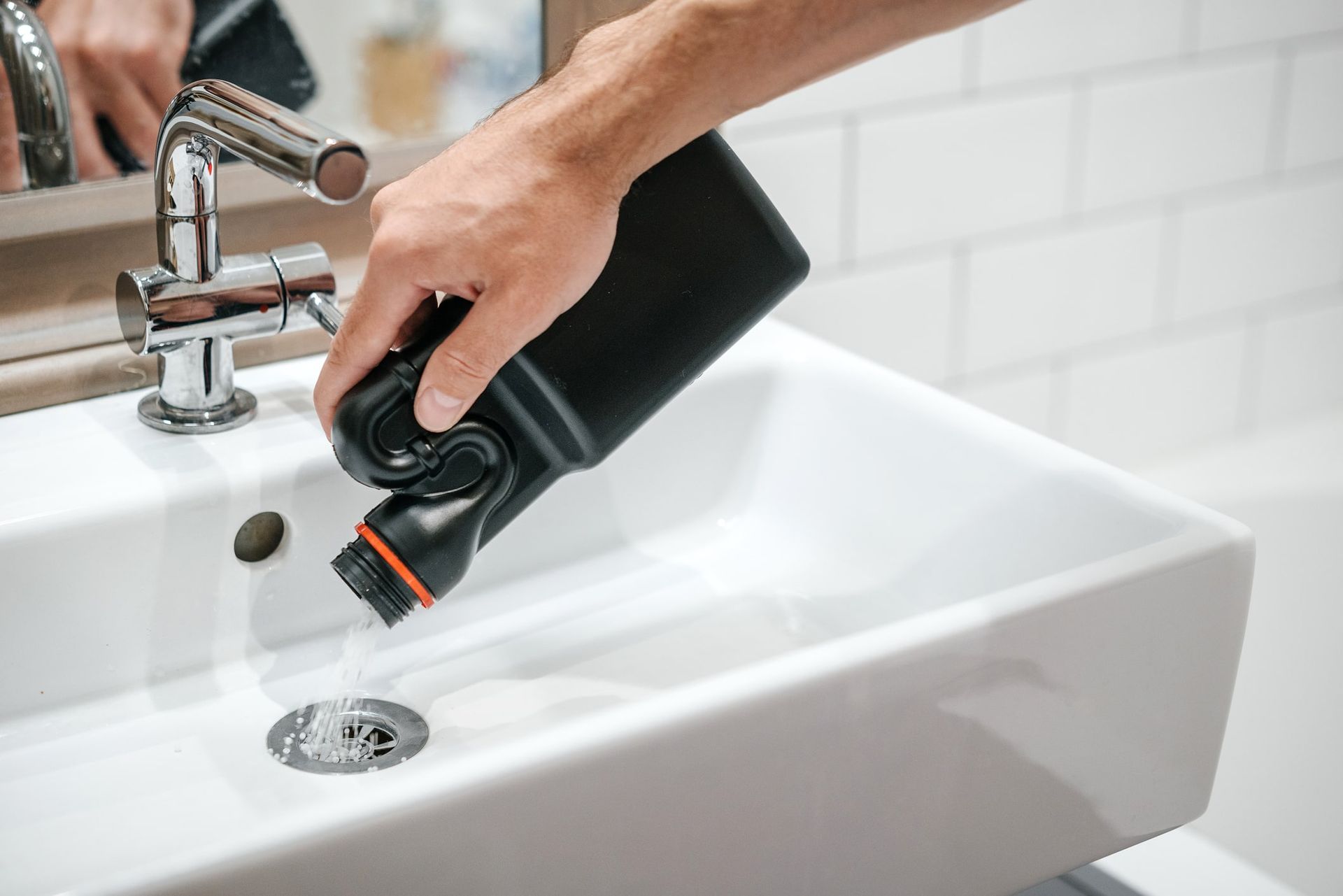
Children can be powerful allies in plumbing safety if they are given age‑appropriate information and responsibilities. Younger kids can be taught to recognize obvious warning signs, such as puddles of water on the floor, a strange smell of mildew, or a sound that “doesn’t sound right” when water is running. Older children and teenagers can be introduced to more technical concepts, such as how drains work, why overloading garbage disposals is risky, and why chemical drain cleaners should not be used without adult supervision. The goal is not to turn them into plumbers, but to make them alert observers who can speak up when something feels off.
In addition to observation, children can participate in simple, low‑risk tasks as part of the household plumbing routine. For instance, they can help monitor for dripping faucets, keep an eye on toilet tanks for subtle leaks, or assist in routine cleaning of drain screens and garbage disposal areas. These activities build a sense of shared responsibility and reduce the likelihood that minor issues will be ignored simply because “someone else will deal with it.” When families approach plumbing as a topic that everyone can learn a little about, it becomes less intimidating and more manageable for all ages.
Integrating regular maintenance into family routines
Training your family for plumbing emergencies is most effective when it is paired with consistent maintenance habits. Regular checks of visible pipes, fixtures, and appliances can catch problems long before they reach an emergency stage. Once a month, families can set aside a short period to walk through the house and inspect areas most prone to issues, such as under sinks, behind toilets, around the water heater, and near washing machines. During these inspections, adults and older children can look for signs of corrosion, mineral buildup, dampness, or bulging hoses, while younger children can help by reporting unusual sounds or smells.
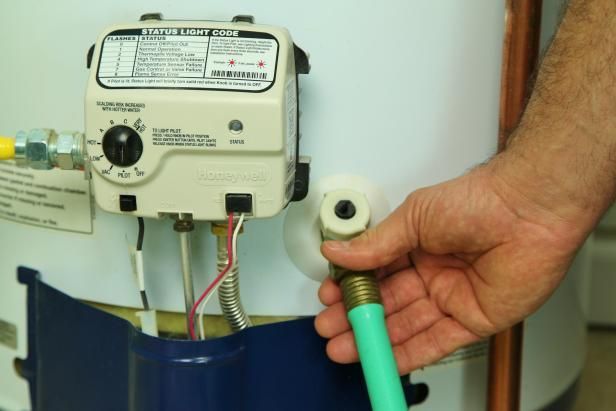
Among these maintenance tasks, water heater anode rod replacement is an important activity that not every homeowner remembers to schedule. The anode rod is a sacrificial component that protects the tank from internal corrosion, and when it becomes depleted, the heater is far more likely to develop leaks or fail prematurely. By explaining this concept to older family members and involving them in planning for or scheduling the replacement, you reinforce the idea that preventive maintenance is just as critical as emergency response. If your family is unsure how to evaluate the condition of the anode rod or when it should be replaced, consulting a licensed plumber or a company that offers comprehensive water heater services can provide both technical guidance and peace of mind.
Communication and clear roles during emergencies
Even in a well‑prepared household, chaos can break out if there is no clear communication plan during a plumbing emergency. Before any crisis occurs, it is important to agree on how information will be shared and who will take the lead in different situations. For example, the primary adult on duty may be responsible for turning off the water and making the first call to a professional, while another adult or older teenager manages cleanup, moves personal belongings, and keeps younger children safe and calm. Defining these roles in advance reduces duplication of effort and prevents confusion when every second counts.
In homes with multiple adults or frequent visitors, it is also helpful to document a simple “emergency checklist” that can be posted in a visible area, such as the utility room or near the main shutoff valve. This checklist might include step‑by‑step instructions for shutting off the water, methods for containing water (using towels or buckets), and a reminder to call emergency services if the leak is large or involves a gas‑related water heater. Keeping this information concise and accessible ensures that even someone unfamiliar with the house can follow basic protocols in a pinch. When a serious issue arises and the situation feels beyond the household’s control, knowing that a professional plumbing team with emergency services on standby can be ordered with confidence is a significant comfort.
Recognizing when to call professional help
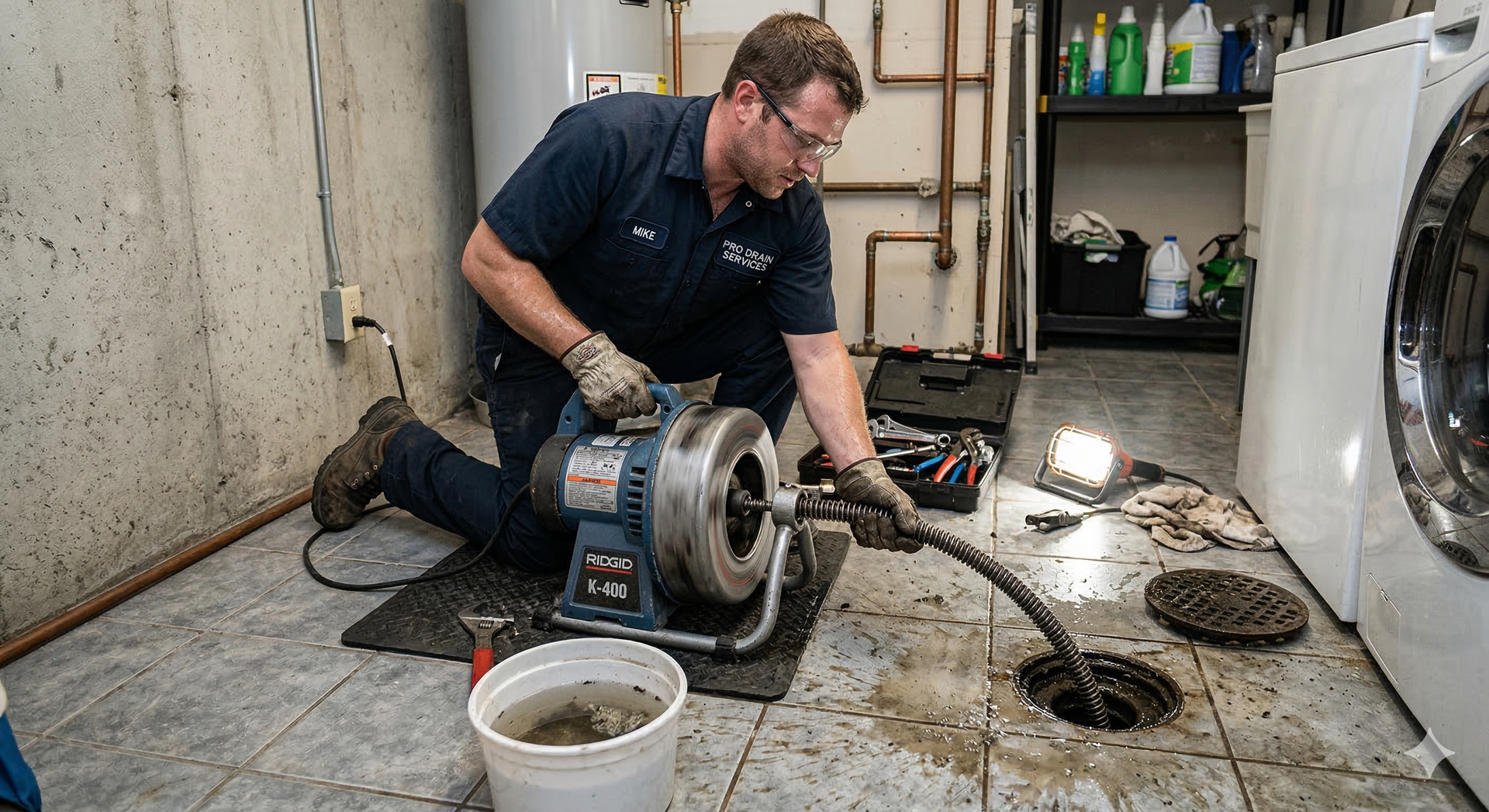
Part of training your family involves teaching everyone to recognize the difference between minor issues that can be temporarily managed at home and true emergencies that require professional intervention. Slow drips from a faucet, a minor clog that clears with a plunger, or a small leak under a sink that can be contained with a bucket are usually manageable with basic tools and household supplies. However, signs such as a wet ceiling bulging under the weight of accumulated water, a continuous flow of water from a burst pipe, sewage backing up into drains, or a leaking water heater that cannot be safely isolated should be treated as urgent situations.
In these cases, it is important to emphasize that attempting advanced repairs without proper knowledge or tools can be dangerous and may worsen the damage. Encouraging family members to call for professional help as soon as a significant problem is identified—rather than waiting to see if it will “fix itself”—helps preserve both safety and property. When choosing a service provider, it is useful to select a company that offers transparent communication, clear pricing, and reliable emergency services so that everyone in the household feels confident in the decision to call. Having a preferred contractor, such as All City Plumbers, on speed‑dial can streamline the process and reduce uncertainty during stressful moments.
Building a culture of responsibility and preparedness
Over time, training your family for plumbing emergencies should evolve from a one‑time exercise into an ongoing culture of responsibility and preparedness. Families that regularly review their emergency plan, conduct practice drills, and update their knowledge of the home’s plumbing system are far better equipped to handle real crises. This culture also naturally extends to other areas of home safety, such as fire prevention, electrical safety, and general maintenance, creating a holistic approach to protecting the household.
In addition to practical skills, this training fosters resilience and cooperation. When family members see that they each have a role to play, they feel more empowered and less helpless in the face of unexpected problems. By normalizing discussions about plumbing, sharing what you learn, and involving everyone in both routine checks and emergency planning, you create a sense of shared ownership over the home. This combination of education, practice, and professional support ensures that your family is not only ready to respond to plumbing emergencies but also well prepared to prevent many of them from occurring in the first place.
Conclusion
In conclusion, preparing your family for plumbing emergencies is a practical investment in both safety and long-term home preservation. By combining hands-on training, clearly defined roles, and consistent maintenance habits, households can respond to unexpected situations with confidence rather than panic. This structured approach not only limits immediate damage during emergencies but also fosters a proactive mindset that reduces the likelihood of major issues arising in the first place. Ultimately, when every family member understands the system, recognizes warning signs, and knows how to act, plumbing challenges become far more manageable—transforming what could be a crisis into a controlled, well-coordinated response.