Water Heater Anode Rod Replacement: Overlooked Step
Water heaters are essential appliances in modern homes, quietly providing hot water for showers, dishwashing, and countless daily tasks. Yet, one critical maintenance task often flies under the radar: replacing the anode rod. This unassuming component acts as a sacrificial shield, corroding in place of the tank to prevent rust and extend the unit's life. Neglecting it can lead to premature failure, costly repairs, or even complete replacement. Homeowners might spend thousands on a new water heater without realizing that a simple anode rod swap could have bought them years more service. Understanding this overlooked step empowers you to protect your investment and avoid unexpected breakdowns.
The anode rod, typically made of magnesium, aluminum, or zinc, hangs inside the tank and attracts corrosive elements through galvanic action. Over time, it dissolves, but when it's fully depleted, the tank's steel lining becomes vulnerable to rust. Manufacturers recommend inspection every few years, but many people never touch it until leaks appear. This article dives deep into why replacement matters, how to do it right, and common pitfalls to sidestep, turning a forgotten chore into a proactive win for your plumbing system.
Why the Anode Rod Deserves Your Attention
At its core, the anode rod is the water heater's first line of defense against internal corrosion. Water naturally contains minerals, oxygen, and impurities that accelerate rust when they interact with metal. The anode rod, being more reactive, corrodes first—a process called cathodic protection. Without it functioning properly, pitting and leaks develop inside the tank, often invisibly until water seeps out. Studies from plumbing industry experts show that tanks with intact anode rods last 10 to 15 years on average, while neglected ones fail in as little as five.
Ignoring this step isn't just about shortening lifespan; it cascades into bigger issues. Corroded tanks release sediment and rusty particles into your water supply, staining fixtures and reducing efficiency. Energy bills climb as the heater works harder to heat compromised water. In severe cases, tank rupture leads to flooding and mold growth. All City Plumbers frequently encounters homeowners shocked by these failures, emphasizing how a $20 to $50 anode rod can save thousands in replacement costs. Proactive replacement isn't optional—it's the smart, economical choice for any water heater owner committed to reliability.
Spotting the Signs It's Time for Replacement
Recognizing when your anode rod needs attention prevents disasters. Start with visual cues during routine maintenance. Drain a few gallons from the tank's bottom valve; if the water runs cloudy or discolored with black flecks, corrosion may have set in. Listen for unusual noises like popping or rumbling—these indicate sediment buildup from a failing rod, as minerals harden on the tank walls. Reduced hot water volume or lukewarm output signals inefficiency tied to internal damage.
Another telltale indicator involves water pressure spiking after plumbing repairs. Technicians sometimes overlook how aggressive flushing or part replacements disturb sediment, causing temporary surges that mask deeper anode issues. If pressure fluctuates wildly post-service, inspect the rod promptly. Use a socket wrench to check its condition: if it's pitted, flaking, or less than six inches long, replace it immediately. Professional plumbers advise annual checks in hard-water areas, where mineral buildup accelerates wear. Catching these signs early keeps your water heaters running smoothly and avoids emergency calls.
Tools and Materials for a Successful Swap
Preparation is key to a seamless anode rod replacement, minimizing downtime and frustration. Gather these essentials: an anode rod compatible with your tank size (usually 3/4-inch diameter, 44 inches long for standard 40-50 gallon models), a 1-1/16-inch socket wrench or ratchet set, a flexible hose for draining, plumber's tape, penetrating oil like WD-40, a bucket or tarp for spills, and dielectric union compound for fittings. Check your water heater manual for specifics—electric models differ slightly from gas ones.
Safety gear includes gloves, safety glasses, and sturdy shoes, as hot water and heavy parts pose risks. Shut off power or gas first, then turn off the cold water supply valve. Allow several hours for cooldown to prevent scalding. For stubborn rods seized by corrosion, apply penetrating oil overnight. These tools ensure the job stays DIY-friendly for handy homeowners, though complex tanks might warrant a pro. Investing in quality materials pays off in longevity, as cheap rods dissolve faster and leave residue.
Step-by-Step Guide to Replacement
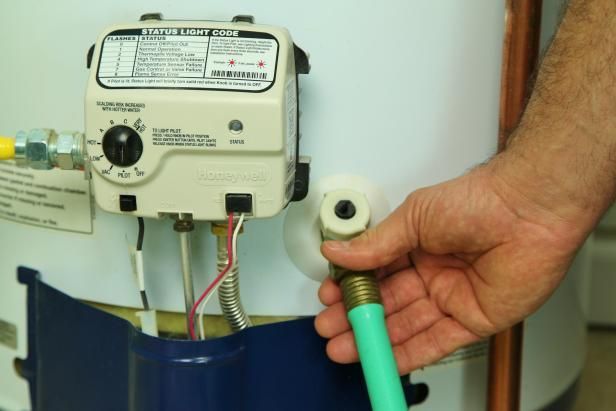
Begin by powering down your water heater completely—flip the circuit breaker for electric units or set the gas knob to "pilot" and shut off the supply line. Attach a garden hose to the drain valve at the tank's base, routing it to a floor drain or outside. Open a hot water faucet upstairs to vent air and speed drainage. Fully empty the tank, which takes 30 to 60 minutes for a 50-gallon model; periodically flush to clear sediment.
Locate the anode rod hex head atop the tank, usually under a plastic cap. Spray penetrating oil on the threads and let it soak. Fit your socket wrench securely and turn counterclockwise with steady force—avoid excessive torque to prevent stripping. The rod may drop into the tank, so use a broom handle to fish it out if needed. Inspect the old rod: heavy pitting confirms the need for replacement. Clean the threads with a wire brush, apply plumber's tape clockwise, and thread in the new rod hand-tight before wrenching to snug.
Refill the tank slowly by closing the drain valve and restoring cold water supply. Watch for leaks at the top and air bubbles from faucets. Cycle through hot water taps to purge air, then restore power or gas. Monitor for 24 hours. This process, done right, restores protection and efficiency, often boosting performance noticeably.
Common Mistakes and How to Avoid Them
Even experienced DIYers stumble on anode rod replacement, leading to leaks or shortened lifespans. One frequent error is under-draining the tank, leaving sediment that hampers the new rod's effectiveness—always flush thoroughly until water runs clear. Overtightening the rod warps fittings or cracks the tank top; aim for firm, not Herculean, torque. Skipping thread sealant invites slow leaks, so wrap with Teflon tape every time.
Another pitfall: mismatched rod types. Magnesium works best in soft water but fizzles quickly in harsh conditions; aluminum-zinc hybrids suit most homes. Don't ignore tank inspection—probe inside with a flashlight for pitting. Rushing without cooldown risks burns, and forgetting to relight the pilot on gas models causes shutdowns. Water pressure spiking after plumbing repairs can exacerbate these if not addressed, as vibrations loosen fittings. Patience and double-checks turn potential headaches into triumphs.
Long-Term Benefits and Maintenance Tips
Replacing the anode rod isn't a one-off fix; it kickstarts a cycle of extended water heater health. A fresh rod can add 3 to 5 years per swap, with costs far below new units at $800 to $2,000. Expect improved water quality, lower energy use, and fewer service calls. Pair it with annual flushing and temperature settings at 120°F to optimize performance.
Conclusion
For ongoing care, test water hardness yearly and consider a softener if levels exceed 7 grains per gallon. Schedule full inspections every 3 years or after major repairs. Track your heater's age—most warranties cover 6 to 12 years with proper maintenance. These habits ensure reliable hot water, safeguarding your home's comfort and budget.
In conclusion, water heater anode rod replacement stands as an overlooked yet transformative step in home maintenance. By prioritizing this simple task, you shield your tank from corrosion, avert expensive failures, and enjoy peace of mind. Don't wait for signs of trouble—make it part of your routine today for a more durable, efficient system tomorrow.