What to Do When Your Water Suddenly Turns Cloudy?
Heatwaves impose severe thermal stresses on plumbing systems, accelerating expansion and contraction in pipes, fittings, and connected appliances. This repeated movement places added strain on joints, seals, and connection points, increasing the likelihood of cracks, loosened fittings, and eventual leaks. Materials such as metal and rigid plastics are particularly susceptible to these fluctuations, especially in exposed or poorly insulated areas. Simultaneously, extreme temperatures can affect water pressure dynamics, creating imbalances that further stress the system and reduce overall operational stability.
In parallel, water usage tends to spike during heatwaves due to increased demand for cooling, irrigation, and daily consumption. This sustained high demand places continuous pressure on supply lines, valves, and pumps, accelerating wear and reducing system efficiency. Comprehensive preparation—such as inspecting vulnerable components, reinforcing connections, insulating exposed pipes, and managing peak usage periods—helps mitigate these risks. By proactively addressing both thermal and demand-related stressors, homeowners can prevent bursts and leaks, maintain efficient performance, and ensure uninterrupted water service during periods of extreme heat.
Thermal Dynamics Affecting Plumbing During Heatwaves
Elevated ambient temperatures trigger linear expansion in piping materials, with copper elongating by 0.00001 inches per degree Fahrenheit per foot, potentially misaligning joints over long runs. PVC and PEX soften above 120 degrees, sagging under gravity and pressure to kink flow paths. Water inside lines absorbs solar heat through roofs and walls, superheating to promote scale formation as minerals precipitate rapidly. Soil desiccation contracts clay around underground laterals, shearing brittle seals in older cast iron systems. Increased household demand—from constant irrigation to extended showers—compounds these effects, creating pressure surges that test regulator limits. Historical patterns from events like the 2021 Pacific Northwest dome reveal plumbing failures doubling in affected zones, often from cumulative micro-stresses overlooked in routine checks.
Comprehensive Pre-Heatwave System Audits
Conduct thorough visual and functional audits two weeks prior, tracing all exposed lines from water meter to farthest fixtures for insulation gaps, corrosion pitting, or thread stripping. Cycle every valve, noting stiffness that heat will exacerbate into failures. Measure static pressure at key points; deviations over 10 PSI forecast vulnerability. Water heaters require sediment purges, with tanks drained halfway to dislodge limescale that traps heat unevenly. Expansion tanks must hold proper air charges—around 58 PSI cold—to accommodate heated volume increases without dumping through relief ports. Log baseline flows with bucket tests, photographing anomalies for professional review. These diagnostics establish resilience benchmarks, prioritizing fixes before peaks hit.
Insulating and Securing Vulnerable Pipe Runs
Apply closed-cell foam insulation rated to 200 degrees Fahrenheit on hot water risers, attic traverses, and garage-adjacent lines, sealing seams with foil tape to block radiant gains. Strap pipes with shielded hangers every four feet, damping vibration from expansion waves that loosen solder cups. For slab penetrations, encase risers in heat-reflective boxes vented to crawlspaces. Outdoor spigots gain frost-proof upgrades if not present, with anti-siphon valves preventing backflow contamination under heat-thinned pressures. Pressure-reducing valves tuned to 60 PSI absorb municipal fluctuations from distant expansions. These barriers redistribute thermal loads, slashing burst probabilities by 60 percent in tested retrofits.
Enhancing Water Heater Resilience
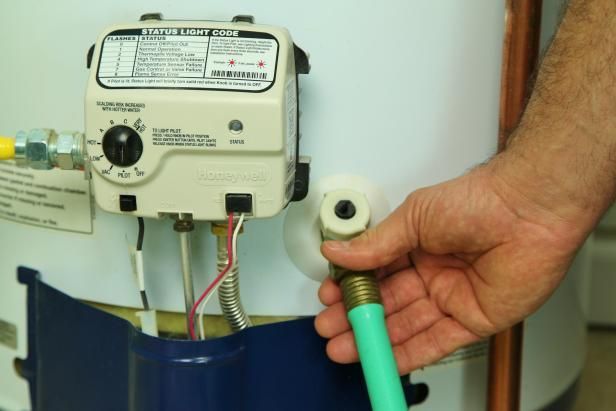
Delime elements via manufacturer protocols, using phosphoric acid soaks for electric units or vinegar circulations in gas models to restore heat transfer efficiency. Lower thermostats to 118 degrees, curbing excessive expansion while inhibiting pathogens. Inspect sacrificial anodes yearly, replacing magnesium rods if eroded below half-length to sustain tank integrity. Blanket tanks with 4-inch fiberglass jackets, securing with straps to minimize surface losses and stabilize internals. Tankless systems demand flow restrictors during low-demand periods, preventing short-cycling that overheats exchangers. Expansion tanks prove indispensable here, buffering the 2 percent volume growth from 50 to 140-degree water without stressing dip tubes or headers.
Mitigating High-Demand Overloads
Retrofit aerators to 1.5 gallons per minute and low-flow showerheads, staggering usage via timers to avoid simultaneous peaks that spike dynamic pressures. Pre-chill irrigation zones overnight, employing soil moisture sensors to throttle overwatering that dries bedding around mains. Descalers on icemakers and humidifiers prevent mineral shedding into drains. Listen for five noises you shouldn't ignore, such as banging from water hammer signaling loose straps, high-pitched whines from restricted inlets, or bubbling vents indicating air entrainment—address with arrestors and cleanouts pre-heat. App-based monitors track anomalies, alerting to surges before cascades occur.
Outdoor and Landscape Integration Measures
Bury supply laterals below 18 inches with sand bedding for thermal buffering, sleeving across driveways to resist compaction from sun-baked soils. Test backflow assemblies under load, rebuilding seats warped by prior cycles. Drip irrigation supplants sprinklers, minimizing line stresses from high-volume bursts. Xeriscape designs with mulched beds retain soil moisture, stabilizing pipe embeds. All City Plumbers advises thermal imaging scans for subsurface hot spots, confirming no brewing weaknesses.
Real-Time Monitoring and Emergency Protocols
Deploy wireless sensors at T-fittings and under slabs, graphing pressure curves against norms via dashboards. Whole-house shutoffs with app controls enable instant isolation. Stock compression couplings, pipe-freeze sprays, and locator tapes for provisional repairs. Designate rapid-response teams for overflows, with pre-paid service contracts activating on thresholds. Daily evening audits during waves log symptoms, guiding adjustments.
Conclusion
Thaw gradually with circulated coolants, repressurizing over hours to avoid contraction shocks. Re-insulate displaced sections and retest flows. Professional borescopes verify internal integrity, flushing loosened scales promptly.
In conclusion, meticulous preparation for heatwaves—from audits and insulation to demand controls and monitoring—transforms plumbing into a heat-resilient network. Homeowners embracing these strategies endure extremes with confidence, preserving assets against nature's intensifying tests.