How to Prepare Your Plumbing Systems for Heatwaves?
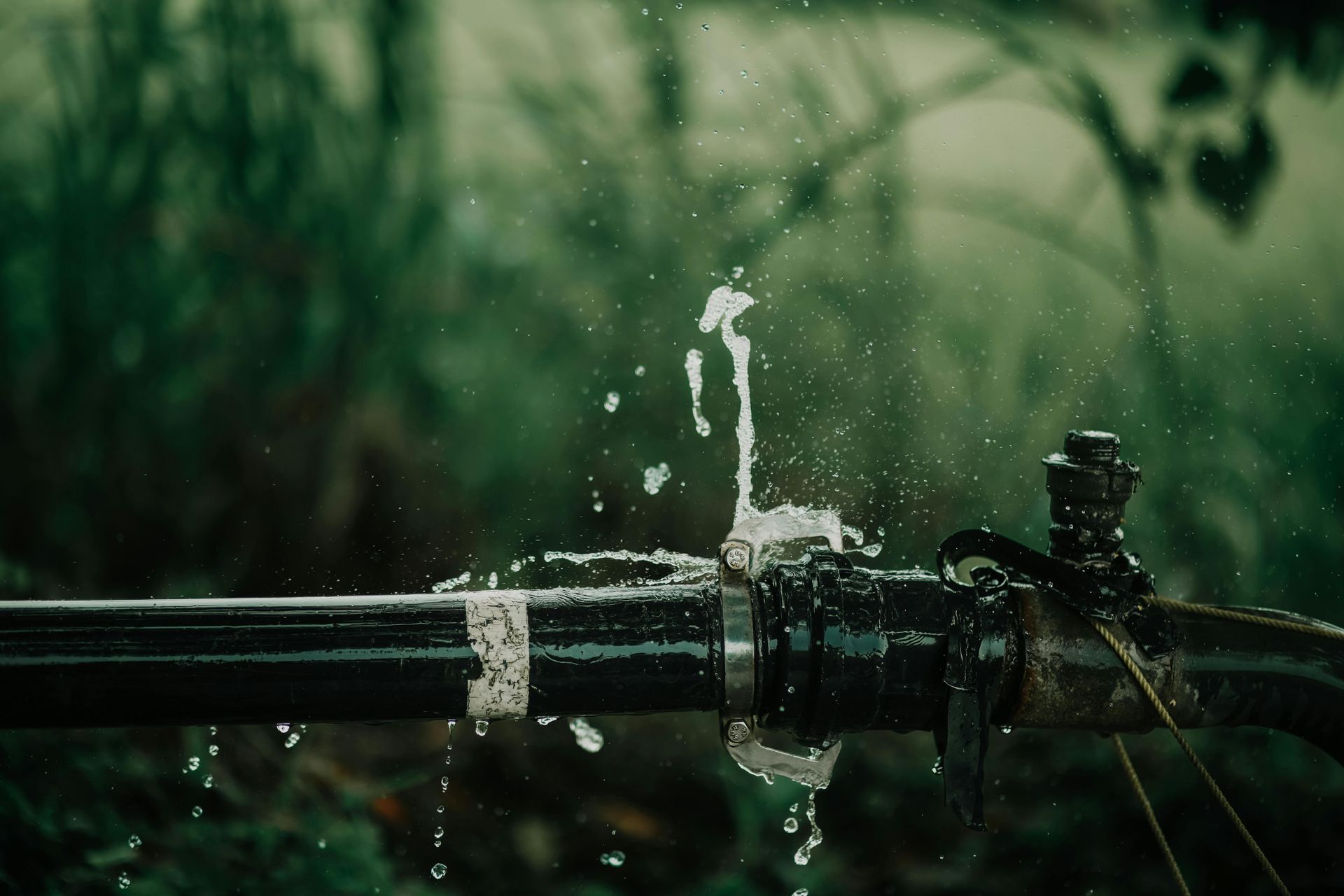
Heatwaves place significant stress on plumbing systems due to thermal expansion, increased water demand, and accelerated evaporation. As temperatures rise, pipes expand and contract more intensely, putting strain on joints, seals, and connections. This can lead to microfractures, loosened fittings, and eventual leaks or bursts—particularly in older or compromised systems. At the same time, higher water usage for cooling, irrigation, and daily needs increases pressure on supply lines and fixtures, reducing overall efficiency and accelerating wear.
To mitigate these risks, proactive preparation is essential. Inspecting pipes for early signs of damage, reinforcing vulnerable connections, and insulating exposed lines can help maintain system integrity. Managing water usage—such as scheduling outdoor activities during cooler hours—also reduces strain on the system. With these preventative measures in place, homeowners can ensure consistent water flow, minimize the risk of failures, and maintain comfort during extreme heat conditions.
Understanding Heatwave Impacts on Plumbing
High temperatures cause metals and plastics in pipes to expand, straining joints, fittings, and solder connections that may already show age-related wear. Water demand surges for showers, irrigation, and cooling appliances, overwhelming supply lines and accelerating sediment dislodgement in water heaters. Evaporative cooling around outdoor faucets draws moisture from soils, contracting clay around underground lines and risking cracks. Plastic pipes like PEX or PVC soften near 140 degrees Fahrenheit, becoming pliable and prone to sagging under pressure. Internal water heats rapidly, promoting bacterial growth in stagnant sections and scaling from mineral precipitation. Historical data from prolonged heat events shows a 40 percent uptick in plumbing emergencies, often from overlooked vulnerabilities amplified by prolonged exposure. Homeowners in sun-baked regions face compounded risks from roof heat radiating downward, baking attic pipes.
Pre-Heatwave Inspection Protocols
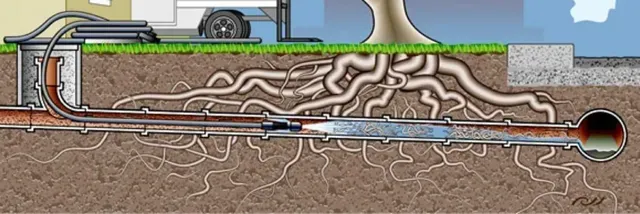
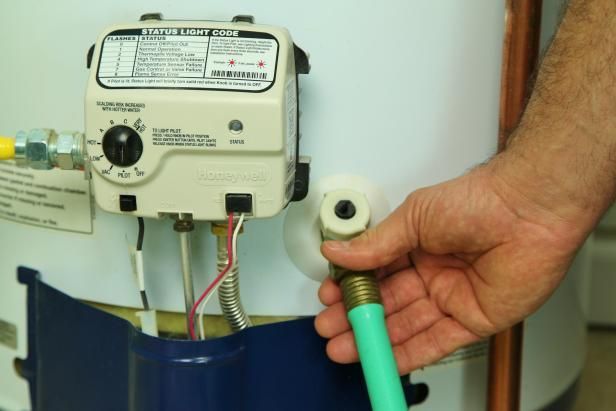
Begin with a full-system walkthrough, checking exposed pipes in garages, basements, and utility rooms for discoloration, bulges, or soft spots indicating prior stress. Test all faucets for even flow, noting sputters that signal air locks or clogs worsened by heat-thinned viscosity. Inspect hose bibs and spigots, tightening packing nuts to counter expansion loosening. Water heaters demand anode rod checks and sediment flushes, as hot water cycles intensify during peaks. Expansion tanks on these units require pressure verification—typically 60 PSI—to absorb volume surges without valve blows. Underground cleanouts should reveal no standing water or odors, hinting at main line restrictions. Document findings with photos for professionals, establishing a baseline to track heat-induced changes.
Protecting Pipes from Thermal Expansion
Insulate all accessible hot water lines with foam sleeves rated for 180 degrees Fahrenheit, focusing on risers near furnaces and long runs to bathrooms. Secure pipes with metal straps every six feet, preventing sway from expansion waves that hammer fittings. For outdoor lines, install insulating wraps before temperatures climb, and shut off valves to hoses after use, draining residual water to avoid freeze-thaw mimicry in cooling evenings. Pressure regulators set to 55-65 PSI buffer municipal spikes from heat-contracted city mains. In slabs, monitor for hot spots via infrared thermometers, as undetected expansion can lift foundations subtly. These measures distribute stress evenly, averting pinhole leaks common in copper under thermal cycling.
Optimizing Water Heater Performance
Flush tanks annually before summer, draining two-thirds volume to expel limescale that conducts heat unevenly, risking element burnout. Set thermostats to 120 degrees Fahrenheit, balancing bacteria control with expansion minimization. Verify dip tubes remain intact, directing cold inlet water properly to prevent stacking. Insulate tanks with jackets if in garages, reducing standby losses by 25 percent and stabilizing output. For tankless units, descale heat exchangers with vinegar solutions, as mineral coats thicken in hard water areas during high draws. Expansion tanks integrate here seamlessly, cushioning pressure jumps from rapid heating that might otherwise trip relief valves or warp headers.
Managing Increased Water Usage Demands
Install low-flow aerators and dual-flush toilets to temper household surges, preserving line integrity under marathon usage. Zone irrigation to early mornings, avoiding midday evaporation that stresses supply laterals. Garbage disposals and dishwashers benefit from cold pre-rinses, cooling pipes intermittently. Monitor why your sink gurgles after you flush the toilet, a phenomenon arising from heat-expanded air pockets in vents disrupting siphonage—clean roof vents of debris to restore vacuum breaks. Smart leak detectors under sinks alert to micro-drips amplified by heat. Stagger laundry cycles to prevent simultaneous peaks that overtax pumps.
Outdoor and Irrigation System Safeguards
Bleed air from sprinkler lines post-winter, then wrap above-ground valves with wet towels during peaks for evaporative cooling. Adjust timers for shorter bursts, allowing soils to absorb without runoff eroding pipe bedding. Check backflow preventers annually, as heat degrades rubber seats leading to contamination risks. Landscape with deep-rooted shrubs away from mains, minimizing soil moisture theft. Companies like All City Plumbers recommend pressure tests here, confirming no subsurface weaknesses before heat locks in.
Emergency Preparedness and Monitoring Tools
Stock shutoff wrenches, pipe tape, and epoxy putties for swift containment. Install battery-backed leak alarms in vulnerable spots, linked to apps for remote checks. Whole-home pressure gauges track variances, with drops signaling bursts. Generate ice in freezers preemptively for cooling affected areas. Establish 24/7 emergency services contacts, prioritizing rapid-response teams with thermal cameras. Daily logs of usage and symptoms guide post-event diagnostics.
Conclusion
Cool systems gradually post-event, avoiding cold shocks to hot pipes. Re-inspect insulation displaced by expansion. Flush mains to clear heat-loosened debris. Professional scopes verify hidden damage, especially in mains prone to soil shifts.
In conclusion, preparing plumbing for heatwaves through inspections, insulation, and demand management fortifies against expansion failures and usage overloads. Vigilant homeowners navigate extremes with minimal disruption, ensuring resilient systems endure seasonal rigors effectively.