How to Recognize and Avoid Plumbing Scams: Key Warning Signs
Plumbing scams prey on urgency and trust, costing homeowners thousands annually through inflated bills, shoddy work, or fabricated emergencies that exploit vulnerabilities in aging pipes and panicked responses. These schemes thrive in the shadows of legitimate services, where a dripping faucet or gurgling drain becomes a pretext for unnecessary replacements or surprise fees. Understanding the tactics behind these deceptions empowers consumers to safeguard their finances and homes, distinguishing reputable craftsmanship from predatory ploys. This detailed guide unpacks the anatomy of plumbing scams, reveals telltale warning signs, outlines verification strategies, shares real-world case studies, and provides proactive defenses, ensuring you navigate repairs with confidence and clarity.
Common Types of Plumbing Scams
Plumbing scams manifest in diverse forms, each engineered to maximize profit while minimizing accountability, often targeting seniors, new homeowners, or those in distress from visible leaks. The door-to-door bait-and-switch tactic involves unsolicited visits claiming to spot issues like "gas leaks" or "imminent bursts" during neighborhood "inspections," pressuring immediate upsells from minor fixes to full repipes at triple market rates. Bait-and-switch ads lure with rock-bottom quotes for drain cleaning, only to reveal "hidden complexities" onsite requiring excavators and custom parts, ballooning costs tenfold.
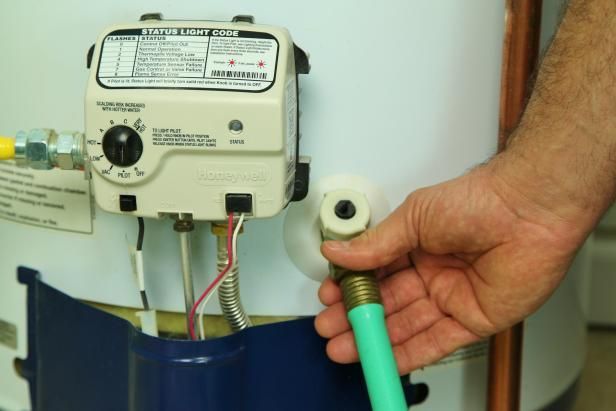
Phantom emergencies rank high, where scammers dial from spoofed local numbers alleging sewer backups or water main threats, demanding upfront wire transfers for "rush crews" that never arrive. Material substitution swaps promised copper for subpar PEX or rusty galvanized pipes, concealed until failures recur months later. Upsell cascades start innocently—a $99 water heater flush morphs into $5,000 tank swaps citing "unseen corrosion." Invoice padding layers fictitious line items like "travel surcharges" or "hazard fees," while abandonment leaves half-done jobs, holding appliances hostage for more cash.
These schemes evolve with technology, from fake Google reviews to AI-voiced robocalls mimicking utilities, underscoring the need for vigilance across channels. Awareness of these patterns forms the bedrock of prevention, transforming potential victims into discerning clients.
Key Warning Signs of Unscrupulous Plumbers
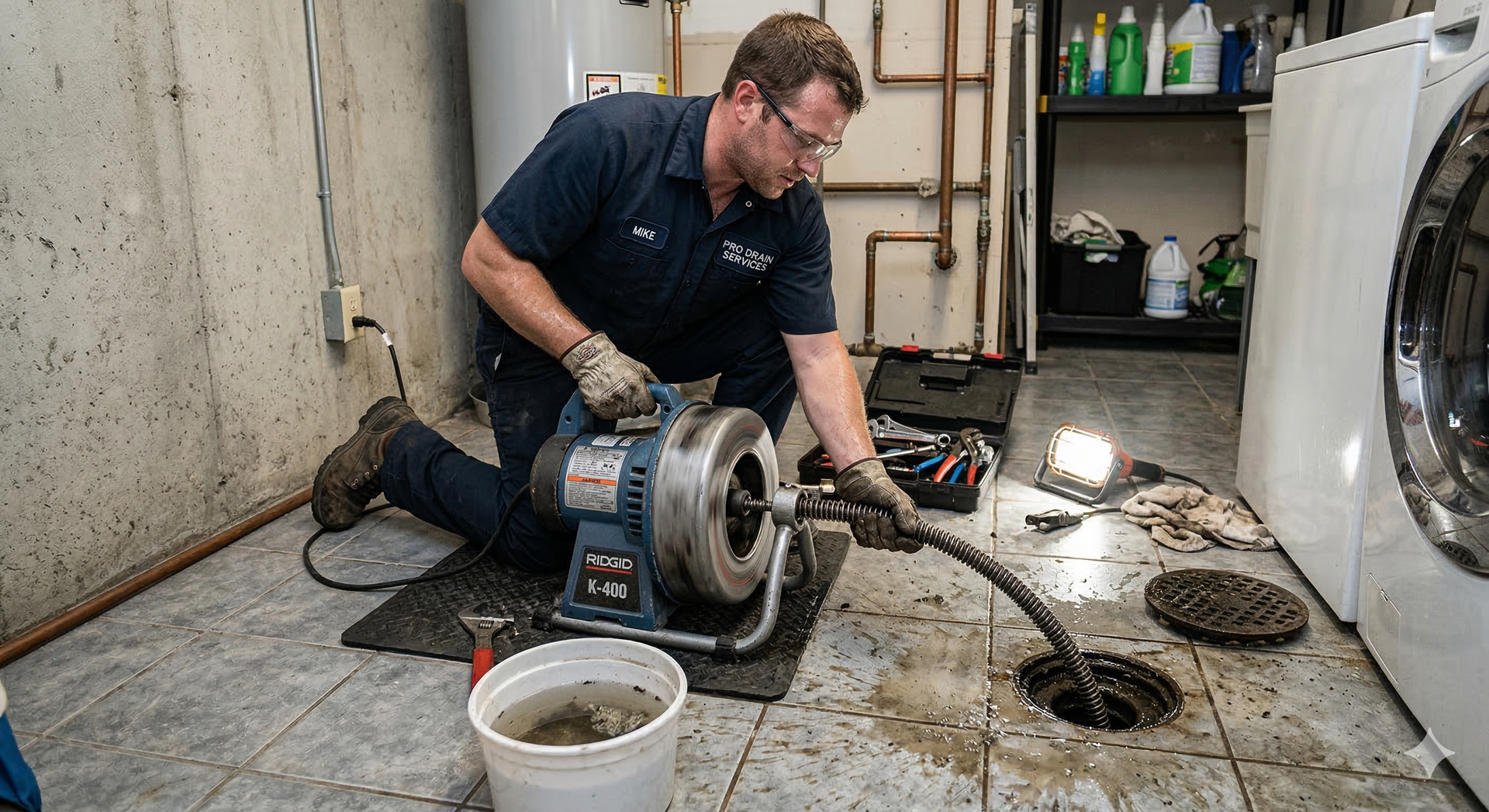
Spotting red flags early averts disaster, as legitimate plumbers prioritize transparency over high-pressure sales. Upfront demands for full payment scream scam—reputable firms bill post-completion or via 50 percent deposits max, never wiring or crypto. Vague diagnoses without tools or cameras raise alarms; pros deploy snakes, locators, and scopes to pinpoint issues, not guesses. Absence of licensing verification, business licenses, or insurance proofs signals fly-by-night operations—state boards list credentials online instantly.
Pressure tactics erode judgment: "Act now or flood tomorrow" rushes bypass second opinions, while tool-free "inspections" via eyeballing pipes lack credibility. Unmarked vans, uniform-less crews, or subcontracted laborers without company branding hint at unaccountable networks. Quotes omitting itemized breakdowns, warranties, or material specs invite padding; ethical bids detail labor hours, parts, and cleanup.
Overly aggressive door-knocking in affluent areas, especially post-storms, deploys opportunists claiming "widespread breaks." Poor communication—unreturned calls, generic emails—contrasts pros' responsive portals. Heeding these signals preserves resources, channeling trust toward verified experts.
How to Verify Legitimate Plumbing Services
Verification transforms suspicion into certainty, leveraging free resources to vet providers rigorously. Begin with state licensing boards—contractor IDs confirm active status, bond coverage, and complaint histories spanning years. Better Business Bureau profiles reveal patterns: A+ ratings with resolved disputes outshine littered F-grades. Cross-check Google, Yelp, and Angi for authentic reviews—scammers fabricate clusters from new accounts, identifiable by uniform praise lacking specifics.
Request multiple bids from licensed locals, comparing apples-to-apples via written proposals specifying scopes like waterline repair and replacement for corroded mains, ensuring competitive yet fair pricing. Inquire about master plumber oversight, journeyman certifications, and warranties—five-year minimums on labor reflect confidence. Site visits pre-work assess crews: uniformed, tooled-up teams with branded vehicles signal professionalism.
Digital footprints matter: websites with service menus, testimonials, and before-after galleries precede ghostsites. Phone vetting probes experience—"How many laundry room plumbing essentials installs last year?"—gauging expertise. All City Plumbers exemplifies this standard, boasting verifiable credentials and transparent processes that prioritize client security over quick bucks. Layered checks build ironclad assurance.
Real-World Case Studies and Lessons Learned
Case studies illuminate scams' real impacts, drawing from documented incidents to sharpen instincts. In a 2022 Florida neighborhood, door-knockers posed as city inspectors post-hurricane, convincing 15 homes to pay $3,000 each for "sewer upgrades" using garden hoses as "proof," vanishing after collecting checks—victims recouped via credit cards but lost time. A Chicago widow fell for a $12,000 "full repipe" quoted verbally; the crew installed leaky fittings, exposed by a neighbor's second opinion, leading to $8,000 remediation.
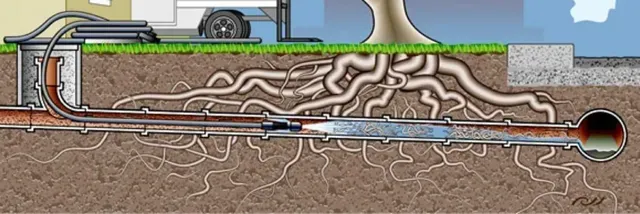
California's 2023 bust nabbed a ring inflating drain cleans to $2,500 via fake camera "root invasions," caught when aggregate reviews flagged inconsistencies—authorities recovered $1.2 million. Midwest families targeted by robocalls for "water main alerts" wired funds prematurely, learning post-facto via utility confirmations that no emergencies existed.
Lessons crystallize: always corroborate urgency with meter reads or apps, photograph work pre-payment, and retain contracts. These narratives underscore scams' sophistication yet predictability, arming readers with battle-tested wisdom.
Steps to Protect Yourself from Plumbing Scams
Proactive defenses fortify homes against incursions, blending preparation with decisive actions. Cultivate maintenance rituals—annual inspections catch issues pre-crisis, reducing scam bait like neglected clogs. Emergency kits with plungers, snakes, and leak wraps buy time for vetted calls. Post flyers or apps block door solicitors: "Licensed bids only, no unsolicited services."
When engaging, insist written contracts delineating scopes, timelines, change orders, and lien waivers. Video record consultations for disputes, and pay via checks or cards for traceability—never cash. Post-job walkthroughs verify functionality before final payments.
Community networks amplify safety: neighborhood apps share recent scams, while associations like PHCC endorse members. Insurance riders covering shoddy work provide backstops. These layered strategies deter opportunists, ensuring repairs enhance rather than exploit.
What to Do If You've Been Scammed
Discovery demands swift, methodical response to mitigate damage and pursue recourse. Halt payments immediately, disputing charges via banks or cards within 60 days citing fraud. Document everything—photos, invoices, communications—building evidentiary dossiers for reports.
File complaints with local consumer protection, state contractors' boards, and FTC's ic3.gov, triggering investigations that blacklist perpetrators. Small claims courts recover funds for disputes under $10,000, bolstered by expert inspections revealing subpar work. Credit freezes thwart identity theft from shared details.
Professional remediation, like targeted fixes rather than teardowns, restores integrity economically. Support groups via AARP or local watches share coping strategies. Turning victimhood into advocacy—public reviews, media tips—deters future schemes, reclaiming agency through action.
Conclusion
Mastering the art of recognizing and avoiding plumbing scams hinges on keen observation of warning signs, rigorous verification, lessons from real cases, and fortified personal defenses, ensuring homes remain sanctuaries rather than scam battlegrounds. By demanding transparency, licensing, and detailed bids while nurturing preventive habits, homeowners sidestep financial pitfalls and secure reliable services that endure. Embracing this vigilance not only protects wallets today but cultivates lasting plumbing wisdom for generations, transforming potential crises into confident choices.