Water Filters: Types, Benefits, and Installation
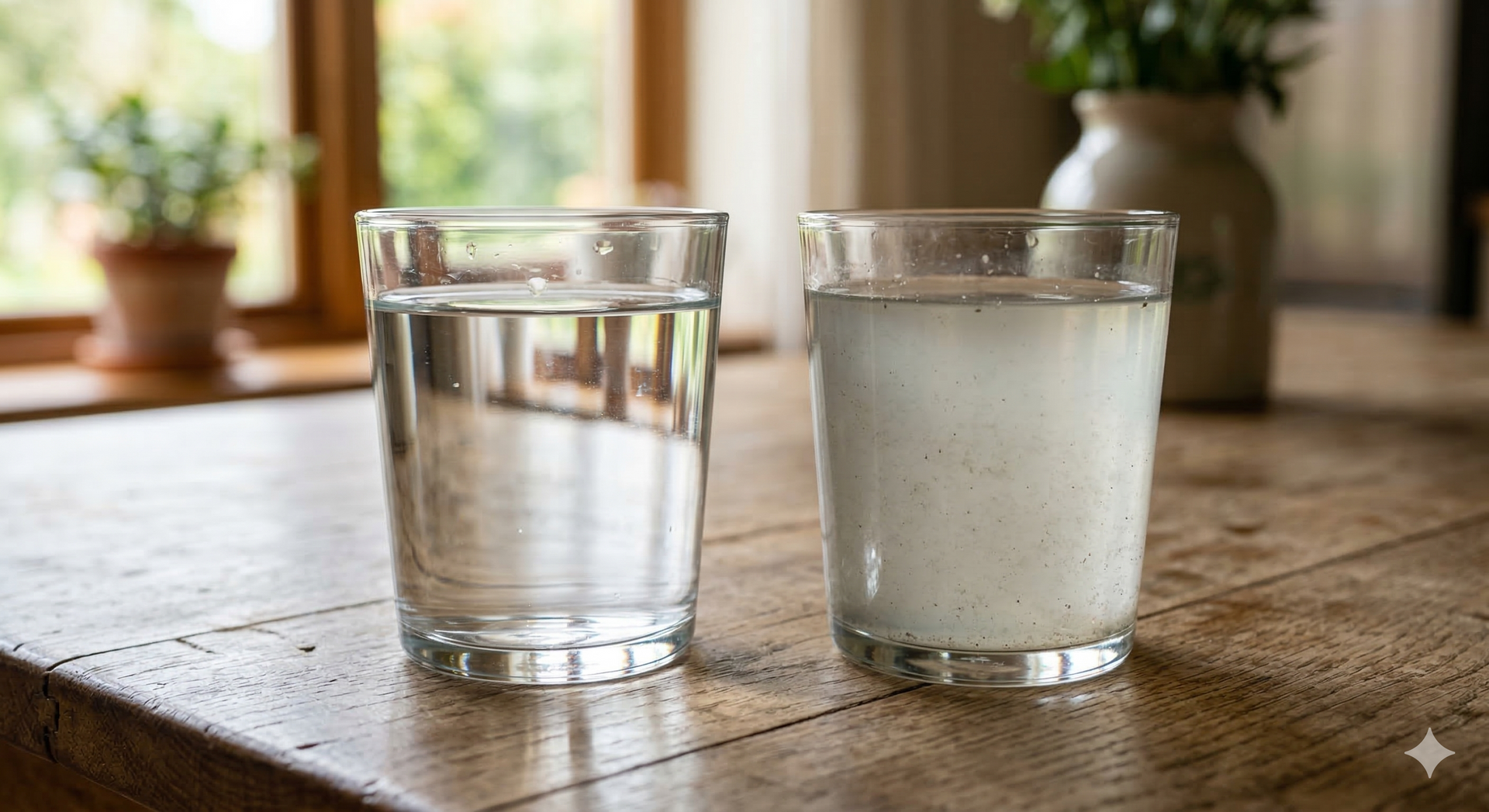
Water filters serve as vital guardians of household health, transforming tap water from a potential carrier of contaminants into a pure, safe resource for drinking, cooking, and daily use. In an era where municipal supplies face challenges from aging infrastructure, industrial pollutants, and emerging microbes, these systems remove impurities like chlorine, heavy metals, sediments, and pathogens with remarkable efficiency. Beyond basic purification, modern filters enhance taste, extend appliance life, and contribute to environmental sustainability by reducing bottled water reliance. This in-depth exploration covers the diverse types of water filters, their proven benefits, installation approaches, maintenance essentials, and selection strategies, equipping homeowners with the knowledge to make informed choices for superior water quality.
Types of Water Filters: A Comprehensive Overview
Water filters come in myriad designs, each tailored to specific contaminants and household needs, ranging from point-of-use units under sinks to whole-house systems at the main supply. Sediment filters act as the first line of defense, trapping rust, sand, dirt, and particulates through graded layers of pleated fabric or spun polypropylene, ideal for well water sources prone to turbidity. Carbon-based filters, including granular activated carbon (GAC) and carbon block varieties, excel at adsorbing organic compounds, chlorine, and volatile organic chemicals (VOCs) that impart off-flavors and odors—think of them as molecular sponges with vast surface areas equivalent to football fields compressed into compact cartridges.
Reverse osmosis (RO) systems represent the gold standard for comprehensive purification, forcing water through a semi-permeable membrane under pressure to eliminate up to 99 percent of dissolved solids, including lead, arsenic, fluoride, and nitrates, producing bottled-water quality from any source. Ultraviolet (UV) filters employ germicidal lamps to disrupt DNA in bacteria, viruses, and cysts like Giardia, offering chemical-free disinfection perfect for rural or rainwater-fed homes. Ion exchange filters, often softeners, swap calcium and magnesium ions for sodium to combat hard water scale, while advanced combinations like RO with UV tackle multifaceted threats synergistically.
Each type aligns with water quality profiles: municipal users favor carbon for taste enhancement, while private wells demand RO or UV for broader threats. Lifespans vary—sediment filters last 6-12 months, RO membranes 2-5 years—guided by flow rates measured in gallons per minute (GPM) and micron ratings from 1 to 50, determining particle capture. Selecting the right type hinges on a water test kit revealing total dissolved solids (TDS), pH, and hardness, ensuring targeted efficacy without overkill.
Key Benefits of Installing Water Filters
The advantages of water filters extend far beyond pristine drinking water, impacting health, finances, and home longevity in profound ways. Health-wise, they slash exposure to over 80,000 waterborne contaminants flagged by the Environmental Protection Agency (EPA), from PFAS "forever chemicals" linked to cancer to microplastics infiltrating food chains. Families report fewer gastrointestinal issues and improved skin clarity after filtration, as evidenced by longitudinal studies from the American Journal of Public Health showing reduced lead levels correlating with cognitive gains in children.
Economically, filters pay dividends rapidly: a whole-house system averts $500 annual plumber bills from scale-clogged fixtures, while under-sink units eliminate $1,000 in bottled water costs for a family of four. Taste elevation turns cooking into a delight—filtered water brews clearer coffee, infuses vibrant soups, and yields fluffier rice—enhancing culinary outcomes subtly yet noticeably. Environmentally, they curb plastic waste equivalent to 15,000 bottles yearly per household, aligning with zero-waste goals.
Appliance protection stands out: filtered water prevents limescale in water heaters, extending life by 30 percent and boosting efficiency to save 10-20 percent on energy bills. In laundry rooms, laundry room plumbing essentials like pre-filters before washers mitigate detergent residue buildup, preserving machine vibrancy and fabric softness over years. These multifaceted benefits compound, fostering a resilient, healthier home ecosystem.
Installation Options for Every Home Setup
Installation flexibility defines water filters, accommodating rentals, remodels, and permanent residences with minimal disruption. Point-of-use (POU) options, such as countertop pitchers or faucet-mounted units, require no plumbing—simply fill or twist on, delivering instant filtration for 40-150 gallons before swap-out, perfect for apartments or budget starts. Under-sink systems install via basic tools in 1-2 hours, connecting to cold lines with adapters and shutoff valves, often featuring dedicated faucets for pure output alongside unfiltered for chores.
Whole-house (POE) setups anchor at the main water entry, post-meter and pre-branching, using larger housings for 10-20 GPM flows to serve all taps simultaneously. Professional installation, recommended for RO or POE to ensure pressure regulation and waste line integration, takes 4-8 hours and includes bypass valves for maintenance. DIY kits abound with color-coded fittings and video guides, but complexities like tankless RO demand expertise to calibrate 40-60 PSI optimally.
Space-challenged homes embrace tankless or wall-mount designs, while smart variants link to apps for filter-life tracking via flow sensors. In older properties with galvanized pipes, pairing filtration with waterline repair and replacement fortifies delivery, preventing corrosion that undermines filter performance. Options scale seamlessly, from portable to permanent, matching lifestyle and infrastructure precisely.
Maintenance and Longevity Strategies
Sustaining water filter efficacy demands consistent care, transforming a one-time investment into decades of service. Pre-filters capture sediments quarterly, extending main cartridges twofold—flush systems bi-annually to dislodge trapped particles, restoring 95 percent flow. RO units thrive on annual sanitization with food-grade peroxide, membrane flushes, and TDS checks via handheld meters to detect 20 percent efficiency drops signaling replacement.
Softener resins regenerate monthly with salt bridges avoided through level checks, while UV lamps swap yearly post-9,000 hours. Record-keeping via logs or apps tracks usage against capacity ratings, preempting failures. Water quality fluctuations, like post-storm spikes, accelerate wear, so annual lab tests recalibrate needs.
Troubleshooting covers common hiccups: low pressure from clogged pre-filters resolves with backwashing, leaks from overtightened fittings via thread tape. Professional tune-ups, such as from All City Plumbers, include pressure testing and leak hunts, ensuring peak operation. These protocols minimize downtime, maximizing return on investment through vigilant stewardship.
Selecting the Right Water Filter for Your Needs
Choosing a water filter begins with honest assessment: test source water for TDS above 500 ppm favoring RO, hardness over 7 grains per gallon suiting softeners, or bacterial coliforms mandating UV. Budgets range $30 pitchers to $2,000 whole-house installs, with NSF/ANSI certifications—Standard 42 for aesthetics, 53 for health effects, 58 for RO—verifying claims against rigorous lab protocols.
Lifestyle factors weigh heavily: high-volume households prioritize 1 GPM flows, eco-conscious opt ceramic reusables over disposables. Capacity matches consumption—75 gallons daily for families. Reviews from Consumer Reports highlight reliables like Aquasana or Culligan, balancing cost per gallon at $0.02-0.10.
Consultants analyze reports, customizing hybrids like carbon-RO for city wells. Future-proof with expandable housings, ensuring adaptability as needs evolve.
Conclusion
Water filters embody empowerment over water quality, offering diverse types, profound benefits, and versatile installation paths to purify lives literally and figuratively. From sediment traps to RO precision, they shield against contaminants, economize resources, and elevate daily rituals while demanding thoughtful maintenance and selection. Embracing these systems not only secures healthier hydration but cultivates sustainable homes where every drop counts, proving that informed choices today yield purity for tomorrow.