Practical Tips for Maintaining Your Hot Water Heater Efficiently
Hot water heaters quietly power daily routines from showers to dishwashing, but neglect leads to higher energy bills, lukewarm water, or sudden breakdowns costing $1,000 or more to replace. Efficient maintenance keeps them running smoothly for 10-15 years, saving 10-20% on utilities through simple tasks like flushing sediment and checking safety valves. Anyone can handle these steps with basic tools, ensuring reliable hot water without surprises. This guide offers clear, practical advice tailored for homeowners, breaking down routines by season and covering common issues to keep your unit humming efficiently.
Understanding Your Water Heater Type and Basics
Tank-style heaters store 40-80 gallons heated by gas burners or electric elements, while tankless models heat water on demand for endless supply. Gas units have a pilot light or electronic ignition at the base, electric ones hide elements inside the tank accessed via panels. Check your model's label for capacity, voltage (240V for electric), or BTU rating (30,000-40,000 for standard gas), helping size maintenance right—larger tanks need more frequent sediment removal.
Sediment from hard water settles at the bottom, insulating elements and forcing harder work, while anode rods corrode sacrificially to protect the tank. Annual care focuses here, preventing rust that shortens life. Familiarity spots issues like no hot water (tripped breaker or gas supply) versus slow recovery (clogged dip tube). Start with a quick label read and serial number note for warranty lookups.
Monthly Visual and Safety Checks
Every month, glance at your unit for rust stains, leaks around the base, or bulging sides signaling internal pressure. Feel the tank—warm spots mean failing insulation, cool exteriors suggest standby losses. Test the temperature-pressure relief (T&P) valve by lifting its lever gently over a bucket; hot water should flow steadily then stop when released, indicating safe operation. Drips mean replace the valve for $20.
Inspect the drip pan under the unit, emptying any water and checking for cracks—install one if absent to route leaks to a drain. For gas models, ensure the flame burns blue, not yellow, signaling clean combustion; sooty buildup hints at venting issues. Electric units get a panel peek for corrosion on wires. These 10-minute checks catch 80% of dangers early, avoiding floods or fires.
All City Plumbers recommends logging findings with photos, creating a simple record for spotting trends like worsening leaks over time.
Seasonal Flushing and Sediment Removal
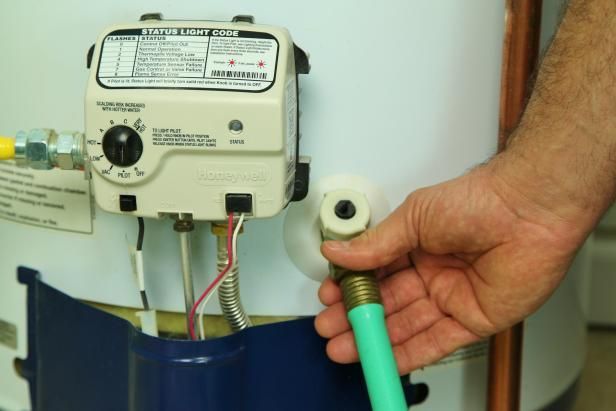
Twice yearly—in spring and fall—flush to purge minerals insulating the tank. Turn off power or gas, attach a garden hose to the drain valve at the base, and run to an outside spigot or floor drain. Open the valve slowly, letting cloudy water empty until clear, midway refilling with cold water via a faucet upstairs to stir sediment. Drain 5-10 gallons total, taking 30-45 minutes.
For stubborn buildup, add vinegar via the anode port for a soak, neutralizing minerals safely. Electric heaters need element removal for full cleans every 3 years—pros handle this best. Flushing restores efficiency, dropping energy use 5-10% and extending anode life.
Anode Rod Inspection and Replacement
The anode rod, a long magnesium or aluminum stick screwed into the tank top, rusts first to shield steel walls. Every 2-3 years, shut off water and power, then unscrew the rod with a socket wrench—expect corrosion, but 6 inches remaining means reuse with fresh compound. Replace with a powered anode using aluminum-zinc for longer life in hard water, torquing to 20 foot-pounds.
Cut rods fit tight spaces; dip tubes alongside deliver cold water deep for even heating—swap cracked ones during jobs. This $30 task doubles tank life, preventing pinhole leaks.
Temperature Settings and Insulation Upgrades
Dial thermostats to 120°F—hot enough for comfort, cool enough to save 3-5% energy per 10°F drop and curb scald risks. Insulate tanks with foam jackets ($20) fitting snugly, cutting standby losses 25-40% where basements chill water. Wrap inlet/outlet pipes with foam sleeves, prioritizing first 6 feet.
Tankless units need flow restrictors if oversized, matching demand. These tweaks pay back in months through lower bills.
Addressing noisy pipes ties into heater care too, as vibrating elements or water hammer from sudden hot bursts need expansion tanks at the inlet—installing one absorbs shocks, quieting bangs during showers.
Electrical and Gas Line Maintenance
Electric heaters: annually trip the double-pole breaker off-on to test breakers, wiping dust from panels with a dry cloth. Check heating elements with a multimeter for 10-15 ohms resistance; replace burnt ones via access ports. Gas lines demand annual flue inspections—clear nests or soot blocking exhaust, ensuring draft pulls fumes up chimneys safely.
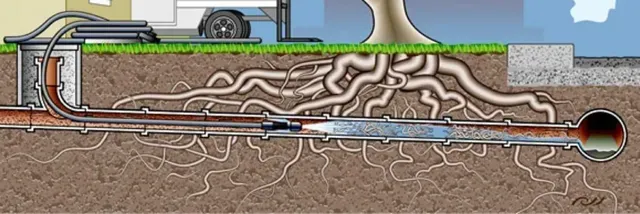
Waterline repair and replacement often uncovers heater strains from clogs upstream; pros clear these during service calls. Carbon monoxide detectors nearby add safety.
When to Schedule Professional Service
DIY shines for routines, but no heat, rumbling louder than normal, or error codes on tankless mean call experts for diagnostics like element swaps or burner cleans. Annual pro tunes cost $100-200, catching issues invisibly.
Conclusion
Maintaining your hot water heater efficiently blends monthly peeks, seasonal flushes, smart settings, and timely rod swaps into a hassle-free routine delivering endless hot water and big savings. From safety tests to insulation wins, these tips keep units reliable without overwhelm. Make them habits, and enjoy consistent comfort while dodging costly surprises for years ahead.