How to Prevent Condensation Drips on Heater Tanks?
Condensation drips on heater tanks represent a common yet often misunderstood issue that can lead to corrosion, reduced efficiency, and slippery hazards around vital home appliances. These droplets form when warm, moist air contacts the cooler surface of the tank, creating water that mimics a leak but stems from environmental factors rather than mechanical failure. This detailed guide delves into the science behind condensation, practical prevention strategies, and long-term maintenance protocols, empowering homeowners to maintain dry, reliable heater operations year-round. By addressing root causes proactively, you safeguard both equipment longevity and indoor comfort.
Understanding Condensation on Heater Tanks
Condensation occurs through a basic thermodynamic process: humid air cools upon striking a surface below its dew point, typically around 50-60°F for household humidity levels, causing vapor to condense into liquid droplets. Heater tanks, often colder initially or in cool basements, become prime collection points, especially during seasonal shifts or high-usage cycles when internal heating lags behind ambient moisture. This phenomenon intensifies in unconditioned spaces like garages or utility rooms, where temperature swings amplify the effect, leading to persistent puddles that erode protective coatings over time.
Distinguishing condensation from true leaks proves essential; drips from seams or valves signal urgent repairs, while external surface moisture evaporates quickly upon tank warmup. High-efficiency condensing models produce intentional internal condensate from exhaust gases, routed via dedicated drains, but external drips arise separately from poor insulation or ventilation. Homeowners frequently overlook this, mistaking benign moisture for failure, which delays proper interventions. Recognizing patterns—worse in humid summers or after cold fills—guides targeted solutions, preventing escalation into structural concerns.
Environmental contributors compound the issue: poor attic airflow traps steam from showers, while uninsulated cold water inlets chill tanks externally. Regular observation during peak humidity months reveals severity, setting the stage for customized prevention that balances cost, effort, and efficacy across gas, electric, and tankless configurations.
Diagnosing the Root Causes
Effective prevention begins with pinpointing triggers through systematic evaluation. Start by monitoring tank surface temperatures with an infrared thermometer; readings below 55°F amid 70%+ relative humidity confirm condensation susceptibility. Inspect surroundings for airflow restrictions—cluttered spaces or sealed doors elevate localized moisture, while nearby dryers or laundry exacerbate vapor loads.
Check inlet water temperatures; frigid groundwater below 50°F shocks warmer tanks, prompting rapid cooling and drip formation until equilibrium restores. Sediment-laden bottoms insulate heating elements unevenly, prolonging cold phases in upper sections prone to drips. Humidity gauges quantify ambient levels; exceeding 60% demands dehumidification, as excess vapor seeks any cool refuge.
Venting assessments reveal hidden issues: undersized flues on gas units recycle moist exhaust, chilling exteriors, while blocked intakes starve combustion, lowering output. Seasonal audits, conducted biannually, map these variables, creating a diagnostic profile that informs precise, multi-layered countermeasures without unnecessary overhauls.
Optimizing Temperature Settings
Adjusting thermostat settings forms the cornerstone of condensation control, targeting 120-140°F to minimize cold surfaces while curbing scald risks and energy waste. Newer digital models allow precise increments; raise gradually over hours, observing drip cessation as the tank stabilizes above dew point thresholds. Electric units respond faster, often resolving issues within a cycle, whereas gas counterparts require flue evaluations to ensure complete combustion avoids cool exhaust reversion.
Avoid extremes—below 115°F invites persistent moisture, above 160°F accelerates mineral scaling internally. Pair adjustments with usage analysis: larger families benefit from higher baselines during peaks, moderated by mixing valves at fixtures for safety. This recalibration not only halts drips but enhances efficiency, as warmer tanks reduce recovery demands, yielding measurable utility savings over months.
Document pre- and post-adjustment humidity alongside drip volumes for validation, refining as climates shift. Such thermal management proves foundational, complementing physical barriers for comprehensive protection.
Insulation Strategies for Tanks and Pipes
Insulating the tank exterior disrupts condensation by maintaining surface warmth, with fiberglass blankets or foam jackets—R-10 rated for optimal thermal resistance—encasing fully without impeding controls or vents. Select pre-cut kits sized to your model, securing with straps or tape, ensuring 75% coverage to trap heat effectively. These additions cut standby losses by 25-40%, stabilizing internals against external chills.
Pipe insulation targets cold inlets, where foam sleeves prevent "sweating" lines that chill adjacent tanks; apply from meter to unit, sealing ends with foil tape. Tankless walls demand heat tape on exposed sections, thermostatically controlled to avert overloads. Professional wraps incorporate radiant barriers, reflecting ambient warmth back inward for superior performance in variable climates.
Installation timing matters: wrap during low-use periods to avoid thermal shocks, testing integrity via moisture tests post-application. These barriers transform vulnerable exteriors into resilient shells, drastically reducing drip incidence while extending service life through corrosion deferral.
Enhancing Ventilation and Humidity Control
Adequate airflow dilutes moisture around heaters; install louvered panels or exhaust fans rated at 50 CFM to cycle air, targeting 4-6 exchanges hourly in enclosed spaces. Position intakes low and outlets high to leverage natural convection, preventing stagnant pockets. Dehumidifiers, sized to room volume (e.g., 30-pint units for 1,000 sq ft), maintain 40-50% RH, collecting gallons daily in peak seasons without over-drying.
Duct modifications for gas vents ensure upward slopes and B-vent compliance, expelling combustion byproducts efficiently to curb re-condensation. Sump integration in basements channels drips safely, paired with vapor barriers on floors. All City Plumbers specializes in these airflow overhauls, blending custom ductwork with humidity tech for seamless integration.
Routine fan filter cleaning sustains performance, with smart hygrostats automating cycles based on real-time readings. This environmental mastery eliminates condensation's breeding ground, fostering drier operations indefinitely.
Routine Maintenance Protocols
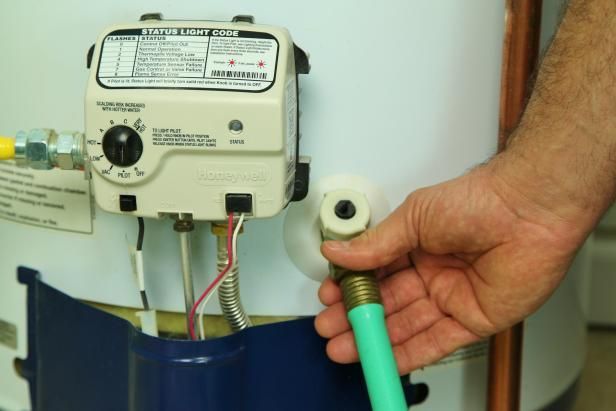
Annual flushing removes sediment that hampers heat transfer, prolonging cold phases; drain fully, refilling via hose to agitate deposits, restoring efficiency. Anode rod inspections every six months—sacrificial magnesium or aluminum variants—replace when 50% eroded, shielding tanks from internal pitting that indirectly worsens external drips.
Flue cleaning clears blockages, verifying draft via smoke tests, while TPR valve cycling confirms responsiveness without leaks. Water heaters benefit from cathode protection checks in softened systems, averting anode depletion. Log maintenance dates and observations, scheduling pros for electrical or gas diagnostics beyond DIY scopes.
These rituals avert the hidden dangers of neglected plumbing systems, where unchecked moisture fosters mold and rot unseen. Consistency yields compounding reliability, often halving service calls.
Conclusion
In conclusion, preventing condensation drips on heater tanks demands a holistic approach, blending temperature tweaks, insulation, ventilation, and diligent maintenance to outmaneuver moisture's persistent threat. By implementing these strategies—tailored through diagnosis—you not only eliminate nuisances but fortify your infrastructure against long-term degradation. Consult seasoned experts like All City Plumbers for bespoke solutions, ensuring your water heaters deliver unwavering performance and peace of mind for years to come.