How to Detect and Repair Hidden Water Leaks in Your Home
Hidden water leaks represent one of the most insidious threats to residential properties, silently eroding foundations, fostering mold growth, and inflating utility bills long before visible damage emerges. These covert issues often originate from aging pipes concealed within walls, slabs, or crawlspaces, where a pinhole corrosion or loose fitting can waste hundreds of gallons daily without a single drip alerting homeowners. In the United States alone, such leaks account for over 10 percent of household water loss, translating to billions in avoidable costs and structural harm each year. Detecting and repairing these problems demands systematic vigilance and targeted techniques, empowering you to safeguard your investment proactively. This comprehensive guide demystifies the process, from subtle signs and diagnostic methods to precise repairs and preventive measures, equipping you with professional-grade strategies suitable for any homeowner.
Understanding the Impact of Hidden Leaks
Hidden water leaks exert profound, multifaceted consequences that extend far beyond immediate moisture, compromising both your home's integrity and your family's health over time. Water seeping into subfloors warps hardwood and promotes black mold spores, which thrive in damp cavities and release allergens triggering respiratory issues, particularly in children and those with compromised immunity. Structurally, continuous saturation undermines joists and drywall, leading to sagging ceilings or buckling walls that demand extensive remediation costing thousands. Utility spikes serve as financial red flags—a 10 percent bill increase often signals 100 gallons daily vanishing unnoticed, per Environmental Protection Agency estimates.
These leaks frequently stem from galvanized steel pipes corroding after 20-30 years of service, PEX fittings loosening under thermal cycling, or slab penetrations failing in concrete foundations. In multi-story homes, gravity amplifies damage, channeling water downward to electrical panels or insulation, heightening shock risks. Awareness of these ramifications underscores the urgency of early intervention, transforming potential disasters into manageable fixes through informed detection.
Signs and Symptoms of Concealed Leaks
Recognizing symptoms of hidden leaks requires attunement to indirect indicators that precede overt flooding, allowing intervention before escalation. Elevated water bills without usage changes top the list—compare meter readings after 24 hours of total shutoff; a ticking dial confirms active flow. Warm spots on floors or walls, detectable by hand or infrared thermography apps on smartphones, suggest hot water circulation from ruptured supply lines beneath slabs.
Musty odors emanating from baseboards or cabinets signal trapped moisture fueling mildew, while unexplained mold patches near fixtures hint at supply-side breaches. Outdoor clues include lush grass patches over main lines or constant bubbling in yard drains from groundwater intrusion. Indoor humidity spikes above 60 percent, measured via hygrometers, correlate with concealed sources, as do peeling paint or warped tiles without recent spills.
Sound plays a pivotal role: hissing behind walls denotes high-pressure escapes, while toilets cycling silently indicate "phantom flushes" from faulty fill valves. Tracking these patterns over weeks builds a diagnostic profile, guiding targeted searches with confidence.
Tools and Techniques for Detection
Effective detection hinges on accessible tools bridging DIY accessibility with professional precision, enabling thorough sweeps without invasive demolition. Water meters provide baseline verification—shut off all fixtures and note non-zero readings signaling leaks. Dye tests illuminate fixture-specific issues: add food coloring to toilet tanks and await bowl migration within 15 minutes, revealing flapper failures wasting 200 gallons daily.
Listening devices amplify subtlety: acoustic stethoscopes pressed to pipes discern trickling versus normal flow, while affordable leak detectors with sensors placed in cabinets alert via apps to moisture events. For subsurface hunts, moisture meters probe drywall or slabs non-destructively, registering above 17 percent as problematic; infrared cameras visualize temperature differentials, with blue zones indicating evaporative cooling from active leaks.
Pressure gauges screwed into hose bibs quantify drops below 40 PSI after stabilization, pinpointing restrictions or breaches. These layered techniques, combined methodically room-by-room, yield 90 percent accuracy in isolating sources, minimizing guesswork.
Step-by-Step Inspection Processes
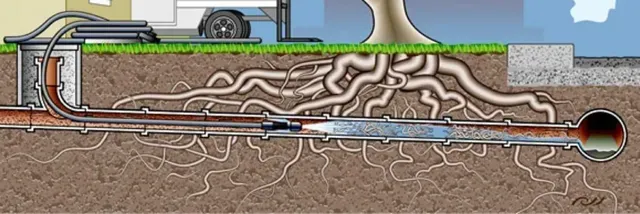
Systematic inspections transform suspicion into certainty, progressing from broad sweeps to granular verification across your home's plumbing zones. Commence outdoors: trace main lines from meter to house, excavating test holes at fittings and checking for soft soil or hissing. Indoors, isolate circuits by shutting zone valves sequentially, monitoring meter changes to compartmentalize issues—kitchen spikes implicate dishwasher lines, bathroom surges point to vanities.
Under sinks, disassemble cabinets fully, wiping surfaces dry before rechecking for re-wetting, and probe walls with meters behind access panels. Basements demand slab-edge scrutiny, tapping concrete for hollow tones suggesting voids from migration. Attics reveal roof penetrations or tank overflows via stained insulation.
Document findings with timestamped photos and pressure logs, prioritizing high-risk areas like addition remodels with untested ties. This disciplined progression ensures comprehensive coverage, surfacing even intermittent leaks through repeated cycles.
Repairing Common Hidden Leak Sources
Repair strategies vary by location and material, demanding precision to restore integrity without compromising flow. Slab leaks in copper lines often necessitate rerouting above concrete via PEX repipes, accessed through small chase openings; epoxy injections seal pinholes temporarily for pros to address root corrosion. Wall cavities require drywall excision around penetrations, replacing sections of pipe with sharkbite fittings for tool-free swaps, followed by antimicrobial drying.
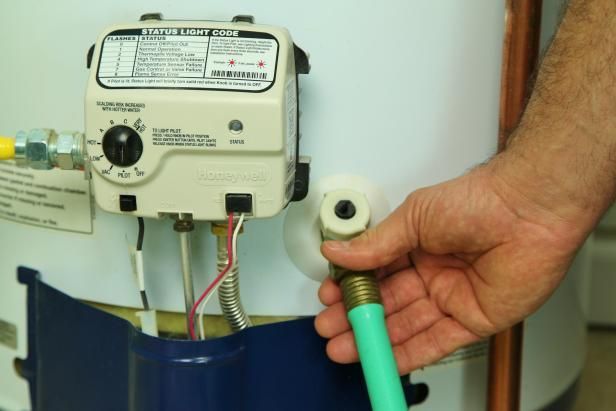
Fixture-related breaches, like corroded shutoff valves, resolve with full stem replacements, torqued to 20 foot-pounds after applying pipe dope. Expansion tanks on water heaters mitigate pressure-induced failures—installing a pre-charged bladder model at 60 PSI absorbs thermal growth, preventing micro-cracks in hot lines during cycles. Always depressurize systems pre-work, using buckets to capture residuals and avoiding solder near wood framing.
Post-repair hydrostatic tests at 1.5 times operating pressure confirm seals, held for 30 minutes sans drops. These targeted fixes, executed methodically, extend system life by decades.
When to Call Professional Services
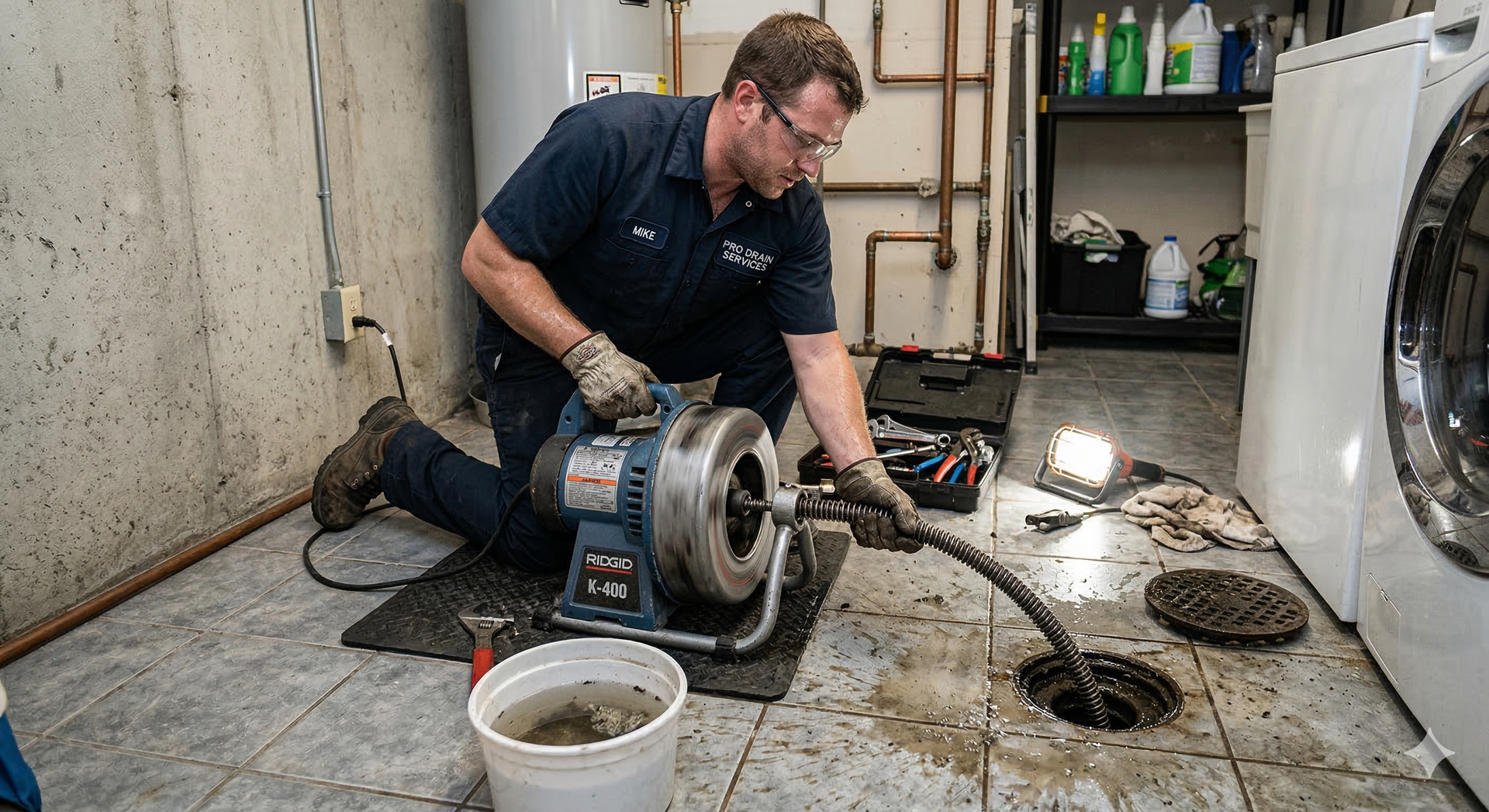
Certain leaks defy DIY resolution, signaling the need for licensed intervention to avert escalation. Persistent meter movement post-fixture isolation, subsurface concrete saturation, or electrical involvement demands experts equipped for precision excavation and non-destructive sonar location. Professionals deploy video snakes illuminating pipe interiors and acoustic correlators triangulating sounds to inches, slashing diagnostic time.
For complex reroutes involving permits or load-bearing walls, certified plumbers ensure code compliance, often uncovering upstream issues like municipal pressure surges. All City Plumbers exemplifies this caliber, blending state-of-the-art tools with licensed mastery for thorough restorations. Engaging them preempts recurrence through warranty-backed upgrades, such as dielectric unions preventing galvanic corrosion.
Preventive Measures Post-Repair
Sustaining repairs requires vigilant prevention, fortifying systems against recurrence through habitual and infrastructural enhancements. Annual pressure balancing via regulators caps surges at 80 PSI, while whole-home softeners neutralize minerals accelerating wear. Dishwasher maintenance integrates seamlessly—monthly filter cleans and gasket inspections avert internal floods cascading to subfloors.
Smart monitors with auto-shutoffs provide 24/7 guardianship, texting anomalies for remote isolation. Pipe insulation in attics and crawlspaces thwarts freeze-thaw cycles, and water alarms in cabinets offer layered alerts. These protocols, woven into routines, reduce leak probabilities by 70 percent, per industry longitudinal data.
Conclusion
Effectively detecting and repairing hidden water leaks demands attunement to symptoms, mastery of diagnostic tools, meticulous inspection protocols, adept repair techniques, professional discernment when needed, and resolute preventive strategies, collectively shielding your home from insidious damage. By embracing these practices, homeowners not only resolve immediate threats but cultivate resilient plumbing ecosystems that endure. Professional support amplifies every effort, ensuring your sanctuary remains dry, safe, and economically sound for years to come.