What Does It Mean When Water Backs Up Into the Bathtub?
Imagine stepping into your bathroom, only to find murky water rising in your bathtub—without even turning on the faucet. If you’re experiencing this issue, it’s a clear sign that something is wrong with your plumbing system. Water backing up into the bathtub is more than just an inconvenience; it’s an indication of underlying blockages, pressure imbalances, or even more serious sewer line problems. Understanding why this happens and how to fix it can save you from costly repairs and major headaches down the road.
When I Flush my Toilet it Fills up with Water?
Common Causes of Water Backing Up Into the Bathtub
1. Clogged Drain Line
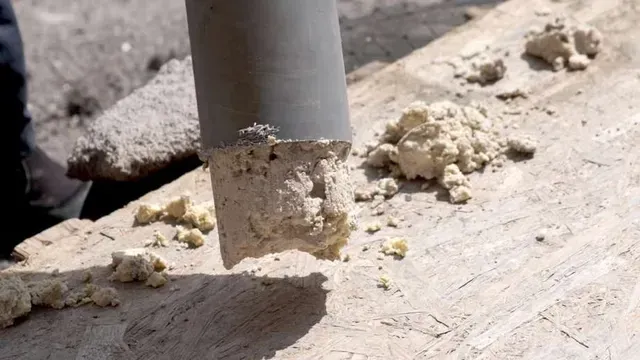
One of the most frequent causes of bathtub water backup is a clog in the drain line. Over time, hair, soap scum, grease, and debris can accumulate in the pipes, restricting the flow of water. When this happens, wastewater has nowhere to go but back up into the lowest available drain—often, your bathtub.
2. Blocked Vent Pipes
Your plumbing system relies on vent pipes to regulate air pressure and ensure proper drainage. If these vents become clogged with leaves, debris, or even a bird’s nest, the pressure within the system can force water back up into your bathtub. This problem can sometimes be identified by a gurgling sound coming from your drains.
3. Main Sewer Line Obstruction
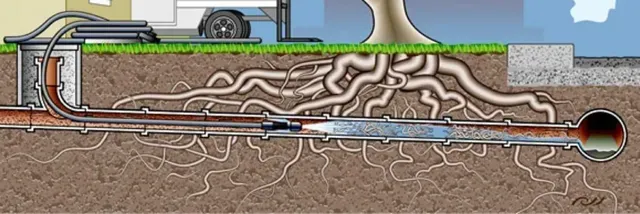
A blockage in your main sewer line is a more serious issue. If multiple drains in your home are affected—such as the sinks, toilets, and bathtub—it could mean that the sewer line is obstructed by tree roots, grease buildup, or a collapsed pipe. This situation requires immediate attention to prevent sewage backup into your home.
4. Septic Tank Problems
For homes that rely on a septic system, a full or malfunctioning septic tank can cause wastewater to back up into the bathtub. When the tank becomes too full, water has no place to go and will return through the plumbing system, manifesting in lower drains like bathtubs and showers.
How to Fix Water Backup in Your Bathtub
Step 1: Identify the Scope of the Issue
Before jumping to solutions, assess the extent of the problem. If only the bathtub is affected, the issue is likely local to that drain. However, if multiple fixtures are backing up, the problem is probably in the main sewer line.
Step 2: Attempt a Plunger Fix
A simple first step is using a plunger. Place it over the bathtub drain and pump forcefully to dislodge minor clogs. This works best for localized blockages but won’t help much if the main sewer line is the culprit.
Step 3: Use a Drain Snake
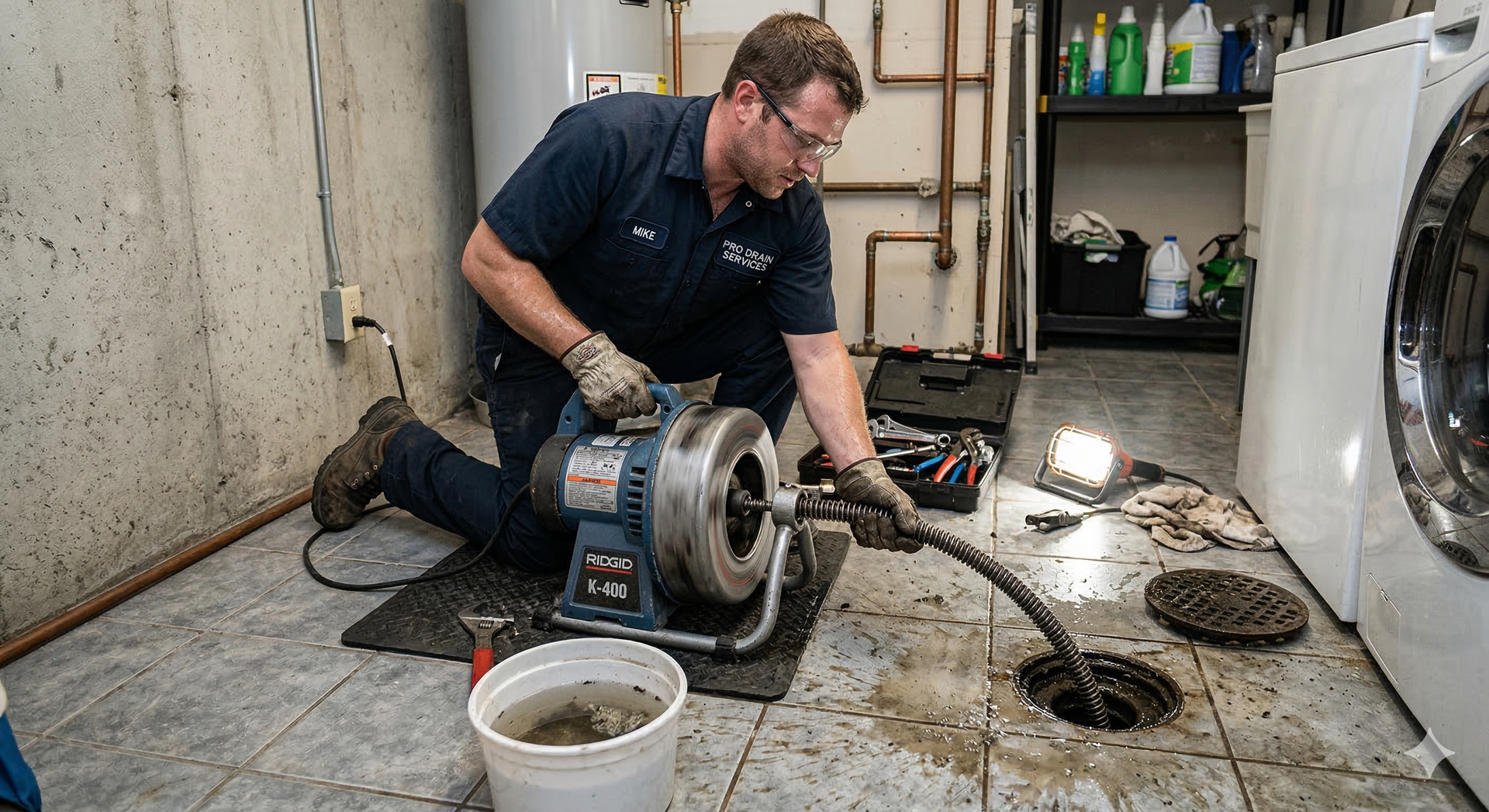
A drain snake or auger can be inserted into the drain to break apart stubborn clogs. For deeper blockages, a power auger may be necessary. Feed the snake into the drain while rotating it to snag and remove hair, soap scum, and other debris.
Step 4: Check the Vent Pipes
If you suspect a vent pipe blockage, climb onto the roof and inspect the vent openings. Clear any debris and run a garden hose down the vent to flush out any obstructions. If the problem persists, professional plumbing assistance may be required.
Step 5: Call a Professional for Sewer Line Issues
If multiple drains are affected, the main sewer line could be the issue. A professional plumber can use specialized cameras to inspect the pipes and hydro jetting to remove severe blockages. If tree roots have invaded the line, more intensive repairs may be necessary.
Risks of Ignoring Water Backup
Health Hazards
Standing water in your bathtub can harbor bacteria and mold, posing a risk to your health. Stagnant water can also attract pests, making the problem even worse.
Structural Damage
Persistent backups can lead to water damage in your bathroom. Leaky pipes and excess moisture can weaken flooring and walls, leading to costly repairs.
Escalating Plumbing Issues
A minor clog today can turn into a major sewer line problem tomorrow. Ignoring water backups may result in complete drainage failure, requiring expensive emergency plumbing services.
Preventive Measures to Avoid Future Problems
Regular Drain Maintenance
Preventive maintenance can keep your drains running smoothly. Pour boiling water or a vinegar-and-baking-soda mixture down the drain weekly to break down minor blockages.
Install Drain Covers
Drain covers or strainers can catch hair and debris before they enter the pipes, reducing the likelihood of clogs.
Be Mindful of What Goes Down the Drain
Avoid flushing grease, food particles, or foreign objects down sinks and bathtubs. These materials can accumulate over time, leading to stubborn blockages.
Schedule Professional Inspections
Annual plumbing inspections can catch potential problems early. A professional plumber can check for vent blockages, tree root invasions, and other issues before they become major concerns.
Conclusion: Take Action Before It’s Too Late
Water backing up into your bathtub is not just an annoyance—it’s a red flag that something is wrong with your plumbing system. Whether it’s a simple clog or a severe sewer line issue, taking immediate action can prevent further damage and costly repairs. By staying proactive with maintenance and knowing when to call in a professional, you can keep your home’s plumbing in top shape and avoid unexpected backups. If you’re dealing with this problem, don’t wait—address it now before it turns into a bigger issue.