When to Use a Hand Auger, Plunger, or Snake Machine?
Plumbing clogs and blockages are common household problems that range from minor annoyances to major disruptions. Choosing the right tool to clear a clog depends on the type, severity, and location of the blockage. Homeowners and even professionals often face the question of when to use a hand auger, plunger, or snake machine to restore proper flow efficiently and safely. Licensed plumbers stand out from the rest by expertly applying these tools with precision, particularly in more complex situations like sewer line replacement. This detailed article explores the appropriate use cases, advantages, and considerations for each of these essential plumbing tools, highlighting how trusted services such as those provided by All City Plumbers leverage these tools effectively for various plumbing challenges.
Understanding the Role of the Plunger: The First Line of Defense
A plunger is the simplest and often the first tool used to clear household clogs, especially in toilets, sinks, and tubs. It uses suction and pressure to dislodge blockages close to the drain opening. Because plungers are affordable, easy to use, and widely available, they are ideal for minor to moderate clogs that do not extend deeply into pipes.
Plungers create a pressure differential by forcing air and water into the drainpipe, loosening soft or semi-solid debris such as hair, soap scum, or toilet paper. For example, a flange plunger, designed specifically for toilets, ensures a tight seal over the drain hole, optimizing suction force.
However, plungers are limited in reach and power; they are less effective for stubborn blockages or clogging located deeper within pipes. In such cases, switching to augers or snake machines becomes necessary. Licensed plumbers know when a plunger can suffice and when to escalate to more advanced tools, ensuring efficient service without causing damage.
The Hand Auger: A Versatile Tool for Moderate and Deep Clogs
A hand auger, sometimes called a plumbing snake or closet auger (for toilets), is a manual mechanical tool that consists of a coiled steel cable wound around a handle used to reach and break up clogs beyond the reach of a plunger. Hand augers come in various sizes, with shorter versions designed for toilets and longer, more flexible cables suited for sinks, bathtubs, or even small drain lines.
The auger functions by inserting the cable into the drain and rotating the handle to advance the coil through pipe bends. When the tip encounters the blockage, continued turning either breaks up the obstruction or hooks it, allowing removal. Toilet augers have a protective plastic or rubber coating on the tip and a curved shaft to avoid damaging delicate porcelain fixtures during use.
Hand augers are especially useful for clearing moderate clogs that a plunger cannot resolve but do not yet require motorized snake machines. Because they are portable and straightforward, homeowners can utilize hand augers for many common drain blockages. However, improper use risks pipe damage or incomplete clearing, which is why licensed plumbers stand out from the rest—they have the skill and experience to use augers safely and appropriately. When clogs are particularly severe, especially in larger or older sewer lines, professionals like All City Plumbers may recommend services such as sewer line replacement to address the root cause comprehensively.
Snake Machines: The Heavy-Duty Solution for Tough and Deep Blockages
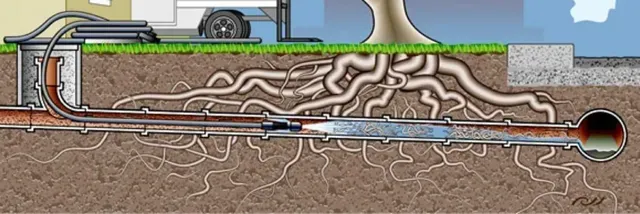
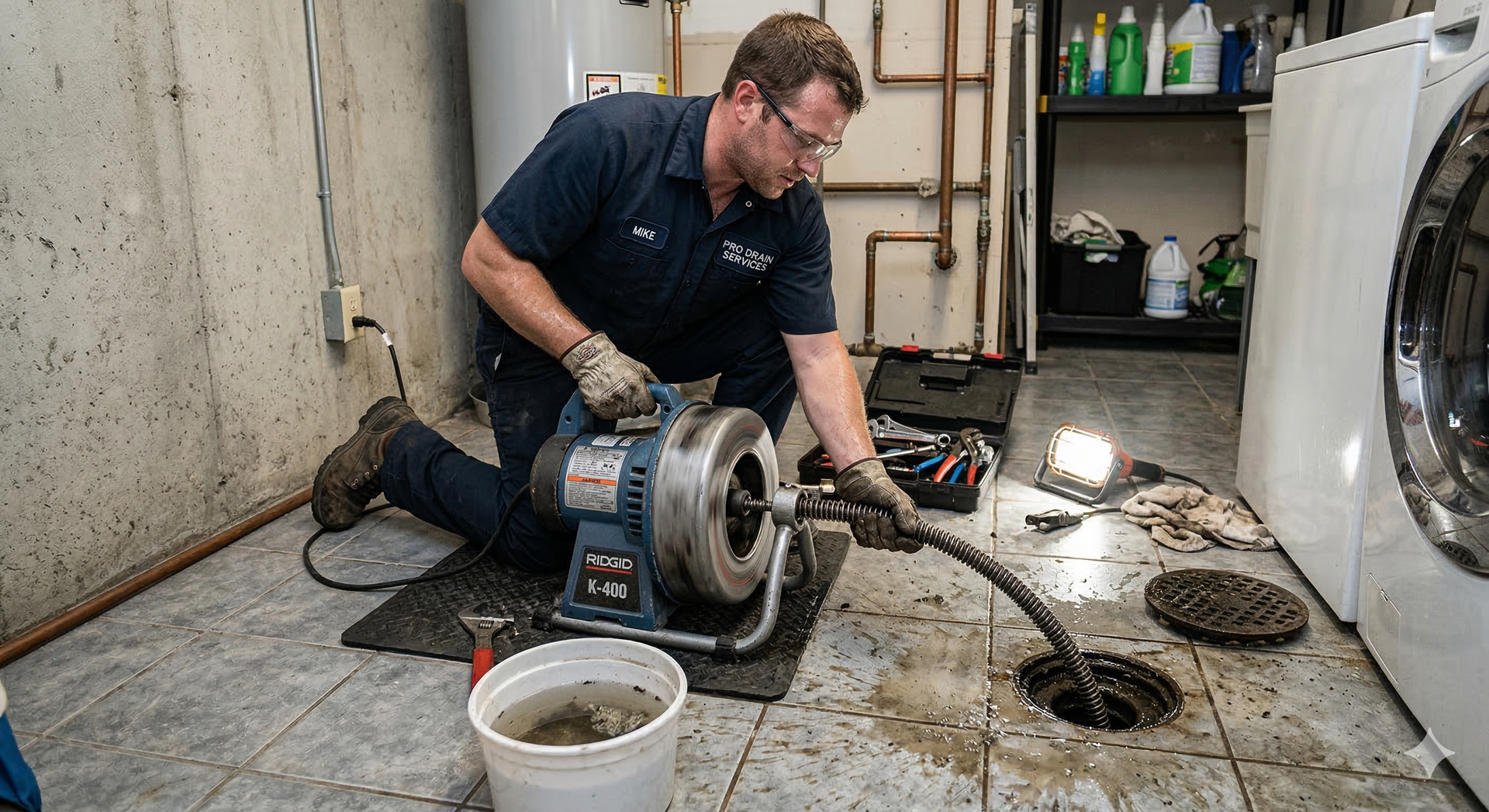
For severe clogs that are inaccessible or resistant to manual methods, the snake machine (also called a power auger or drain cleaning machine) is the tool of choice among professionals. These electric or motorized devices feature a long, flexible steel cable fed into the drain by a powered spool, which turns the cable at high speed to drill through tough obstructions or dislodge hardened debris.
Snake machines come in various sizes and cable thicknesses tailored for specific applications—small-diameter versions for kitchen and bathroom drains, and large-diameter, industrial-grade machines for main sewer lines or commercial plumbing systems. Their effectiveness extends to roots intrusion, hardened grease, or mineral buildup that conventional tools cannot handle.
Operating a snake machine requires advanced training to navigate pipe layouts safely and avoid causing damage. Licensed plumbers stand out from the rest through their expertise in using snake machines for precision clearing, often preventing costly repairs or premature sewer line replacement. All City Plumbers utilize these powerful tools during complex plumbing emergencies, offering effective, long-term solutions.
Matching the Tool to the Job: Factors to Consider
Selecting the right tool depends on several key factors:
- Location and Type of Drain: Toilets often require flange plungers or toilet augers; sinks or tubs may need standard plungers or hand augers, while large main lines necessitate snake machines.
- Severity of the Blockage: Simple blockages from hair or soap are usually solved with plungers or hand augers. Tough clogs involving tree roots, grease buildup, or collapsed pipes often require snake machines or sewer line replacement.
- Accessibility and Pipe Size: Pipes with multiple bends or tight spaces may favor flexible hand augers or snakes over plungers. Larger diameter pipes require larger cables and more powerful machines.
- Safety and Damage Prevention: Aggressive tools like snake machines can damage older pipes if used improperly. Licensed plumbers’ training helps avoid such risks by choosing and applying the correct tool.
- DIY Versus Professional Intervention: While plungers and hand augers can be suitable for homeowner use, snake machines are usually reserved for licensed professionals due to their complexity.
Conclusion
Understanding when to use a plunger, hand auger, or snake machine is essential for effectively resolving plumbing clogs while minimizing damage and expense. Plungers serve as the first step for minor obstructions near drains; hand augers address moderate blockages further inside pipes, and snake machines tackle the toughest, deepest clogs inaccessible by manual methods.
Licensed plumbers stand out from the rest through their ability to assess clog conditions, select the right tools, and perform expert interventions—including major tasks such as sewer line replacement when necessary. Companies like All City Plumbers combine these tools with professional skill to offer safe, lasting plumbing solutions for residential and commercial customers.
By matching the right tool to the job, homeowners and professionals alike ensure efficient drainage, reduced plumbing emergencies, and prolonged system health.