How Lead Pipes Affect Health and How to Replace Them?
Lead in plumbing systems remains a serious public health concern where old service lines, interior plumbing, or fixtures contain lead-bearing materials. Exposure to lead, even at low levels, can cause neurological, developmental, and systemic health problems, particularly in children and pregnant people. Replacing lead pipes requires careful planning, assessment, and execution to prevent contamination during the process and to ensure a permanent, safe water supply. This article explains how lead affects health, the replacement and repair process, leak isolation and patching methods for interim safety, and strategies for long-term maintenance and monitoring to protect occupants.
Health Impacts of Lead in Drinking Water
Lead is a toxic metal that accumulates in the body and interferes with multiple physiological systems. When present in drinking water, it is most harmful to developing nervous systems, causing cognitive impairment, learning difficulties, and behavioral changes in children. Adults exposed to lead can experience cardiovascular problems, kidney damage, and reproductive issues. The level of risk depends on concentration, duration of exposure, and individual susceptibility, which is why removing lead sources from the potable water supply is a critical public health intervention.
Lead leaches into water from service lines, solder, and older fixtures when water chemistry or stagnation promotes corrosion. Areas with acidic or soft water are more likely to leach lead from plumbing components. Local water quality and household usage patterns influence exposure; flushing stagnant water before use and using certified point-of-use filters can reduce short-term exposure, but the long-term solution is physical replacement of lead-bearing components.
Identifying Lead Pipes and Assessing Exposure
Identifying lead piping requires inspection and testing. Visual clues include dull gray, soft pipes that can be scratched with a key or coin, or fittings and solder dated to pre-1986 installations. However, visual inspection alone can be inconclusive, so water testing for lead concentration and material sampling by a qualified technician provide definitive evidence. Utility records sometimes indicate the material of the service line, but older installations may lack documentation. Professional plumbers and remediation specialists such as All City Plumbers can perform comprehensive assessments, combining material inspection, serial sampling, and coordination with local water authorities to prioritize replacements.
If testing reveals elevated lead levels, immediate steps include advising occupants on reducing consumption of tap water for drinking and cooking, providing certified filters or bottled water, and scheduling replacement work. Because disturbances during replacement can temporarily increase lead levels, careful planning, temporary mitigation measures, and post-work flushing and testing are essential to ensure the work reduces, rather than momentarily increases, exposure.
Planning a Lead Pipe Replacement Project
Replacing lead service lines requires coordination with the water utility, permitting authorities, and occupants. Projects may involve replacing a short interior section, the service line from curb to meter, or the entire route from the street mains to internal plumbing, depending on where lead is present. Contractors develop a scope of work that lists affected segments, materials to be used for replacement (commonly copper, PVC, or HDPE), required permits, trenching needs, and restoration plans for landscaping, sidewalks, and driveways.
Timing and sequencing are important because cutting and excavating can mobilize lead particles. Contractors typically schedule replacements during periods of moderate demand, use containment practices to prevent soil contamination, and implement flushing and sampling protocols immediately after replacement. Clear communication with occupants about temporary service interruptions, the need for precautionary flushing, and when filtered water is necessary ensures safety throughout the project.
Leak Isolation and Temporary Measures
Before any invasive work, isolating the section of the system to be replaced protects the rest of the potable system and limits the spread of lead-laden water. Technicians shut off relevant valves, depressurize segments, and set up temporary bypass pumping or alternative water supplies if continuous service is required. For interior lead pipe sections, localized shutoffs and careful removal of fixtures can limit disturbance.
Interim measures for properties awaiting replacement include installing NSF-certified point-of-use filters that remove lead, advising occupants to use cold water only for consumption, and flushing protocols to replace stagnant water before use. Addressing related systems that may affect water behavior—such as sump pump repair or other drainage equipment—can be relevant to protecting indoor plumbing. Questions like why does your sump pump keeps cycling frequently? may point to broader groundwater or pressure issues that indirectly influence corrosion or infiltration risks; evaluating these systems during planning helps create a comprehensive remediation strategy.
Replacement Techniques and Patching Methods
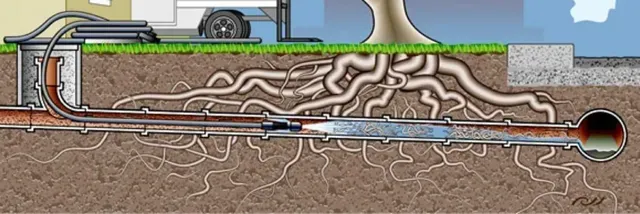
Full replacement involves excavating and removing lead service lines and installing modern, inert materials. Open-cut trenching is the conventional approach, exposing the entire length of the pipe for removal and replacement with new continuous pipe runs. Trenchless methods, such as pipe bursting or inserting a new carrier pipe with cured-in-place liners, are sometimes feasible for the service segment between the curb and the building; these methods minimize surface restoration but require careful handling to prevent disturbing lead particles.
For localized interior sections, plumbers may cut out short runs of lead pipe and install new copper or plastic segments using approved joining techniques. When cutting or soldering near remaining lead components, technicians use containment and clean-up procedures to capture debris and prevent contamination. Patching is generally a temporary measure for leaks; for health protection, patches should be viewed as stop-gap solutions until full replacement can be scheduled. When leaks occur in lead piping, short-term repairs use slip couplings, compression sleeves, or epoxy-lined inserts, but these are not substitutes for comprehensive removal when lead exposure is a concern.
Post-Work Flushing, Testing, and Certification
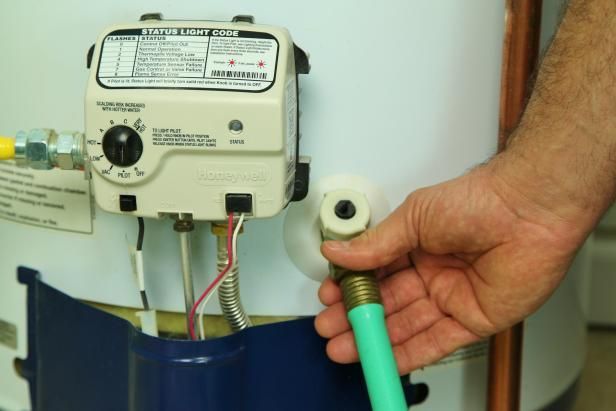
After replacement, flushing protocols are critical to remove residual particles and to stabilize water chemistry. Technicians perform systematic flushing of the replaced segments and downstream fixtures, followed by sampling to verify lead levels have fallen below regulatory action thresholds. Re-testing at multiple points, including first-draw and after stagnation samples, provides confidence that the replacement was successful. Documentation of test results, photographs of removed materials, and serial numbers for new service line materials should be kept for regulatory compliance and homeowner records.
In some jurisdictions, utilities require certification that service line replacements meet specifications and that lead-bearing waste was properly handled and disposed of. Contractors with experience in lead remediation will follow hazardous waste guidelines where applicable and provide owners with a clear report of the work and test outcomes.
Long-Term Maintenance and Monitoring
Replacing lead pipes ends the primary source of lead, but long-term vigilance maintains water quality and system health. Periodic water testing can detect unexpected changes from fixtures or corrosion in remaining components. Maintenance should include inspection of fittings, valves, and devices that may still contain lead-bearing alloys, and replacement of older fixtures that predate modern manufacturing standards.
Property owners and managers should adopt policies such as running taps after prolonged inactivity, servicing water-using appliances according to manufacturer guidance, and maintaining records of plumbing materials in the building. Routine coordination with water utilities and certified plumbers ensures any changes in municipal treatment or local water chemistry that could affect corrosion are addressed proactively.
Selecting a Qualified Contractor
Lead service line replacement requires contractors with training in lead-safe work practices, experience with water utility coordination, and the ability to manage excavation and environmental controls. Verify licensing, insurance, references, and documentation practices before hiring. Firms that provide comprehensive services—including assessment, replacement, post-work testing, and documentation—simplify project management. Reputable local providers and national contractors with local crews both offer viable options; ensure the chosen provider demonstrates experience with lead-specific projects and complies with the relevant health and safety regulations.
All City Plumbers and other qualified contractors can often provide end-to-end services: from initial testing and scope development through replacement, flushing, and lab-certified post-replacement sampling. Request detailed proposals that include the handling and disposal of removed lead materials, flushing and sampling plans, and expected timelines to minimize disruption.
Environmental and Regulatory Considerations
Lead is regulated by public health agencies, and service line replacements are often subject to local, regional, and national requirements. Programs to replace lead service lines might include cost-sharing or utility-led initiatives; property owners should inquire with their water authority about available assistance. Proper disposal of excavated lead materials, containment of soil during excavation, and remediation of any contaminated soils follow environmental protection guidelines and may involve specialist contractors.
Staying informed about evolving regulations ensures compliance and access to potential funding for replacement programs. Well-documented replacement projects protect property owners from liability and support public health objectives.
Conclusion
Lead pipe replacement is an essential investment in health and safety that requires careful planning, skilled execution, and thorough verification. While temporary measures such as point-of-use filtration, targeted patching, and flushing can reduce exposure in the short term, comprehensive removal of lead-bearing service lines and fixtures is the definitive solution. Proper isolation during work, containment of debris, and rigorous post-work testing ensure that replacement reduces risk rather than creating temporary spikes in contamination.
Engage certified contractors with lead-safe credentials and coordinate closely with your water utility to manage permitting, disposal, and testing requirements. Maintaining records, scheduling periodic testing for remaining plumbing components, and addressing related infrastructure issues—such as sump pump repair or drainage behaviors that may influence water chemistry—support long-term protection of potable water. With the right approach, property owners can eliminate lead risks and provide a safe, reliable water supply for occupants.