Understanding Water Pressure Regulators and When to Replace Them
Water pressure regulators (also called pressure reducing valves or PRVs) play a key role in protecting plumbing systems by keeping incoming municipal or well water pressure at safe, consistent levels. Left unchecked, high-water pressure can accelerate wear on fixtures, cause noisy pipes, trigger leaks, and shorten the life of appliances such as water heaters. This article explains how PRVs work, how to diagnose failures, the repair and replacement processes, methods for isolating leaks and patching associated piping, and best practices for long-term maintenance to preserve system performance.
How Pressure Regulators Work
A pressure regulator reduces varying incoming supply pressure to a stable downstream pressure using a spring-loaded diaphragm or piston assembly. When upstream pressure increases, the regulator modulates flow through a seat to maintain the setpoint downstream. Typical residential setpoints range from 50 to 60 psi, while commercial settings vary by application. Regulators protect downstream fixtures and piping from pressure spikes and thermal expansion effects, especially when combined with devices like expansion tanks to absorb increased volume in closed systems.
Signs of a Failing Regulator
Problems with a PRV can show as fluctuating pressure at taps, pounding or hammering noises, dripping faucets, or sudden leaks near fixtures. In homes with water heaters, failures may lead to frequent activation of relief valves or accelerated wear on tank components. Intermittent operation, where pressure is correct at some times and abnormally high at others, often points to a regulator that has lost proper spring tension or developed internal corrosion. Professional technicians from firms such as All City Plumbers commonly use test gauges to compare upstream and downstream pressures and determine whether the regulator is maintaining the setpoint under varying flow conditions.
Isolation and Temporary Measures
Before servicing a pressure regulator, isolate the section of piping to prevent water damage and simplify the work. Shutoff valves upstream and downstream of the regulator allow technicians to depressurize and drain the downstream piping. In systems without convenient isolation valves, plumbers may need to temporarily shut off the main supply or install temporary isolation fittings. For properties where other systems are sensitive to pressure changes, such as boilers or water heaters, coordination and careful staging of work are essential to avoid unintended relief valve activations or appliance damage. If other systems show symptoms—such as unusual cycling or behaviors—investigating related equipment can be important; for example, homeowners sometimes ask why does your sump pump keeps cycling frequently? to determine whether broader pressure or drainage problems are present.
Diagnostic Testing Procedure
Accurate diagnosis begins with measuring static and dynamic pressures using calibrated gauges. Static tests with no flow show the regulator’s baseline setpoint, while dynamic tests under demand assess how well the valve holds pressure during flow. Technicians also inspect for external leaks, corrosion, or signs of water hammer that may indicate downstream issues. If the PRV includes an adjustable screw or bolt, technicians may temporarily adjust the setting to verify responsiveness; however, persistent drift or failure to hold pressure generally indicates internal wear and the need for overhaul or replacement.
Repair vs Replacement Decisions
Minor issues such as a stuck seat or debris in the inlet screen can sometimes be remedied with cleaning, seat replacement, or seals and spring replacement. Many modern PRVs are modular, allowing for rebuild kits that replace internal diaphragms, springs, and seals. However, when regulators show widespread corrosion, valve body damage, or repeated failures, replacement is often the most cost-effective and reliable option. Replacement also offers the opportunity to upgrade to a higher-quality valve with improved flow capacity or better corrosion resistance, reducing the likelihood of future issues.
Patching Methods and Associated Pipe Repairs
When a failing regulator causes leaks or when removal is required, associated piping may need repair or patching. Small leaks at fittings are commonly resolved with replacing compression fittings, re-soldering copper joints, or installing new threaded connectors with appropriate sealing compounds. For damaged sections of pipe, technicians may cut out the affected length and install couplings or a short replacement run. In some retrofit scenarios, adding union fittings near the regulator simplifies future service by providing a convenient disconnection point.
In cases where the regulator is located in a congested mechanical room or underfloor space, localized access panels or small excavations (for buried services) might be necessary. Proper support and alignment of the replacement regulator and associated piping reduces stress on joints and helps prevent premature leaks.
Installation and Commissioning Best Practices
Correct installation ensures that the new regulator will function and be serviceable. Installers should confirm flow direction markings, provide upstream strainer screens, and include isolation valves on both sides to facilitate future service without shutting the entire building supply. A pressure gauge port downstream of the regulator allows easy testing and adjustment. After installation, technicians flush the downstream piping to remove debris, test static and dynamic pressures, and verify that the setpoint holds under expected flow conditions.
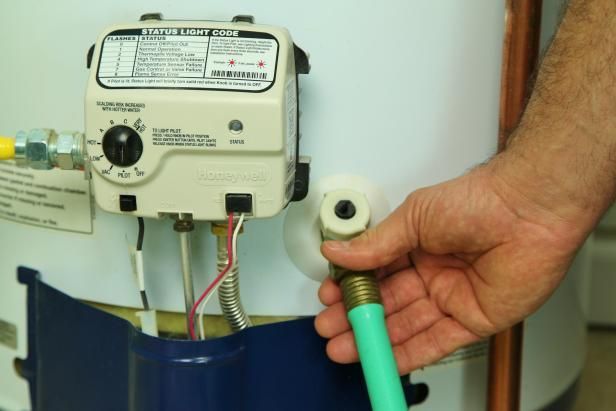
For closed domestic hot water systems, coordinate regulator settings with expansion tanks and water heaters to prevent thermal expansion from creating sustained overpressure. If the regulator setting is lowered significantly, verify that water heater relief valves and controls are compatible with the new pressure regime.
Long-Term Maintenance and Monitoring
Routine checks will extend the life of the regulator and the downstream plumbing system. Periodic visual inspections for external leaks, valve body corrosion, and sediment buildup in strainers are simple preventive actions. Regular pressure checks, especially after major municipal work or seasonal changes, help detect slow drift in regulator performance. Replace sacrificial components such as inlet screens and seals as part of a scheduled maintenance program.
Monitoring broader system symptoms can also reveal issues that indirectly affect regulators. Pumps, pressure tanks, and groundwater-control equipment interact with the pressure environment; homeowners and facility managers sometimes notice unrelated systems acting up and ask why does your sump pump keeps cycling frequently? since abnormal sump behavior can indicate changing groundwater pressures or a failing pump that influences overall plumbing conditions. Integrating regulator checks into a preventive maintenance plan that includes water heaters, pumps, and expansion tanks provides comprehensive protection.
When to Consult a Professional
Attempting PRV repairs without proper tools and training can create leaks or incorrect settings that damage downstream fixtures. Hire licensed professionals for pressure testing, valve replacement, and commissioning. Reputable service providers will document pre- and post-repair pressures, provide warranty information, and advise on compatible components for future maintenance. If your property experiences repeated pressure-related failures or if you plan to change system demand substantially—such as adding significant irrigation or new water heaters—consulting professionals ensures the regulator and system configuration match the anticipated load.
Cost and Lifecycle Considerations
Evaluate the lifecycle cost rather than just the initial part price when deciding between repair and replacement. A rebuild kit for a PRV may be economical for a lightly corroded valve, while persistent failures and associated downtime often justify full replacement with a higher-quality unit that carries a longer warranty. Consider also the cost of associated downtime and potential water damage if a regulator fails catastrophically. Proper sizing during replacement prevents cavitation and ensures long-term reliability.
Conclusion
Water pressure regulators are small components with outsized importance for plumbing system longevity and safety. Timely diagnosis, appropriate isolation during repairs, and thoughtful decisions between patching, rebuilding, or replacing ensure downstream fixtures and appliances—particularly water heaters—remain protected. Including regulator checks in a wider maintenance program that covers expansion tanks, pumps, and related devices reduces the chance of pressure-induced failures and improves system resilience.
Work with qualified plumbing professionals for accurate pressure testing, correct installation, and reliable commissioning. A proactive maintenance approach that monitors pressures, inspects strainers, and responds to shifting system behavior will minimize emergency repairs and extend the useful life of both the regulator and the broader plumbing system.