How to Prevent Backflow from Contaminating Your Home Water?
Backflow—the undesirable reversal of water flow that allows contaminants to enter a potable water system—poses a serious health and property risk. Preventing backflow requires a combination of proper devices, regular maintenance, correct system design, and awareness of conditions that create negative or positive pressure differentials. This article explains backflow causes and prevention strategies, describes common repair and isolation procedures, covers patching and device replacement methods, and outlines long-term maintenance to protect your home water supply.
Understanding Backflow and Its Causes
Backflow occurs when the normal direction of water flow is reversed, allowing non-potable water to mix with drinking water. There are two main mechanisms: backpressure, where downstream pressure exceeds supply pressure (often from boilers, elevated tanks, or pumps), and back siphonage, where a loss of pressure in the supply line creates suction that draws contaminants into the system. Common triggers include municipal main breaks, sudden high-demand events, malfunctioning pumps, and improper cross-connections between potable and non-potable systems.
Identifying risk areas in a property helps prioritize preventions. Irrigation systems, chemical feed lines, hose bibs near soil or fertilizer, water-cooled equipment, and auxiliary pumps are frequent sources of potential contamination. Professional contractors and service firms such as All City Plumbers routinely evaluate these cross-connections during inspections and recommend appropriate backflow prevention assemblies or changes to system layout to reduce risk.
Backflow Prevention Devices and Installation
Preventing contamination primarily relies on installing backflow prevention devices suited to the hazard level and system configuration. Reduced pressure zone (RPZ) assemblies, double-check valves, and air gaps are common solutions. RPZ valves offer a high level of protection against both backpressure and back siphonage and are typically required where contaminants present a health hazard. Double-check valves protect against lower-risk contaminants, while air gaps—physical separations between the end of a water supply and the receiving vessel—provide the simplest and most fail-safe protection when feasible.
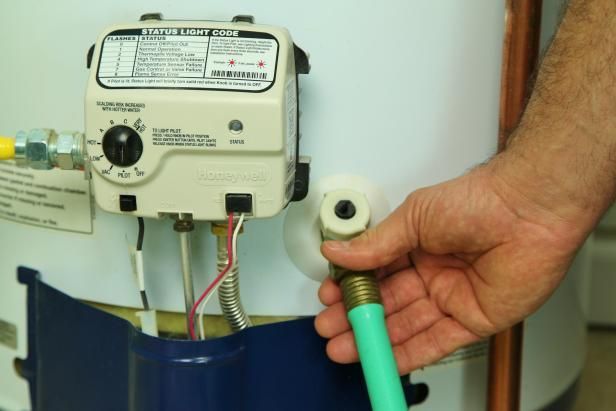
Proper installation requires precise placement, correct orientation, and often elevated positioning to avoid flooding. When a pressurized system includes components that can generate backpressure, such as water heaters or closed-loop heating, secondary devices or strategies may be necessary. Expansion tanks paired with check valves prevent thermal expansion from pushing water backward into the supply and reduce the risk of backpressure events in closed domestic hot water systems.
Inspection, Testing, and Repair Process
Backflow prevention devices must be inspected and tested regularly to remain effective. Annual testing is commonly mandated by local codes and involves certified technicians who simulate pressure conditions to confirm valve operation, leak tightness, and relief function. When tests indicate failure, immediate repair or replacement is required to restore protection. Repair processes vary by device; some components like seats and springs can be replaced in the field, while severe internal damage or corrosion may necessitate full assembly replacement.
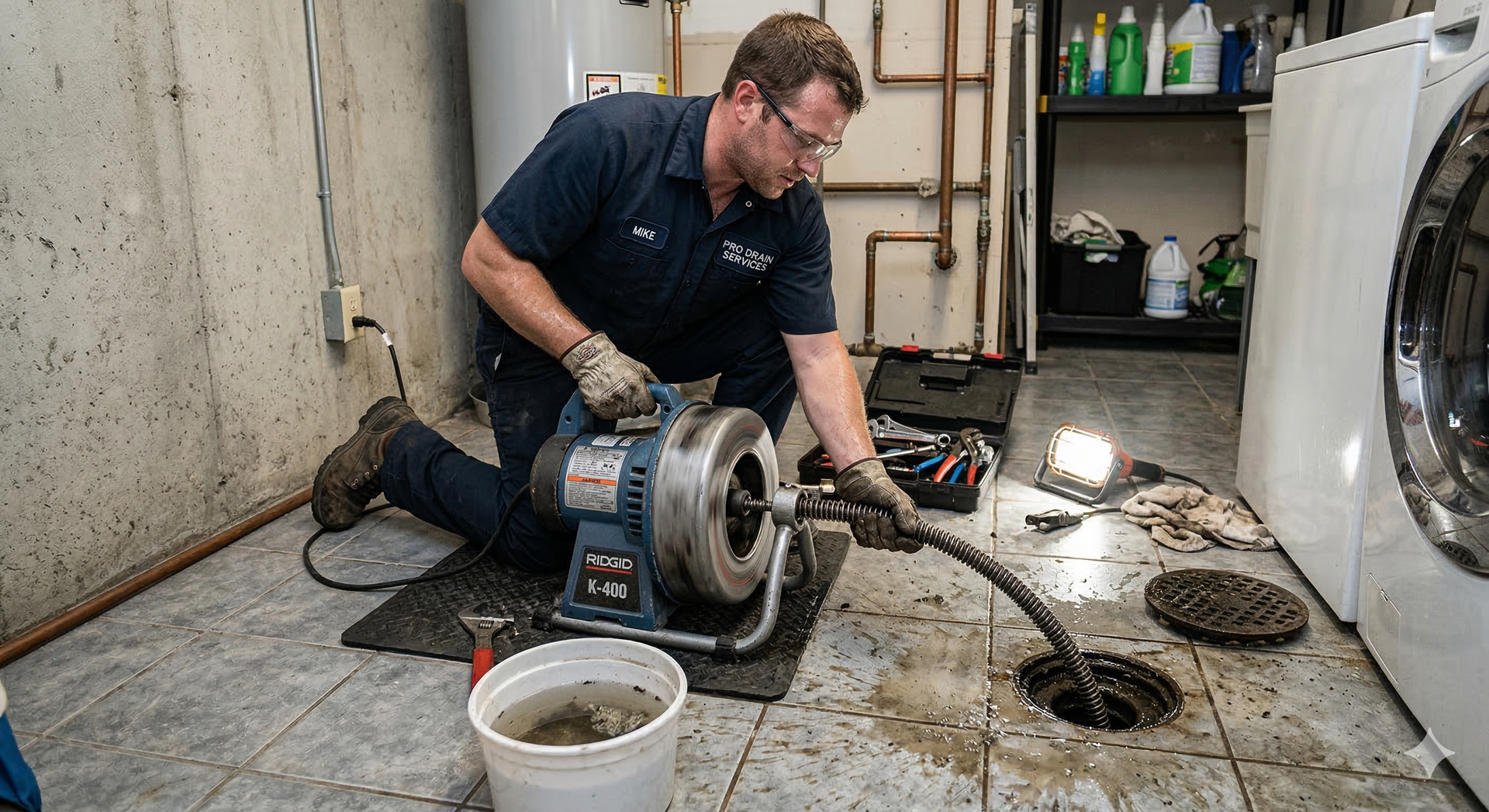
Isolating the affected section before repairs protects the potable system and simplifies testing. Technicians shut off upstream supply and drain the downstream piping as needed, then perform repairs or replacement. For systems with active contamination, temporary shutdowns may be required, and in certain commercial settings bypass arrangements are implemented to maintain service while protecting the potable supply. Understanding when to isolate, repair, or replace is a core competency of experienced plumbing professionals.
Patching and Localized Corrections
When the issue arises from localized failures—such as a leaky check valve or a corroded union—targeted patching or component-level replacement can restore function without full assembly replacement. Common patches include replacing worn seals, altering spring tension, and re-machining seats. Field repairs must preserve the original device’s certification parameters; improper parts or adjustments can compromise performance and violate codes.
For leaks in piping connected to backflow devices, conventional plumbing repairs like cutting out and replacing short sections of pipe, installing couplings, or re-soldering joints are standard. In some situations, relocating a device to a more accessible or protected position reduces the risk of future damage and simplifies maintenance. Always ensure that repairs are performed by qualified technicians and that the system is retested and certified after work is completed.
System Design Considerations to Minimize Backflow Risk
Good system design reduces dependency on devices alone. Separating potable and non-potable services where possible, using dedicated lines for irrigation and chemical feeds, and installing accessible air gaps at filling points are effective design strategies. Pressure-regulating valves, properly sized expansion tanks, and appropriately configured pumps reduce the likelihood of pressure imbalances that cause backpressure or back siphonage.
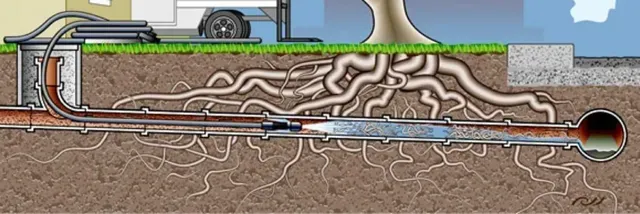
Addressing peripheral drainage and groundwater issues is also part of a resilient design. For properties with frequent drainage interactions, questions like why does your sump pump keeps cycling frequently? may indicate high groundwater or incorrect pump sizing that could influence subsurface sanitary lines or create pressure anomalies. Coordinated design of stormwater and sanitary systems, with attention to sump pump discharge and infiltration pathways, helps protect potable water from indirect contamination.
Maintenance Programs and Long-Term Care
Long-term protection requires scheduled testing, preventive maintenance, and timely component replacement. Test records should be kept and reviewed to detect trends such as progressively weakening springs or recurrent leaks, which indicate systemic issues rather than isolated failures. Preventive tasks include lubricating moving parts where appropriate, replacing sacrificial components before they fail, and keeping valves and enclosures free of debris and corrosion.
When a property has multiple backflow risk points or complex water use patterns, establishing a maintenance contract with a competent service provider simplifies compliance and ensures timely interventions. Companies experienced in both residential and commercial installations, including those offering broader plumbing and heating services, can combine backflow management with related work such as expansion tank servicing, water heater maintenance, and sump pump inspections to provide a holistic program.
Regulatory Compliance and Documentation
Many jurisdictions mandate registration, annual testing, and certification of backflow prevention assemblies. Compliance protects public health and reduces liability for property owners. Maintain copies of installation permits, test reports, repair records, and device serial numbers to facilitate inspections and transfers of ownership. When working with municipal water supplies, coordination with the water authority ensures devices meet local standards and that any required notifications are completed before or after work.
Failure to comply can result in fines, service restrictions, or mandated upgrades, so it is prudent to stay current with local ordinances. Professional service providers can manage the administrative burden and ensure that testing is performed by certified personnel using calibrated gauges.
Choosing a Qualified Service Provider
Selecting an experienced and licensed plumbing contractor is critical. Look for firms that provide certified backflow testing, maintain traceable calibration records for test equipment, and demonstrate familiarity with a range of devices and system configurations. Reputable companies will explain failure modes, provide cost-effective repair versus replacement analyses, and carry appropriate insurance. Firms with broad capabilities, such as inspections, piping repairs, and water heater services, can handle related tasks in a single engagement, reducing coordination delays.
Many property owners rely on established local contractors or national firms with local branches for reliability. Before hiring, request references, verify certifications, and ask about warranties on repair work and replacement assemblies. A transparent contractor will provide clear documentation and retesting after any repair.
Conclusion
Protecting your home from backflow contamination combines sound system design, correct device selection and installation, and disciplined maintenance. Devices like RPZ assemblies, double-check valves, and simple air gaps form the frontline defense, but their effectiveness depends on proper installation, yearly testing, and timely repairs. Addressing related system components—such as expansion tanks and sump pump behavior—reduces the operational conditions that lead to backflow incidents and strengthens overall resilience.
Engage qualified professionals for inspections, testing, and repairs, and keep thorough records to demonstrate compliance and protect your property. With proactive planning and consistent maintenance, you can greatly reduce the risk of backflow events and ensure your drinking water remains safe and uncontaminated.