5 Tips to Maintain Your Garbage Disposal This Winter
As the chill of winter sets in, your garbage disposal might be working overtime. From holiday meal prep to clearing out food scraps, it’s easy to forget this kitchen essential needs a little TLC. But cold weather can make your disposal more prone to clogs, odors, and wear. Why? Grease solidifies faster in lower temperatures, and pipes are more susceptible to freezing. So, let’s dive into some easy maintenance tips to keep your garbage disposal humming happily all season long.
"Top Signs Your Garbage Disposal Needs Repair"
Why Winter Maintenance Matters
Winter isn’t just tough on your heating bill—it’s tough on your garbage disposal too. With heavier use during the holidays and the cold causing fats and oils to harden, it’s no surprise disposals can get jammed or clogged more often. Regular maintenance ensures smooth operation, prevents unpleasant smells, and avoids those mid-dinner party breakdowns.
Can’t Skip the Cleaning
Cleaning your garbage disposal isn’t just about keeping it fresh—it’s about avoiding buildup that could lead to clogs and dull blades. Winter foods like grease, gravy, and starchy leftovers can stick around longer in the colder months, making frequent cleanups even more critical.
3 Quick DIY Cleaning Tips
- Citrus Power – Toss lemon or orange peels into the disposal for a fresh scent and natural cleaning boost.
- Vinegar Ice Cubes – Freeze vinegar in ice trays and grind them to remove gunk and sharpen blades.
- Baking Soda and Vinegar Mix – Pour baking soda followed by vinegar into the disposal, let it fizz, and rinse with hot water to clear debris.
5 Tips to Maintain Your Garbage Disposal This Winter
1. Run Cold Water During Use
Always use cold water when running your garbage disposal. It helps solidify grease, making it easier to grind up and flush out without coating your pipes. Never use hot water while grinding as it can melt fats and create stubborn clogs.
2. Limit Holiday Food Scraps
Think twice before throwing turkey bones, potato peels, or fibrous vegetables like celery into the disposal. These items can jam the unit or dull the blades. Instead, compost where possible and only grind smaller, softer scraps.
3. Let It Run Longer
After feeding food scraps into the disposal, let it run for an additional 10–15 seconds with water. This ensures everything is flushed through the pipes, reducing the risk of clogs in colder months.
4. Inspect and Tighten Connections
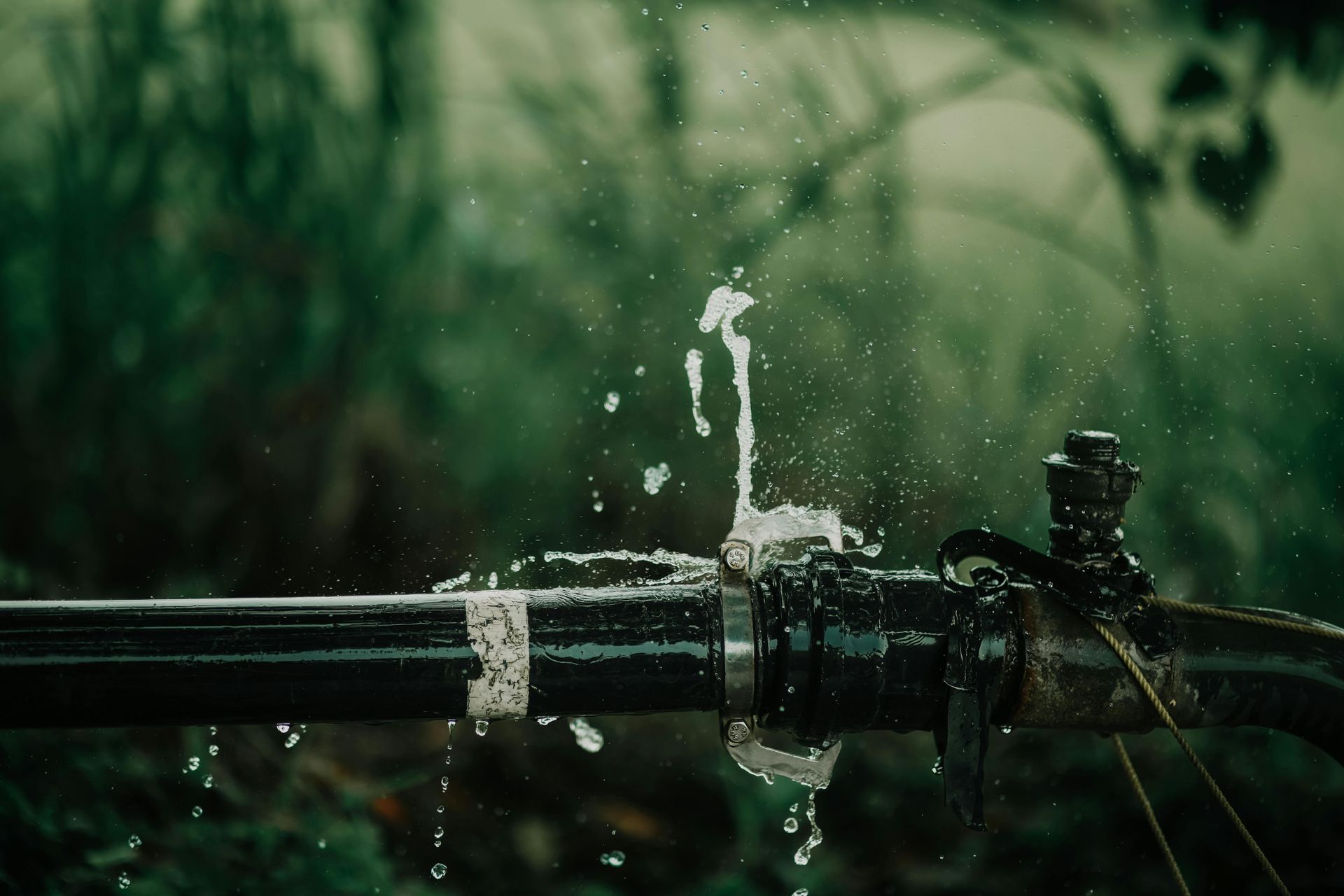
Cold weather can cause materials to contract, loosening your disposal’s connections to the drainpipes. Regularly check for leaks or drips under the sink and tighten any loose parts to keep things secure.
5. Schedule a Winter Check-Up
If your garbage disposal is older or showing signs of wear, consider having a professional plumber inspect it. They can identify any issues before they become full-blown problems, saving you from costly repairs later.
What Not to Do to Your Garbage Disposal
- Don’t pour grease or oil down the drain. It hardens in cold weather and clogs your pipes.
- Don’t grind fibrous foods. Celery, corn husks, or onion skins can tangle the blades.
- Don’t overload the unit. Feed food scraps gradually to prevent jams.
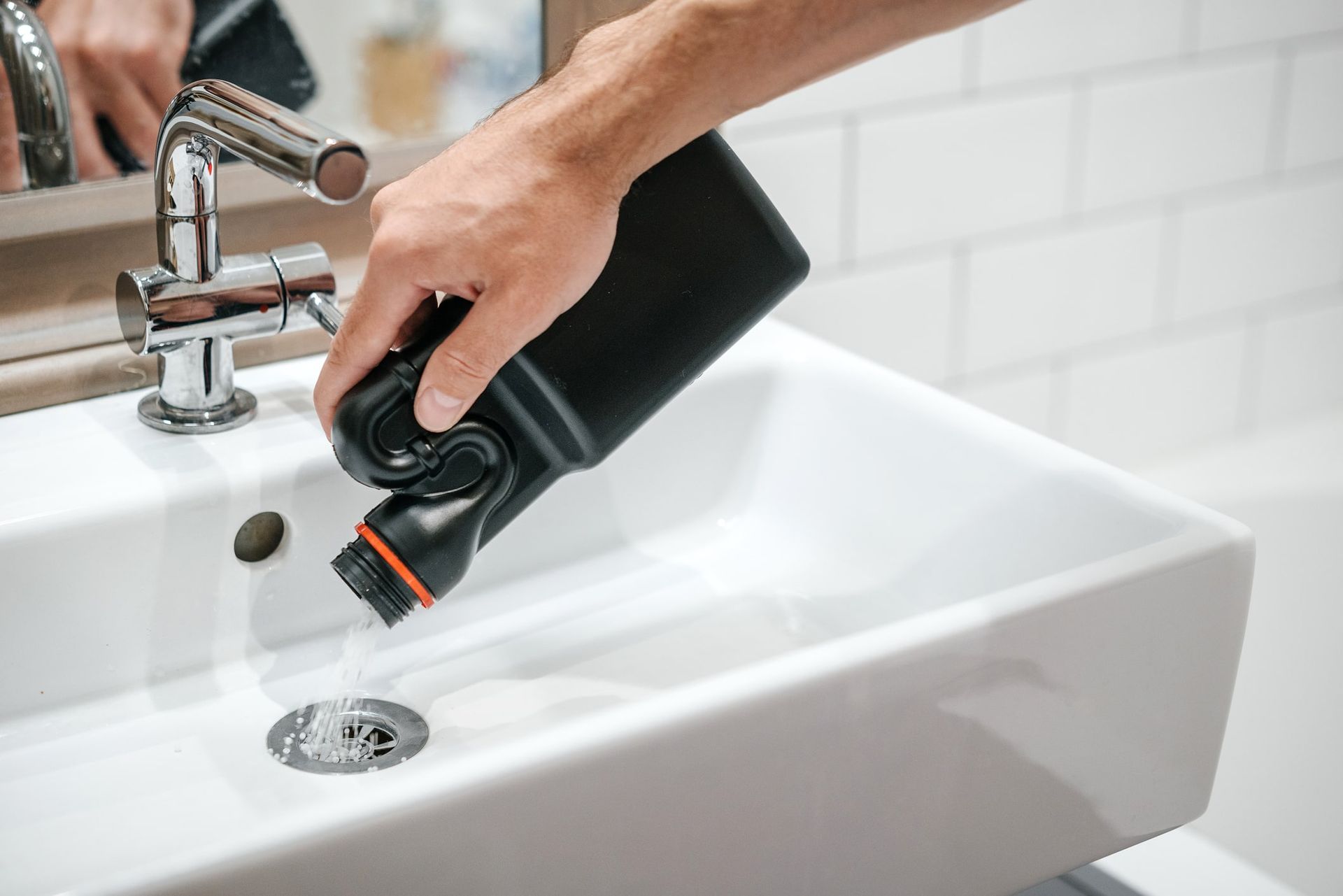
- Don’t use chemical drain cleaners. These can damage the disposal’s parts.
How to Troubleshoot Common Garbage Disposal Problems
| Problem | Likely Cause | Solution |
|---|---|---|
| Disposal won’t turn on | Tripped breaker or disconnected power | Check circuit breaker and reset disposal. |
| Loud grinding or rattling | Foreign object stuck | Turn off, check for objects, and safely remove them. |
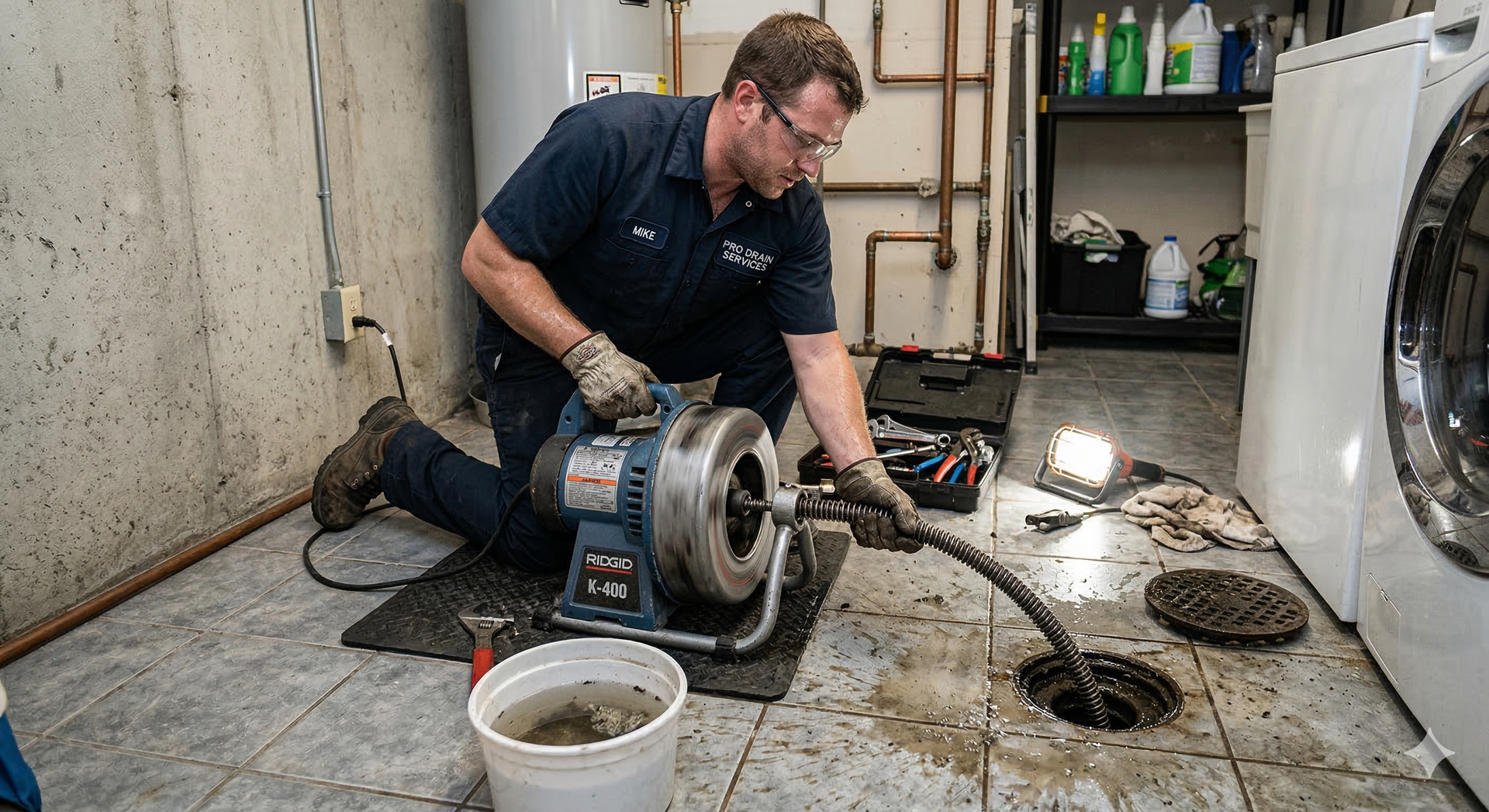
| Water backing up into the sink | Clogged drain | Use a plunger or drain snake to clear the clog. |
| Foul odors | Food buildup | Clean with vinegar and baking soda or grind citrus. |
| Leaking from the base | Worn-out seals or loose connections | Tighten connections or call a professional plumber. |
An inspection by a plumber can go a long way
An inspection by a plumber can go a long way in maintaining the health of your garbage disposal, especially during winter when it faces added stress. Professionals can identify hidden issues like worn-out components, small leaks, or buildup in the pipes that might escape your notice. Addressing these problems early prevents costly repairs or replacements down the line. Plus, a plumber can provide expert cleaning, tighten loose connections, and ensure your disposal is functioning efficiently, saving you time, money, and the headache of dealing with unexpected breakdowns.
Conclusion
Your garbage disposal works hard, especially during the winter months. With these tips, you can keep it running smoothly, avoid clogs, and enjoy a stress-free kitchen. A little maintenance goes a long way in preventing issues—and when in doubt, don’t hesitate to call a professional for help. Keep your disposal happy, and it’ll return the favor all winter long!