How to Choose Between Repairing vs Replacing a Water Heater?
Deciding whether to repair or replace a water heater can feel daunting, especially when the unit supplies daily hot water for showers, laundry, and dishwashing. A clear understanding of the repair process, how leaks are isolated and fixed, patching methods, and sensible long-term maintenance will help homeowners make confident, cost-effective decisions. This article explains the practical signs and steps to evaluate, and how professional help can guide the right choice for your household.
When Repairing Makes Sense
Repairing a water heater is often the best option when problems are limited in scope and the unit is otherwise in good condition. Common repairable issues include a failed heating element, a malfunctioning thermostat, a clogged sacrificial anode, or a tripped pressure-relief valve. In many cases, replacing a single component restores reliable service at a fraction of the cost of a new tank. Before authorizing repairs, homeowners should consider the age of the unit, recent service history, and the cost of the part and labor compared to the remaining useful life of the heater.
Signs That Indicate Replacement
Replacement becomes the practical choice when repair costs approach or exceed the value of a newer, more efficient unit, or when multiple major components are failing. Tanks older than 10 to 15 years are more likely to develop internal corrosion, resulting in leaks or reduced performance. Recurrent issues, such as repeated thermostat failures or frequent trips of the pressure-relief valve, can signal underlying degradation. Newer water heaters also offer improved energy efficiency, better warranties, and modern safety features that can lower utility bills and reduce future repair expenses.
The Repair Process Explained
Professional repair begins with a careful diagnosis. A technician inspects the exterior and interior of the tank, checks thermostats and heating elements, tests electrical connections or gas components, and measures water temperature and pressure. For electric heaters, the service may include replacing elements or thermostats and checking for sediment buildup that reduces efficiency. For gas units, repairs might focus on pilot assemblies, thermocouples, burners, or venting systems. Technicians document findings, explain repair options and costs, and recommend whether replacement should be considered based on age and condition.
Leak Isolation Techniques
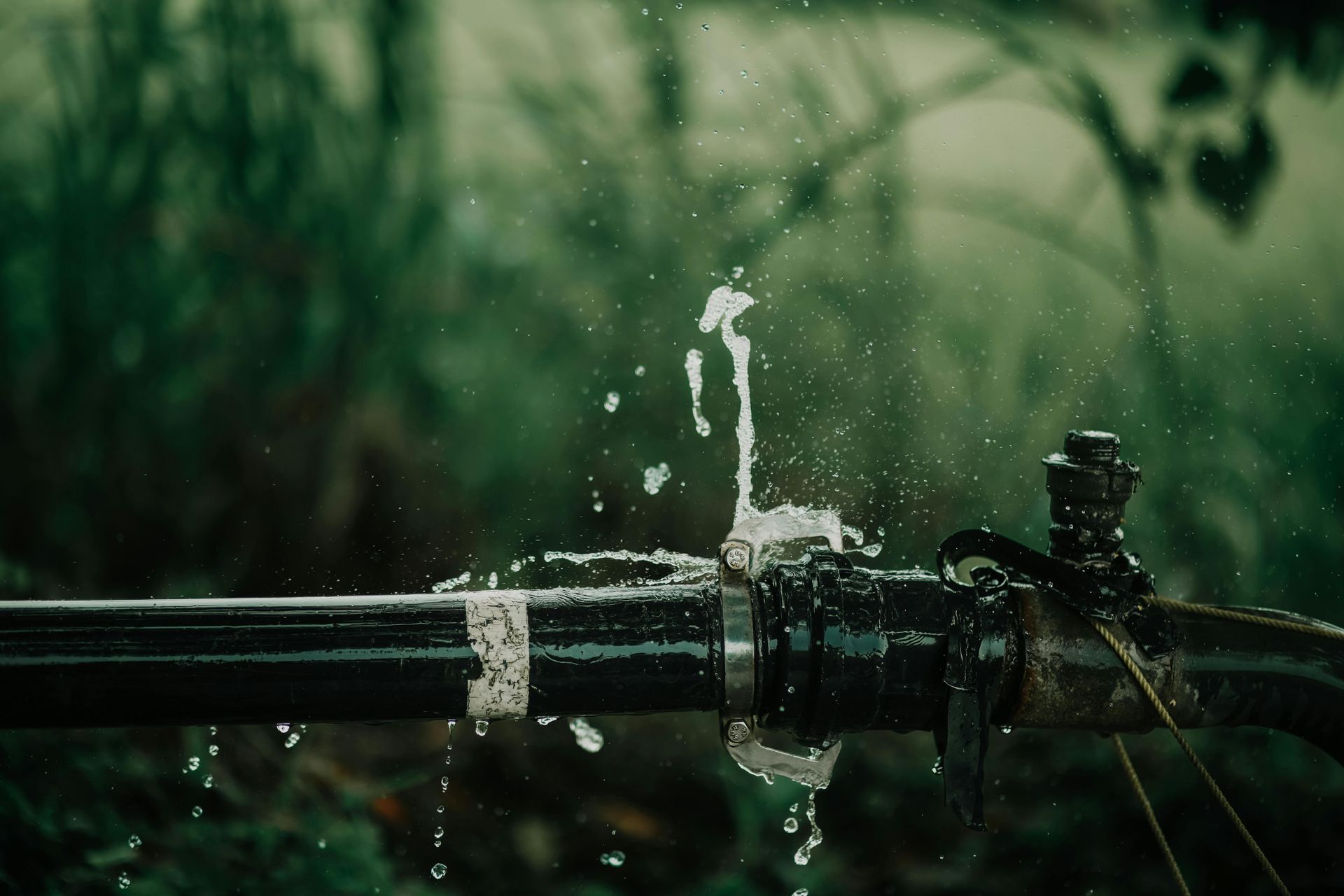
When a water heater leak is suspected, isolating the leak quickly prevents water damage and helps determine the repair path. The first step is shutting off the water supply to the unit and cutting power at the breaker for electric heaters or turning off the gas for gas heaters. Technicians then trace the leak source—common locations include the tank seam, inlet or outlet fittings, the drain valve, or the temperature-pressure relief valve. Temporary measures, such as closing isolation valves or applying pipe clamps, may be used to stop active leaks while parts or a replacement are procured. Containment of any leaking water and drying of affected areas reduces the risk of mold or structural damage.
Patching Methods and Materials
Patching a water heater or its connected plumbing depends on the origin and severity of the leak. Small threaded fitting leaks can often be corrected by replacing washers, redoing pipe joint compounds, or installing new compression fittings. Leaks at the drain valve may be resolved by replacing the valve with a higher-quality, longer-lasting model. For small cracks in external fittings or connections, epoxy repair kits or pipe-repair clamps provide short-term solutions, but these are not substitutes for replacing a compromised tank. If corrosion has eaten through the tank shell or there is a hairline leak in the tank itself, patching is typically a temporary fix and replacement is recommended to avoid sudden failure and water damage.
Considerations for Energy Efficiency and Upgrades
Upgrading to a new water heater can offer improved energy efficiency and long-term savings, particularly if the existing unit is old or inefficient. Modern gas and electric tanks feature better insulation and more precise controls; tankless and hybrid models add options for increased efficiency, reduced standby losses, and potentially endless hot water. When comparing the cost of repairs to replacement, factor in energy savings, expected lifespan, and available rebates or incentives. A professional from firms such as All City Plumbers can provide estimates that include both installation and lifecycle operating costs to make the economic comparison straightforward.
Understanding Water Pressure Regulators and Their Role
Household water pressure affects how a water heater performs and how long its components last. Excessive inlet pressure increases stress on inlet fittings, valves, and the tank itself, while low pressure can make recovery times longer and reduce hot-water flow at fixtures. Understanding water pressure regulators and their correct settings is important when diagnosing water heater issues. If pressure fluctuations are found, installing or adjusting a regulator can prevent repetitive stress on the heater and minimize leaks caused by high-pressure cycling.
Long-Term Maintenance Best Practices
Routine maintenance extends the life of a water heater and reduces the likelihood of emergency replacements. Flushing the tank annually or semi-annually removes sediment that impairs heat transfer and accelerates corrosion. Inspecting and replacing the sacrificial anode rod as needed helps protect the tank’s interior from rust. Periodic testing and replacement of the temperature-pressure relief valve and ensuring proper venting for gas units maintain safety. Conserving hot water through efficient fixtures, lowering the thermostat to a safe but economical setting, and scheduling professional inspections help homeowners avoid abrupt failures and keep running costs down.
When Safety and Liability Matter
Safety considerations weigh heavily in the repair-vs-replace decision. A leaking water heater can cause structural damage and mold growth, while faulty gas or electrical components pose fire and carbon-monoxide risks. If an inspection reveals compromised structural integrity, severe corrosion, or repeated failures that could endanger occupants, replacement with modern safety features is the responsible choice. Professional installers follow local codes, test combustion and venting, and verify electrical connections to reduce liability and ensure safe operation.
Budgeting and Decision Framework
To make a balanced decision, homeowners should compare immediate repair costs with the projected remaining life of the water heater and the price of a replacement, including installation. Consider intangible costs such as the inconvenience of repeated service calls, the potential for water damage from future failures, and anticipated energy savings from newer technology. Requesting a written estimate that outlines repair scope, parts, labor, and warranties, and comparing it to a replacement quote with performance projections, provides a clear basis for decision-making. Working with licensed professionals helps ensure estimates are realistic and that safety and code requirements are included.
Choosing a Qualified Technician
Selecting a reliable technician affects both the performance and the longevity of repairs or replacement installations. Licensed plumbers with experience in water heaters evaluate system compatibility, offer warranty-backed parts, and perform correct sizing and venting during replacements. Look for clear communication about timelines, permits, and disposal of the old unit. Some companies provide service agreements that include periodic inspections, priority scheduling, and discounted repairs; firms advertising local expertise and comprehensive service, such as All City Plumbers, often combine installation and ongoing maintenance expertise.
Conclusion
Choosing between repairing and replacing a water heater involves assessing the unit’s age, condition, frequency of failures, and the relative costs of repair versus replacement. Thoughtful diagnosis, careful isolation and repair of leaks, and appropriate patching methods can restore service when issues are limited and the tank remains structurally sound. Routine maintenance and attention to water pressure and inlet conditions help extend service life and reduce unexpected failures.
When the tank shows significant corrosion, multiple failing components, or ongoing reliability issues, replacement usually offers better safety, efficiency, and peace of mind. Working with qualified technicians, documenting service, and weighing lifecycle costs will help homeowners make the right choice that balances budget, safety, and long-term performance.