Everything You Need to Know About Septic Tank Pumping
Septic tank pumping is an essential service for maintaining the health and longevity of on-site wastewater systems. Regular pumping prevents solids from accumulating to the point where they clog pipes, damage drain fields, or cause untreated wastewater to back up into the home. Homeowners, property managers, and technicians benefit from understanding not only when to pump, but also the surrounding repair processes, leak isolation techniques, patching methods, and long-term maintenance practices that keep septic systems working reliably.
Why Regular Pumping Matters
Septic tanks separate solids from liquids and rely on natural bacterial digestion to reduce solid volume. Over time, sludge and scum build up and occupy more capacity, reducing retention time and allowing solids to escape into the drain field. This can cause clogging of the soil pores and failure of the leach field, which is often expensive to repair or replace. Regular pumping restores the tank’s effective capacity, reduces hydraulic overload on the drain field, and helps maintain the biological balance necessary for the system to treat effluent effectively. Many professional service providers, including All City Plumbers, recommend inspection intervals and pumping schedules based on tank size, household size, and water usage patterns.
Diagnosing Problems Before They Worsen
Early detection of septic system issues saves money and prevents environmental contamination. Signs of trouble include slow drains, foul odors near the tank or leach field, unusually lush green areas over the drain field, and sewage backups. Technicians use visual inspections, measurement of sludge and scum layers, and sometimes dye testing to identify flow paths and areas of infiltration. Pressure testing and camera inspections of connecting pipes can reveal blockages or breaks that require repair. Proper diagnosis guides whether a full pump-out is necessary, whether localized repairs will suffice, or whether more extensive remediation of the drain field is required.
The Pumping Process
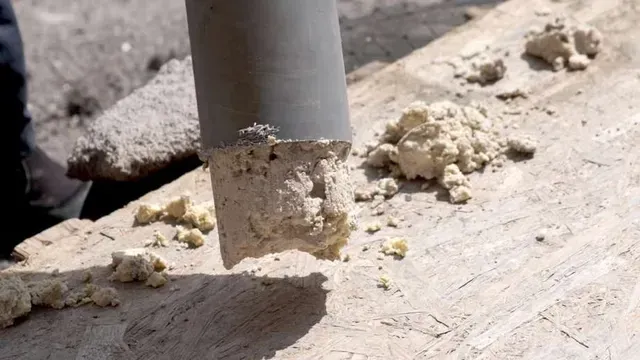
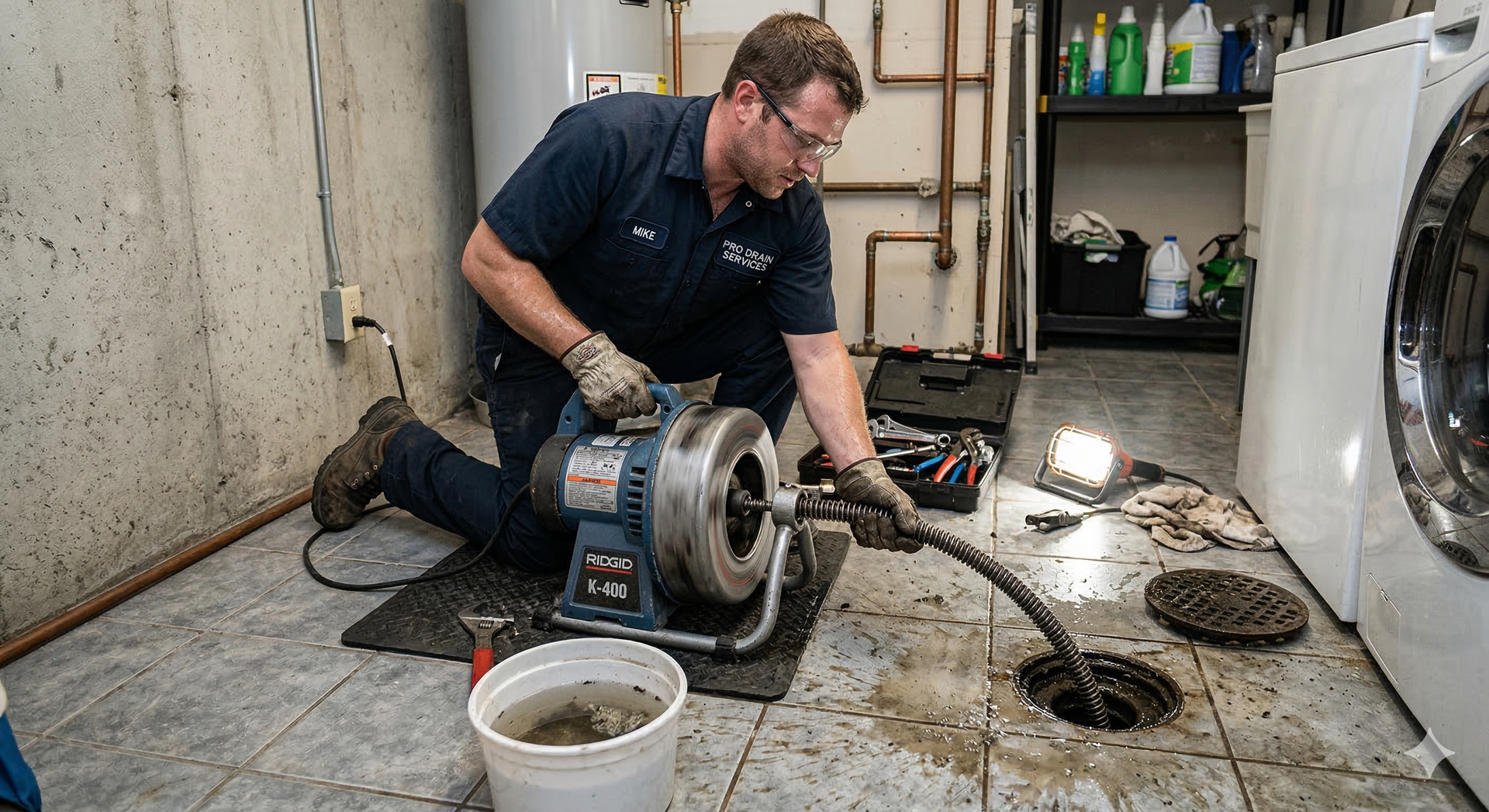
Pumping a septic tank begins with locating the tank and uncovering access risers or lids. The technician opens the tank and uses a vacuum hose from a truck-mounted pump to remove accumulated sludge, scum, and liquid. Skilled operators take samples and measure layer depths during the process to inform recommended pumping intervals. After pumping, the technician may inspect baffles and the condition of the tank interior, looking for cracks, corrosion, or structural failures. If the tank contains significant amounts of solidified material that cannot be removed by vacuuming, mechanical agitation or manual cleaning may be required, performed by trained personnel following safety protocols.
Repair Process for Tanks and Pipes
When inspections reveal structural damage or pipe failures, repairs proceed in a controlled sequence. Small cracks in concrete tanks can often be patched with hydraulic cement or epoxy-based compounds formulated for wastewater environments. Corroded metal tanks may be lined with specialized coatings, though replacement is often the more durable option. For broken inlet or outlet pipes, excavation around the damaged area allows removal and replacement of the failed section, restoring proper flow and preventing soil infiltration. During repairs, maintaining system integrity means minimizing the time the tank is open and ensuring temporary flow diversion if necessary, so effluent does not contaminate the work area or the surrounding soil.
Leak Isolation Techniques
Isolating leaks in septic systems requires careful containment and testing to prevent contamination and protect workers. When a leak in a pipe or tank is suspected, technicians first reduce household water use to lower flow through the system. Dye tracing can help locate the path of leaks into the soil or surface water. For active leaks, temporary clamps, mechanical seals, or inflatable pipe plugs may be used to stop the flow while a permanent repair is prepared. If the leak involves contaminated groundwater or surface release, containment measures such as trenches or berms combined with pumping and dewatering equipment prevent spread. Proper personal protective equipment and adherence to environmental regulations are critical during leak isolation and cleanup.
Patching Methods and Materials
Patching a septic tank or associated piping depends on the material and extent of the damage. Concrete tanks with hairline cracks typically respond well to hydraulic cement patches that expand as they cure, creating a water-tight seal. Larger failures or spalling may require a concrete resurfacing product applied after removing loose material and preparing the surface. Plastic tanks—often polyethylene—can be repaired using solvent welding or specialized plastic patch kits that bond to the tank material. PVC and ABS pipe repairs commonly use couplings, solvent welds, or mechanical clamps; cast-iron or steel pipes often need sleeve repairs or full section replacement due to corrosion. Products chosen for patching must be rated for wastewater exposure and temperature ranges typical of the installation to ensure longevity.
Protecting the Drain Field
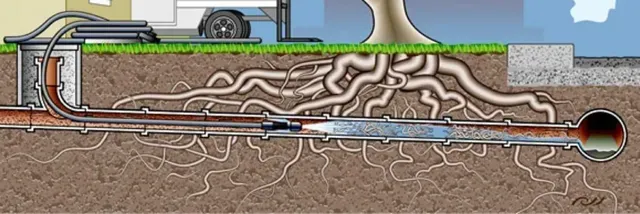
The drain field is the heart of a septic system’s treatment capability, and protecting it starts with water management and minimizing compaction. Avoiding heavy vehicle traffic and limiting impervious cover over the field preserves soil structure and oxygen exchange. Roof leaders and sump pumps should be diverted away from the drain field to prevent hydraulic overloading. In some systems, expansion tanks installed on higher-pressure fixtures help manage pressure fluctuations in connected plumbing, reducing the risk of sudden surges that might stress the septic plumbing. Root intrusion is another common failure mode; targeted herbicide treatments, root cutting, or physical barriers can prevent roots from penetrating pipes and distribution boxes.
How Lead Pipes Affect Health and How to Maintain Them?
Although lead pipes are far less common in modern plumbing systems, when present they represent a public health concern because lead can leach into drinking water. Exposure to lead, even at low levels, can cause neurological and developmental harm, particularly in children, and contribute to cardiovascular and kidney problems in adults. Maintaining plumbing that includes lead components involves monitoring water quality, using corrosion control treatments through the water supply (often implemented by utilities), and minimizing contact time between water and lead by flushing taps after periods of stagnation. For long-term safety, replacement of lead service lines and fixtures with safer materials such as copper, PEX, or stainless steel is recommended. When septic or sewer repairs require excavation near older plumbing, care should be taken to assess for lead-containing materials and plan for safe handling and replacement.
Long-Term Maintenance Strategies
Long-term maintenance of a septic system balances routine professional services and prudent homeowner practices. Scheduled pumping based on measured sludge and scum levels prevents overload, while annual inspections can catch early signs of baffle deterioration, outlet filter clogs, or distribution box imbalances. Conserving water and repairing leaky fixtures reduces hydraulic load on the system, extending the life of the drain field. Avoiding disposal of fats, oils, greases, non-biodegradable materials, and hazardous chemicals into the septic system preserves beneficial bacterial populations and prevents costly clogs. When upgrades or repairs are needed, working with reputable contractors and following local codes ensures that the system will perform reliably for decades.
Environmental and Regulatory Considerations
Septic system maintenance and repairs are subject to environmental protections and local permitting requirements. Discharging untreated effluent to surface water or allowing contamination of groundwater can carry significant penalties and ecological damage. Proper documentation of pumping, repairs, and replacements helps demonstrate compliance with regulations and can be important for property transactions. Many municipalities require licensed professionals for certain types of septic work, and following manufacturer guidelines for tanks, pumps, and distribution equipment maintains warranty coverage and ensures performance. Homeowners should retain service records and consult with licensed specialists when planning alterations to the system or property grading that could affect drain field performance.
Working with Professionals
Selecting qualified service providers matters for both routine pumping and more complex repairs. Reputable companies perform a comprehensive inspection before pumping, provide clear reports on findings and recommendations, and carry appropriate licensing and insurance. Comparing experience, references, and proposed materials or methods helps property owners choose the right professional for repairs or replacements. Some households prefer companies that offer combined plumbing and septic expertise, so issues that cross from internal plumbing to the septic system are addressed holistically—such as when repair of a main sewer line intersects with septic tank access and remediation. Clear communication about timelines, permits, and cost estimates helps avoid surprises during the work.
Safety and Worker Protection
Septic tank work exposes technicians to hazardous gases, pathogens, and confined-space risks. Proper safety protocols include testing atmospheric conditions for oxygen deficiency or toxic gases, ventilating confined spaces, and using supplied-air or other breathing protection when necessary. Workers use personal protective equipment such as gloves, face protection, and impermeable clothing when handling solids or performing manual cleaning. Decontamination procedures, proper handling and disposal of pumped material, and vaccination considerations for tetanus and hepatitis are part of a comprehensive safety program. Safety of the household and bystanders also requires secure work zones, appropriate signage, and prompt restoration of surfaces after excavation.
Cost Factors and Planning
Cost for septic pumping and repairs varies with accessibility, tank size, sludge level, extent of repairs, and site conditions. Routine pump-outs are generally the most affordable maintenance action, while drain field replacement is the most expensive. Budgeting for inspections, periodic pumping, and a contingency for unexpected repairs helps property owners avoid deferred maintenance that often increases long-term costs. Some property owners choose service agreements that bundle inspections, pumping, and priority response, which can be cost-effective for critical properties or multi-unit buildings. When planning larger replacements, evaluating alternative technologies—such as advanced treatment units or pressure distribution systems—may provide environmental benefits or fit site constraints better than a standard gravity system.
Common Myths and Misconceptions
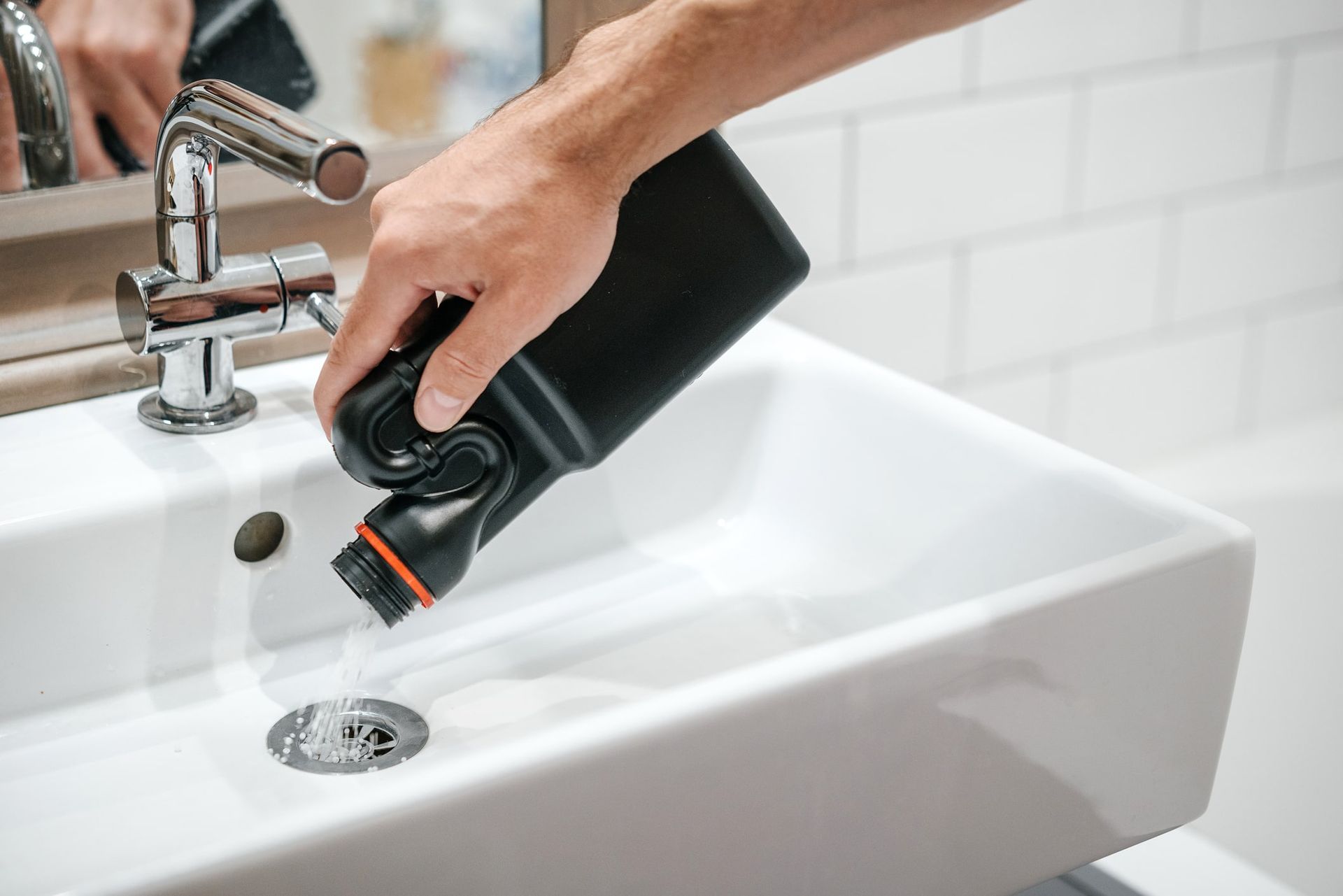
Many misunderstandings surround septic care—such as the belief that bacterial additives or enzyme treatments can replace pumping. While some products may marginally aid digestion of organics, none eliminate the need for periodic mechanical removal of accumulated solids. Another misconception is that a septic tank is "self-cleaning"; in reality, it requires active maintenance. Also, treating the drain field with household bleach or harsh chemicals to clear a clog is both ineffective and damaging to beneficial bacteria and soil life. Relying on credible, science-based guidance and professional inspections reduces reliance on unproven remedies and preserves system function.
Conclusion
Septic tank pumping is a fundamental part of responsible on-site wastewater management. Regular inspection and pumping prevent solids from damaging the drain field, reduce the risk of backups, and protect both property and the environment. Professional services handle not only the pump-out but also necessary diagnostics, repairs, and safe containment when leaks occur, ensuring that systems remain functional and compliant with regulations.
Long-term reliability depends on a combination of scheduled professional care, mindful household water use, and timely repairs using appropriate materials and methods. Whether dealing with routine maintenance or addressing structural repairs and leak isolation, partnering with experienced technicians and keeping thorough service records supports a septic system that performs safely and efficiently for many years.