Top 10 Plumbing Myths That Could Cost You Money
Homeowners and property managers often rely on conventional wisdom when dealing with plumbing issues, but many commonly held beliefs can lead to unnecessary expense, ineffective repairs, or even long-term damage. This article separates fact from fiction by addressing ten persistent plumbing myths, explaining safe repair processes, how to isolate and stop leaks, recommended patching methods, and practical long-term maintenance strategies. Throughout, practical examples and professional insight aim to help readers make informed, cost-effective decisions.
Myth 1: Small leaks can be ignored
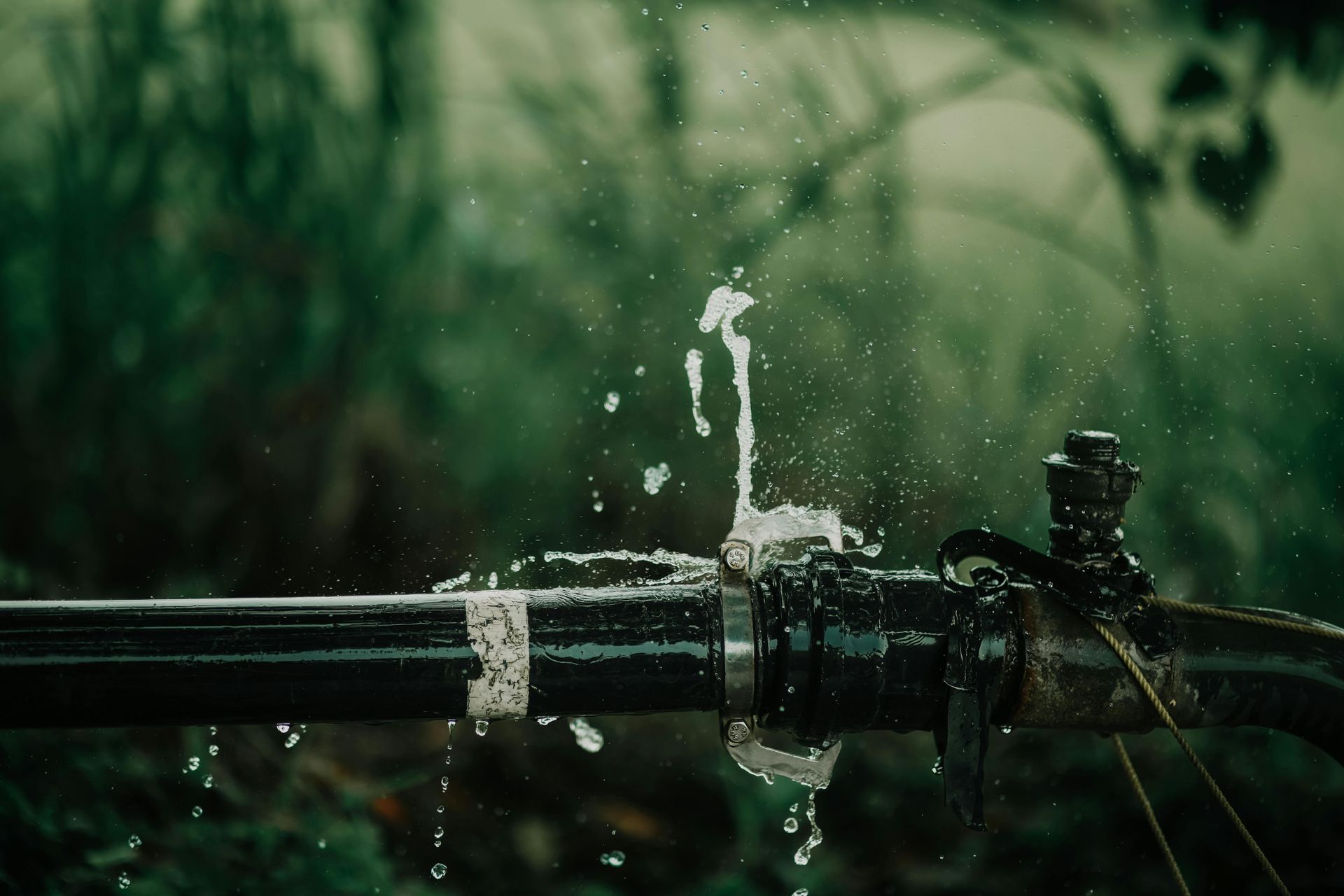
A small drip may seem harmless, but persistent slow leaks waste water and progressively damage building materials. Even a seemingly trivial leak behind a wall or under a sink can cause hidden mold growth, rot structural framing, and deteriorate insulation. The correct response is to locate the leak source, isolate the affected section by shutting off the appropriate valve, and perform a repair that addresses the root cause rather than a temporary bandage. In many cases a clamp or rubber sleeve will temporarily stop flow, but a permanent solution commonly requires replacing a corroded section of pipe or a failed fitting, which is often more cost-effective than allowing damage to spread.
Myth 2: DIY patch kits solve all pipe problems
Patch kits and epoxy compounds can provide quick fixes for visible pinhole leaks or minor surface corrosion, but they are not a universal cure. Proper repair begins with depressurizing the pipe segment, cleaning the area, and assessing whether the damaged section is suitable for a patch. For pressurized waterlines, a professional approach often involves cutting out the compromised length and installing a new, properly sized replacement using solvent welds, compression fittings, or soldered joints as appropriate. When waterline repair and replacement are required, professionals ensure the fittings and materials meet plumbing standards and local codes, preventing recurring failures.
Myth 3: Chemical drain cleaners are harmless and always work
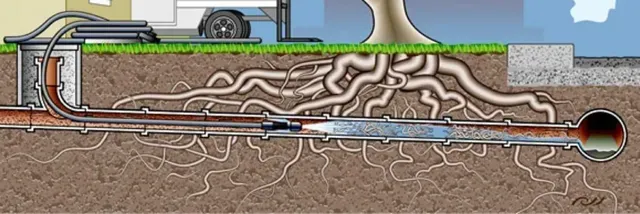
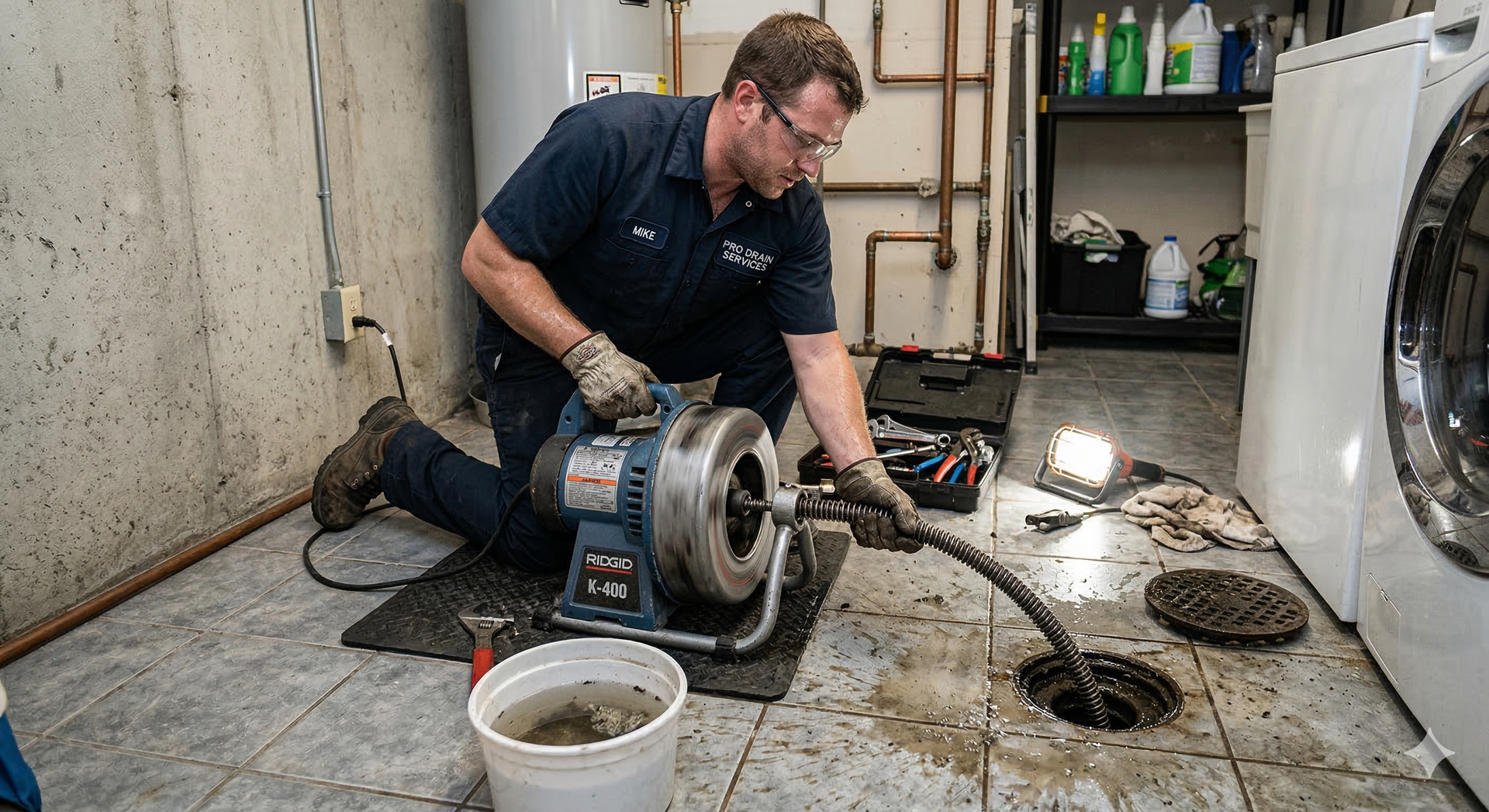
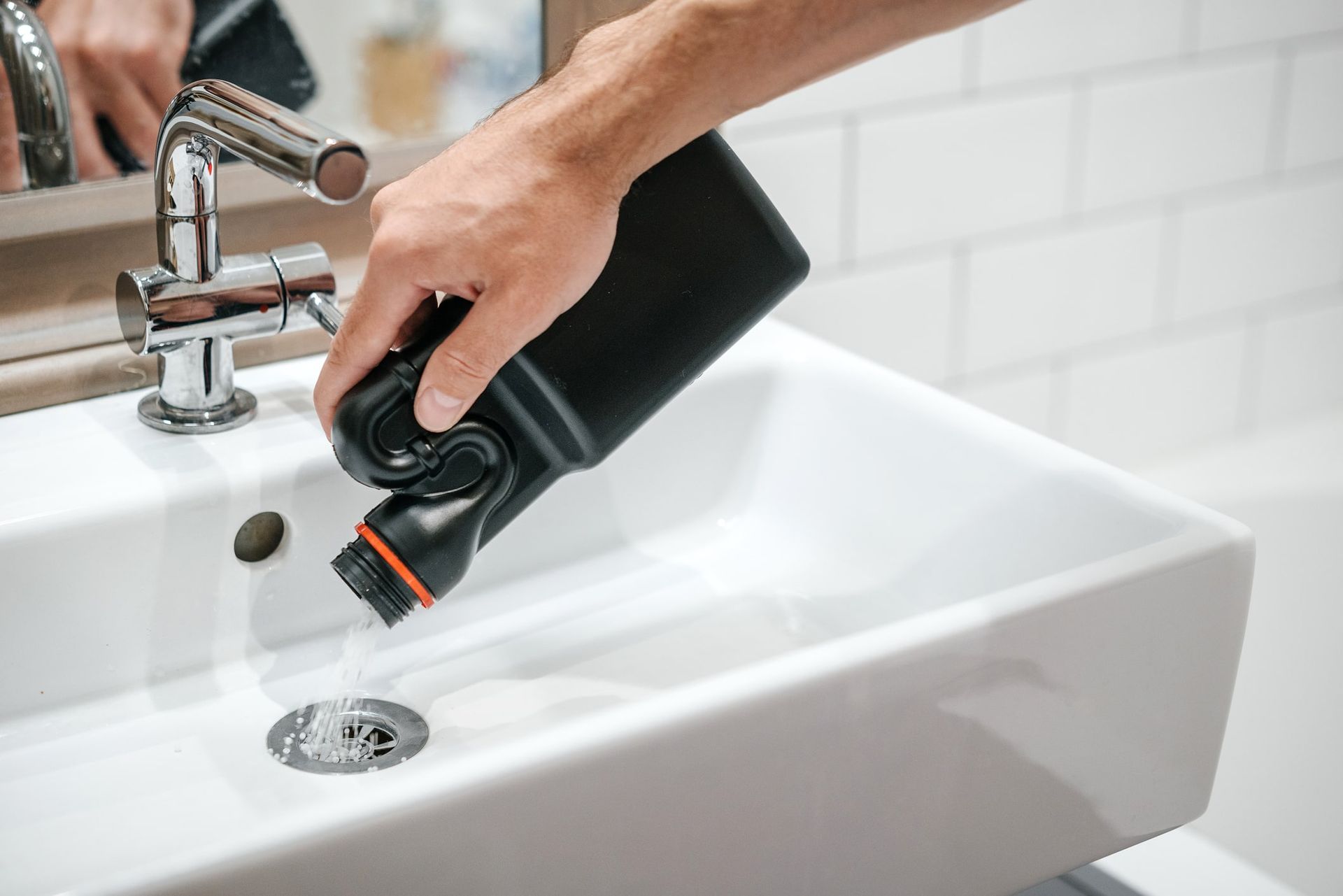
Chemical drain cleaners contain strong caustics that can clear hair and organic buildup, but they can also damage pipes, especially older galvanized or PVC materials, and harm plumbing seals. Repeated use accelerates deterioration and can lead to leaks or weakened joints. Mechanical methods—such as drain snakes, motorized augers, or hydro-jetting performed by trained technicians—are safer and more effective long-term options. When blockages result from collapsed lines, root intrusion, or bad pitch, the underlying problem must be repaired rather than repeatedly treating symptoms with chemicals.
Myth 4: All pipes are interchangeable
Pipes differ by material, diameter, pressure rating, and connection method. Substituting mismatched materials without proper adapters can lead to galvanic corrosion, leaks, and failed systems. For most repairs a plumber evaluates the existing system and selects compatible materials—copper, PEX, CPVC, or threaded steel—ensuring proper joining methods and corrosion protection where dissimilar metals meet. A considered replacement strategy reduces future maintenance costs and supports system longevity.
Myth 5: You don’t need to isolate water before repairs
Attempting plumbing repairs without first isolating the affected water supply increases the risk of water damage, unsafe working conditions, and unnecessary cleanup. At All City Plumbers, every repair begins by identifying and shutting off the nearest isolation valve for the affected fixture or, when required, the property's main water supply. For more complex repairs, technicians may isolate a specific section of pipe using temporary line stops or specialized capping tools that safely contain pressurized water. Once the line is secured, any remaining pressure is relieved and the section is drained before cutting, soldering, or installing replacement fittings. This methodical approach ensures repairs are completed safely, efficiently, and with minimal disruption to the surrounding property.
Myth 6: Soldering is the only permanent copper repair
Soldering is a traditional and reliable method for joining copper, but modern systems use a variety of accepted techniques. Compression fittings, push-fit connectors, and properly crimped PEX transitions can deliver long-lasting results when installed correctly. The best method depends on the access available, pipe condition, and local building codes. For hidden or hard-to-reach sections, mechanical fittings or pipe replacement with PEX are often more practical and provide durable performance without the need for an open flame.
Myth 7: Pipe tape fixes leaks permanently
Thread seal tape (Teflon tape) is useful for sealing threaded connections on faucets and fixtures, but it isn’t a cure-all for leaking pipes or corroded threads. When threads are damaged or fittings are cross-threaded, tape cannot restore mechanical integrity. A proper repair requires replacing worn fittings, cleaning and rethreading where feasible, or using appropriate sealing compounds combined with correct torque on the joint. For pressurized lines, reliable mechanical connections and correctly sized gaskets or washers are essential.
Myth 8: Water pressure regulators are unnecessary
High or fluctuating water pressure shortens the life of appliances, strains seals, and increases the likelihood of leaks. Understanding water pressure regulators and their role is essential for protecting plumbing systems. A properly adjusted regulator keeps system pressure within safe limits for fixtures and appliances, reducing wear and preventing stress on joints and valves. If your home experiences frequent pressure spikes or noisy pipes, an inspection of the regulator and system pressure is a wise preventive measure that can avert expensive repairs.
Myth 9: New fixtures cure underlying issues
Replacing a leaky faucet or showerhead without investigating water quality, pressure, or underlying line defects can lead to repeated failures. For example, mineral buildup, excessive pressure, or corroded supply lines will continue to affect new fixtures. Thorough troubleshooting includes checking supply lines, valves, and shutoffs, testing for sediment or mineral scaling, and confirming correct pressure levels. When necessary, replacing the supply lines, installing filtration or softening equipment, and addressing pressure regulator settings provide a durable solution that protects both new fixtures and the broader plumbing network.
Myth 10: All plumbers provide the same quality and price
Plumbing skills, materials used, and adherence to code vary widely across providers. Choosing a reputable service ensures reliable diagnostics, correct permits when required, and high-quality workmanship. Companies that offer transparent quotes, warranties, and clear communication tend to avoid cost surprises. For larger jobs such as waterline repair and replacement, a qualified plumbing contractor evaluates the scope, recommends durable materials, and plans for system testing and inspection to prevent hidden costs later. When comparing bids, consider experience with similar projects and documented references rather than selecting solely on price.
Repair Process: From diagnosis to completion
A sound repair process starts with accurate diagnosis. Technicians begin by isolating the affected area, performing a visual inspection, and using pressure tests or leak detection tools to map the problem. Once isolated, they depressurize and drain the segment, remove damaged sections, and prepare adjoining pipe ends—cleaning, deburring, or reaming as required. The installation of replacement pipe and fittings follows best-practice joining methods, and joints are tested under pressure before being concealed. Final steps include restoring water service, checking for secondary leaks, and documenting the repair for future reference.
Leak Isolation and Temporary Measures
Isolating a leak quickly protects property and reduces repair complexity. For fixtures, shutting off individual angle stops halts flow; for larger leaks, the main shutoff stops water to the building. Temporary measures such as pipe clamps, rubber sleeves, or line stops can limit damage until a permanent repair is scheduled. Professionals prioritize safe isolation and often recommend follow-up permanent corrections rather than extended use of temporary fixes. Effective isolation also allows targeted drying and mold prevention steps, keeping restoration costs down.
Patching Methods: When and how to use them
Patching is appropriate for localized, low-stress problems like pinhole leaks on copper or small cracks in PVC. The procedure involves stopping flow, thoroughly cleaning the area, and applying the chosen patch material—epoxy putty for small holes, a rubber repair sleeve for short sections, or a compression repair coupling for threaded or damaged pipe. For structural failures, long-running corrosion, or compromised fittings, patching only postpones an inevitable, more extensive repair. In those situations, replacing the affected section using correct joining techniques yields a safer and more economical outcome over time.
Long-term Maintenance Strategies
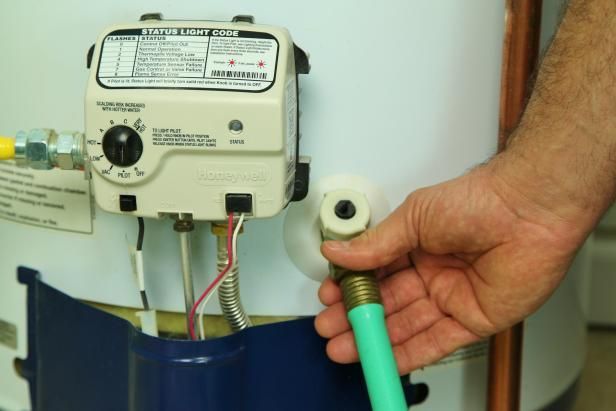
Regular maintenance reduces the risk of sudden failures and expensive emergency repairs. Schedule periodic inspections of exposed piping, test water pressure at multiple points, and service pressure regulators as part of a preventive plan. Flush water heaters annually, check for sediment buildup, and inspect shutoffs and hose bibs before winter in climates that require winterization. Maintaining clean drains, avoiding chemical drain cleaners, and installing strainers where appropriate prevent blockages that can cascade into larger issues. For homeowners and building managers, keeping records of repairs and parts used helps plumbers provide more accurate future diagnostics and keeps lifecycle costs manageable.
When to Call a Professional
Complex leaks, main line failures, gas-related issues, and problems requiring trenching or waterline replacement call for licensed professionals. Experienced plumbers have the tools and skills for safe excavation, proper installation of backflow prevention devices, and code-compliant hookups. They can also obtain necessary permits and coordinate inspections. Choosing a skilled contractor minimizes downtime and ensures that repairs are done right the first time, protecting property value and reducing long-term expenses.
Conclusion
Plumbing misconceptions often emerge from well-meaning shortcuts, but they can quickly turn into costly problems. Understanding the limitations of temporary fixes, the importance of proper isolation before repairs, and the value of correct patching methods will save money and prevent repeated failures. Investing in professional diagnostics, routine maintenance, and components like pressure regulators provides lasting protection for plumbing infrastructure.
When in doubt, choose experienced professionals who offer transparent estimates and stand behind their work. Reliable plumbing maintenance and timely, well-executed repairs safeguard both the property and your budget, making thoughtful prevention and quality workmanship the most cost-effective strategy over the long term.