What to Include in a Plumbing Emergency Kit for Homeowners?
A well-prepared plumbing emergency kit gives homeowners the ability to respond immediately to leaks, burst pipes, and other sudden failures before professional help arrives. The right kit reduces water damage, preserves finishes and belongings, and buys time to contact a qualified plumber or emergency response team. This article describes what to include in a comprehensive kit, explains the typical repair process responders follow when they arrive, covers leak isolation and temporary patching methods you can safely use, and outlines long-term maintenance practices that minimize future emergencies.
Essential items and their purpose
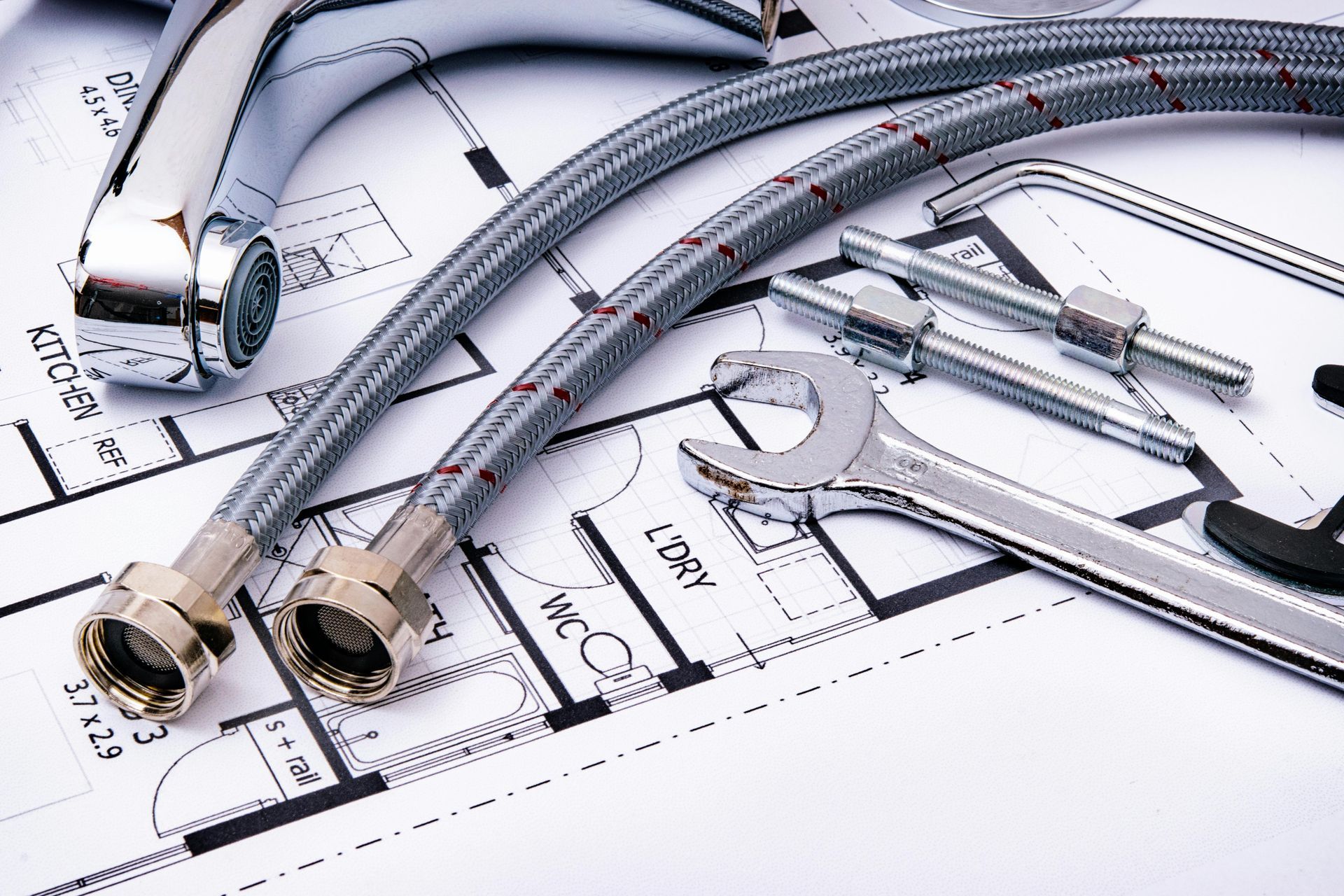
A good plumbing emergency kit centers on containment, temporary sealing, and basic tools to isolate and manage leaks. Containment items protect floors and stored goods while repairs are organized; absorbent towels and shop rags help control spreading water, while plastic sheeting and waterproof trays can be placed beneath leaking fixtures to channel water to a safe container. Temporary sealing materials allow homeowners to stem active drips or small bursts until a technician arrives. These include pipe repair tape and putty, hose clamps, and rubber patches that can be molded to cover pinhole leaks. Basic tools—adjustable wrenches, slip-joint pliers, a hacksaw, and a flashlight—enable safe shutoff operations, removal of access panels, and evaluation of visible pipe damage. In addition, having gloves, eye protection, and a bucket completes a kit focused on immediate safety and containment.
How the professional repair process proceeds
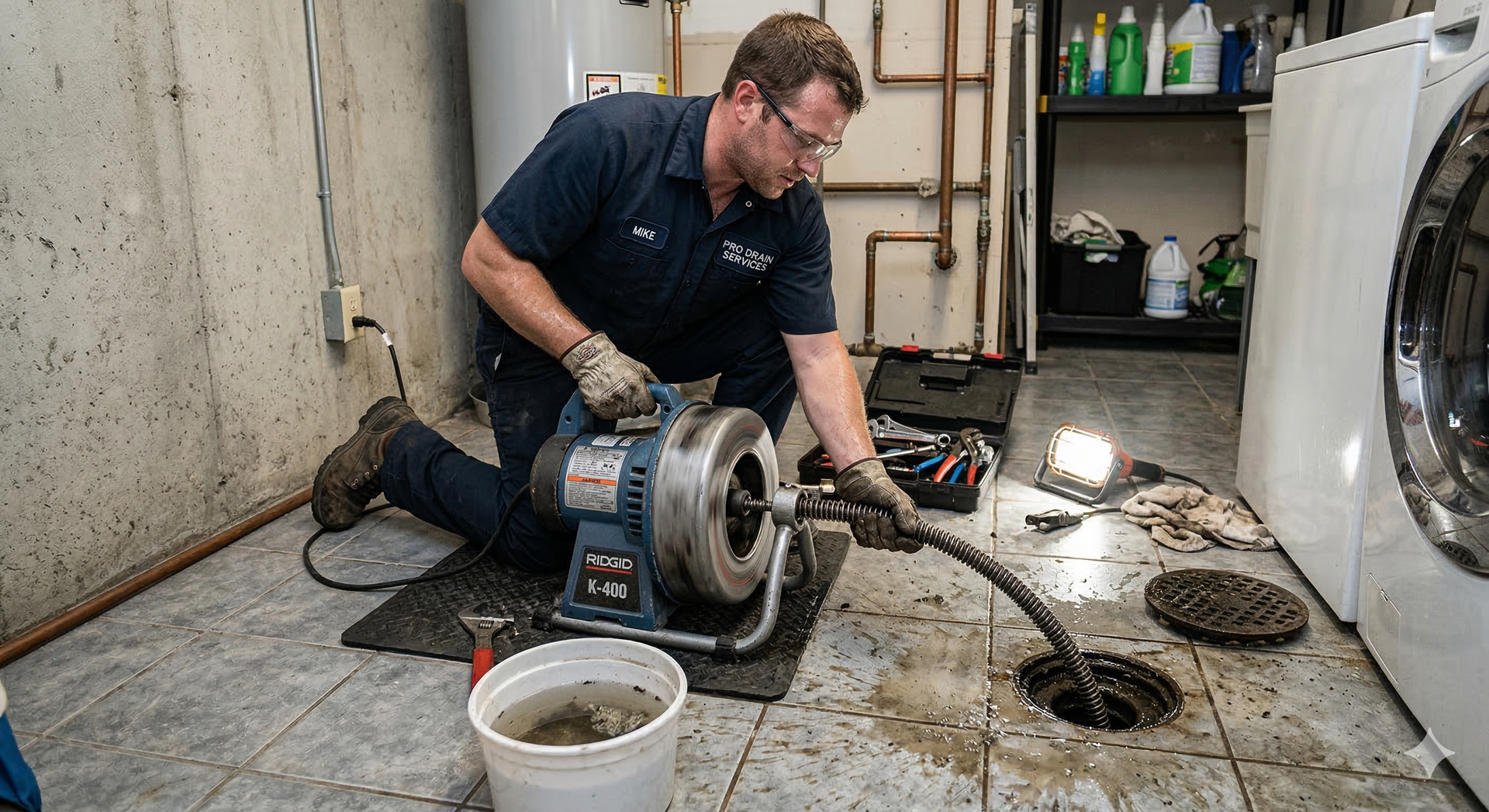
When professional plumbers arrive, they typically shift from emergency containment to a structured diagnostic and repair process. The first priority is to stop active flow and protect the property. Technicians check the main shutoff and any local isolation valves to control water quickly, and they may depressurize the line to make repairs safer. A focused inspection follows, using visual assessment and, when needed, diagnostic tools such as pressure gauges and video cameras inserted into drains to identify the leak source and any related damage. Depending on findings, repairs range from tightening or replacing a fitting to cutting out a damaged section for replacement. For homeowners who prepared an emergency kit, this initial stabilization reduces the complexity of the repair and often shortens on-site time for the service provider. Reputable companies like All City Plumbers combine diagnostic clarity with transparent recommendations so homeowners understand whether a temporary patch or a permanent fix is required.
Leak isolation and immediate safety steps
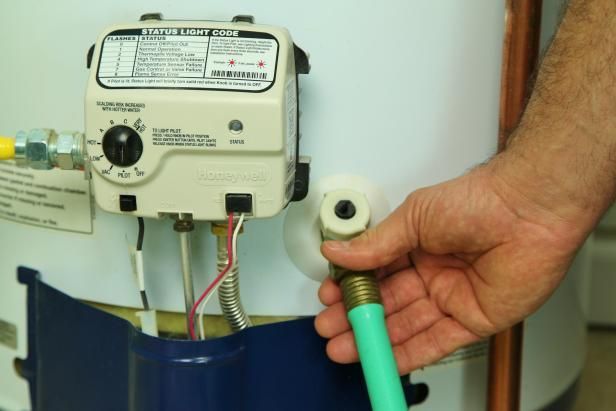
Safe leak isolation begins with knowing how to shut off water quickly. Identify the location of your main shutoff and the local shutoffs for appliances and fixtures; if your home lacks convenient localized shutoffs, consider taking time to install a water shutoff valve near key appliances to reduce response time during future incidents. During an active leak, turn off the appropriate valve, open nearby faucets to relieve pressure, and unplug electrical devices near the affected area to prevent shock risks. Placing absorbent materials and a bucket under the leak limits spread while you prepare temporary repairs or await emergency services. If flooding is severe or water is entering electrical panels or outlets, evacuate the area and call emergency services immediately.
Temporary patching methods homeowners can use
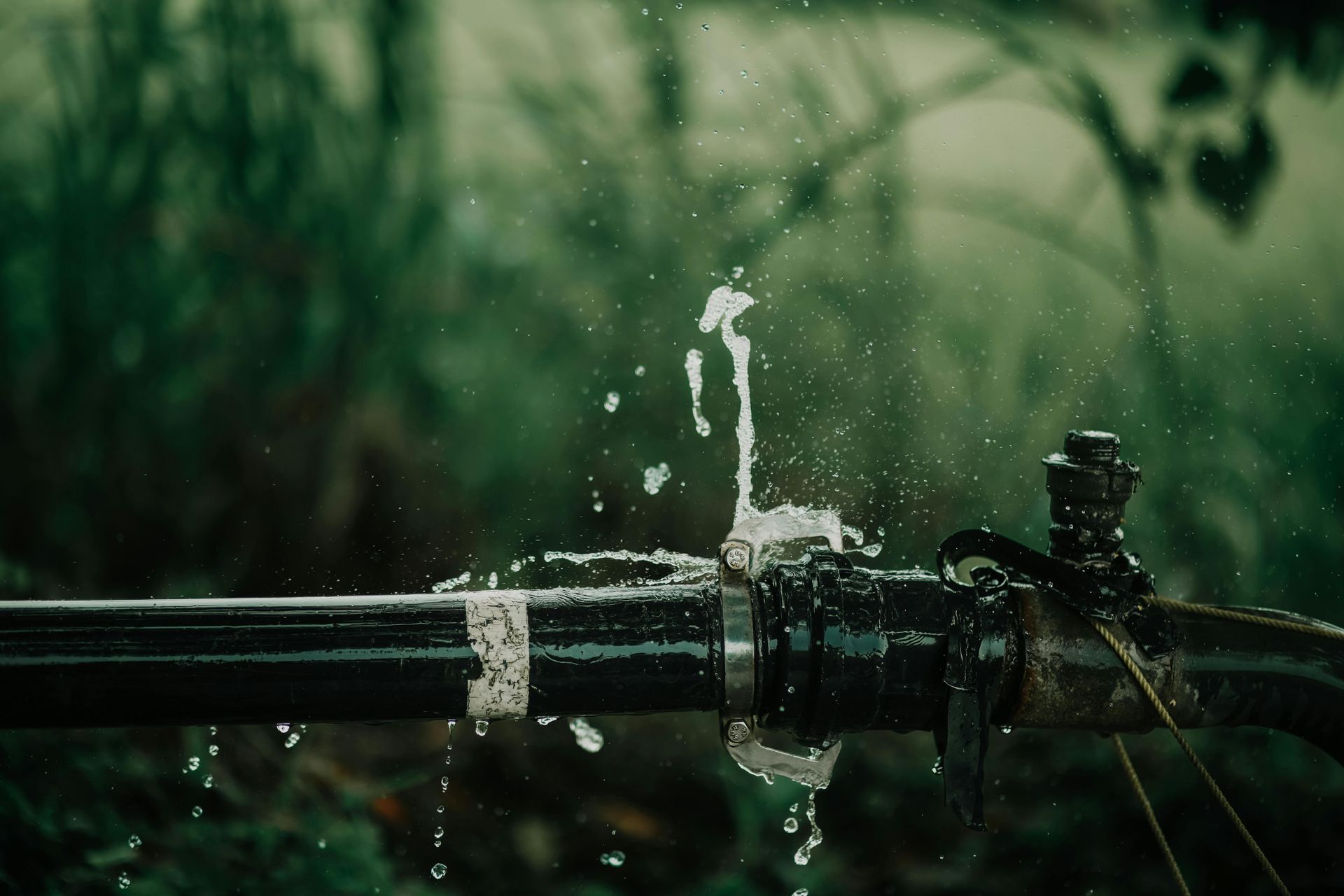
Temporary patches are intended to hold until a professional can perform a permanent repair. For pinhole leaks or slow drips, wrap pipe repair tape tightly around the leak, applying several layers and overlapping the edges to build pressure resistance. Rubber patches—pieces of inner tube or rubber matting secured with hose clamps—work well for small holes and allow time to schedule a replacement. Epoxy putties are useful for small, accessible leaks on metal and some plastic pipes; they must be applied to a clean, dry surface and cured per manufacturer instructions. When a joint is leaking, tightening the coupling or replacing a washer often stops drips temporarily; however, avoid overtightening if threads or fittings look corroded. Remember that temporary fixes are stopgaps and should be followed by professional evaluation to determine a durable repair strategy.
When to call a professional versus doing it yourself
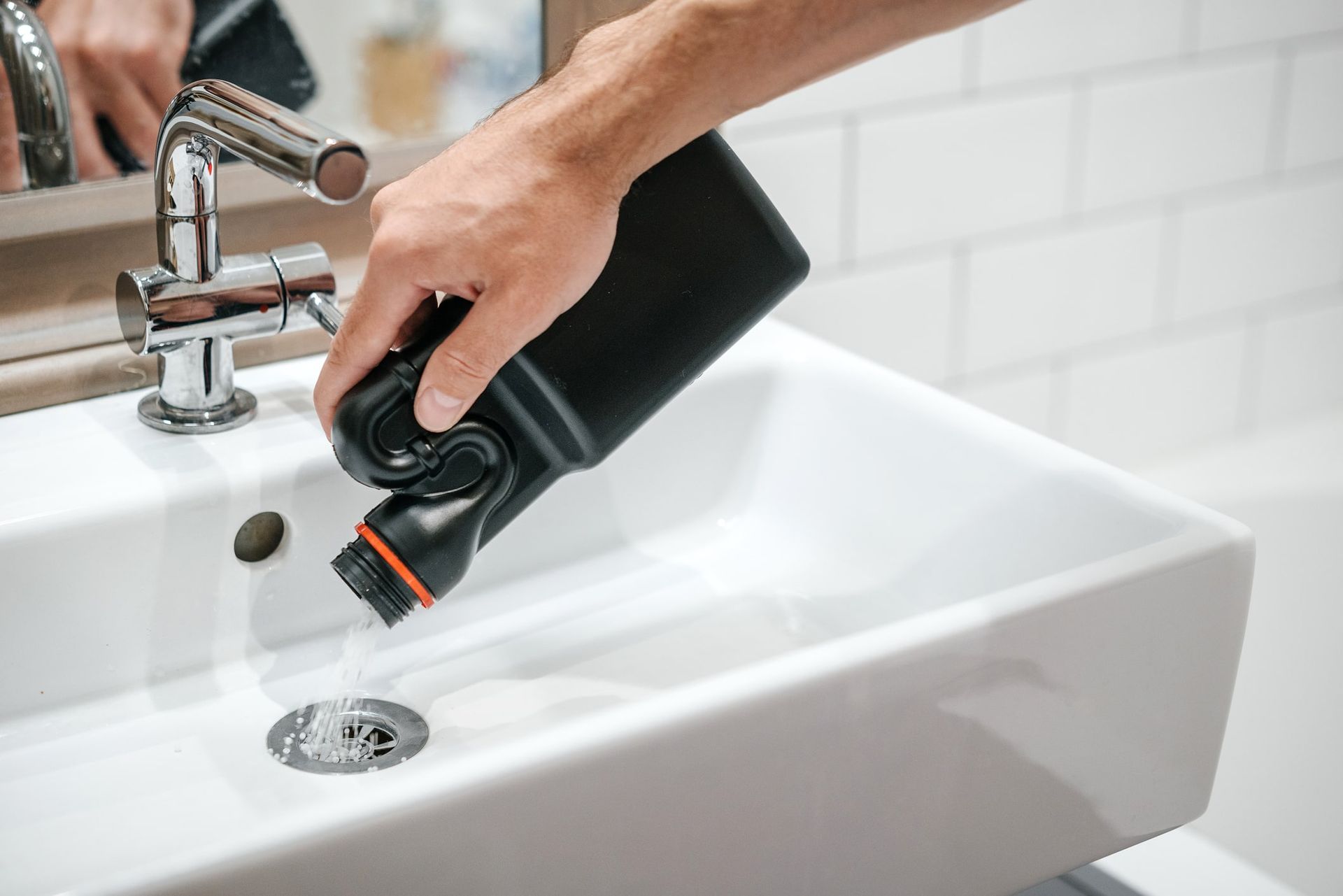
Minor drips and easily accessible fixture leaks can sometimes be managed by a competent homeowner using kit materials, but several conditions warrant immediate professional attention. Large or rapidly expanding leaks, leaks that saturate structural elements such as floors or walls, leaks near electrical systems, and failures on the main line are all situations where waiting for a homeowner repair risks significant damage. Similarly, sluggish drains accompanied by repeated backups or sewage odors generally require professional drain diagnosis and cleaning. Prearranged service agreements or trusted contacts for emergency services reduce the stress of deciding whom to call; they also shorten response times when time is critical.
Patching permanence and repair options
After initial stabilization, professional plumbers assess whether a temporary patch must be replaced with a permanent solution. Permanent options vary by material and damage severity. Small localized corrosion or perforations are often replaced by short pipe segments using sweat soldering for copper, solvent welding for PVC, or mechanical couplings for mixed-material joins. In severely degraded runs, sectional replacement or trenchless relining may be recommended to restore long-term integrity. For supply systems with repeated joint failures, technicians examine water quality and pressure for root causes—high mineral content, abrasive particulates, and excessive hydraulic stresses can accelerate wear and prompt broader remediation beyond spot repairs.
Long-term maintenance and prevention
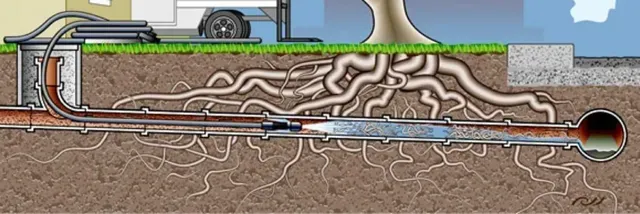
A well-stocked emergency kit is only one element of a resilient plumbing strategy. Long-term maintenance practices reduce the likelihood of emergencies and make incident response more effective. Schedule regular inspections of visible supply lines, drains, and appliance connections; use camera inspections for older drain runs to find early signs of tree-root intrusion or collapse. Maintain water pressure within recommended limits and consider installing pressure-reducing valves where incoming pressure is high. For appliances that present higher leak risk, such as washing machines, dishwashers, and water heaters, install appropriate localized shutoffs and consider secondary containment trays. Homeowners who pair routine maintenance with emergency preparedness significantly lower repair costs and downtime following incidents.
Kit maintenance and training
An emergency kit requires periodic review to ensure readiness. Replace used or expired materials—epoxy putties and batteries, for example—and verify tools remain in good condition. Practice key procedures such as turning off the main and local shutoffs so that family members can respond calmly under stress. Create a small reference card within the kit containing shutoff locations, the contact information for your chosen emergency services provider, and the preferred plumbing contractor’s phone number for immediate access during a crisis. Establishing these simple habits increases the effectiveness of both temporary home responses and professional interventions.
Conclusion
Preparing a thoughtful plumbing emergency kit empowers homeowners to act quickly and safely when leaks occur, mitigating damage and stabilizing conditions until professional help arrives. By combining containment materials, temporary sealing options, essential tools, and clear instructions, the kit serves as the first line of defense and complements the structured diagnostic and repair workflows used by trained plumbers.
Long-term resilience depends on integrating emergency preparedness with routine maintenance measures, including scheduled inspections and sensible upgrades such as localized shutoffs. Homeowners who
install a water shutoff valve near key appliances and maintain contact with trusted contractors and reliable emergency services will see fewer catastrophic failures and faster recoveries when incidents do occur.