How to Upgrade Your Home for Smart Plumbing Sensors?
Smart plumbing sensors bring a new level of protection and convenience to modern homes by detecting leaks, monitoring water usage, and alerting homeowners to potential failures before they become major disasters. Upgrading a home to accommodate these devices requires planning, modest repairs, and thoughtful integration with existing plumbing, electrical, and smart-home systems. This article outlines the steps to prepare your home for smart sensor installation, explains the repair process when sensors reveal problems, describes leak isolation and patching methods, and covers long-term maintenance to keep both sensors and plumbing functioning reliably.
Assessing your home and planning upgrades
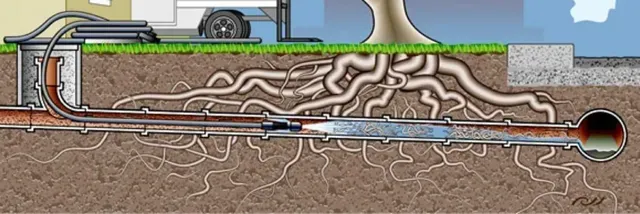
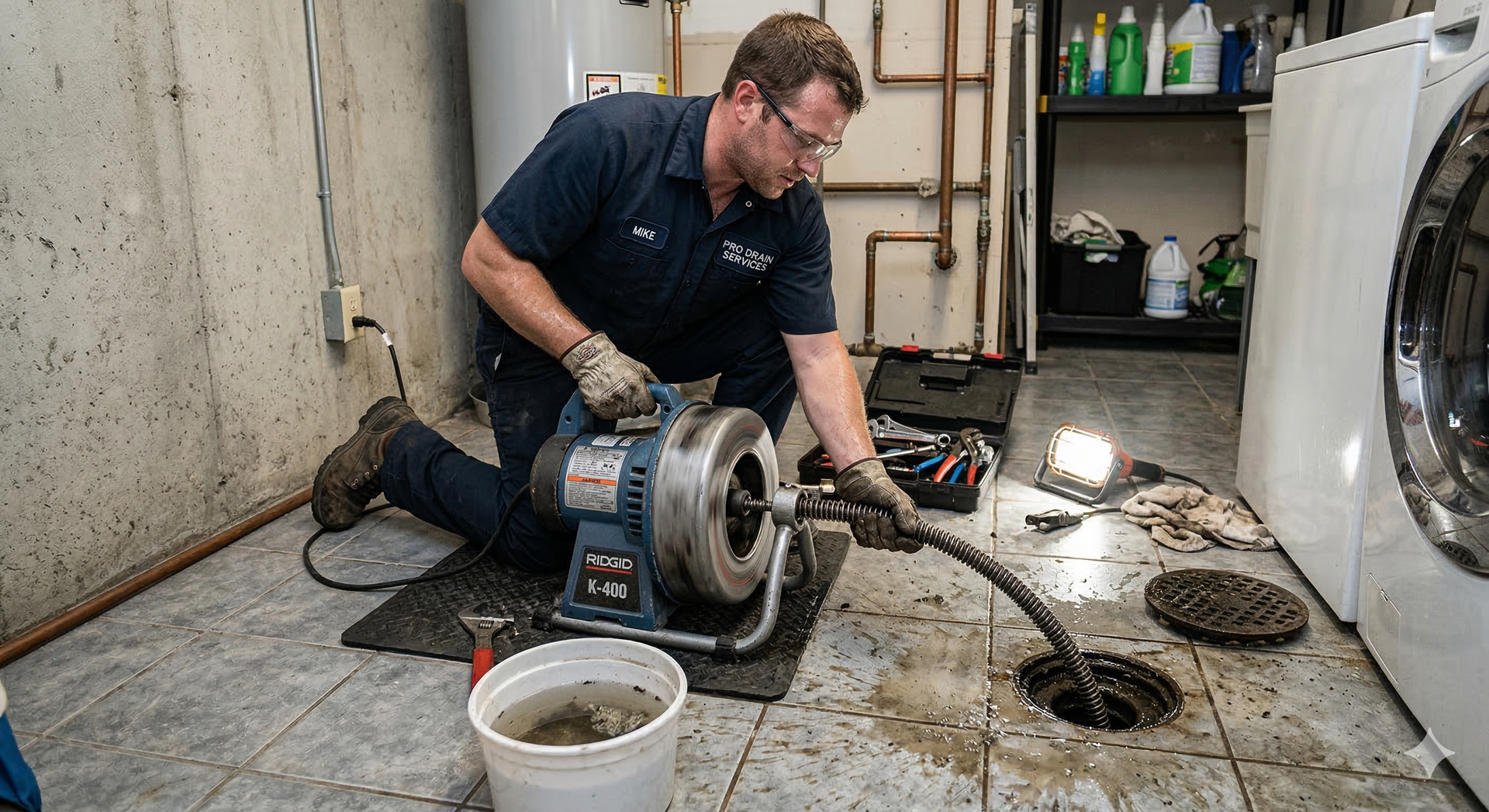
Begin with a comprehensive assessment of your plumbing layout and the locations most at risk for leaks or water damage. Key areas include under sinks, behind washing machines, near water heaters, beneath dishwashers, around sump pumps, and at main lines. A professional inspection provides the most reliable information: technicians use camera inspections and pressure tests to identify weak fittings, corrosion, or previous patchwork that could undermine sensor effectiveness. Companies such as All City Plumbers often offer a combined diagnostic and planning service that pairs condition assessment with sensor placement recommendations. Planning should also consider network reach for wireless sensors, power requirements for devices that are not battery-operated, and whether additional shutoffs, drains, or mounting hardware are needed.
Selecting the right sensors and integration approach
Smart plumbing sensors vary in capability from simple water-contact detectors to multi-sensor units that monitor humidity, temperature, flow, and even water quality. Choose sensors based on the risk profile of each location: flow meters and pressure monitors near the main supply are valuable for detecting hidden leaks and abnormal usage patterns, while point detectors under appliances catch localized failures quickly. Integration with a home automation platform allows centralized alerts and automatic actions, such as commanding a smart valve to close. For homeowners who want peace of mind during nights or travel, consider pairing sensors with professional monitoring or emergency services to ensure timely responses when alarms occur.
Preparing and repairing plumbing for sensor installation
Before installing sensors, address any existing plumbing deficiencies that could generate false alarms or cause devices to fail prematurely. This often requires simple repairs—tightening joints, replacing corroded fittings, and correcting loose pipe supports—to create a stable detection environment. When inspections uncover more significant flaws, such as deteriorated sections or slow leaks, a structured repair process follows. Technicians typically isolate the affected run, depressurize the line, and remove the damaged segment. Depending on access and pipe material, they may perform a sweat solder repair on copper, use solvent welds for PVC, or employ compression fittings for quick, reliable joins. Visible repairs are pressure-tested and then monitored for a short period to ensure seal integrity before sensor placement.
Leak isolation and safety considerations during upgrades
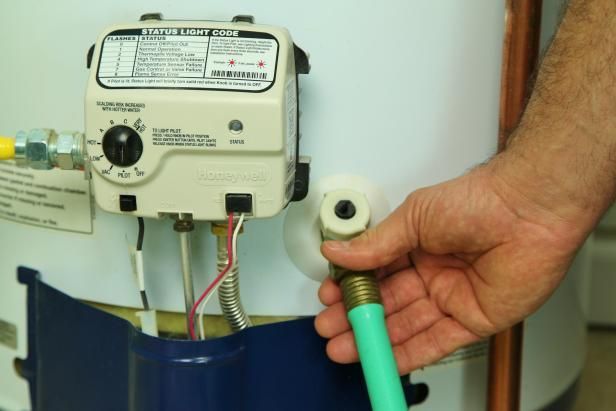
Isolating leaks safely is essential when repairing plumbing and installing sensors. Professionals begin by shutting off water to the affected zone and draining the lines to prevent residue from interfering with sensors or causing water damage. In homes without convenient local shutoffs, installers often recommend that homeowners install a water shutoff valve near key appliances to allow rapid isolation during tests or emergencies. Temporary containment measures, such as buckets or absorbent pads under fixtures, may be used during work to protect cabinetry and flooring. Installers also follow electrical safety practices when mounting sensors near powered appliances, keeping low-voltage wiring separate from mains and ensuring that battery-backed devices are deployed where power interruptions are possible.
Patching methods and durable fixes
When sensors detect active leaks or when installation reveals hidden damage, plumbers select patching methods tailored to the material and extent of the defect. Small pinhole leaks in copper can be addressed with epoxy putty as a temporary measure, followed by soldered or compression repairs for permanence. Plastic pipes commonly require clean cuts and solvent cement joins for a durable seal. For more complex issues, such as fractured fittings or inaccessible joints, professionals may use slip couplings or install a short replacement segment that reinstates mechanical integrity. In cases where pipe runs are compromised by corrosion or shifting foundations, spot replacement or sectional relining may be necessary to provide a reliable substrate for long-term sensor monitoring.
Networking and power considerations for sensors
A reliable wireless network is critical for sensor responsiveness. Before installation, test Wi-Fi coverage in sensor locations and consider adding mesh nodes or range extenders where signal strength is weak. For sensors that require hard wiring, plan low-voltage conduits or tapping points that comply with local electrical codes. Battery-operated devices offer installation flexibility and continued operation during power outages, but they require a maintenance plan for scheduled battery replacement so alerts do not lapse. Some homeowners elect to connect sensors to uninterruptible power supplies or to integrate them with whole-home battery systems, especially in areas where prolonged outages are possible.
Long-term maintenance and firmware management
Smart sensors reduce blind spots in plumbing systems but introduce new maintenance responsibilities. Firmware updates, calibration checks, and periodic cleaning of sensor contacts keep devices reliable. Set a schedule for inspecting sensor placement annually and replace batteries according to manufacturer recommendations. Combine sensor data with routine physical inspections, especially for older homes with marginal plumbing. A maintenance agreement with a service provider can bundle periodic drain checks, camera inspections, and firmware oversight so that the plumbing system and the monitoring network remain synchronized. For emergencies detected by sensors, having a prearranged response plan that includes access instructions and contact details for emergency services ensures rapid on-site intervention.
Data, false alarms, and operational tuning
Expect an initial tuning period after installation as sensors learn normal usage patterns and thresholds. Flow-based devices may trigger alerts from normal activities like irrigation cycles, so calibrating sensitivity and setting smart notification rules reduces nuisance alarms. Review sensor logs to identify recurring patterns that suggest maintenance needs, such as frequent small leaks indicating failing seals. When in doubt, pair sensor alerts with visual inspections or camera diagnostics before committing to invasive repairs. Clear communication with your chosen plumbing partner about acceptable alarm thresholds and escalation procedures helps maintain system effectiveness without desensitizing occupants to important warnings.
Cost considerations and return on investment
Upgrading for smart plumbing sensors carries upfront costs for devices, network improvements, and any necessary repairs or upgrades. Consider these investments against the potential savings from early leak detection, reduced water waste, lower insurance premiums, and the avoidance of major water damage repairs. For homeowners with valuable finishes, high-end appliances, or vacation properties, the risk mitigation alone often justifies the expense. Firms such as All City Plumbers may offer installation packages that bundle hardware, network setup, and follow-up diagnostics, simplifying budgeting and ensuring professional installation standards.
Conclusion
Upgrading your home for smart plumbing sensors enhances protection and provides actionable insights that traditional plumbing maintenance cannot match. Thoughtful planning, professional assessment, and initial repairs ensure sensors are installed on a stable and well-documented plumbing foundation that maximizes their usefulness.
Long-term success depends on integrating sensor data with routine physical inspections, maintaining network and power reliability, and establishing clear procedures for leak isolation and response. Homeowners who proactively install a water shutoff valve near key appliances and arrange for reliable emergency services through their plumbing partner will find the investment in smart sensors pays dividends in peace of mind and reduced repair costs.