Pros and Cons of Professional Drain Enzyme Treatments
Drain enzyme treatments are an increasingly popular service offered by plumbing professionals aiming to maintain clear pipes using biological agents rather than harsh chemicals or mechanical methods. These products contain specialized bacteria and enzymes that consume organic matter—hair, grease, food residues, and soap scum—converting them into water, carbon dioxide, and biomass. For homeowners and facility managers weighing options for routine upkeep or problem remediation, understanding the benefits and limitations of enzyme treatments is essential. This article examines the pros and cons of professional drain enzyme treatments and explains the related repair process, how leaks and backup risks are managed, typical patching methods when needed, and recommended long-term maintenance practices to preserve plumbing health.
How professional enzyme treatments work?
Professional drain enzyme treatments start with a diagnostic assessment of the plumbing system to determine the extent and nature of the buildup. Trained technicians often inspect drains visually and may use cameras to identify blockages, roots, or damaged pipe sections. Once the assessment confirms that biological breakdown is appropriate, technicians introduce a measured dose of enzymes and bacteria into the affected lines. These organisms secrete enzymes such as lipases, proteases, and cellulases that break down fats, proteins, and cellulose into smaller, soluble compounds. Over time—often several hours to days, depending on product strength and the volume of organic material—the microbes metabolize that material, reducing accumulation and improving flow. Because the treatment targets organic deposits, it is most effective where grease, food remnants, hair, and soap scum are the predominant causes of reduced flow.
Advantages of professional enzyme treatments
One major advantage of professional enzyme treatments is their gentleness on plumbing materials compared with strong chemical alternatives. Enzyme and bacterial formulations do not corrode metal pipes or degrade plastic fittings the way caustic drain cleaners can, which helps prolong the life of older systems. In addition, professional application often yields a more consistent outcome than over-the-counter products: technicians tailor dosages and reapplication intervals to the system’s size, flow rate, and condition, and they can combine treatments with mechanical cleaning when necessary.
Environmentally, enzyme treatments are far less toxic to downstream ecosystems because they avoid lye, acids, and other hazardous components that can harm wastewater systems and aquatic life. This ecological advantage is an important consideration in urban and suburban settings where municipal wastewater treatment and environmental regulations favor reduced chemical loads. Moreover, for routine preventative care, enzyme treatments can reduce the frequency of more invasive services like snaking or hydrojetting, which in turn lowers long-term maintenance costs. Many reputable service providers, including All City Plumbers, integrate enzyme programs into scheduled maintenance packages to keep drains flowing and to prevent the gradual buildup that leads to costly failures.
Limitations and potential downsides
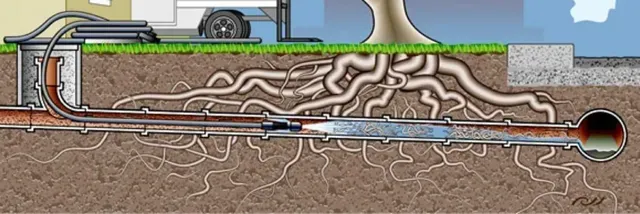
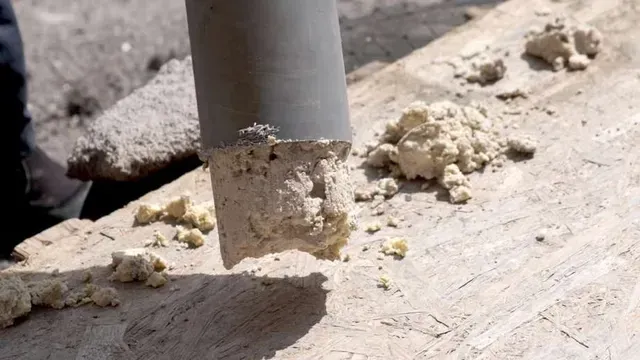
Despite their benefits, enzyme treatments have clear limitations. They are slow-acting compared with chemical cleaners and are ineffective on many non-organic blockages, such as mineral scale, calcified deposits, or solid objects accidentally flushed into the system. When a drain is completely blocked or when structural defects, collapsed pipes, or intrusive tree roots are present, enzymes alone cannot restore flow; mechanical excavation, snaking, or pipe replacement becomes necessary.
Effectiveness is also contingent on appropriate conditions: enzymes require time to work, adequate moisture, and the absence of antibacterial chemicals that could kill the beneficial microbes. Homes that frequently use strong disinfectants, bleach, or antibacterial detergents in drains will see reduced efficacy. In addition, enzyme treatments require repeat applications for sustained benefit—one-off use typically provides only temporary relief. Customers should expect maintenance intervals spaced by months rather than permanent, single-application cures.
The repair process when enzyme treatment is insufficient
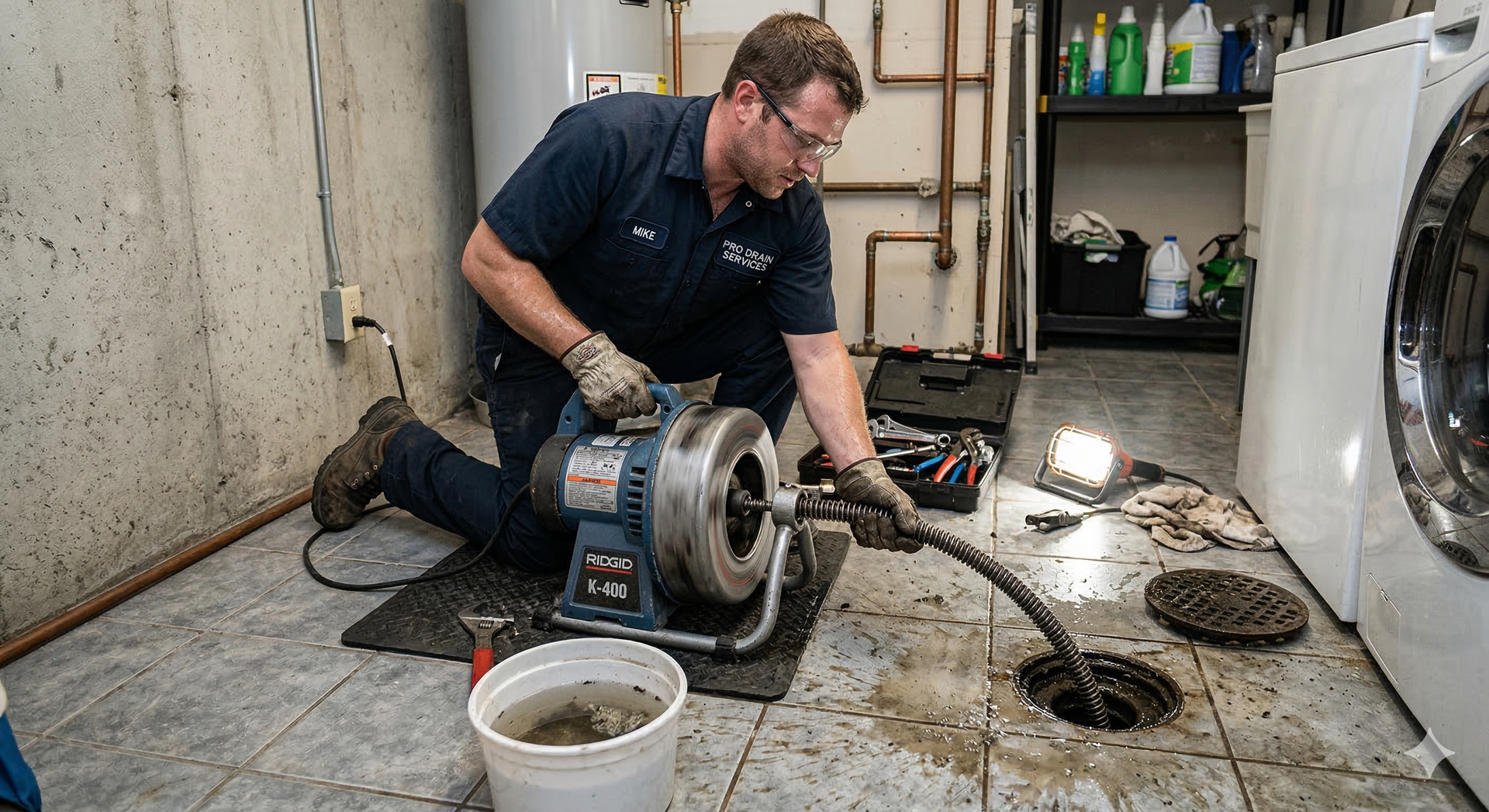
When enzyme treatments do not resolve the problem, a structured repair process begins. Technicians first isolate the affected line and perform a thorough evaluation, often using a video camera to pinpoint the exact location and cause of the obstruction or damage. If mechanical removal is possible, methods range from root cutting and auguring to hydrojetting, which uses high-pressure water to scour pipe walls. Where these approaches fail or reveal structural damage, replacement or relining may be the next step. Trenchless pipe relining creates a new interior surface without full excavation, whereas spot repairs or full pipe replacement require more traditional excavation work.
Throughout this process, plumbers coordinate to minimize water damage and disruption. For example, they may advise customers to install temporary barriers inside cabinetry, remove stored items, and, when necessary, turn off water at localized shutoffs. For comprehensive services, companies such as All City Plumbers often combine drain cleaning with targeted repair work so that biological maintenance can continue on healthy lines while damaged sections receive mechanical or structural attention.
Leak isolation and safety precautions
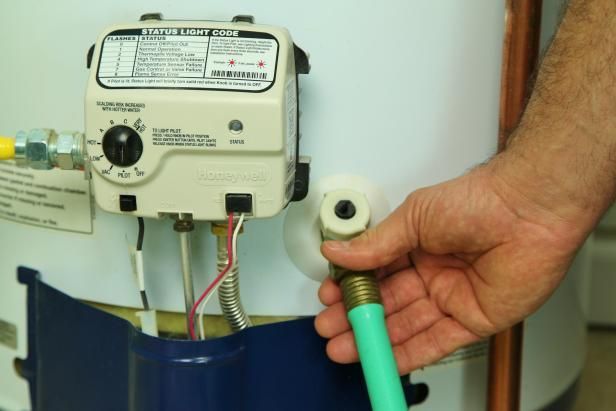
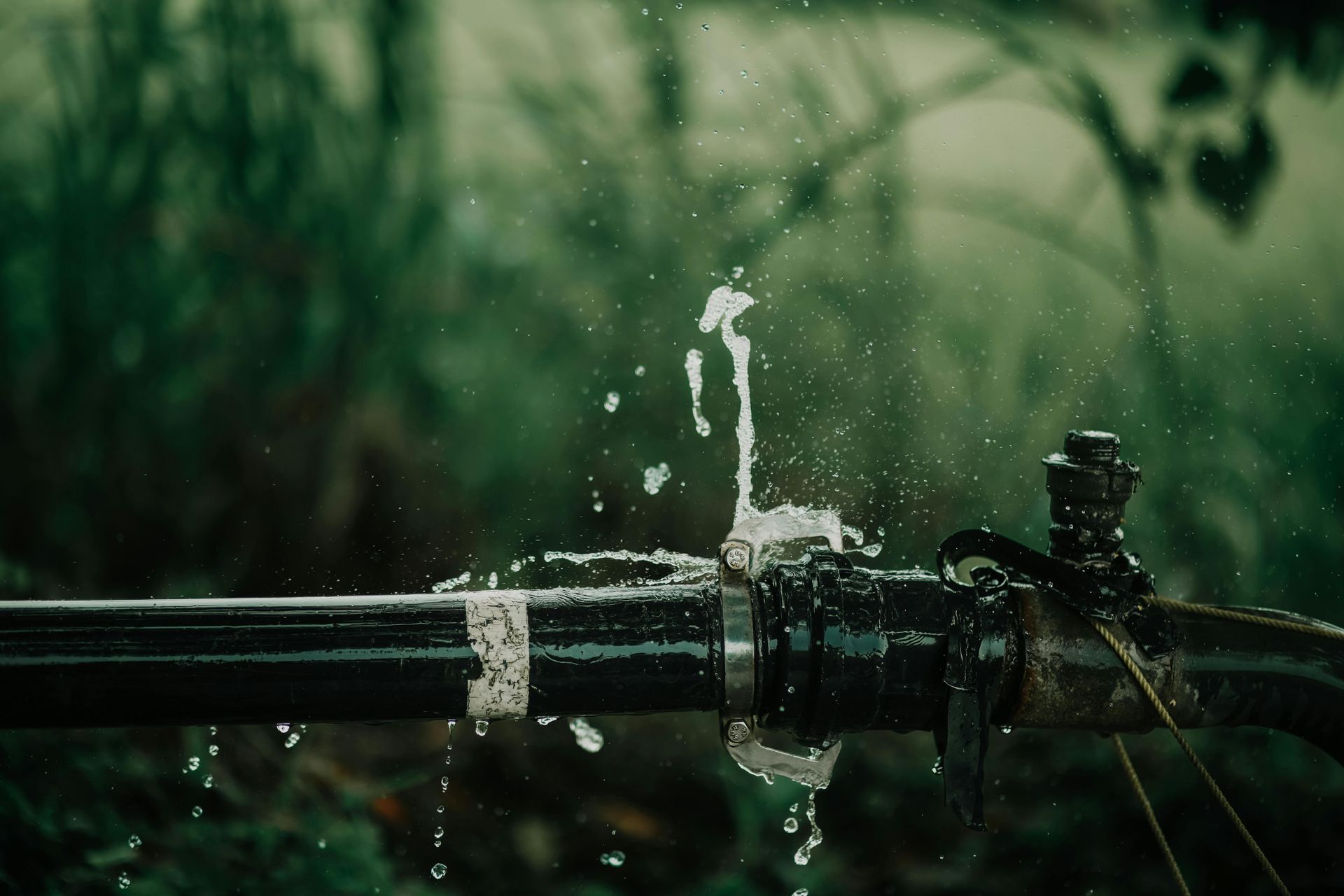
Isolating leaks is a critical part of the repair workflow. Once a problematic segment is identified, technicians shut off water to that area to prevent further leakage and potential property damage. In buildings without convenient localized shutoffs, professionals may recommend homeowners install a water shutoff valve near key appliances and fixtures to simplify isolation in future incidents. Temporary measures may include using internal clamps or compression fittings to stem active leaks until a permanent repair is scheduled. Safety protocols also require drying affected cavities and treating mold risks promptly, because moisture trapped behind cabinets, walls, or under floors can create secondary problems that are costlier than the original drain issue.
Patching and permanent repair methods
Patching methods vary by pipe material and the scale of damage. For small leaks or pinhole perforations in accessible areas, plumbers may use epoxy patches or resin-based coatings that bond to the pipe and restore pressure integrity. For more extensive localized failures, pipe sleeves or saddle patches provide structured reinforcement without replacing the entire run. When corrosion or root intrusion has compromised the pipe extensively, longer-term solutions include cured-in-place pipe (CIPP) relining, which inserts a resin-saturated liner that hardens to form a new inner wall, or full replacement using either open excavation or trenchless techniques such as pipe bursting.
Selection of the patching method takes into account expected lifespan, cost, and downstream effects on drainage performance. Professional plumbers balance a desire to minimize disruption with the need for a durable outcome, and reputable firms will present the options and trade-offs clearly. In systems where enzyme treatments are part of routine maintenance, resolving structural faults first helps ensure future enzyme applications reach their intended targets and remain effective.
Long-term maintenance recommendations
Long-term maintenance should be multifaceted: regular enzyme treatments, scheduled mechanical inspections, and sensible homeowner practices together prolong system life and reduce emergency calls. Professionals often recommend establishing a periodic schedule for enzyme application keyed to household usage patterns—monthly or quarterly for heavy-use kitchens, and less often for low-flow fixtures. Combining routine enzyme treatment with annual camera inspections allows technicians to detect early signs of buildup, corrosion, or root encroachment before they escalate.
Homeowner behaviors also matter. Avoiding disposal of grease down kitchen drains, using drain strainers to capture hair and solids, and limiting the use of potent antibacterial cleaners preserve the microbes in enzyme formulations and keep organic matter from accumulating. In addition, installing a water shutoff valve near key appliances and fixtures reduces risk during repairs and prevents secondary water damage when leaks occur. For larger properties or commercial settings, proactive service agreements that include both drain cleaning and periodic relining or mechanical cleaning ensure that enzyme treatments complement, rather than replace, robust preventive care.
Cost considerations and value assessment
When evaluating the cost-effectiveness of enzyme treatments, consider both direct prices and the broader lifecycle savings. The upfront cost of professional enzyme application is typically modest relative to mechanical interventions or full pipe replacement. For systems that respond well, recurring enzyme treatment can defer the need for aggressive cleaning or costly excavation. However, if structural issues exist, enzyme programs that mask symptoms without addressing underlying damage can create false economies. An honest professional assessment that combines video inspection results, flow measurements, and a clear maintenance plan will help customers decide whether enzyme treatment is a prudent primary strategy, a complementary preventive measure, or an inappropriate choice for their situation.
Choosing a service provider
Selecting a qualified provider is crucial. Look for licensed plumbers who document their diagnostic findings, show inspection footage, and explain expected outcomes and intervals for reapplication. Providers that integrate drain cleaning, structural repair, and ongoing maintenance provide continuity and accountability. Companies such as All City Plumbers often offer bundled services that pair enzyme treatments with periodic inspections and mechanical backup options, ensuring that biological maintenance is part of a comprehensive system-management plan rather than a standalone cure-all.
Conclusion
Professional drain enzyme treatments offer a gentle, environmentally favorable approach to managing organic buildup in drains and can be a valuable component of a comprehensive plumbing maintenance strategy. Their strengths lie in material compatibility, reduced chemical exposure, and preventive potential when applied by trained technicians who tailor dosages and schedules to system needs.
However, enzyme treatments are not a universal fix; they are slow-acting, condition-dependent, and ineffective against non-organic blockages or structural pipe damage. For long-term system health, integrate enzyme programs with regular mechanical inspections, timely patching or relining when defects are found, and sensible household practices such as avoiding grease disposal and installing a water shutoff valve near key appliances. When combined thoughtfully, these measures preserve plumbing function, limit expensive emergencies, and extend the service life of the system.