How to Protect Your Waterline From Tree Root Invasion?
Tree roots seeking moisture are a common cause of waterline damage in residential and commercial properties. Roots exploit small leaks, cracks, and joints, gradually enlarging gaps until pipes fail or collapse. Protecting your waterline from root invasion requires accurate diagnosis, careful repair of compromised infrastructure, strategic prevention, and ongoing maintenance. This article explains the repair process, how to isolate leaks, appropriate patching methods, and long-term steps to keep roots from turning into a costly plumbing emergency.
Understanding How Roots Invade Pipes
Roots are naturally drawn to moisture and nutrients and will grow toward water sources, including leaky or porous pipes. Older clay, cast iron, and even damaged PVC joints can allow roots to enter a pipeline. Once inside, roots form dense mats that restrict flow and accelerate deterioration. Preventing invasion starts with understanding where vulnerabilities occur: joints, offsets caused by ground movement, or existing hairline fractures. Addressing these weak points stops the initial invitation that roots require to establish inside a line.
Inspection and Diagnosis
A careful inspection identifies the severity and exact location of root intrusion. Cameras fed into sewer or water lines provide visual confirmation and let technicians map affected sections without unnecessary excavation. Pressure testing can reveal loss points, and localized dye tests sometimes indicate active leaks drawing root material. Professional services, including those from contracted firms such as All City Plumbers, use a combination of video inspection and flow testing to determine whether a simple root cutback suffices or whether sewer line replacement or targeted waterline repair is required.
Repair Process: From Excavation to Replacement
The appropriate repair depends on the extent of root invasion and the condition of the pipe. For minimal intrusion where the pipe wall remains structurally sound, technicians may remove roots and apply internal pipe rehabilitation methods. Trenchless techniques—such as cured-in-place pipe (CIPP) liners or slip-lining—restore structural integrity without full-depth excavation. When the pipe is crushed, badly corroded, or misaligned, a full replacement becomes necessary. During replacement, installers remove the old section, prepare a stable bed to prevent future movement, and install new pipe rated for the site conditions. For major projects, coordinating permitting and inspection, and considering options like deeper bedding or altered pipe materials, helps ensure a durable outcome.
Leak Isolation and Safe Work Practices
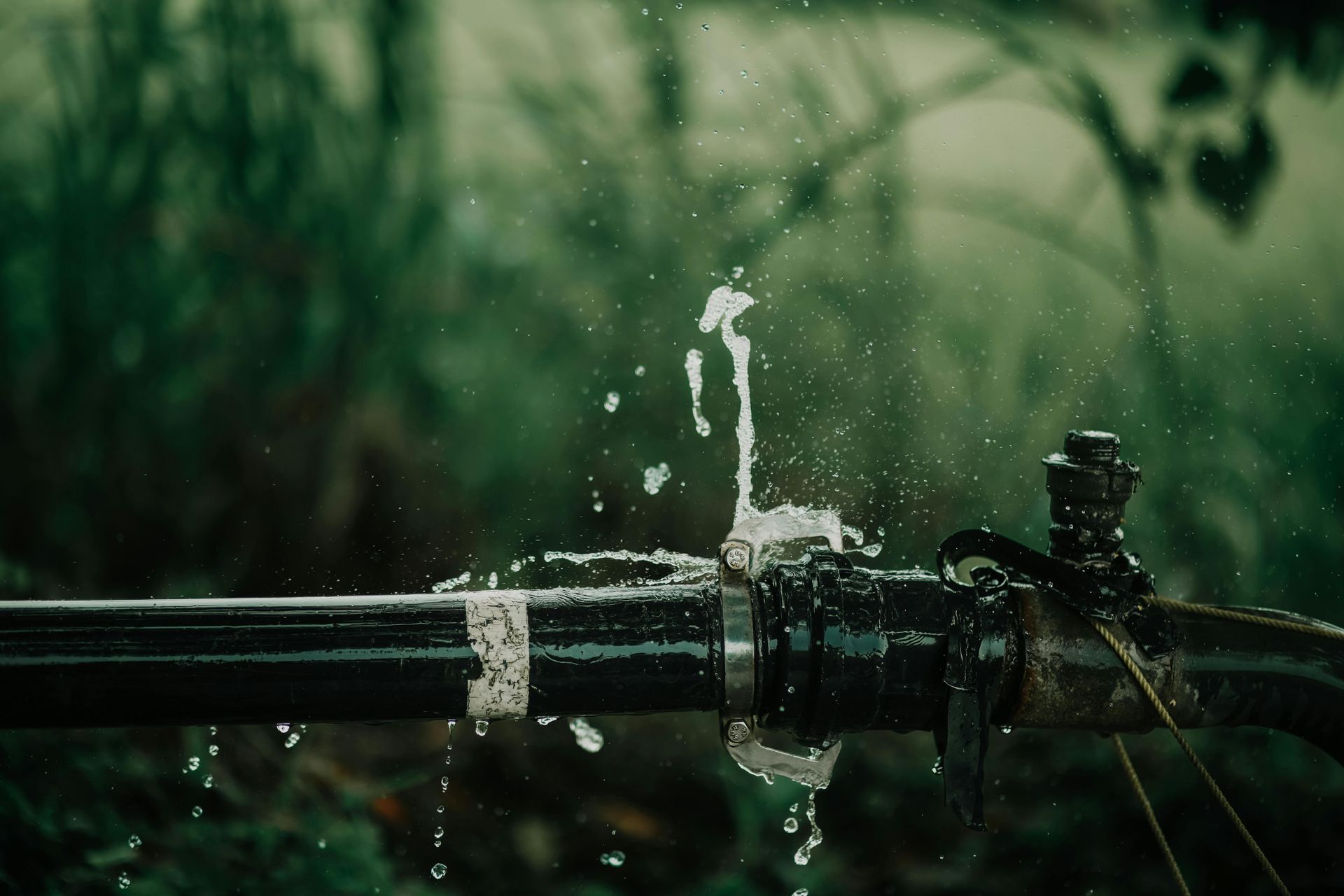
Before any repair, isolating the affected section is essential to prevent flooding and to provide a safe workspace. Technicians locate and close the nearest isolation valves or, if necessary, the main shutoff to the building. Where access is limited, temporary line stops or mechanical plugs allow work under pressure until the segment can be depressurized and drained. Professionals relieve trapped pressure and drain low-lying sections to avoid surprises during cutting or joint replacement. Isolation reduces contamination risk, preserves clean water in unaffected parts of the system, and protects workers and the property during excavation and repair.
Patching Methods and When to Use Them
Patching roots-related damage is viable only in limited situations. If roots have caused a small breach but the pipe wall remains sound, epoxy patches or interior repair sleeves can seal leaks temporarily. Resin injections combined with root retarder coatings may offer short- to medium-term protection. However, patches do not restore the original strength of a compromised pipe and are unsuitable for collapsed or extensively eroded sections. In those cases, full section replacement or trenchless rehabilitation provides a structurally reliable solution that reduces the chance of recurrence.
Long-Term Preventive Strategies
Long-term defense against root invasion combines landscape planning, material selection, and system upgrades. Select noninvasive plantings and maintain a reasonable distance between large trees and sewer or waterline alignments. When planting is unavoidable, choose tree species with less aggressive rooting habits and install root barriers to redirect growth. Upgrading older lines to seamless materials such as continuous PEX or modern PVC with tight-joint systems minimizes entry points. Regular inspections, especially for properties with mature trees, catch small problems before they grow; proactive camera inspections every few years often prevent emergency repairs.
Root Management and Chemical Treatments
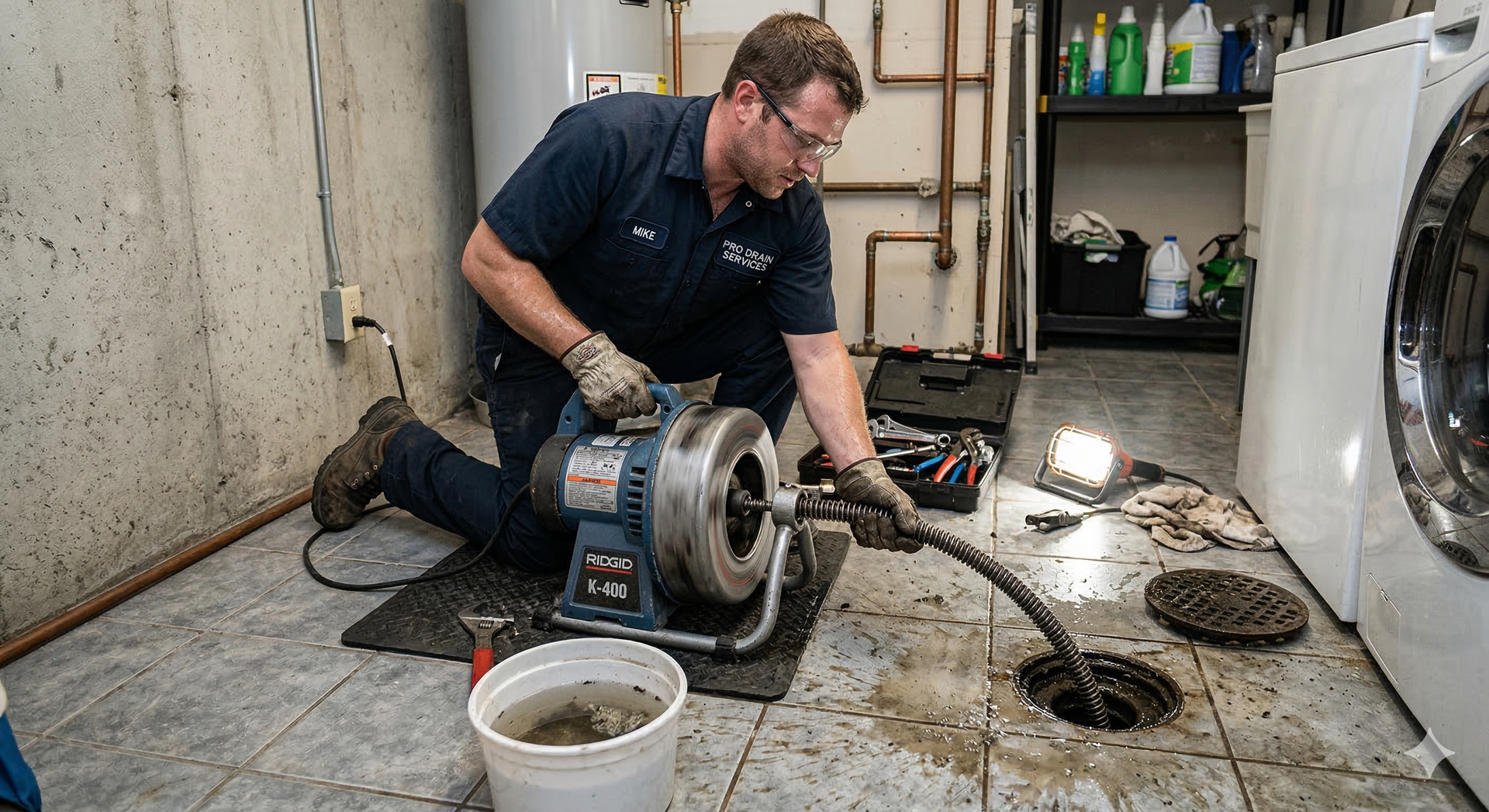
Mechanical root cutting—using specialized cutters or augers—removes intruding roots but rarely prevents regrowth. When combined with targeted chemical treatments that inhibit regrowth, cutting can be part of a periodic maintenance plan. These treatments must be applied carefully to prevent environmental harm and to comply with local regulations. Licensed technicians can recommend appropriate products and application schedules. Relying solely on chemical control is insufficient for severe invasions; mechanical removal followed by pipe repair or lining yields more reliable, lasting results.
Protecting Adjacent Systems and Water Quality
Root invasion that compromises waterlines not only causes leaks but can introduce contaminants or create cross-connection risks. Repairs and preventive measures should include water quality testing after major interventions, flushing of the system to remove debris and organics, and, if necessary, temporary disinfection. When nearby sewer lines are threatened by roots, coordinated action may be required to avoid contamination that impacts potable lines. Contractors handling these repairs frequently coordinate with homeowners to document work and verify restored water quality.
When to Choose Full Replacement
Full replacement is the correct path when the pipe is structurally compromised, repeatedly invaded despite maintenance, or when the material is obsolete and prone to future failures. Replacing the line with modern, seamless, and root-resistant materials reduces long-term maintenance costs. In some urban or constrained sites, trenchless replacement offers a balance between durability and minimal surface disruption. For significant projects, consider contractors experienced with large-scale replacements and those who can integrate preventive landscaping and barrier installation into the job scope. Sometimes the most economical long-term choice is an upfront investment in a properly installed new line rather than ongoing patching and service calls.
Coordination with Other Services
Because root problems can involve sewer and storm systems as well as potable waterlines, coordinated assessments are essential. For example, when a sewer line replacement is recommended, crews may address both sewer and neighboring waterline vulnerabilities at once to prevent future conflicts and repeated excavations. Experienced plumbing firms are positioned to sequence work efficiently, liaise with inspection authorities, and provide warranties that reflect the integrated solution. This holistic approach reduces the total lifetime cost and disruption to the property.
Conclusion
Protecting your waterline from tree root invasion requires a combination of accurate diagnosis, appropriate repair methods, and proactive long-term maintenance. While temporary solutions such as root cutting and localized pipe patching can provide short-term relief, lasting protection comes from upgrading aging pipe materials, using trenchless rehabilitation techniques, and planning landscaping with underground utilities in mind. Regular inspections—particularly for properties with mature trees—help detect root intrusion early, keeping repair costs under control.
An often-overlooked aspect of maintaining a healthy plumbing system is understanding water pressure regulators, as excessive water pressure can place additional stress on weakened pipes and joints, making them more vulnerable to damage once roots begin to infiltrate. Working with experienced plumbing professionals ensures repairs are completed safely, comply with local codes, and are designed to last. They can recommend the most appropriate repair approach, whether trenchless restoration or full pipe replacement, while coordinating related services to reduce the likelihood of future issues. By investing in preventative maintenance, proper pressure management, and timely repairs, homeowners can preserve water quality, avoid costly emergency excavations, and protect the long-term integrity of their plumbing system.