The Complete Drain Cleaning Frequency Guide for Homes
Maintaining clear, functioning drains is essential to household comfort, hygiene, and the longevity of plumbing systems. Determining how often to schedule drain cleaning depends on fixture usage, local water quality, pipe material, and the presence of risk factors such as older plumbing or frequent grease disposal. This guide outlines recommended cleaning frequencies for different areas of the home, explains the repair process when cleaning reveals deeper issues, describes leak isolation and patching methods, and lays out long-term maintenance practices to reduce the need for reactive service calls.
How often to clean kitchen drains
Kitchen drains face the highest risk of organic buildup because of grease, food particles, and oils that adhere to pipe walls. Homes with regular cooking and high-traffic kitchens typically benefit from professional drain cleaning every 12 months to prevent slow flow and odors. In situations where heavy frying, disposal use, or frequent baking occurs, semiannual cleaning can be prudent. When technicians perform kitchen drain services, they combine mechanical cleaning—snaking or hydrojetting—with inspection to check for grease-coated traps and compromised fittings. Reputable service providers, including All City Plumbers, often recommend pairing cleaning with minor preventative repairs that keep traps and connections functioning properly.
Bathroom drain cleaning intervals
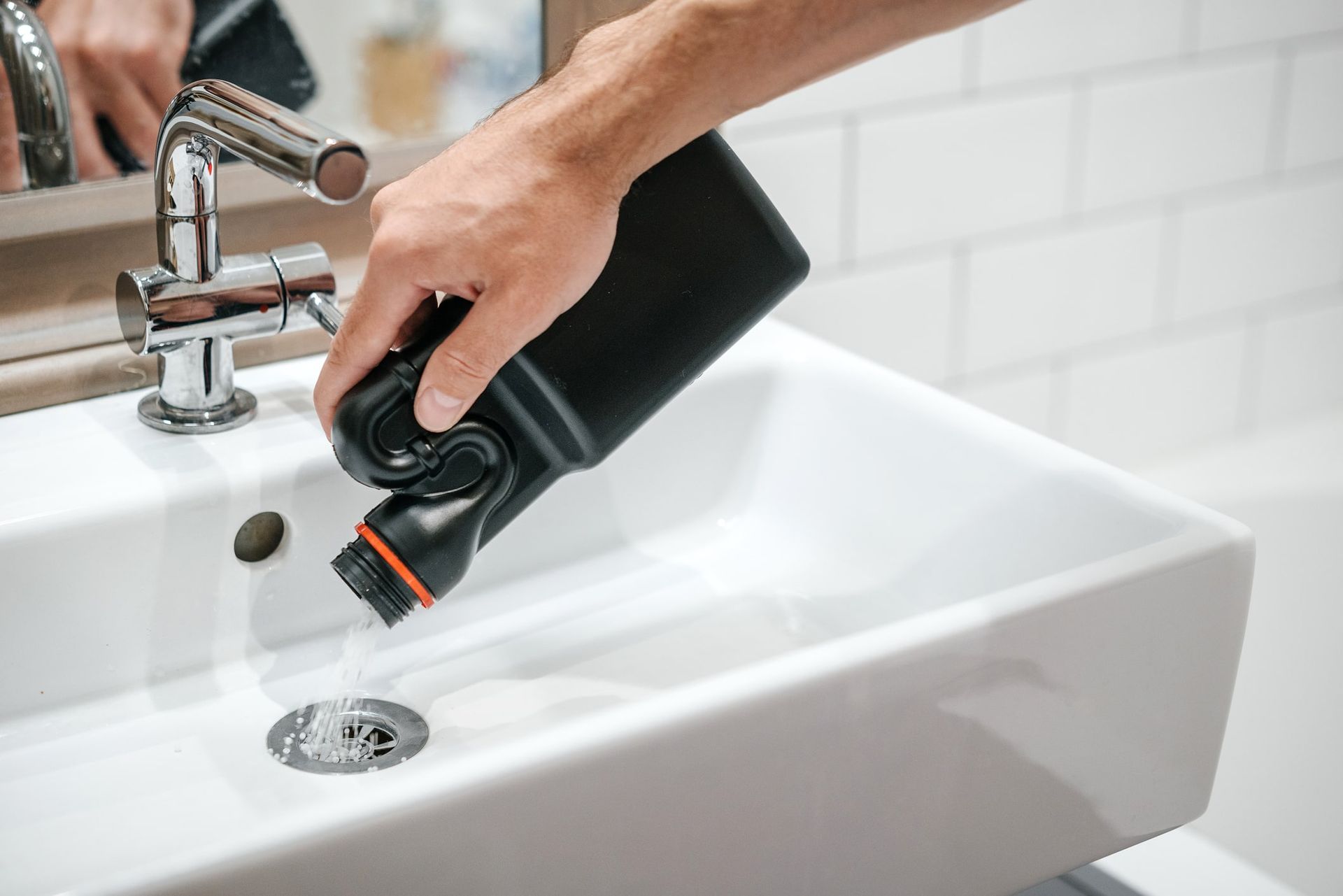
Bathroom drains encounter hair, soap scum, and mineral residues that slowly reduce flow. For most households, annual cleaning of shower and bathtub drains is sufficient, with additional attention for sinks that serve many users, such as in multi-occupant homes. If you notice recurring slow drainage, gurgling sounds, or localized odors, schedule an inspection sooner rather than relying on repeated chemical treatments, which can harm pipes and only mask underlying issues. During bathroom servicing, technicians assess trap seals and venting, which are common sources of odor and slow-drain complaints; addressing these components during routine cleaning reduces the likelihood of emergency repairs.
Laundry and utility area frequency
Laundry drains and utility sinks see intermittent but heavy use and can accumulate lint, detergent residue, and small debris. A yearly cleaning is generally advisable for single-family homes, with more frequent attention for shared laundries or high-volume use. Lint traps and washer hoses should be checked regularly for wear; when technicians find persistent buildup or early signs of pipe stress, more comprehensive interventions such as waterline repair and replacement may be recommended to avoid unexpected failures. Including lint management and hose inspection in drain-cleaning visits helps extend the service life of appliance connections and prevents costly water damage.
When to clean main sewer lines
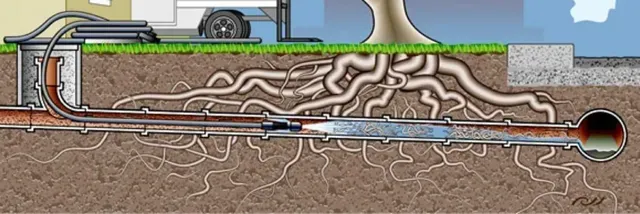
Main sewer lines require the most cautious schedule because failures are disruptive and expensive. As a baseline, homeowners should have a main sewer inspection every two to three years, with cleaning performed as needed based on camera findings or recurring symptoms such as multiple slow fixtures, sewer gas odors, or lawn sinkage. Properties with mature trees, clay pipe, or older cast-iron mains typically need more frequent attention because tree roots and pipe deterioration accelerate blockages. During main-line service, technicians use high-pressure jetting and camera inspection to both clear the line and document its condition. If the camera reveals major cracks, collapses, or root intrusion that recur after cleaning, technicians will outline options from sectional repair to trenchless replacement.
Signs that you need more frequent cleaning
Certain circumstances increase the frequency required for effective maintenance. Homes that regularly dispose of grease or coffee grounds, those with soft or mineral-rich water that accelerates scale, and houses housing more occupants or renters may need quarterly or semiannual service. Similarly, repeated clogs, water backing up into basements or floor drains, and persistent odors are signs that a simple cleaning is not enough and that a deeper diagnostic evaluation should occur. Technicians will look for contributing factors—improper venting, sagging pipe runs that trap solids, or deteriorating joints—and recommend corrective actions to reduce the long-term need for intensive cleaning.
The repair process when cleaning reveals problems
Professional drain cleaning often uncovers issues beyond surface blockages. When technicians encounter damage, they document the problem with camera footage, isolate the affected section, and propose a repair strategy. Repair actions range from root cutting and localized excavation to relining or full replacement. In many cases, after clearing a blockage with hydrojetting, plumbers will perform pressure tests or follow-up inspections to ensure the problem is resolved. For more severe conditions—such as recurring root intrusion or structural damage to the main—plumbers may recommend waterline repair and replacement options to restore reliable drainage and prevent future emergencies.
Leak isolation and safety during repairs
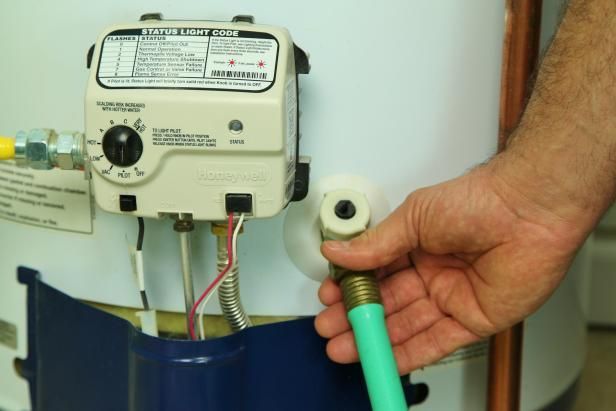
Isolating leaks and suspect sections is a priority during any repair process. Technicians use localized shutoffs when possible to limit water outage to a small area and to reduce damage risk while performing repairs. If a property lacks convenient shutoffs, professionals will advise homeowners to install a water shutoff valve near key appliances so individual fixtures can be isolated quickly during service or emergency situations. During repairs that threaten finishes or create damp conditions, crews also implement drying, containment, and temporary supports to minimize secondary damage and protect occupants.
Patching methods and permanent fixes
Patching methods depend on pipe material and the nature of the damage. Small perforations in metal pipes can sometimes be stabilized temporarily with epoxy or clamps, but permanent repair typically involves replacing the affected section. For cast-iron or clay mains with localized collapse, sectional replacement or slip-lining may be effective. Trenchless techniques such as cured-in-place pipe relining offer a way to restore continuous flow without major excavation by creating a new internal pipe lining. Technicians weigh the lifespan, cost, and disruption of each option and recommend the method that balances durability with minimal homeowner inconvenience.
Long-term maintenance strategies
Long-term maintenance reduces the frequency of required cleaning and extends the life of plumbing infrastructure. Establishing a consistent cleaning schedule based on fixture use, water quality, and inspection findings is foundational. Pair cleaning with annual camera inspections, regular trap and strainer cleaning, and mindful household habits—like limiting grease disposal and using drain guards—to prevent solids from entering the system. Pressure regulation and water-conditioner systems can lower the formation of scale inside supply and drain systems. For appliances and vulnerable fixtures, homeowners should install accessible isolation valves and consider periodic professional reviews of hose condition and fixture seals.
Professional service agreements and value
Many homeowners find value in service agreements that bundle scheduled drain cleaning, camera inspections, and discounted repairs. These programs provide predictable budgeting and fast response when technicians detect problems. Companies that offer comprehensive packages, such as All City Plumbers, combine preventive drain care with diagnostic services so repairs are informed by data and tailored to a home’s specific risks. A proactive relationship with a qualified plumbing firm often translates into longer intervals between emergency calls and lower lifetime plumbing costs.
Conclusion
Determining the optimal drain cleaning frequency for a home depends on usage patterns, pipe materials, and environmental factors. Routine cleaning—annual for most fixtures, more frequent in high-use areas, and targeted inspections for main lines—prevents slow drains, reduces odor risks, and allows early detection of structural issues that require repair.
When cleaning unearths deeper problems, professional intervention ranging from targeted patching to full replacement ensures durable results. Installing sensible isolation measures, including the recommendation to install a water shutoff valve near key appliances, and adopting preventive habits are central to long-term system health and minimizing the need for disruptive repairs.