How to Safely Remove Grease Buildup From Kitchen Pipes?
Grease buildup in kitchen pipes is a common and persistent problem that impairs flow, creates odors, and increases the risk of costly backups. Removing accumulated fats, oils, and grease requires a careful balance of mechanical cleaning, safe chemical application when appropriate, and follow-up repairs where pipe integrity is compromised. This article explains effective grease-removal strategies, walks through the repair process when cleaning reveals damage, outlines leak isolation and patching methods, and recommends long-term maintenance practices to keep kitchen plumbing clear and functional.
Diagnosing the extent of grease buildup
A proper response begins with diagnosing the severity and location of the grease accumulation. Technicians assess symptoms—slow draining, gurgling, recurrent odors, and poor disposal performance—and often use local inspection tools such as a drain camera to visualize grease layers inside traps and horizontal runs. Grease tends to adhere to pipe walls and collect in low spots or sags where flow velocity is insufficient to carry solids away. Understanding whether the issue is localized to the trap and immediate trap arm, or extends into the building’s drain or main sewer, dictates the cleaning approach and whether more extensive interventions will be necessary.
Mechanical cleaning techniques
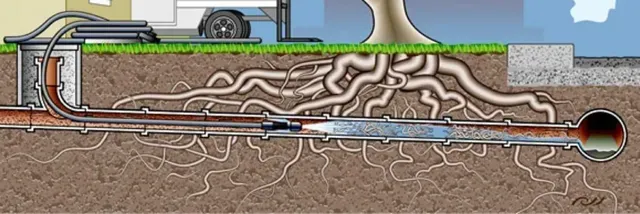
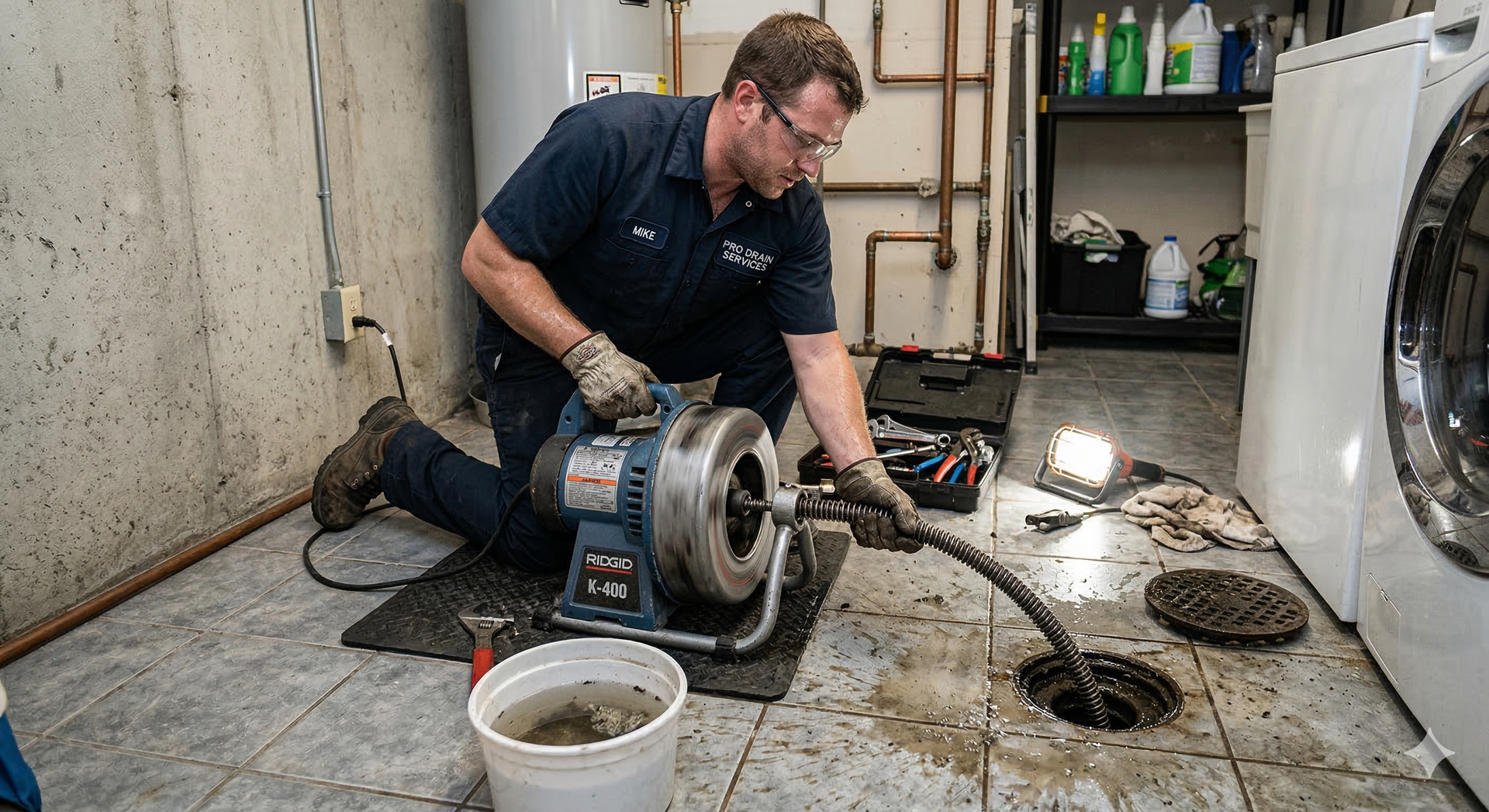
Mechanical cleaning is the primary and most reliable method for removing grease. Plumbers use specialized augers and powered rooters that cut and dislodge accumulated material from the pipe walls. For more stubborn, caked deposits, hydrojetting employs high-pressure water streams to scour the interior of the drain and restore full bore flow. Hydrojetting is especially effective at removing consecutive layers of congealed grease and biofilm that resist auguring. When technicians perform these procedures, they follow safety protocols to protect finishes and adjacent plumbing fixtures and to capture dislodged material so it does not simply relocate further down the system.
Safe chemical options and when to avoid them
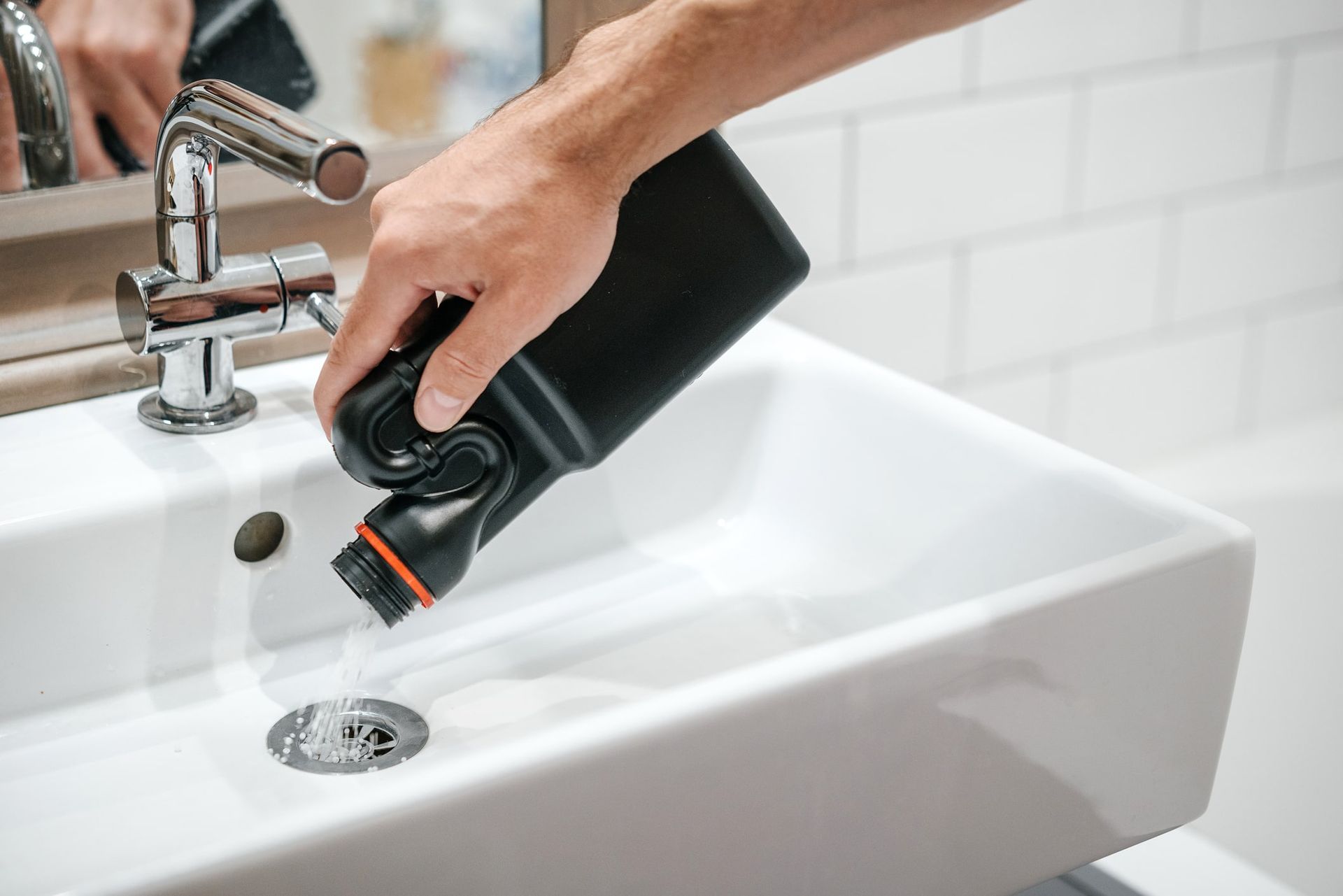
While caustic chemical drain cleaners can dissolve organic deposits, they carry significant risks to piping materials, seals, and the environment. Professionals generally prefer enzyme-based formulations that biologically break down fats, oils, and grease without the corrosive effects of caustics. Enzyme treatments work best as a follow-up to mechanical cleaning, helping to digest residual films and reduce re-accumulation. In systems serviced for grease buildup, reputable plumbing firms—such as All City Plumbers—apply enzyme programs cautiously and advise homeowners on avoiding household practices that counteract biological cleaners. Highly corrosive agents are avoided on older metal pipes and in systems with plastic fittings, and they are never used as a substitute for mechanical removal when blockages are substantial.
The repair process when cleaning reveals damage
Drain cleaning often uncovers hidden problems: corroded trap bodies, fractured fittings, or degraded trap seals. When technicians find damage during cleaning, they document conditions and recommend repairs ranging from replacing a trap or trap arm to excavating and replacing longer sections of drain. For accessible traps and horizontal runs, repair typically involves cutting out the compromised section and installing new piping with appropriate slope and support. For more extensive deterioration in main drains, plumbers may propose sectional replacement or trenchless solutions if the scope permits. After repairs, technicians pressure-test the repaired sections to verify watertightness and restore confidence in the system’s integrity.
Leak isolation and safety during grease removal
Before performing cleaning or repairs, isolating the work area prevents water damage and protects occupants. Technicians shut off local fixtures and, if necessary, the branch supply while removing traps or conducting aggressive cleaning. When drains are opened, they use containment measures to prevent spilled water and grease from damaging cabinetry and finishes. If a repair involves cutting into pipe runs within walls or floors, crews dry and ventilate the area to prevent microbial growth and odor transfer. Homeowners are advised to avoid using disposals or pouring fats down drains during the remediation period, and to follow any temporary restrictions technicians put in place for the duration of the repair.
Patching methods and permanent fixes
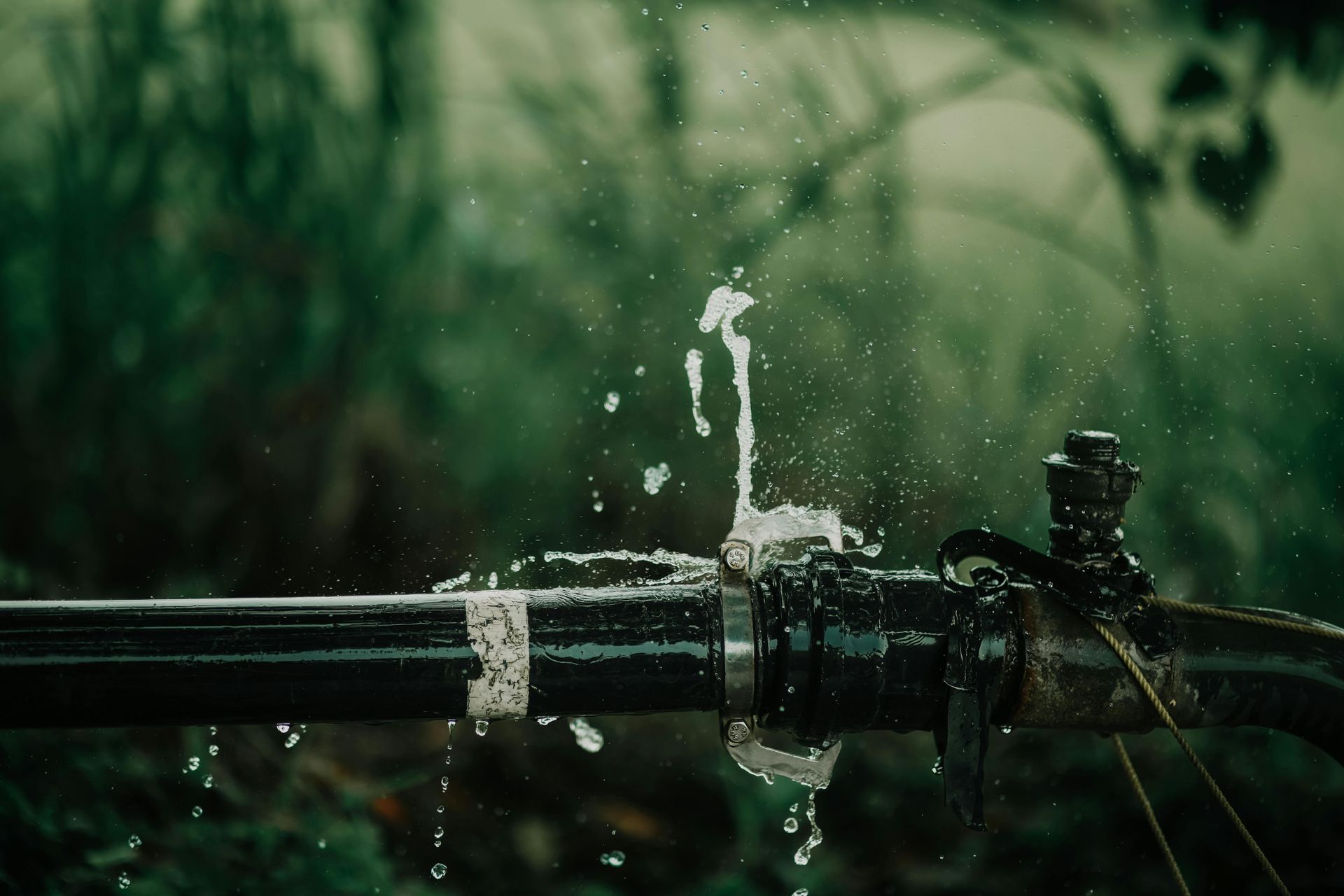
Temporary patches can hold until a permanent repair is scheduled, but grease-related problems generally demand lasting solutions. For minor leaks or pinholes in accessible sections, epoxy compounds and repair wraps provide a short-term stopgap. Permanent fixes involve replacing the affected trap, trap arm, or horizontal section with properly sloped, cleanable piping and installing accessible cleanouts to facilitate future maintenance. In commercial or heavy-use residential kitchens where grease is recurrent, installing larger-diameter trap arms, improved venting, and grease interceptors upstream may be necessary to prevent rapid re-accumulation. Coordinating any pipe replacement with improved trap access helps reduce future service disruption.
Long-term maintenance and prevention
Long-term success against grease buildup relies on improving kitchen habits and scheduling routine maintenance. Avoid pouring cooking oils, fats, or coffee grounds into sinks; instead, collect grease in containers for disposal or recycling. Use strainers to capture solid food particles and clean them regularly. Periodic professional cleaning—timed based on use intensity—keeps thin films from becoming stubborn plugs, and enzyme-based treatments applied after mechanical cleaning can help maintain clear pipe walls between service visits. Homeowners should also address contributing factors such as insufficient pipe slope or sagging lines and consider installing upstream grease traps or interceptors in households with heavy cooking demand.
Integration with other systems and related considerations
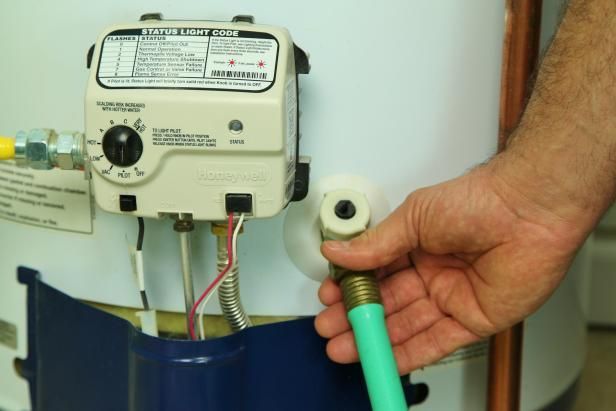
Kitchen plumbing interacts with other household systems, and a comprehensive approach often yields the best results. For example, combining drain maintenance with supply-side checks can reveal pressure or thermal stresses that accelerate joint failures. In homes with boilers or indirect systems, technicians sometimes inspect expansion tanks and related fittings at the same time as drain service to detect cross-system vulnerabilities. For residences equipped with tankless water heaters, following manufacturer guidance on descaling is critical; incorporating best practices for flushing and maintaining tankless water heaters into a home’s routine service plan reduces the chance that mineral buildup will shift use patterns and indirectly contribute to drainage issues.
Monitoring and service agreements
Regular monitoring and professional service agreements provide predictable upkeep and early detection of trends that lead to grease problems. Technicians can tailor cleaning intervals and recommend hardware changes based on observed accumulation rates, kitchen usage, and the condition of existing piping. For homeowners with high-volume kitchens or frequent entertaining, scheduled hydrojetting and targeted inspections keep drains flowing and reduce the need for emergency interventions.
Conclusion
Removing grease buildup from kitchen pipes safely and effectively starts with accurate diagnosis and relies primarily on mechanical cleaning methods such as augering and hydrojetting. Combining those techniques with environmentally responsible enzyme treatments and careful repairs restores flow while minimizing harm to piping materials and finishes.
Long-term prevention requires changing household habits, instituting scheduled professional maintenance, and addressing underlying piping issues—such as inadequate slope or deteriorated fittings—that promote grease adhesion. Coordinating drain upkeep with related system checks, including expansion tanks and tankless water heater maintenance, ensures a holistic approach that preserves plumbing performance and reduces the likelihood of recurrent blockages.