How to Detect Slow Leaks in Walls Without Opening Them Up?
Slow leaks hidden inside walls are one of the most insidious home plumbing problems because they progress quietly, causing mold, structural weakening, and hidden repair costs before they become obvious. Detecting these leaks without opening walls relies on a mix of observation, noninvasive diagnostics, and targeted testing that preserves finishes while pinpointing problem areas. This article describes proven detection techniques, outlines the repair process once a leak is located, explains leak isolation and temporary patching options, and covers long-term maintenance strategies to prevent recurrence.
Signs and indicators of hidden leaks
Detecting slow leaks begins with careful observation of secondary signs. Look for unexplained increases in water bills, musty or mildew odors, discoloration or slow-spreading stains on ceilings and baseboards, and soft or buckling paint and wallpaper. Interior humidity that remains consistently high in localized areas can point to concealed moisture sources. Sound detection also helps: in quiet conditions, persistent dripping or faint rushing noises behind a wall may reveal slow flow. Thermal patterns can be informative when hot water lines leak; warm bands on a wall surface may betray a hidden supply line failure. Combining these indicators builds a case for more focused, noninvasive diagnostics.
Noninvasive diagnostic tools and methods
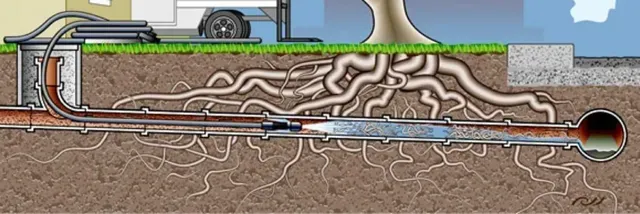
Modern diagnostic tools allow technicians to localize leaks with minimal disturbance. Moisture meters and infrared thermal imaging cameras identify unusually wet materials and thermal anomalies that correspond to water migration. Acoustic leak detectors amplify and analyze sound frequencies associated with escaping water, making it possible to trace a slow leak along pipe runs. For drains and sewer lines, tracer gas tests introduce a safe, low-pressure gas into the system while sensors outside detect where the gas escapes, indicating a breach. In many homes, professionals deploy a combination of these methods to triangulate a leak’s location before any opening is made.
When to call a professional and what they do
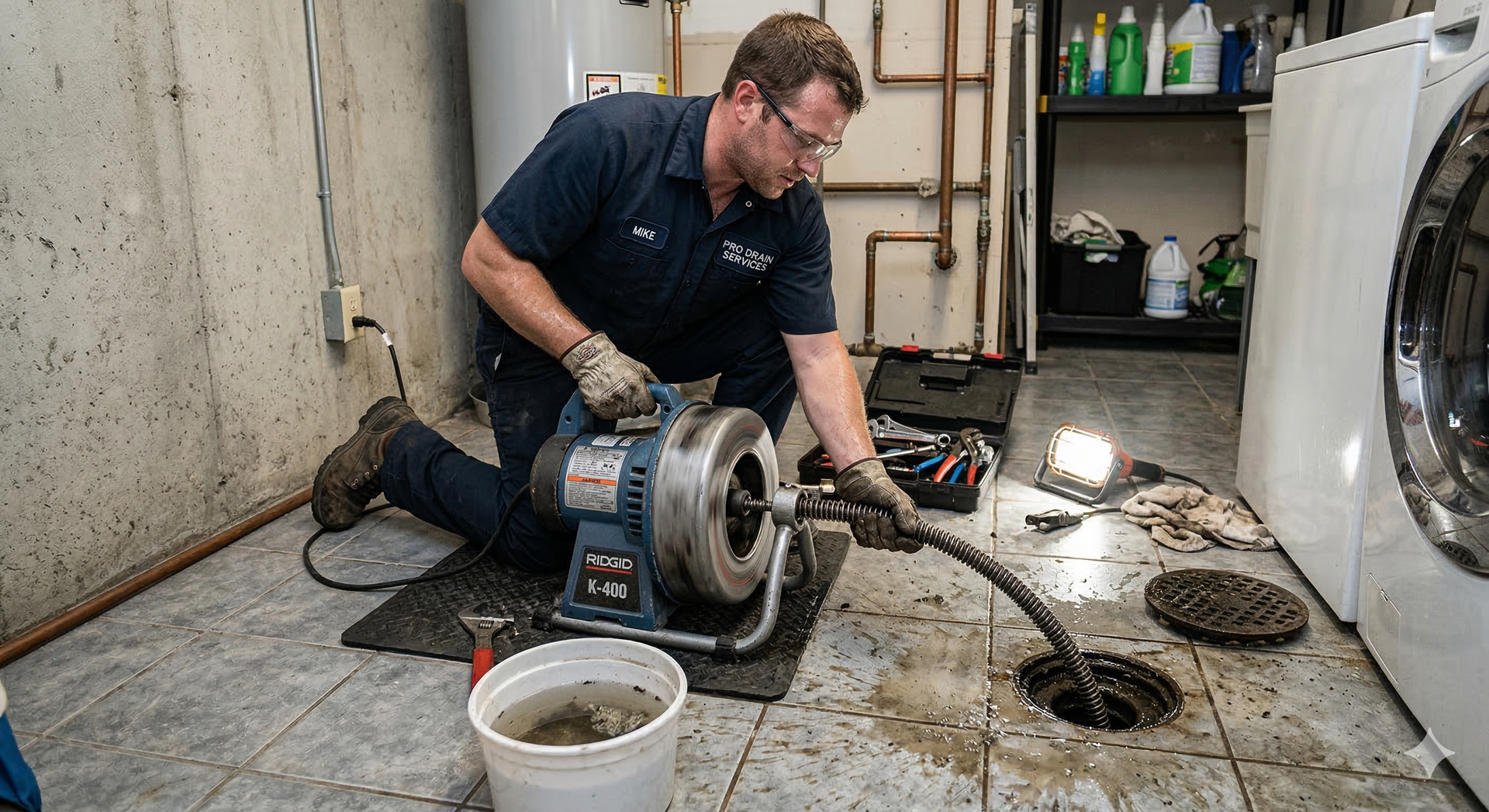
Homeowners can perform basic observation and use consumer moisture readers, but slow or complex leaks are best managed by experienced plumbers who bring calibrated instruments and diagnostic expertise. A qualified technician performs a methodical assessment—reviewing plumbing schematics, tracing pipe runs, and using acoustic, thermal, and moisture-sensing tools to narrow the search area. If the property has a sump pump or basement drainage system, the technician will also evaluate those components for related issues; in some cases, leak patterns originate from sump pump repair needs or failures in adjacent systems. Reputable firms such as All City Plumbers document findings with imagery and data, present repair options, and prioritize interventions that minimize tear-out.
Leak isolation and safety precautions
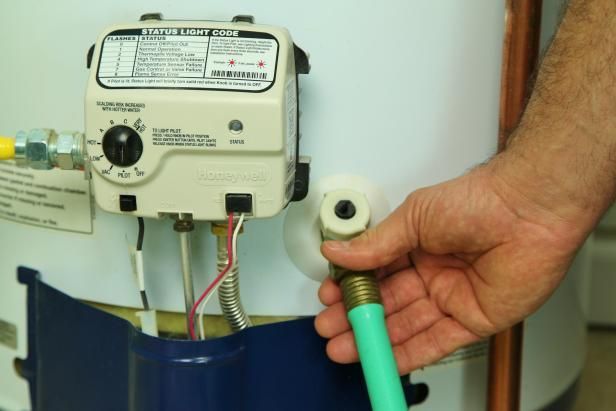
Once diagnostics suggest a likely source, isolating the affected circuit reduces ongoing damage and simplifies repairs. Technicians locate and close relevant local shutoffs or, if necessary, the main supply to the home. For homeowners who do not already have convenient localized valves, professionals typically recommend making the investment to install a water shutoff valve near key appliances so future isolation can be achieved quickly. After shutting off water, crews dry the area and check for associated electrical hazards; if moisture has reached outlets, switches, or fixtures, electricians may be engaged to ensure safe conditions before work proceeds. Containing moisture migration with dehumidifiers and targeted airflow mitigates secondary issues like mold while the leak is addressed.
Targeted opening and the repair process
When noninvasive techniques narrow the location to a small zone, technicians perform targeted openings—cutting minimal access panels or channels to reach and inspect the pipe. This approach reduces repair footprint compared with full wall removal. Once the pipe is exposed, plumbers assess the failure mode: pinhole corrosion, joint failure, hairline fractures from stress, or appliance-connection failures each require different repairs. For small metallic pinholes, soldering or epoxy-based repairs may suffice temporarily, but best practice is to replace the damaged section and its nearby fittings to prevent near-term recurrence. For plastic piping, cutting out and rejoining with solvent welds or mechanical couplings typically restores integrity. After repair, pressure testing confirms the fix before walls are closed.
Temporary patching methods you can expect
In cases where immediate full replacement is impractical, temporary patches limit water migration and protect finishes until a permanent solution is scheduled. Professionals may apply rubber sleeves with hose clamps, epoxy putties, or compression fittings on accessible runs. For slow leaks within walls where the source cannot be fully accessed immediately, controlled drying and moisture barriers—paired with temporary shutoff of the affected zone—prevent further deterioration while permitting a planned repair. These temporary measures are not substitutes for permanent repairs but are valuable for preventing escalation and protecting indoor air quality.
Addressing related systems and secondary damage
Slow leaks often interact with other home systems, and a comprehensive repair includes evaluating and addressing secondary damage. Prolonged moisture invites mold growth, weakens drywall and structural members, and may corrode adjacent fittings. If signs of contamination exist, remediation specialists clear mold and replace affected gypsum board and insulation. When leaks are near basements or low spots, ensure that sump systems are functional; neglected sump pump repair issues can exacerbate water intrusion and complicate wall-related leaks. Coordinating plumbing fixes with any necessary structural or mold remediation secures both the pipe and the surrounding building envelope.
Long-term monitoring and prevention
After repairs, implementing a monitoring and prevention plan reduces the chance of recurrence. Schedule periodic camera inspections and pressure tests to assess older supply and drain runs. Install accessible local shutoffs for appliances and fixtures that commonly fail, and consider adding inline leak detection sensors and automatic shutoff valves in critical locations. Practice routine maintenance: inspect exposed pipes in basements and crawlspaces, maintain proper insulation on hot and cold lines to prevent thermal stress, and keep water pressure regulated to reduce mechanical strain. Data-driven monitoring from smart sensors can provide early alerts for changes in usage patterns that signal developing leaks.
Insurance and documentation
Documenting the detection and repair process is important for insurance claims and future maintenance. Keep photographs of pre-repair evidence, instrument readouts, the targeted opening site, and post-repair pressure tests. Detailed invoices from qualified technicians support claims for property damage and remediation costs. Discuss coverage implications with your insurer promptly, as some policies require immediate mitigation and professional documentation to approve mold or structural remediation. Clear documentation also aids future technicians in understanding previous repairs and avoiding needless repetition.
Conclusion
Detecting slow leaks in walls without wholesale demolition relies on combining observation with targeted, noninvasive diagnostic tools to localize problems precisely. Acoustic detection, thermal imaging, moisture metering, and tracer tests allow professionals to find failures while preserving finishes; targeted openings minimize repair footprint and focus work where it is truly needed.
Long-term prevention depends on robust follow-up: isolate and repair leaks promptly, address any mold or structural damage caused by prolonged moisture, and adopt monitoring measures such as installing a water shutoff valve near key appliances and adding sensors where appropriate. Working with experienced service providers—who can also coordinate sump pump repair and other related services—ensures repairs are durable and that the building’s envelope remains protected over time.