7 Warning Signs & Common Causes of a Sewage Backup

Sewage back-ups are unsightly, smelly, and potentially very dangerous. When sewage backs up in the plumbing system in your home, it may create many serious problems. And the longer it is ignored, the worse it will get and the more damage it will do.
The good news is that recognizing the signs of a sewage backup can aid you in acting quickly in resolving the issue. Below are the seven common signs of sewage back-ups:
1. Bubbling Drains or Toilets
If air bubbles appear in your drains or toilets while you’re using them, it signifies that wastewater isn’t flowing correctly through your plumbing system. If wastewater cannot travel through your system, it will back up since there is nowhere else for it to go. As a result, bubbling drains and toilets are frequently among the earliest signs of sewage blockages.
2. Multiple Drain Clogs
A sewage backup is likely to be the cause if more than one drain in your house is clogged and not allowing wastewater to move through at all. These drain blockages, like sluggish drainage issues, generally impact the lowest drains in your home first.
3. Sewage-like Odor
Your drains are supposed to carry wastewater away from your house. As a result, any foul odor emanating from your drains—or a persistent sewage odor in your home—could indicate a mainline sewer backlog.
4. Slow Draining in Many Fixtures
Multiple drains become slow if wastewater cannot travel through your pipes and sewer line. As the backup crawls up your plumbing and sewage line, it usually starts with the lowest drains in your home. If your basement or first-floor drains are all slow to remove wastewater, it might be an indication that you have a sewage backup problem.
5. Unusual Plumbing Fixture Behaviors
This warning sign can manifest in various ways, such as a sewage backup in the shower after flushing the toilet or backups in sinks after washing the clothes.
6. Sewage From a Cleanout Pipe
Wastewater can be forced up via the cleanout pipe, generally outdoors or in a basement, when the sewage line backs up. Sewage backlog is most likely to blame if sewage is pouring out of a pipe in the yard or basement.
7. Standing Water in A Cleanout Pipe
Before wastewater flows out of a cleanout pipe, it remains there while a backup forms. It’s a good idea to inspect your cleanout pipe if you’re experiencing other indications of a sewage backup. If there is standing water in it, you are most likely dealing with a sewage backup, and you need to call in professional plumbing services.
Common Causes of Sewage Backups
Sewage backups can be caused by a variety of issues, such as the following:
- Clogs, breaks, or cracks
- Collapses
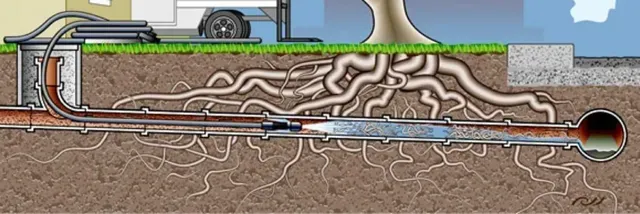
- Infiltration of tree roots
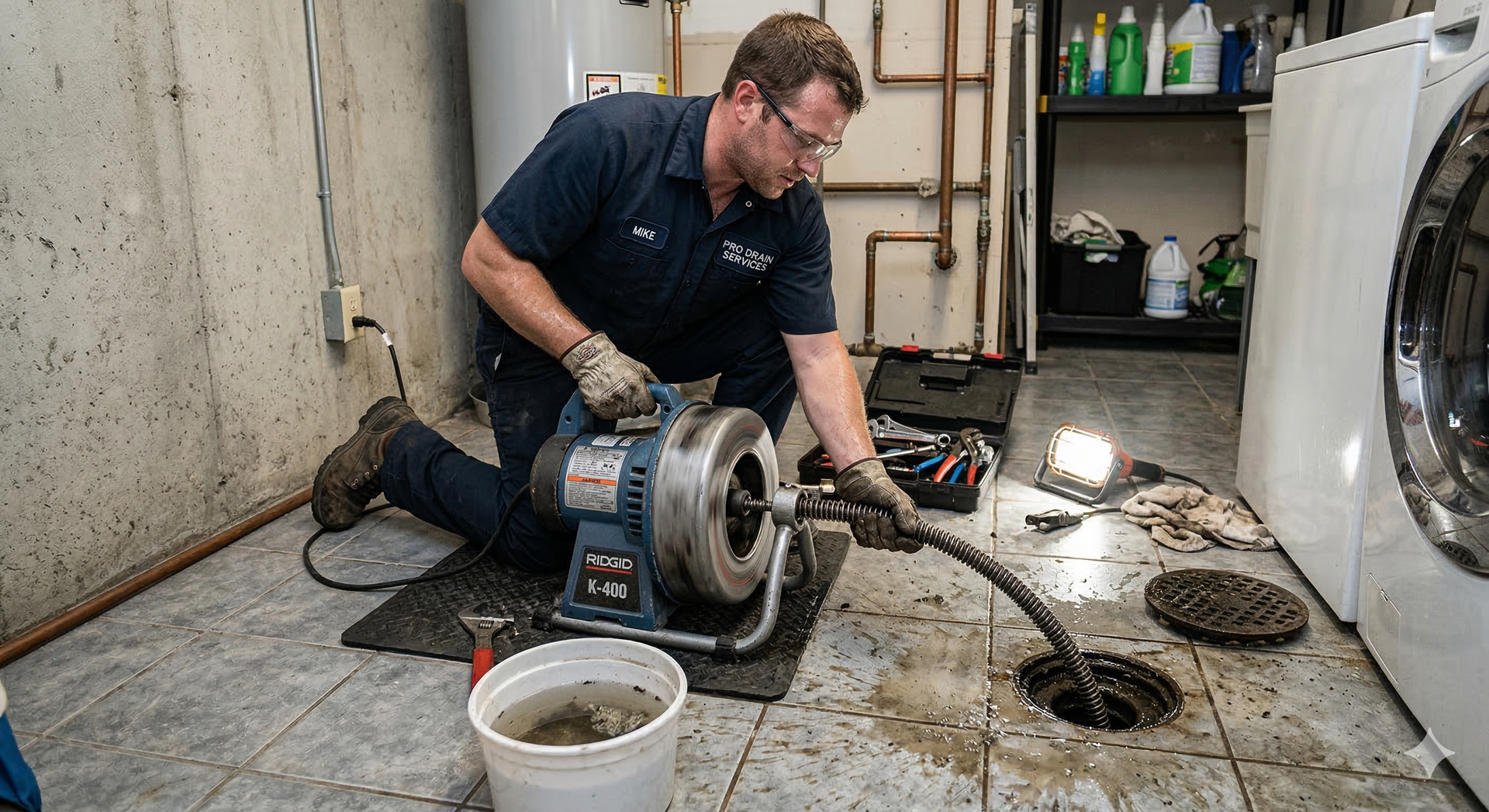
Identifying and repairing the root of the problem is the best approach to stop and fix sewage backups. To do this, you may seek sewage & drain cleaning services.
Conclusion
Sewage backups should not be ignored as they can result in further damage to your plumbing system and related fixtures in your home. Contact a licensed plumber for immediate, dependable assistance as soon as you see these warning signs.
Have you noticed your tub, shower, or sink draining slower than usual? All City Plumbers Inc. provides professional sewage & drain cleaning services in Birmingham, AL. We also offer emergency, commercial, and residential plumbing services. Flush your problems away by reaching out today!