Backflow Preventers: How They Protect Your Water Supply
Backflow preventers stand as critical sentinels in modern plumbing systems, engineered to prevent the reverse flow of contaminated water into potable supplies, safeguarding public health against hazards like chemical back-siphonage or pressure-induced contamination. These devices leverage mechanical check valves, vacuum breakers, or reduced pressure zones to maintain unidirectional flow, complying with rigorous standards from organizations such as the American Society of Sanitary Engineering and the Uniform Plumbing Code. By interrupting potential cross-connections between clean water lines and potential pollutants, backflow preventers ensure the integrity of municipal and private water systems, averting outbreaks that could affect thousands. This in-depth exploration examines their mechanics, types, installation imperatives, and maintenance protocols, underscoring their indispensable role in sustainable water management.
The Mechanics of Backflow Prevention
Backflow occurs through two primary mechanisms: back siphonage, where negative pressure draws contaminants upstream due to main line breaks or high downstream demand, and backpressure, arising from elevated pressures in private systems exceeding supply mains. Backflow preventers counteract these forces using spring-loaded check valves that close instantaneously upon flow reversal, creating a hydraulic barrier with minimal pressure loss—typically under 5 PSI per valve. Reduced pressure zone (RPZ) assemblies incorporate intermediate relief valves that vent to atmosphere if differential pressures exceed 2 PSI, purging contaminants before they infiltrate supply lines.
These devices integrate brass or stainless steel bodies resistant to corrosion, with elastomeric seals rated for 180 PSI and 140°F continuous service, ensuring longevity in diverse applications from irrigation to fire suppression. Sensors in advanced models monitor flow direction via differential pressure transducers, triggering alarms or shutdowns via solenoid integration. Understanding these principles reveals how backflow preventers not only protect water purity but also stabilize system hydraulics, preventing pressure surges that damage fixtures downstream.
Types of Backflow Preventers and Their Applications
Double check valve assemblies (DCVAs) suit non-health hazard scenarios like residential irrigation, featuring two independent spring checks testable annually for seat tightness under 1 PSI air pressure. Atmospheric vacuum breakers (AVBs), simpler pressure-activated devices, excel in low-hazard intermittent use such as hose bibs, discharging air to break siphon vacuum without moving parts beyond a poppet valve.
RPZ devices dominate high-hazard installations near chemical injectors or boilers, mandating quarterly testing per ASSE 1013 standards due to their continuous venting capability. Spill-resistant pressure vacuum breakers (SVBs) bridge the gap for above-ground elevated hazards, containing discharges unlike AVBs. Selection hinges on hazard classification—high for sewage risks, low for landscape—guided by local codes like the International Plumbing Code Section 608, ensuring tailored protection without over-engineering.
Installation Considerations for Optimal Performance
Proper installation demands horizontal orientation with adequate clearance—12 inches below and 12 above—for testing ports, positioned post-shutoff valve and strainer to filter debris that impairs valve seats. Upstream isolation valves facilitate shutdowns, while thermal expansion tanks mitigate water hammer in closed systems. In cold climates, insulated enclosures prevent freezing, as ice expansion can shear internals, necessitating heat trace cables maintaining 40°F minima.
Professionals coordinate with water utilities for meter-adjacent placements, incorporating y-strainers with 100-mesh screens to capture particulates exceeding 0.01 inches. All City Plumbers exemplifies expertise in such integrations, routinely positioning devices in accessible vaults during comprehensive system upgrades to streamline future compliance inspections. Pre-installation hydrostatic testing verifies line integrity, confirming no existing leaks that could confound device performance.
Regulatory Compliance and Testing Protocols
Governing bodies like the EPA and state health departments mandate annual testing by certified technicians using air or water gauges calibrated to 0.2 PSI accuracy, verifying check valve tightness and relief valve function. Test procedures simulate backflow conditions: for RPZ units, pressurize the zone to 2 PSI above supply, confirming discharge cessation; DCVAs undergo sequential tight shutoff checks at no-flow states.
Records maintained for five years support renewal certifications, with failures prompting immediate shutdowns via bypass isolation. The importance of plumbing ventilation intertwines here, as backflow risks in poorly vented systems amplify contaminant spread through stack overflows, underscoring the need for integrated trap primers and air admittance valves to sustain negative pressures in drainage networks.
Common Hazards Addressed by Backflow Prevention
Backflow incidents have contaminated supplies with pesticides from lawn sprinklers, boiler treatments laced with amines, or sewage via submerged inlets, as documented in CDC case studies affecting municipal wells. Fire sprinkler systems pose unique threats, with antifreeze glycol posing toxicity risks during main failures. Commercial laundries and car washes introduce detergents, while hospitals safeguard dialysis loops against reverse osmosis backflow.
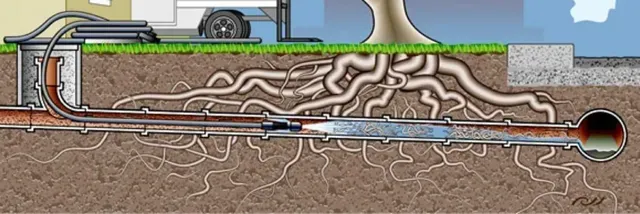
Preventers mitigate these by compartmentalizing hazards, with thermal expansion controls preventing over-pressurization in heated loops. Sewer line replacement often uncovers legacy cross-connections, where outdated fixtures lacked protection, highlighting the retrofitting value of backflow devices in aging infrastructures to preempt widespread outbreaks.
Maintenance and Longevity Strategies
Annual disassembly inspections reveal seat wear or spring fatigue, addressed by O-ring replacements using ASSE-approved kits restoring 99% seal integrity. Flushing removes scale via acid-neutralizing solutions, while ultrasonic cleaning dislodges tenacious debris without abrasion. Digital monitoring systems with SCADA integration log flow anomalies, predicting failures via pressure trend analysis.
Owners schedule biannual visual audits for corrosion or paint chips, lubricating test cocks annually. Lifespans exceed 20 years with diligence, far outpacing untreated systems prone to premature degradation.
Conclusion
Backflow preventers fortify water supplies through ingenious engineering, stringent compliance, and proactive maintenance, shielding communities from invisible threats lurking in interconnected plumbing networks. From discerning types and installations to embracing testing regimens, their deployment embodies a commitment to purity and resilience. Prioritize these guardians in your systems for uncompromised safety, ensuring every tap delivers trusted hydration across generations.