Importance of Plumbing Ventilation: Preventing Sewer Gas & Odors
Plumbing ventilation stands as a cornerstone of modern residential infrastructure, quietly working behind the scenes to protect households from the invisible dangers of sewer gases and persistent odors. These systems ensure that harmful vapors, produced during the decomposition of organic waste in sewer lines, are safely expelled rather than infiltrating living areas. Without proper venting, everyday activities like flushing toilets or running dishwashers can create pressure imbalances that allow methane, hydrogen sulfide, and ammonia to seep into homes, leading to health hazards, discomfort, and costly repairs. This comprehensive guide delves into the mechanics of plumbing ventilation, its critical role in daily life, common pitfalls, maintenance strategies, and long-term advantages, empowering homeowners to prioritize this often-overlooked aspect of their plumbing health.
Understanding Plumbing Ventilation Systems
Plumbing ventilation systems, commonly known as drain-waste-vent (DWV) networks, form an intricate web of pipes designed to facilitate smooth wastewater flow while safely managing gases. At the heart of this setup is the vent stack, a vertical pipe that rises from the drainage system through the attic and out the roof, acting as a breathable conduit for air. This allows atmospheric pressure to enter the pipes, counteracting the vacuum created by draining water and preventing sluggish flow or gurgling noises that signal inefficiency. Consider a simple analogy: just as a vacuum cleaner hose clogs without an air inlet, unvented drains struggle to evacuate water, leading to backups and gas escape.
In residential applications, every fixture—from sinks and showers to toilets and washing machines—connects to this system via branch vents that merge into the main stack. Plumbing codes, such as those outlined in the International Plumbing Code (IPC) and Uniform Plumbing Code (UPC), mandate that vents be installed within precise distances from each trap, typically no more than six times the trap arm's diameter, to maintain optimal performance. These regulations evolved from early 20th-century lessons when unvented systems caused widespread epidemics of gas-related illnesses in urban areas. Today, materials like durable PVC or cast iron ensure longevity, with vents extending at least six inches above the roofline to disperse gases effectively.
Homeowners rarely see these components, as they hide within walls and ceilings, but their importance becomes evident during home inspections or renovations. For instance, in older homes built before stringent codes, retrofitting vents might involve extending pipes or adding air admittance valves (AAVs), mechanical devices that open to admit air under negative pressure without requiring roof penetrations. Trusted professionals, such as All City Plumbers, often handle these upgrades, ensuring seamless integration with existing infrastructure and compliance with local standards. Grasping these fundamentals equips you to spot potential issues early, avoiding disruptions to your home's comfort and safety.
Health Risks Posed by Sewer Gases
Sewer gases represent a stealthy threat, carrying a cocktail of toxic compounds that can compromise indoor air quality and human health when ventilation fails. Hydrogen sulfide, with its distinctive rotten egg odor, irritates eyes, throats, and lungs at low levels, while higher concentrations trigger headaches, dizziness, and vomiting; prolonged exposure has even been linked to neurological disorders in occupational studies from sewage workers. Methane, odorless and colorless, poses an explosion risk in enclosed spaces and displaces oxygen, leading to asphyxiation—particularly dangerous in basements or utility rooms where gases pool. Other contributors like ammonia and carbon dioxide exacerbate respiratory issues, making children, asthmatics, and the elderly especially vulnerable.
These risks manifest gradually, often dismissed as seasonal allergies or poor ventilation from HVAC systems. Real-world cases underscore the urgency: in a 2019 incident in a suburban neighborhood, a blocked vent stack caused an entire family to suffer flu-like symptoms until emergency services identified sewer gas infiltration via air quality testing. Traps under fixtures provide the first line of defense, holding water as a liquid seal to block gas ascent, but vents are essential to prevent siphoning during rapid drainage events, such as multiple showers running simultaneously.
Global health authorities, including the Centers for Disease Control and Prevention (CDC) and World Health Organization (WHO), classify sewer gases as environmental hazards, recommending ventilation as a primary safeguard in building guidelines. In humid climates or homes with septic systems, decomposition accelerates, amplifying gas production and underscoring the need for vigilant system checks to protect occupant well-being.
Preventing Odors Through Effective Venting
Odors from sewer gases invade homes through dry or siphoned traps, turning fresh spaces into sources of embarrassment and discomfort. Effective venting maintains pressure balance, keeping traps primed with water and directing gases upward to the atmosphere. During dry periods or infrequent use, traps evaporate, creating direct pathways for smells; vents mitigate this by allowing air influx, ensuring consistent seal integrity. Picture a symphony where every drain harmonizes—vents conduct the flow, preventing discordant gurgling and stench.
Bathrooms and kitchens serve as prime odor hotspots, where back-to-back usage overwhelms unvented lines, but laundry areas demand equal attention. Laundry room plumbing essentials, including dedicated vented drains for washers and provisions for lint traps, prevent musty buildup that mingles with fabric softener residues, a common complaint in apartment complexes. Supplemental measures like AAVs or Studor valves offer relief in remodels, admitting air one-way without compromising hygiene.
Proactive habits amplify prevention: weekly water flushes in guest bathrooms and enzyme-based cleaners dissolve biofilm without corroding pipes. In cases where odors persist alongside drainage woes, underlying issues like corroded supply lines may contribute, necessitating waterline repair and replacement to restore full system equilibrium. By fortifying venting, homeowners reclaim odor-free environments, enhancing livability without constant masking sprays.
Common Ventilation Problems and Solutions
Ventilation systems face relentless challenges from environmental and human factors, demanding prompt diagnosis and repair. Rooftop vents clog with leaves, bird nests, ice, or even chimney soot in winter, trapping gases and forcing backups into fixtures. Internal issues arise from grease solidification, tree root intrusion, or pipe sags, creating air locks that manifest as slow drains house-wide. Multi-family dwellings amplify problems, where shared stacks overburden during peak usage, leading to cross-contamination of odors between units.
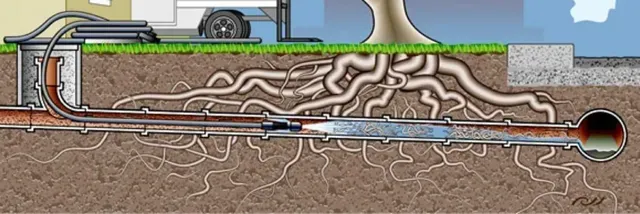
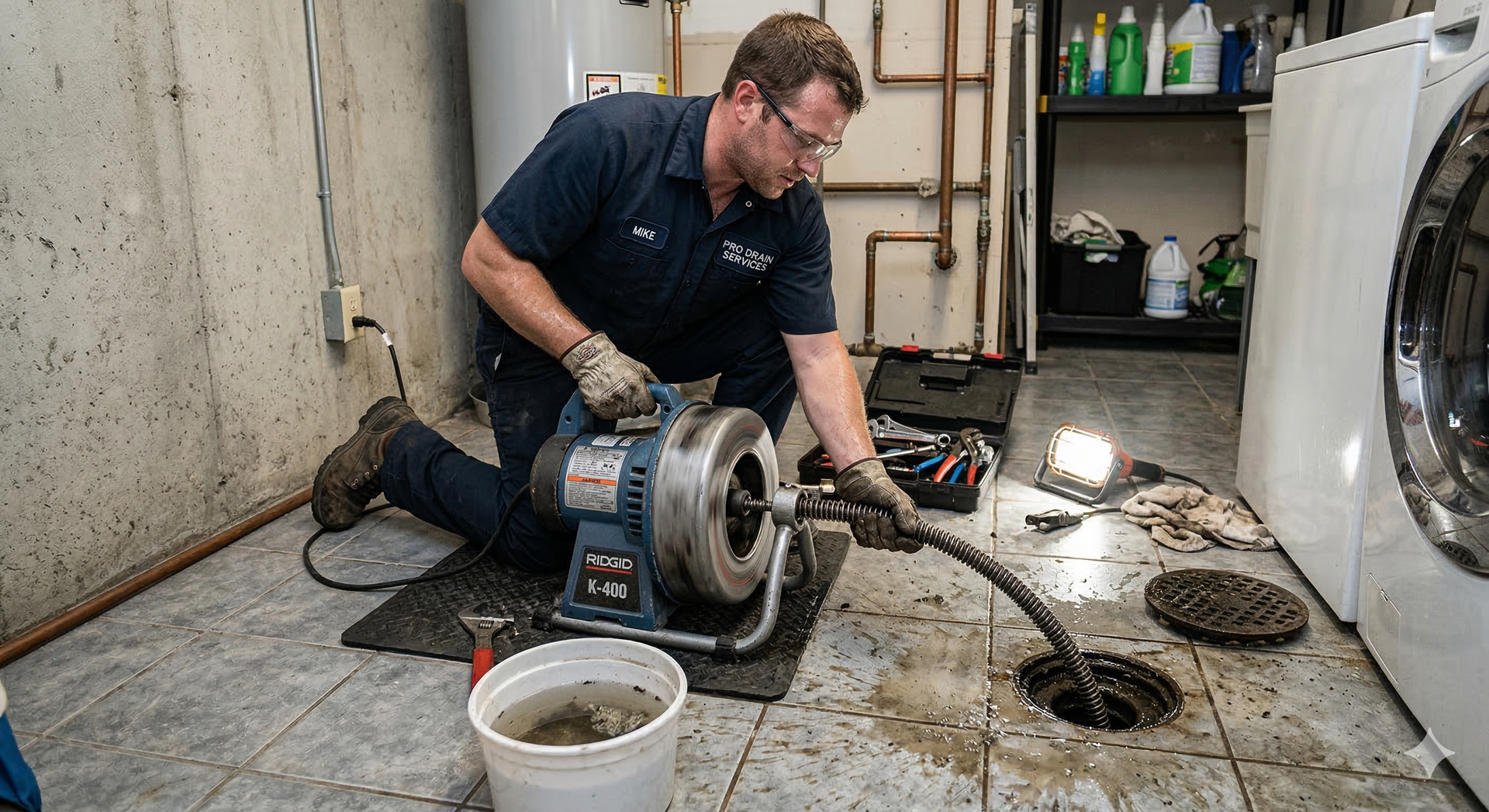
Detection relies on telltale signs: foul aromas near specific drains, sewage scents on the roof, or synchronized sluggishness across fixtures. Plumbers employ advanced tools like video cameras for internal scoping and smoke tests to visualize leaks, pinpointing blockages with precision. Basic remedies include gentle rooftop clearing with extendable rods, avoiding high-pressure methods that crack pipes; for roots, hydro-jetting blasts debris safely.
Advanced solutions shine in retrofits: horizontal wet vents for islands or circuit venting for bathrooms bypass traditional stacks. In seismic zones, flexible connectors absorb shifts without fracturing. Comprehensive overhauls might integrate smart sensors monitoring airflow, alerting via apps to nascent failures. Tackling these proactively averts escalations like overflows or gas ignitions, preserving property integrity.
Maintenance Tips for Optimal Ventilation
Sustaining peak ventilation performance hinges on routine, layered maintenance that blends DIY efforts with expert oversight. Quarterly roof walks, equipped with safety harnesses and extendable brushes, clear debris while inspecting for cracks or rust—ideal during mild weather to sidestep slips. Indoors, bi-weekly trap refreshes with a cup of water and a dash of mineral oil in disused drains evaporate slower than plain water, maintaining seals year-round.
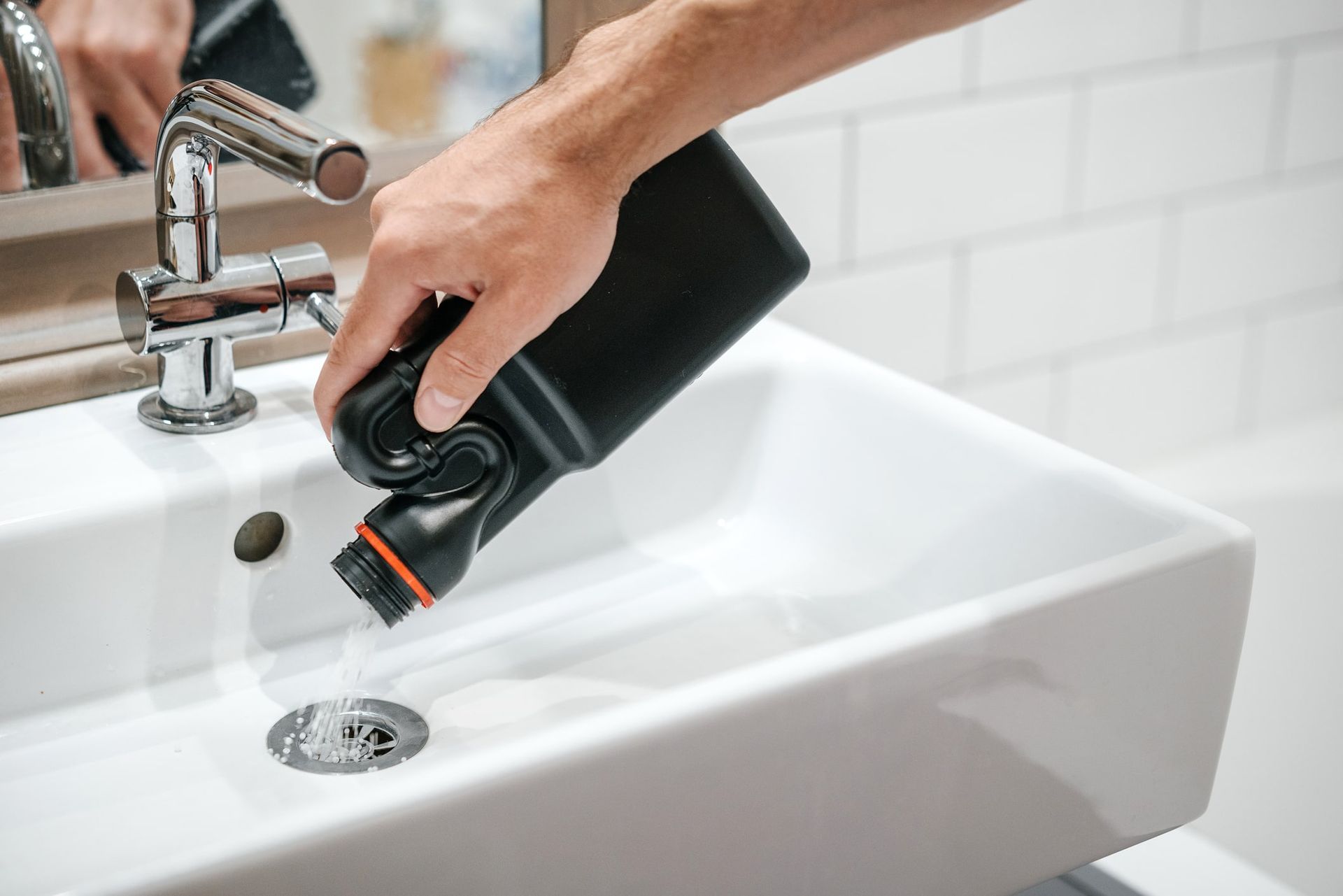
Preventive cleaners, enzyme formulas applied monthly, target organic sludge without the abrasiveness of chemical drains, fostering microbial balance in pipes. Mesh screens on vents thwart pests, and backwater valves in low-lying areas block sewer surges during storms. Integrating tech, such as IoT humidity monitors linked to home assistants, flags evaporation risks in real time, prompting automated alerts.
Annual professional tune-ups, including pressure gauging and thermal imaging for hidden leaks, catch subtleties DIY misses. These protocols not only thwart gases but enhance efficiency, curbing water waste and extending fixture life for tangible savings.
Long-Term Benefits and Professional Recommendations
Robust ventilation investment reaps multifaceted rewards, from skyrocketing home appraisals—buyers scrutinize code-compliant systems—to slashed emergency calls that drain budgets. Healthier air correlates with fewer sick days, while optimized flow conserves water, aligning with eco-goals by curbing methane leaks into the atmosphere. Properties with upgraded vents fetch premiums in resale markets, as inspections flag deficiencies that deter offers.
Professionals tailor enhancements during remodels, blending vents with graywater systems or low-flow fixtures for synergy. Material shifts to Schedule 40 PVC withstand corrosion better than galvanized predecessors, promising 50-year service lives. Certifications from bodies like the American Society of Plumbing Engineers validate designs, ensuring future-proofing.
Conclusion
In essence, plumbing ventilation transcends mere convenience, serving as an indispensable guardian against sewer gases and odors that undermine health, comfort, and home value. By comprehending its mechanics, heeding health imperatives, preempting odors, resolving issues swiftly, upholding meticulous maintenance, and embracing long-term strategies, homeowners forge resilient systems. Committing to these practices today not only eliminates immediate nuisances but cultivates enduring sanctuary, where fresh air prevails over foul intrusions.