Backflow Prevention Tips for Clean, Safe Water
Backflow prevention is a fundamental aspect of residential and commercial plumbing systems that protects water quality by preventing the unwanted reversal of water flow. This process ensures clean and safe water by stopping contaminants from entering potable water supplies. Understanding and implementing effective backflow prevention strategies is essential for maintaining public health and complying with local regulations. This detailed article explores backflow prevention tips, integrating key aspects like emergency services for urgent plumbing issues, professional expertise from All City Plumbers, and complementary topics such as tankless water heaters insights for holistic plumbing safety and efficiency.
Understanding Backflow and Its Risks
Backflow occurs when water flows in the opposite direction from its intended path, potentially allowing contaminants such as bacteria, chemicals, and debris to enter the clean water supply. This reverse flow can happen due to changes in water pressure caused by events like water main breaks, heavy consumption storms, or equipment failures. The consequences of uncontrolled backflow range from minor taste and odor issues to severe health hazards, including the spread of waterborne diseases.
A comprehensive understanding of backflow mechanisms is necessary for effective prevention. Plumbing systems employ devices such as check valves, air gaps, and reduced pressure zone (RPZ) assemblies to regulate water flow direction. Professionals must regularly test and maintain these prevention devices to avoid failures. This is especially important in homes using modern fixtures, where tankless water heaters insights highlight the necessity for compatible backflow preventers to ensure the water heating system operates safely without contamination risks.
Regular Inspection and Maintenance Protocols
Preventing backflow begins with regular inspection and maintenance of all prevention devices within the plumbing system. Backflow assemblies require annual testing and certification by licensed professionals, who check for mechanical integrity, response time, and sealing capability. Ignoring routine maintenance can lead to silent failures that compromise the entire water supply without immediate detection.
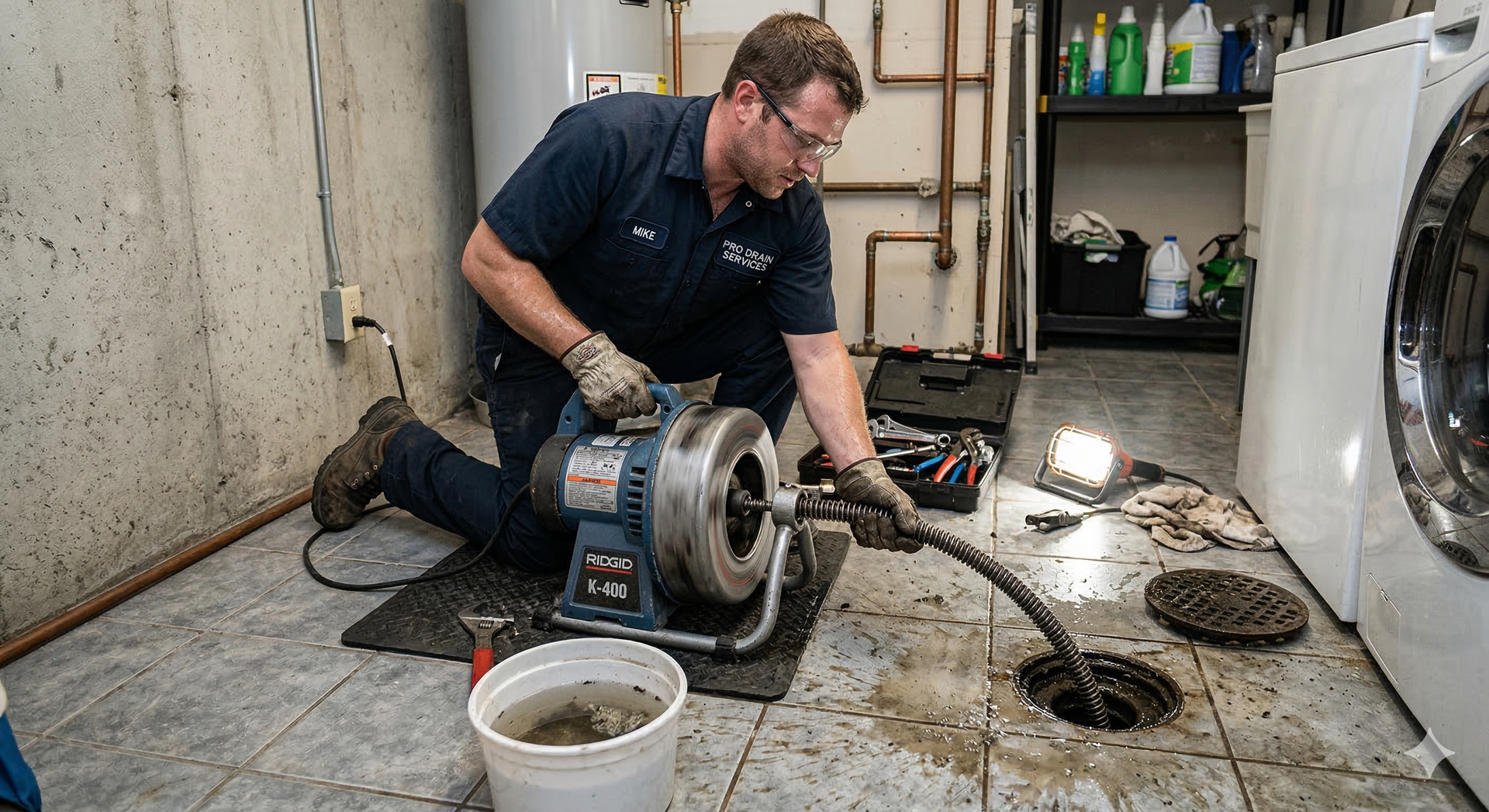
Homeowners should also perform basic visual inspections of exposed piping and valves to identify corrosion, leaks, or damage. Time-sensitive transportation of issues often necessitates prompt intervention, making emergency services critical for urgent backflow failures. In such cases, rapid action by expert plumber teams such as those at All City Plumbers greatly reduces potential water contamination and property damage.
Installation Best Practices for Backflow Devices
Effective backflow prevention starts with proper installation following local plumbing codes and manufacturer guidelines. Positioning devices like check valves and RPZ assemblies requires consideration of water pressure zones, accessibility for maintenance, and environmental conditions. Installing air gaps at critical points, such as dishwasher drains and outdoor faucets, adds an additional barrier against contamination.
Professional plumbers must tailor installation techniques based on the complexity of the building and water system layout. Integrating backflow prevention seamlessly with other plumbing elements, especially when upgrading to energy-efficient systems, benefits from insights gained from tankless water heaters insights. For example, careful planning around hot water recirculation loops ensures devices function without obstructing flow or causing pressure drops that could trigger backflow events.
Education and Training for Homeowners and Facilities
Empowering homeowners and facility managers with knowledge about backflow risks and preventive measures enhances system safety. Providing clear instructions on how to monitor and respond to signs of backflow contamination, such as discolored water, foul odors, or unexplained pressure fluctuations, helps users identify issues promptly.
Encouraging proactive communication with plumbing service providers for scheduled inspections, testing, and maintenance avoids uncertain water quality scenarios. Emergency services readiness is particularly important in businesses where water purity is critical, such as healthcare or food preparation environments. Collaborating with trusted service providers like All City Plumbers establishes reliable lines of support and advice to uphold water safety.
Advanced Technologies and Future Considerations
Emerging innovations in backflow prevention incorporate smart sensors and automated shut-off valves that detect and respond to pressure changes in real time. These technologies reduce the risk window for contamination and allow remote system monitoring, increasing efficiency for building managers.
Integrating these advanced systems with plumbing upgrades, such as those inspired by tankless water heaters insights that focus on space-saving and energy efficiency, results in holistic improvements in water system management. Such integration requires expert guidance to balance new technology with existing infrastructure, emphasizing the ongoing role of professional plumbers in safeguarding water quality.
Conclusion
Backflow prevention is a critical safeguard for clean, safe water that requires consistent attention to device maintenance, proper installation, stakeholder education, and adoption of advanced solutions. Professionals play a vital role in this ecosystem, with emergency services ready to address urgent failures and companies like All City Plumbers leading reliable testing and repair efforts. Complementing backflow strategies with knowledge derived from tankless water heaters insights further enhances the effectiveness of modern plumbing systems. Through diligent care and informed practices, homeowners and facility managers can ensure their water remains uncontaminated, protecting health and property for years to come.