Best Practices for Flushing & Maintaining Tankless Water Heaters
Tankless water heaters provide efficient, on-demand hot water but require regular flushing and maintenance to prevent scale buildup, maintain performance, and avoid premature failures. Without proper care, mineral deposits can clog the heat exchanger, reduce flow rates, and trigger error codes. This article outlines the best practices for flushing and maintaining tankless units, explains how to isolate leaks and perform repairs, covers patching methods for associated piping, and details long-term maintenance strategies to maximize reliability and energy efficiency.
How Tankless Water Heaters Work and Why Maintenance Matters
Tankless systems use a high-capacity heat exchanger and sensors to heat water as it flows through the unit, delivering hot water instantly without the storage tank of conventional heaters. Because water passes directly through the heat exchanger, any minerals in the supply—especially calcium and magnesium—can deposit on internal surfaces. Over time, scale reduces heat transfer efficiency, increases energy consumption, and can cause flow restrictions that lead to temperature fluctuations or shutdowns.
Annual or biennial flushing removes accumulated scale and keeps the unit operating at peak efficiency. In areas with hard water, more frequent flushing may be necessary. Proactive maintenance also includes checking sensors, filters, and gas or electric connections to ensure safe and reliable operation. Professional service providers such as All City Plumbers routinely perform comprehensive flushes and diagnostics to restore performance and extend the life of tankless systems.
Flushing Procedure: Step-by-Step Overview
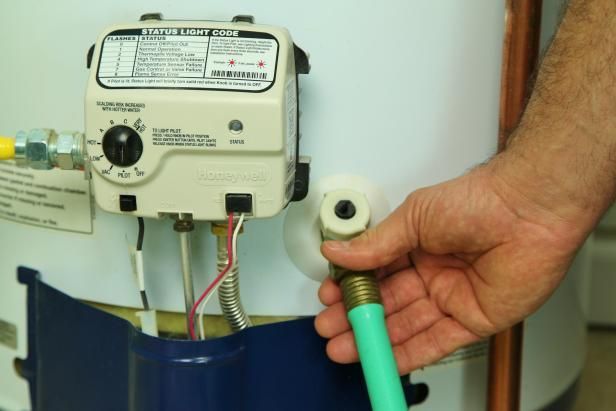
Flushing a tankless water heater involves circulating a descaling solution through the unit to dissolve mineral deposits. The process begins by isolating the unit from the water supply using the service valves on the inlet and outlet, then connecting pumps and hoses to circulate vinegar or a manufacturer-approved descaler from a bucket through the heat exchanger. Water should flow in a closed loop for 45 to 90 minutes depending on the level of scale and water hardness.
During flushing, the unit's internal bypass or service mode may need to be activated to allow flow through the heat exchanger without heating. After the cycle, the system is flushed with clean water to remove residual descaler, and service valves are reopened to restore normal operation. Technicians verify proper flow and temperature, clear any error codes, and inspect for leaks before completing the job. Proper disposal of the descaling solution and cleaning of the work area are essential to prevent environmental contamination.
Leak Isolation and Temporary Measures
Before any maintenance or repair, isolating the tankless unit prevents water damage and simplifies work. Service valves on the inlet and outlet allow technicians to shut off the unit without affecting the rest of the plumbing system. If service valves are missing or faulty, plumbers may install temporary isolation fittings or shut the main supply to the building. For systems with recirculation loops or multiple zones, isolating each branch prevents unintended water flow during repair.
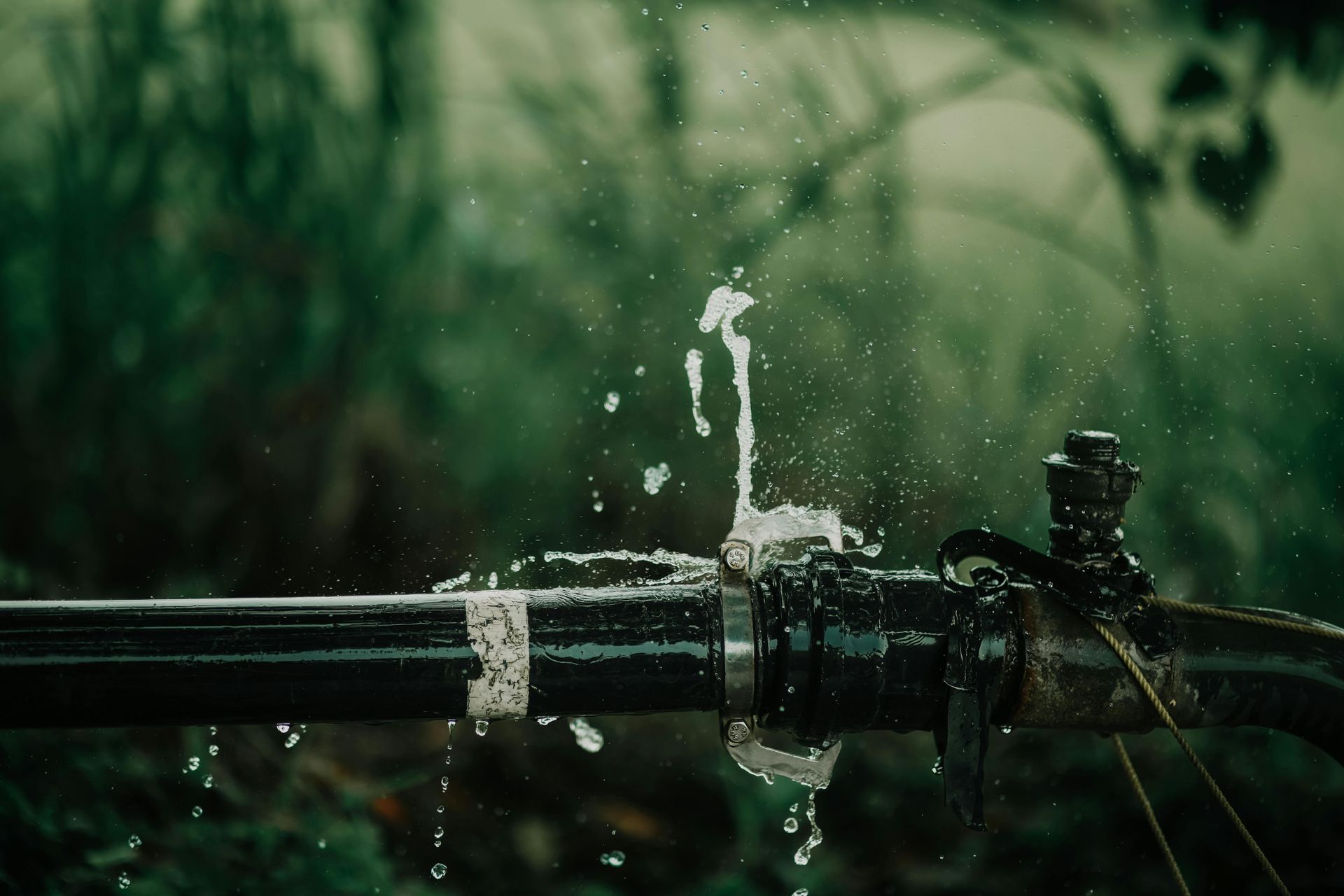
If a leak is detected at connections or internal components, temporary measures such as compression clamps or epoxy patches can contain minor leaks until permanent repairs are scheduled. However, tankless units are sensitive to internal leaks that may indicate heat exchanger damage, so temporary patches should be viewed as short-term solutions. In properties where water behavior is influenced by surrounding systems, proactive measures like inspecting your crawlspace for plumbing issues can help detect early signs of moisture intrusion or pipe deterioration that might affect the unit or downstream fixtures.
Diagnostic Testing and Repair Process
After flushing, technicians perform diagnostic tests to verify system health. This includes checking flow rates, temperature differentials, sensor readings, and error code history. If the unit shows reduced flow or temperature inconsistencies, further inspection of the heat exchanger, inlet filter, and water flow sensor may be necessary. In some cases, internal components such as the flow sensor or temperature probe may need replacement.
Gas-fired units also require combustion testing to ensure proper fuel-air mixture and safe operation. Electric units need voltage and resistance checks to confirm element integrity. Repairs should follow manufacturer guidelines to maintain warranty coverage. If extensive damage is found—such as a cracked heat exchanger—replacement of the unit may be more cost-effective than continuing repairs. Qualified professionals will document pre- and post-repair diagnostics and provide clear recommendations for ongoing care.
Patching Methods and Associated Pipe Repairs
When leaks occur in piping connected to the tankless heater, localized repairs may be needed. Small leaks at fittings are commonly resolved by replacing compression nuts, re-soldering copper joints, or installing threaded connectors with appropriate sealing compounds. For damaged pipe sections, cutting out the affected length and installing couplings or a new short run restores integrity. Adding union fittings near the unit simplifies future service by providing convenient disconnection points.
In cases where piping is embedded in walls or floors, access panels or small excavations may be necessary to reach the leak. Proper support and alignment of the repaired piping reduce stress on joints and prevent premature failures. When patching is used as a temporary measure, schedule permanent repairs promptly to avoid water damage or system downtime.
Post-Flushing Verification and Commissioning
After flushing and any repairs, verify that the system operates correctly. Technicians should check for leaks at all service connections, ensure proper flow rates, and confirm that temperature settings match user expectations. Clear any error codes and reset the unit to normal operation mode. If the system includes a water filter or sediment trap, clean or replace it to prevent debris from entering the heat exchanger.
Commissioning includes testing safety features such as the high-temperature limit switch and gas pressure regulators on gas units. For electric units, verify that voltage and current are within specifications. Document all test results and provide the owner with a maintenance report that includes flushing frequency recommendations and any observed issues that may require future attention.
Long-Term Maintenance Strategies
Routine maintenance extends the life of tankless water heaters and ensures consistent performance. Annual flushing is the cornerstone of maintenance, especially in hard water areas. In addition to flushing, inspect and clean the inlet water filter, check for leaks at connections, and verify that gas or electrical connections remain secure. Monitor error code logs to detect recurring issues that may indicate sensor drift or component wear.
Addressing related plumbing concerns helps maintain overall system health. Regular inspections of the building's infrastructure—such as inspecting your crawlspace for plumbing issues—can reveal early signs of pipe deterioration or moisture that might affect the water heater or downstream fixtures. For properties with drainage systems that interact with water supply lines, monitoring pump behavior and drainage patterns can prevent pressure anomalies that stress the tankless unit.
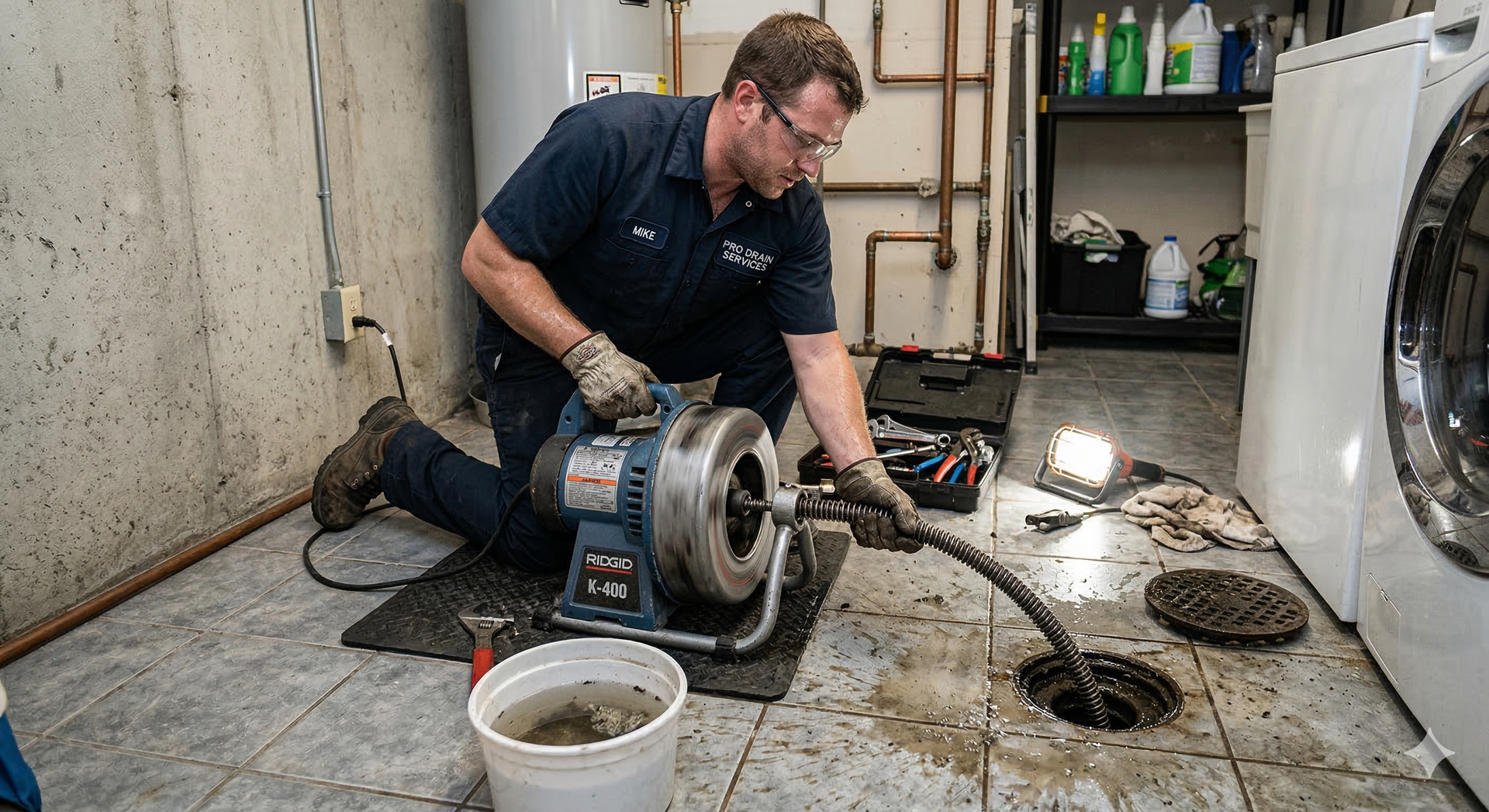
Integrating maintenance with other household tasks—such as drain cleaning—ensures that the entire plumbing system remains functional. Drain cleaning prevents clogs that can cause water backup or pressure fluctuations, which indirectly affect tankless heater performance. Coordinating these maintenance activities with a qualified service provider creates a comprehensive approach to plumbing system health.
Regional Considerations and Water Quality
Water quality varies by region and significantly impacts maintenance frequency. Areas with hard water require more frequent flushing to prevent scale buildup. In regions with soft or acidic water, corrosion may be a greater concern, and adding corrosion-resistant materials or water treatment systems can protect the unit.
Understanding local water chemistry helps tailor maintenance schedules. Some utilities provide water quality reports that can guide flushing frequency and the need for additional water treatment. Professional service providers can analyze local conditions and recommend appropriate maintenance protocols to optimize performance and longevity.
Selecting a Qualified Service Provider
Choose licensed and experienced plumbers trained in tankless water heater maintenance. Look for providers who offer comprehensive services including flushing, diagnostics, leak repair, and system commissioning. Verify certifications, insurance, and references before hiring. Reputable companies will provide detailed proposals, document all work, and follow manufacturer guidelines to maintain warranty coverage.
Firms with broad capabilities, such as All City Plumbers, can handle related tasks like drain cleaning, leak detection, and general plumbing maintenance in a single engagement, reducing coordination delays and ensuring consistent service quality. Request warranties on repair work and ask about maintenance packages that include scheduled flushing and inspections.
Environmental and Safety Considerations
Proper disposal of descaling solutions and cleaning of work areas are essential to prevent environmental contamination. Use manufacturer-approved descaling agents and follow local regulations for waste disposal. For gas-fired units, ensure combustion testing is performed to verify safe operation and prevent hazardous gas leaks.
Adhering to safety protocols during maintenance protects both technicians and occupants. Proper isolation, leak detection, and verification of safety features ensure that the system operates safely after maintenance. Documentation of all work and test results provides a record of compliance and supports future maintenance planning.
Conclusion
Regular flushing and maintenance are essential for tankless water heaters to maintain efficiency, prevent scale buildup, and extend service life. Annual flushing, diagnostic testing, and timely repairs address the most common issues that affect performance and reliability. Integrating maintenance with broader plumbing care—such as drain cleaning and periodic inspections of the building's infrastructure—creates a comprehensive approach to system health.
Engage qualified professionals for flushing, leak isolation, and repair to ensure proper execution and warranty compliance. A proactive maintenance program that includes scheduled flushing, regular inspections, and monitoring of related systems will minimize emergency repairs and ensure consistent hot water delivery for years to come.