Household Leaks: Common Causes and How to Spot Them

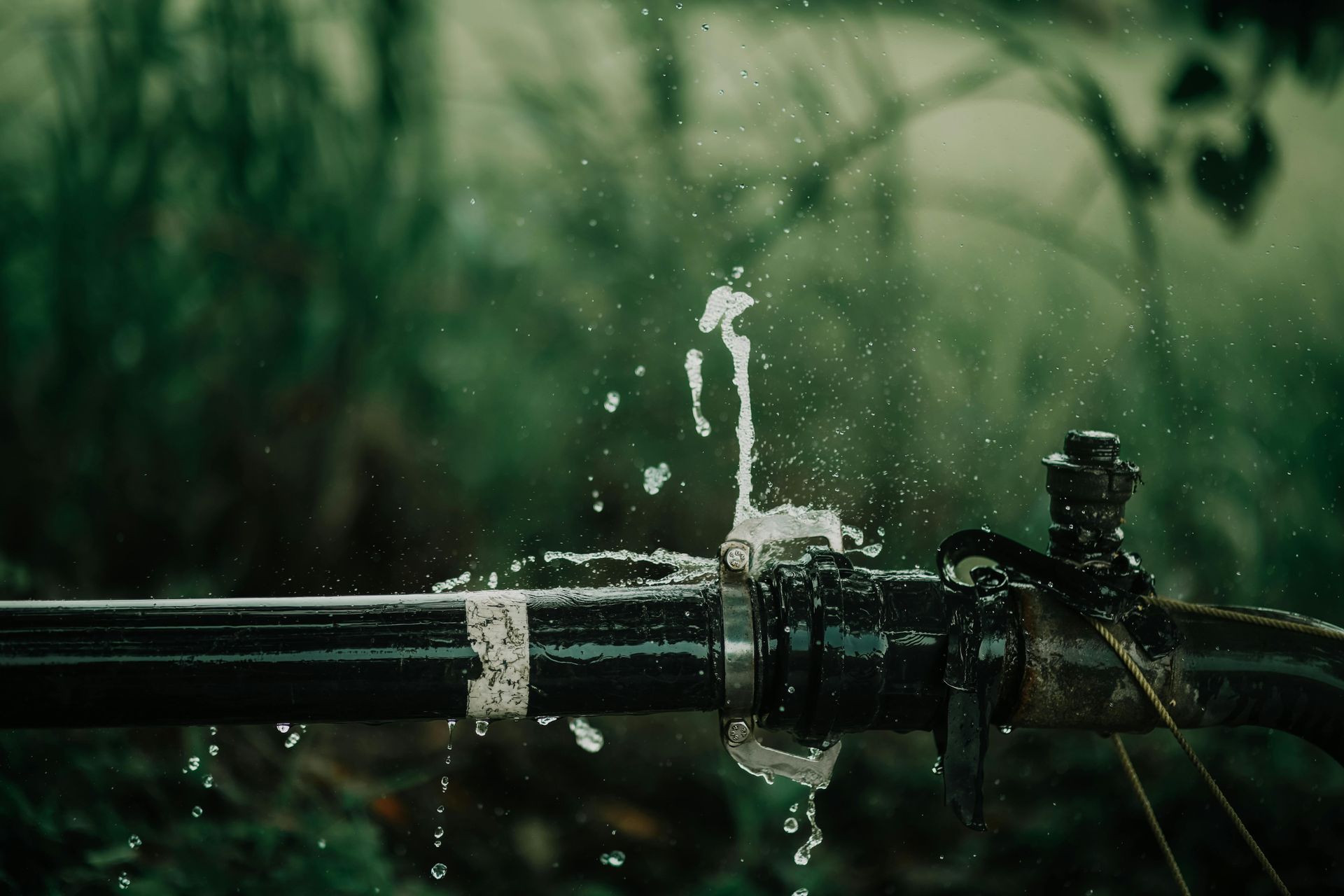
Leaks may start as a minor inconvenience, but when left unrepaired, they can cause a whole lot of problems. From exorbitant water bills to property damage, all of that can stem from one neglected leak.
Calling a licensed plumber is the best way to stop a leak from creating further destruction. However, keeping an eye on the common causes of leaks and addressing potential dangers before they become actual problems are some of the things that you can do to protect your home.
Here are some of the common culprits that can cause a leak in your home pipes.
Broken Water Connector Seals
When your dishwasher or water disposal unit gets hooked up to your home’s waterline, your contractor uses seals on all the water connectors. Putting seals around the water connectors allows you to freely use your appliances without fear of leakages. However, time can wear out the seals and makes the water connector site extremely susceptible to leaks.
How to Spot a Potential Leak: Check for any condensation on waterline-hooked appliances or puddles in their general vicinity. These two are tell-tale signs of a leak and the most probable culprit is a broken water connector seal.
Loose Connectors
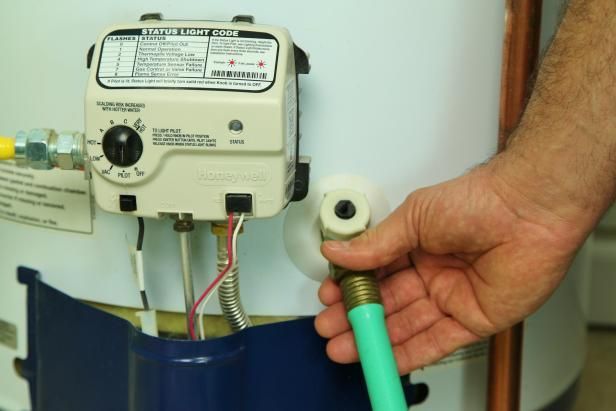
Another issue that you may encounter with appliances directly connected to your home’s water supply is loose water connectors. Sometimes a particularly aggressive spin cycle can dislodge your washing machine’s hose or loosen a pipe. Although improper installation can also cause a leak due to loose connectors, it’s not the prime suspect if the appliance has only recently shown signs of leaking after being installed for a long time.
How to Spot a Potential Leak: Look at the pipe or hose that is feeding water into your appliance. If you see water trickling from the line or puddles actively forming around your appliance, then you are looking at a loose connector problem.
Corroded Pipes
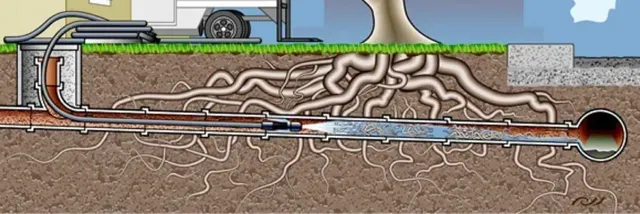
The hard water that enters the home contains minerals. As time passes, these minerals will accumulate and slowly eat away at your home’s pipes. Rust is also another agent of corrosion that can eat through your pipes and cause leaks.
How to Spot a Potential Leak: If you observe any warping or discoloration on your pipes, it’s best to call a company that provides plumbing services to check it out.
Damaged Water Pipe Joints
Pipe joints allow your home pipes to go whichever direction you need your pipes to go. Despite their usefulness, pipe joints are a pipeline’s weakest point. When corrosion and excessively strong water pressure come along, the pipe joints are among the first to be compromised.
How to Spot a Potential Leak: Since pipe joints are mostly hidden from view, you need to rely on your hearing to identify potential leaks. Ticking and banging noises from your walls may indicate that your pipeline’s joints are under a lot of pressure that may lead to a leak along the way.
Extreme Temperature
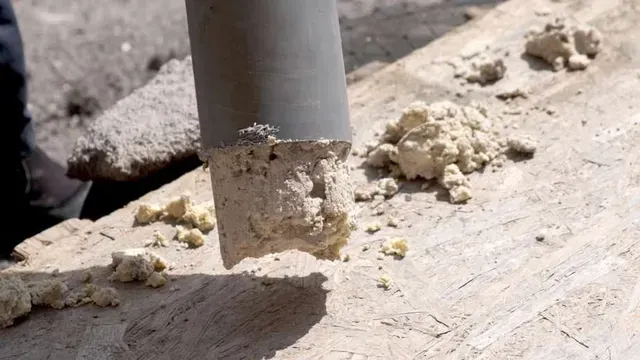
Pipes are susceptible to cracking when subjected to extreme environmental temperatures. They can expand and freeze during winter. They can also contract and burst in the hot summer weather. This is one reason why pipe insulation is important.
How to Spot a Potential Leak: If you cannot see or hear any signs of a leak, don’t celebrate just yet. Check for stains, molds, peeling paint, and other signs of a silent leak .
Conclusion
As cliché as it may sound, prevention is always better than cure. To prevent leaks from wreaking havoc in your home, pay attention to the common causes of leaks, use water softeners to avoid mineral build-up and pipe corrosion, and have your pipes assessed once every two years.
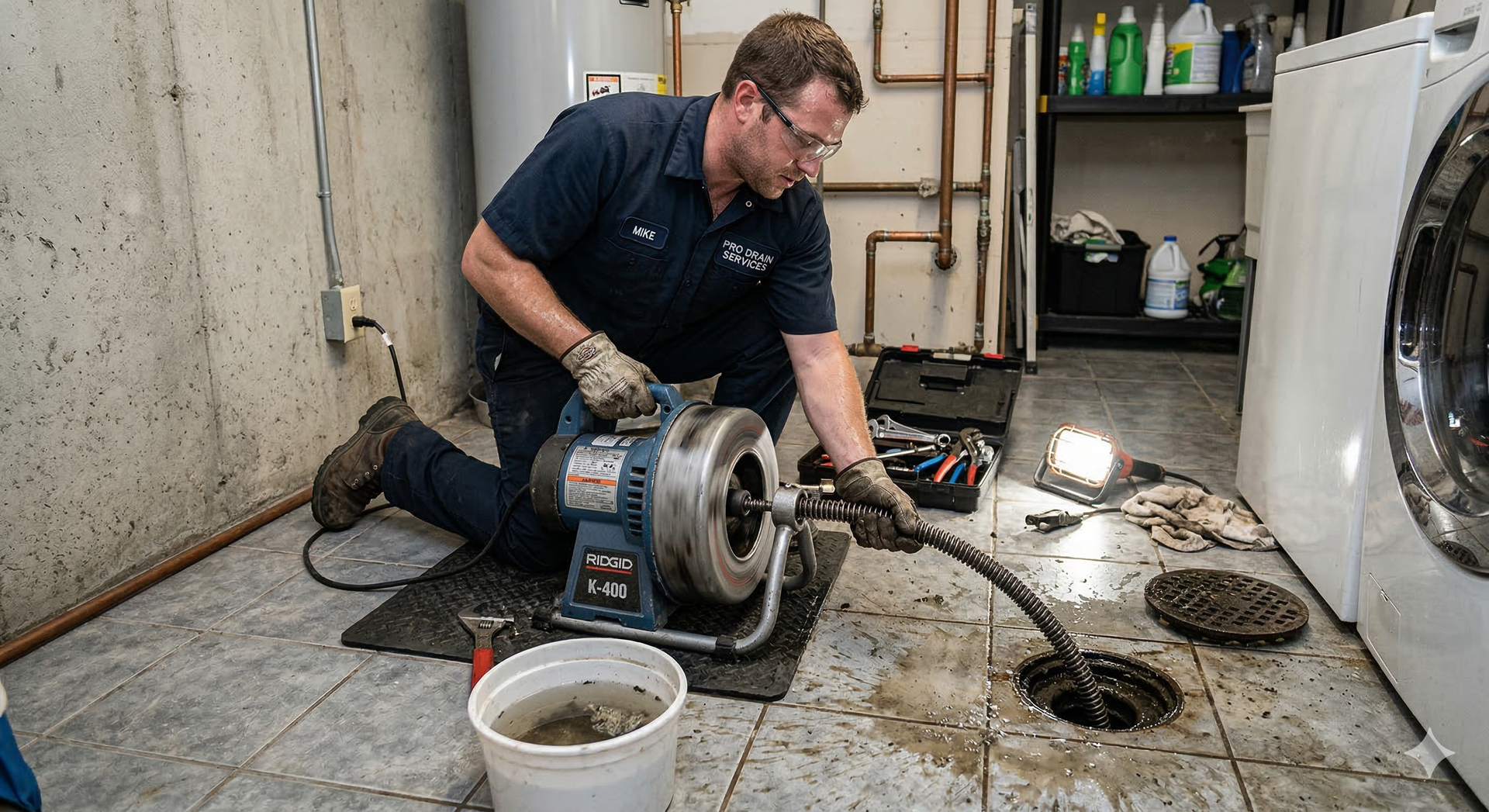
In case you do need water leak repairs, forget about DIY solutions. Call a plumber as soon as you can. A professional plumber will not only fix the leak but can also give you a thorough assessment of the current condition of your pipes.
Trust All City Plumbers. if you need an experienced, knowledgeable, and licensed plumber in Birmingham, AL. We are a family-owned company that aims to address all your plumbing needs. Contact us today to learn more about how we can help you!