The Causes of Leaks: Understanding Them Can Prevent Issues
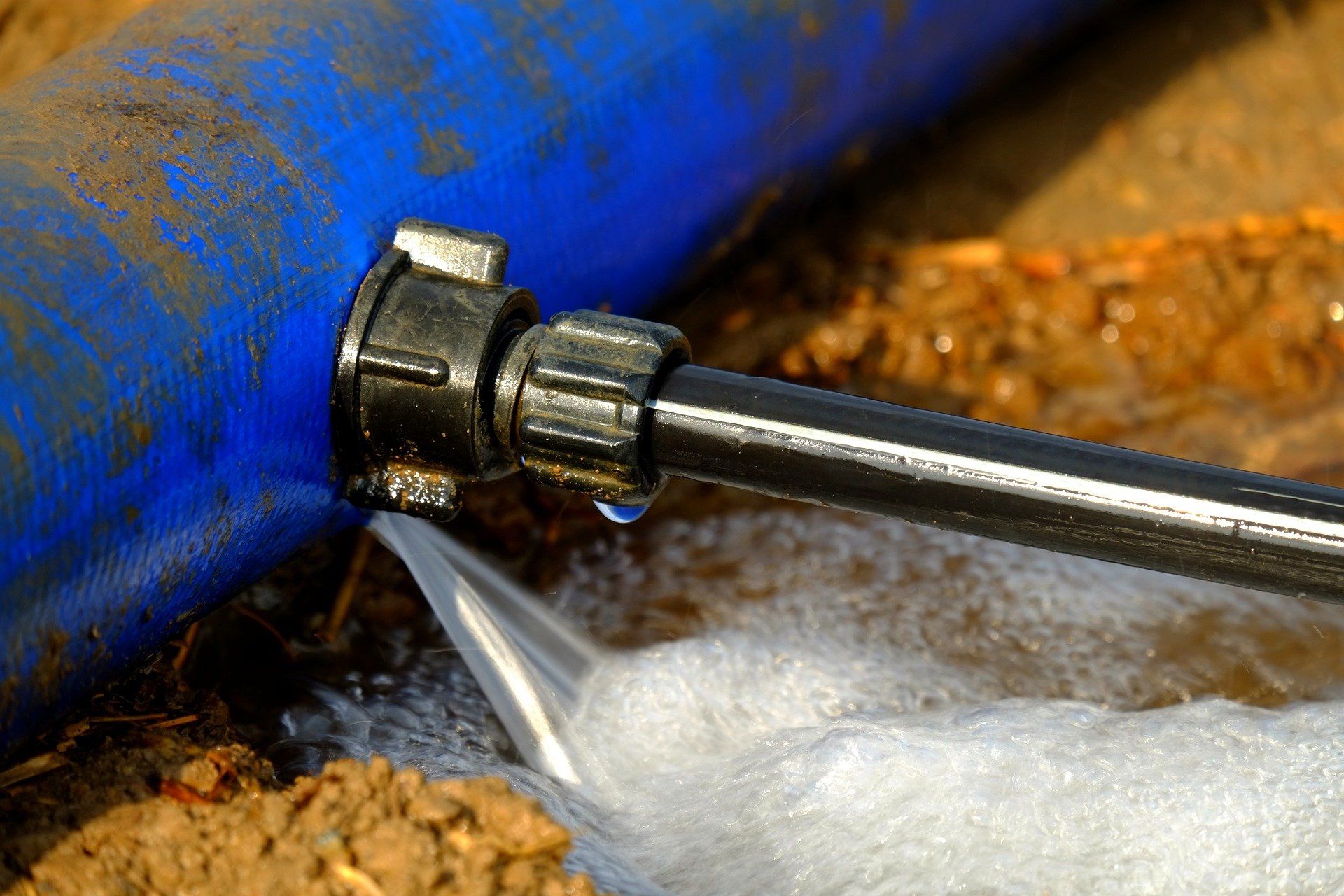
Leaking pipes are a major hassle. Aside from water and sewage seeping out, they can cause damage and inconvenience.
Properties, homes, personal and household items, electrical wires, and other home and building facilities are all expensive to replace once the problem gets severe. It can get nasty, so you must be on the lookout for the signs and be aware of the causes that may cause leaks.
Today, we’ll discuss some severe and often unseen pipe issues that lead to leaks.
Leading Causes of Leaking Pipes
1. Pipe Corrosion
Older metal pipes become corroded over time. Both the rust in the water and the weakened structural strength of the pipe can be dangerous.
One can get thicker stainless steel or heavy-duty plastic pipes installed. However, they are not guaranteed to provide long-term safer use. While a 24-hour plumber can immediately replace these deteriorated pipes and their parts if problems arise, it is best to check them regularly to preempt surprise water leaks and breakage problems.
2. Broken Parts
Broken parts may go undetected because pipes are in places that are not easy to examine. Over time, these parts can suddenly give way. Seals can diminish in integrity. Pipe joint parts are prone to getting loose or broken.
Once spotted, they have to be replaced or repaired immediately before the issues escalate to leaks or breakage.
3. Loose Water Connections
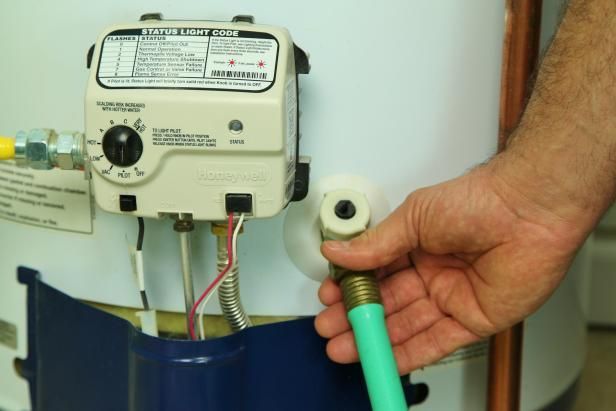
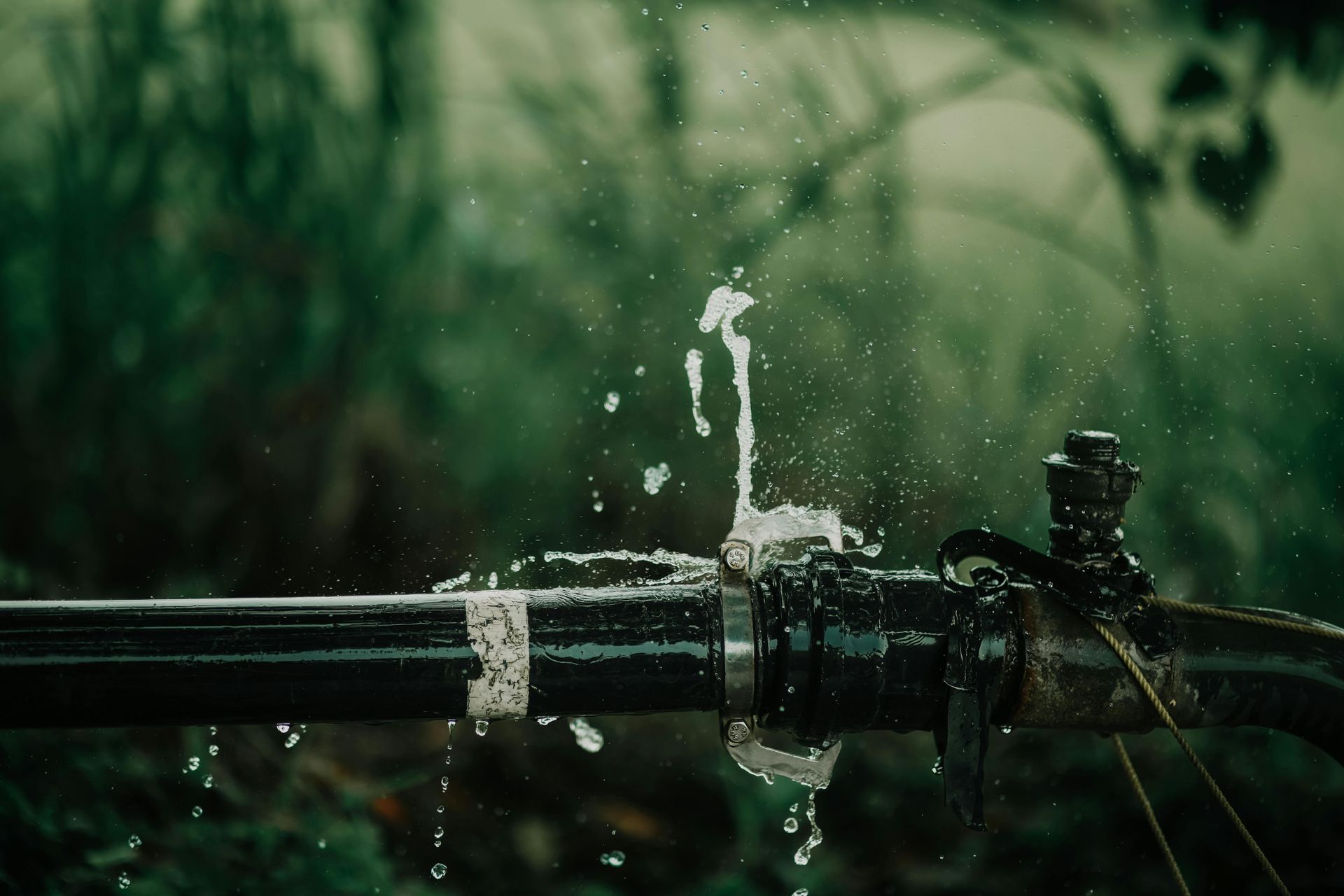
Even tightly screwed water pipe and hose connections can become undone from constant use, shifting, or the force from the movement of hoses and connecting parts. Look for tell-tale signs, such as small pools under them or small leaks in the middle. You need to regularly check these to avoid water outbreaks when you least expect them.
4. Clogged Pipes
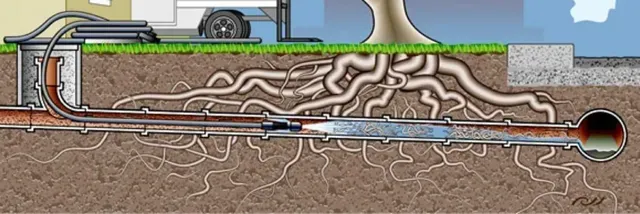
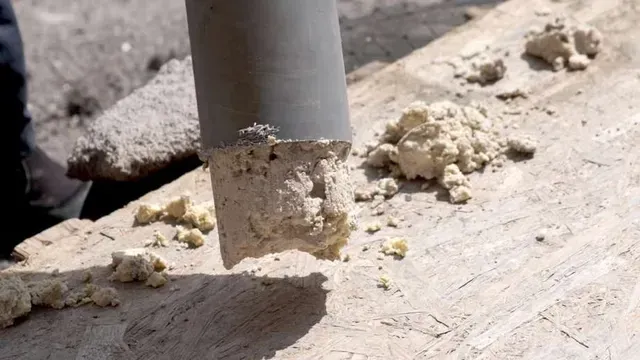
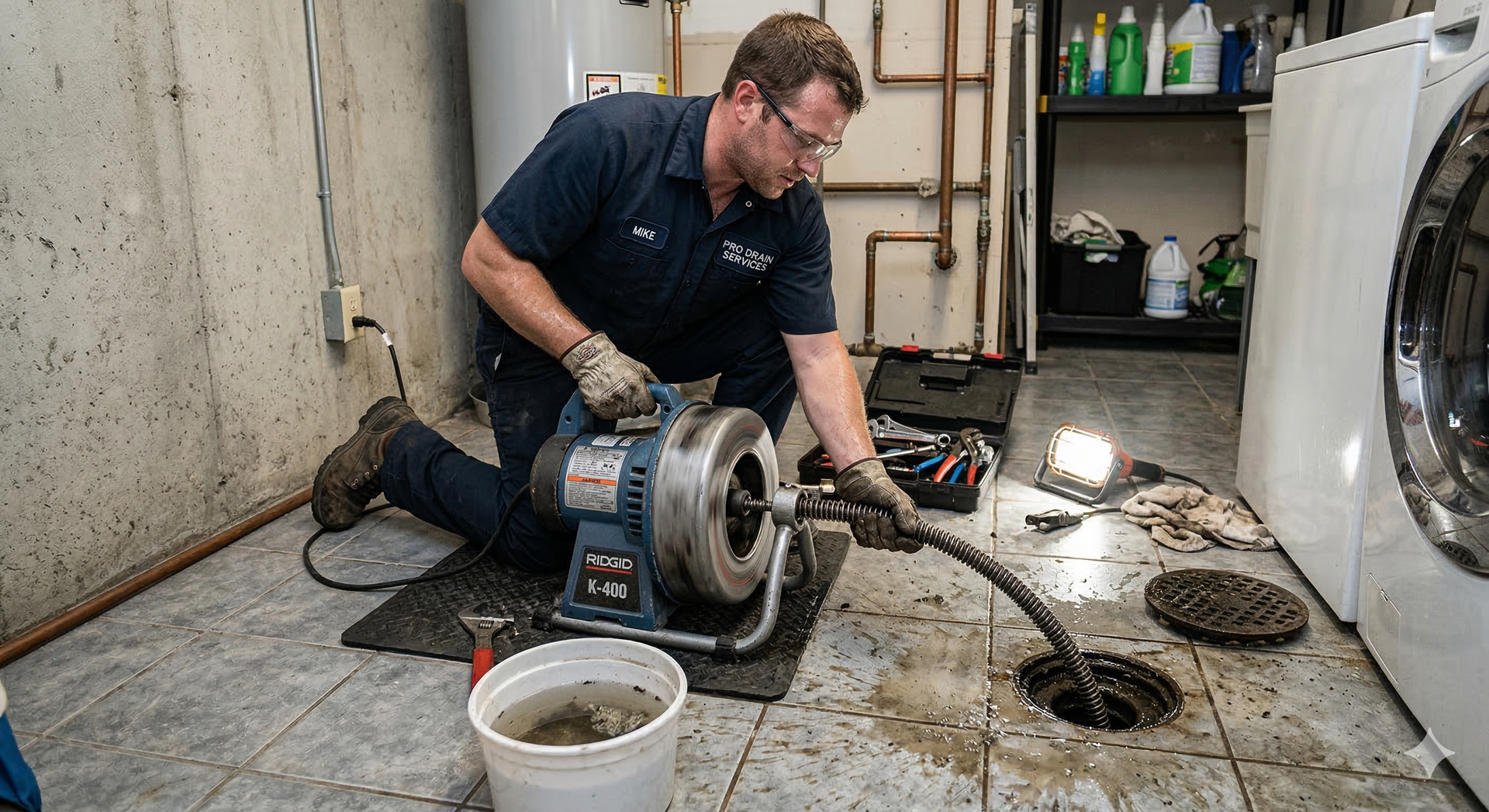
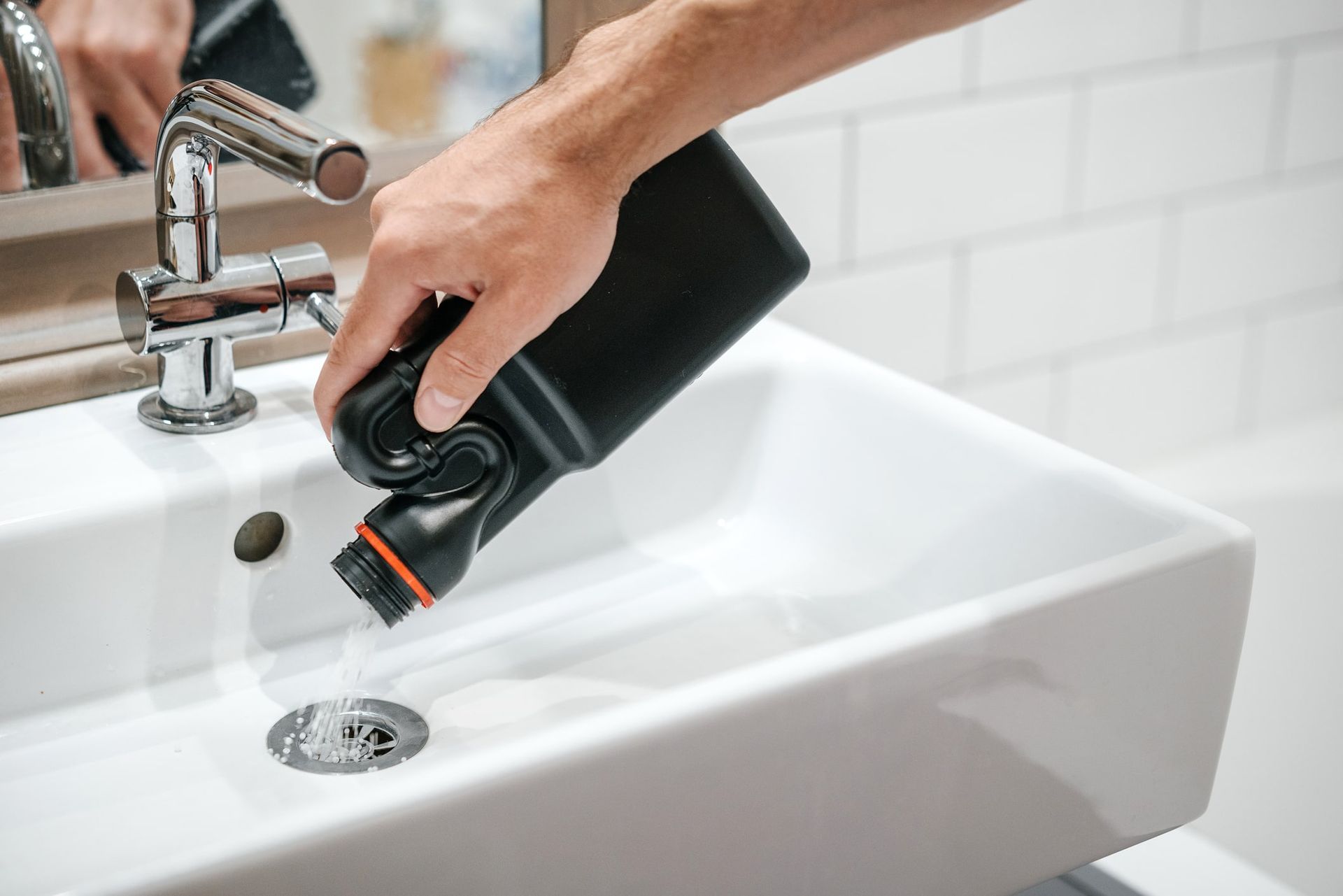
Clogging is the result of pumping sludge and oil wastes and not using filters for your drains. They will build up and eventually slow or stop the continuous water flow. More than draining slowly, clogged pipes can eventually crack or burst. At worst, you might have a small leak and intense water damage; at worst, it may cause internal flooding in one of your rooms.
5. High Water Pressure
Stronger-than-usual gushing water from your faucets is an indicator of high water pressure. Older metal pipes and those with minor hairline cracks may suddenly break with no signs because of such changes. If possible, have these checked and resolved immediately before underlying issues in your plumbing network finally give way and leak or burst the pipes.
6. Wrong Pipe Laying Processes
Problems from defective pipe laying will catch everyone off-guard. Nobody expects it, and there are no visible signs given the locations of most pipes. Before undertaking initial pipe laying processes, make sure only licensed plumbers do the work. Make sure to check for errors or any loose or dysfunctional connections.
In Conclusion
Many issues in your pipe network can be challenging to detect. Most of the time, they are not noticed right away or even left unchecked until it’s too late. Make sure to be aware of what materials were used in your home, and to watch out for the signs.
In any case, we can end these destructive pipe issues and also send you a
24-hour plumber for emergencies
. Call us at All City Plumbers before it’s too late!