Choosing Plumbing Materials: Copper, PEX, PVC, & Other Options
Choosing the right plumbing materials is a cornerstone of constructing durable, efficient, and safe water and drainage systems. The selection between options such as copper, PEX, PVC, and others influences installation complexity, longevity, maintenance requirements, and overall system performance. This detailed article explores each commonly used plumbing material's attributes, installation considerations, and suitability for various applications, incorporating essential topics like tankless water heaters insights, drain clearing impacts on pipe longevity, and professional guidance from trusted experts such as All City Plumbers.
Copper: The Traditional Benchmark
Copper has long been esteemed as a premier plumbing material due to its exceptional durability, resistance to corrosion, and excellent thermal conductivity. It is commonly used for both hot and cold water supply lines and is favored in applications where high pressure and long-term performance are paramount. Copper piping withstands high temperatures, making it especially compatible with advanced water heating systems, including those informed by tankless water heaters insights. Its longevity often exceeds 50 years with proper installation and maintenance.
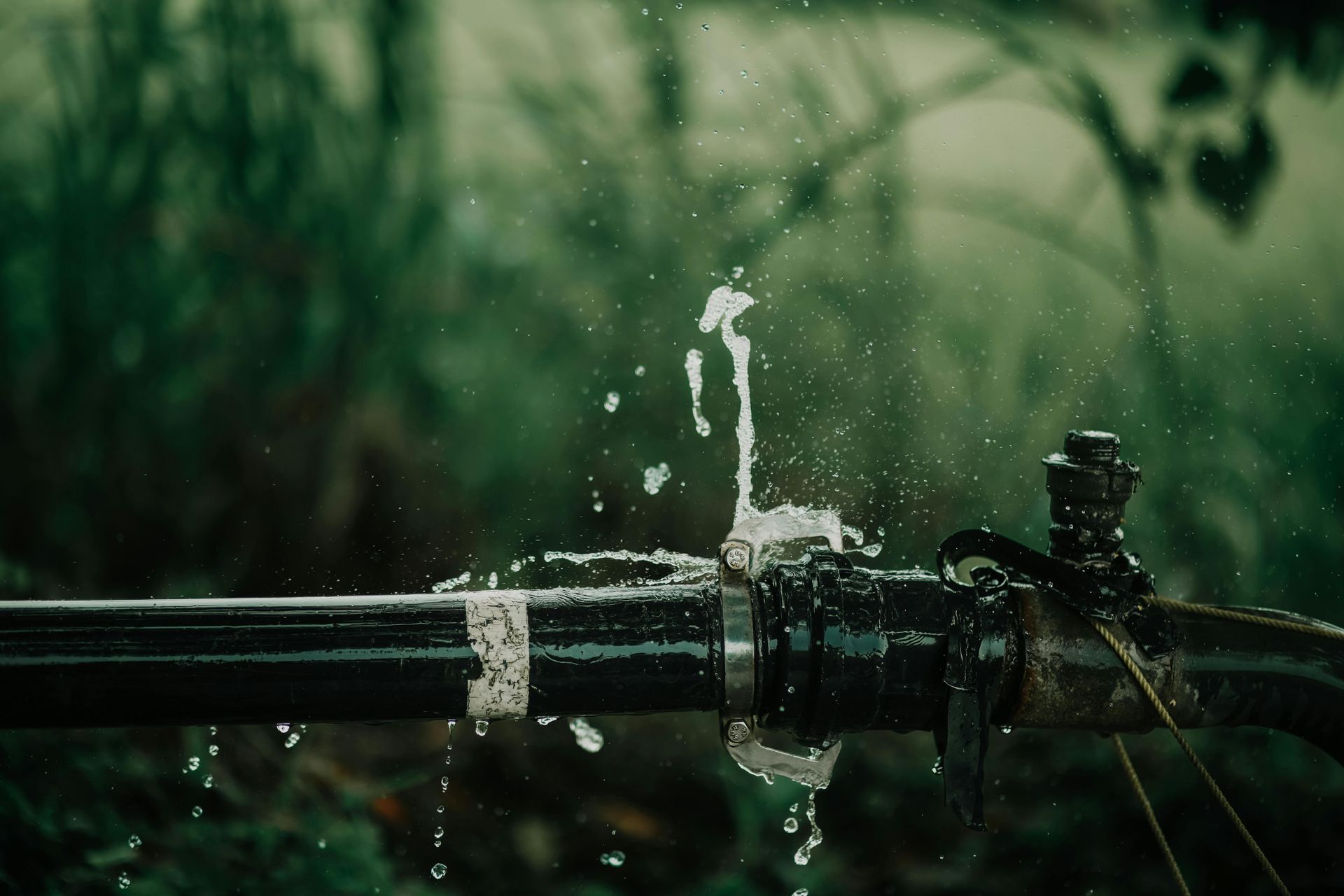
Despite its robustness, copper requires specialized skills for soldering joints and fittings, adding to labor costs. It is also susceptible to damage from acidic or highly chlorinated water and can suffer from pinhole leaks if water chemistry is unfavorable. Additionally, copper is relatively expensive compared to alternatives, which influences budgeting for large projects. Professional plumbers like All City Plumbers ensure precise installation to mitigate these risks and optimize the material’s lifespan.
PEX: Flexibility and Cost Efficiency
PEX (cross-linked polyethylene) piping has revolutionized residential plumbing by offering flexibility, ease of installation, and resistance to scale and chlorine. Its plastic polymer composition allows it to bend around corners and obstructions without the need for numerous fittings, reducing potential leak points and speeding up installation time. PEX is highly resistant to freezing and bursting in colder climates, providing resilience that copper may lack in harsh conditions.
While PEX is widely accepted for water supply lines, it is not suitable for outdoor use or areas exposed to UV light due to degradation risks. It also cannot be used for vent or drain lines, where rigid materials such as PVC dominate. Tankless water heaters insights indicate that PEX works well with these systems, provided proper temperature ratings are observed. Reliable plumbing services like those from All City Plumbers can help assess when PEX’s advantages align with project goals for optimal outcomes.
PVC: Versatility in Drainage and Venting
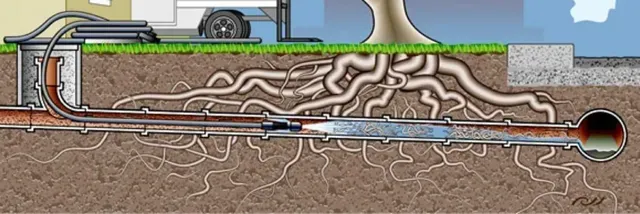
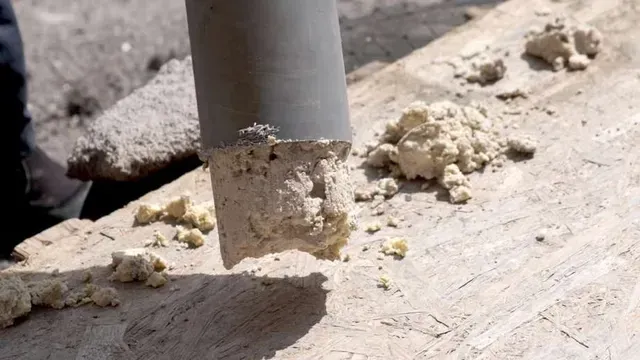
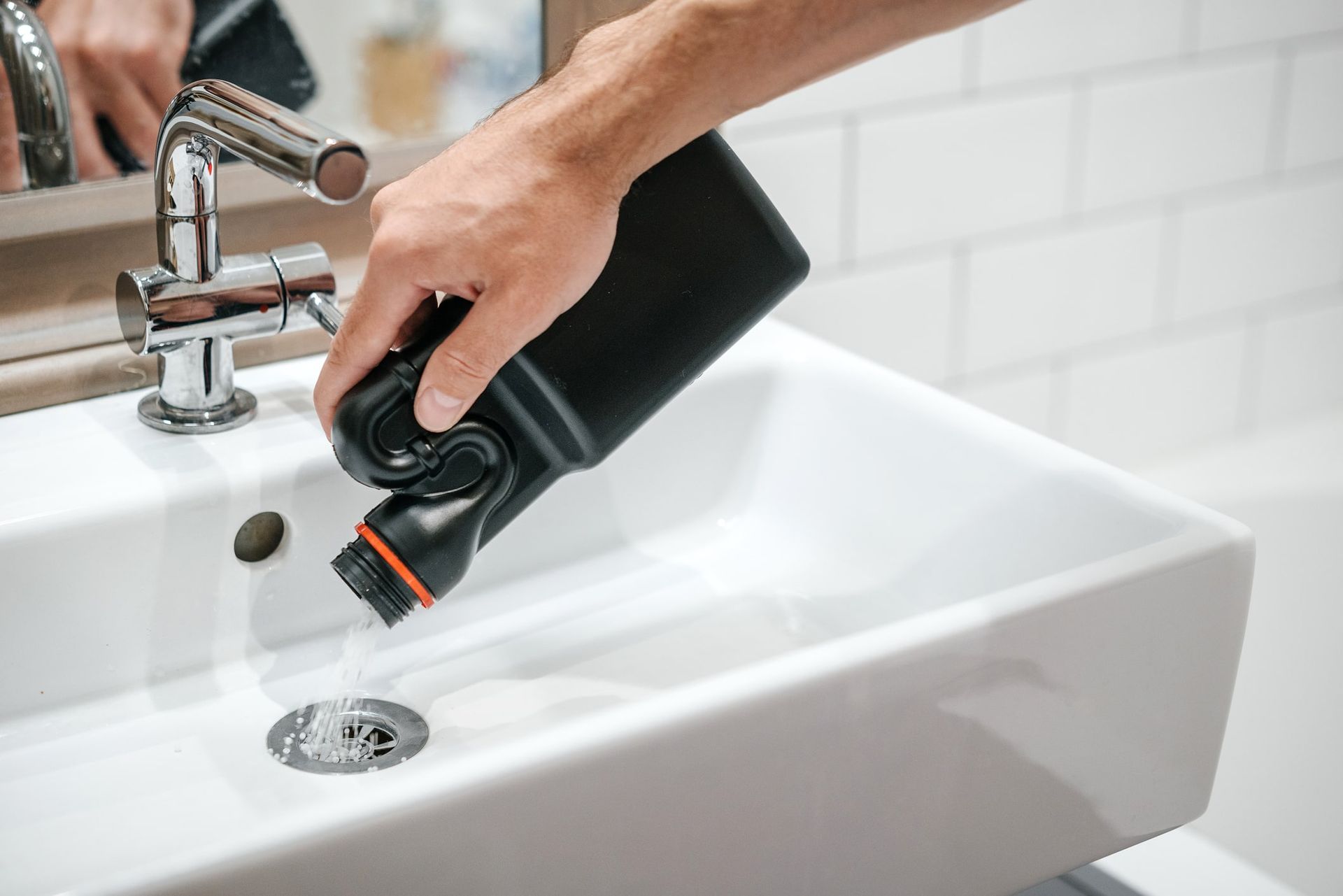
Polyvinyl chloride (PVC) plastic pipes are the material of choice for drain, waste, and vent systems due to their affordability, corrosion resistance, and ease of cutting and fitting. PVC facilitates efficient drain clearing operations because its smooth interior walls reduce debris accumulation and scale buildup, mitigating clogs and maintaining optimal flow rates. Its chemical resistance also supports compatibility with common household drain cleaners without degrading material integrity.
One limitation of PVC is its inability to withstand high temperatures, restricting its use from hot water supply lines or heating systems. In these scenarios, CPVC (chlorinated PVC) offers a higher heat tolerance but at increased cost and decreased flexibility. Proper installation of PVC pipes requires solvent welding techniques to ensure strong, leak-proof joints, an area where professional expertise by firms such as All City Plumbers proves valuable.
Other Plumbing Material Options
Beyond copper, PEX, and PVC, other materials play roles in specialized plumbing scenarios. Galvanized steel, though largely replaced due to corrosion and rust issues, is sometimes found in older homes requiring retrofit or partial replacement. Stainless steel provides superior corrosion resistance and strength but at a premium price and complex installation protocols.
Cast iron remains prevalent for large-diameter drain lines in commercial construction, favored for sound dampening and durability, but is heavy and labor-intensive to install. Modern alternatives such as ABS (acrylonitrile butadiene styrene) plastic pipes provide lightweight corrosion resistance for specific drainage applications, with installation nuances similar to PVC.
Integrating Tankless Water Heaters and Drain Clearing Practices
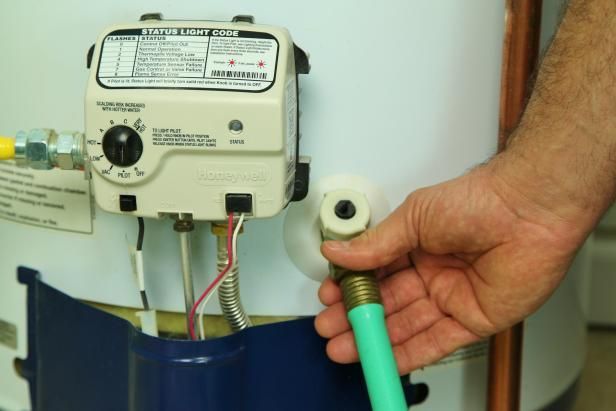
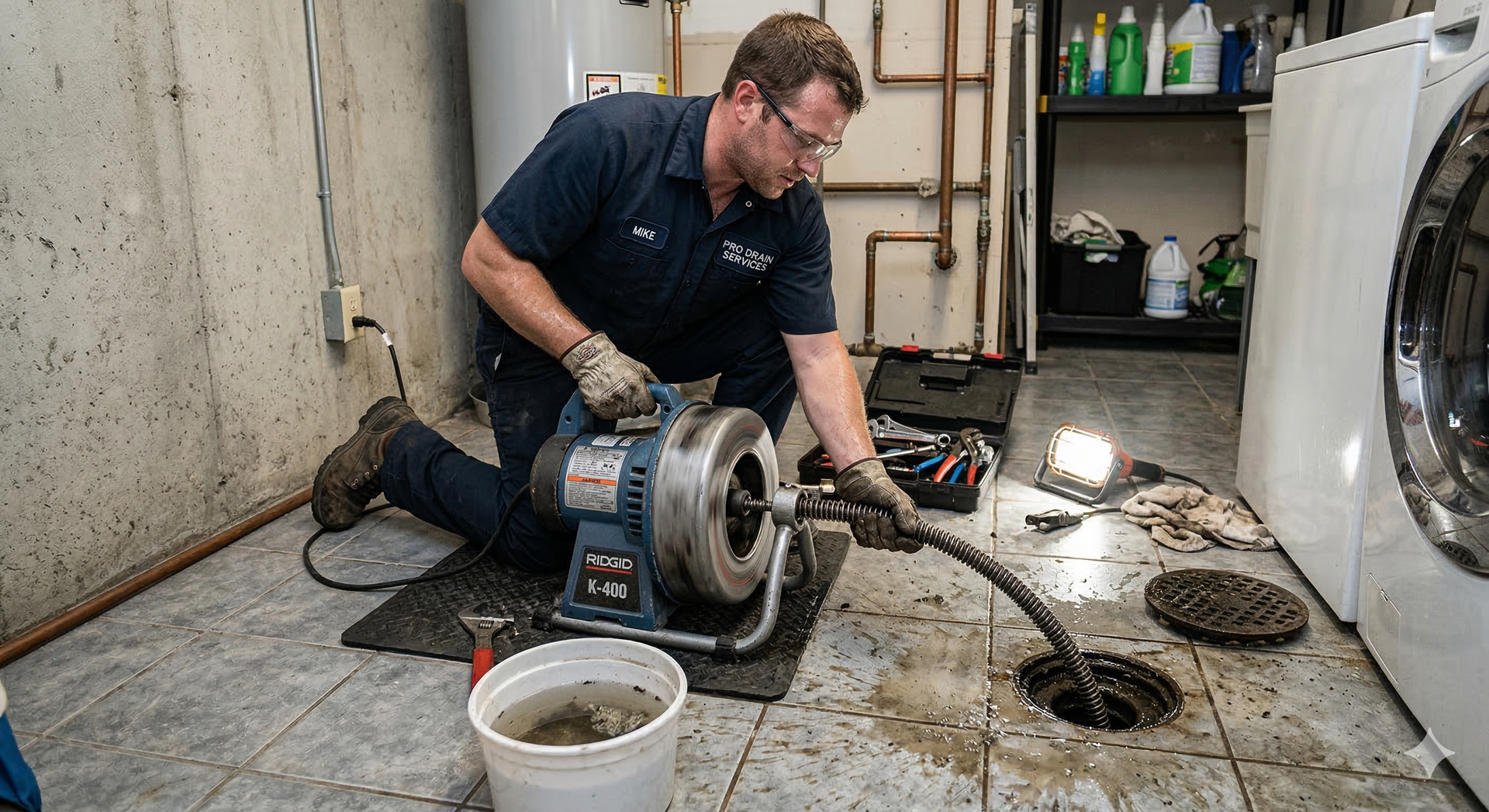
When choosing plumbing materials, it is critical to consider the integration with modern technologies, including tankless water heaters. These systems demand piping that supports rapid water flow and temperature fluctuations without compromising integrity. Materials like copper and high-grade PEX align well with the high-efficiency demands of tankless units. Additionally, drain clearing practices must respect pipe material limitations; chemical and mechanical clearing methods should be chosen to avoid damage—especially in plastic pipes where harsh chemicals can cause deterioration.
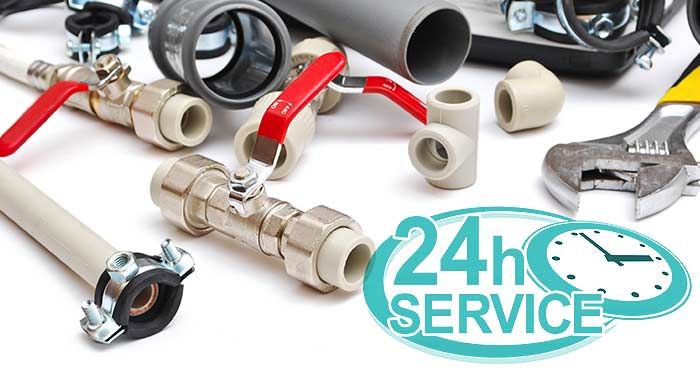
All City Plumbers emphasize the importance of matching pipe materials with specific system requirements and environmental conditions to avoid premature failures. Their expertise includes advising on maintenance strategies that preserve pipe function and support emergency service readiness when unexpected plumbing challenges arise.
Conclusion
Selecting plumbing materials is a multifaceted decision that balances durability, cost, installation complexity, and system compatibility. Copper offers unsurpassed longevity and heat tolerance, PEX delivers flexibility and ease of installation, and PVC remains the backbone of efficient drainage systems. Awareness of how these materials interact with technologies such as tankless water heaters and maintenance regimes including drain clearing ensures optimal plumbing performance. Relying on seasoned professionals like All City Plumbers guarantees knowledgeable guidance tailored to individual project needs, fostering reliable, effective, and safe plumbing systems for years to come.