Essential Plumbing Tools for Every DIY Enthusiast
Whether you’re a seasoned DIYer or just starting to take on home improvement projects, having the right plumbing tools is essential for tackling common repairs and installations effectively and safely. Plumbing work, while often straightforward, requires specialized tools that make the job easier, prevent damage to pipes and fixtures, and ensure lasting results. In this comprehensive article, we will explore the must-have plumbing tools every DIY enthusiast should have in their toolkit, tips on their proper use, and the importance of professional assistance when needed.
Understanding the Basics of Plumbing Tools
Plumbing tools vary widely, from simple wrenches to advanced diagnostic devices. Each tool plays a specific role depending on the task—whether it’s tightening fittings, clearing clogs, or soldering pipes. As plumbing involves water systems that must remain leak-free and structurally sound, using the correct tools is vital to maintain safety and functionality.
Core Hand Tools for Plumbing Repairs
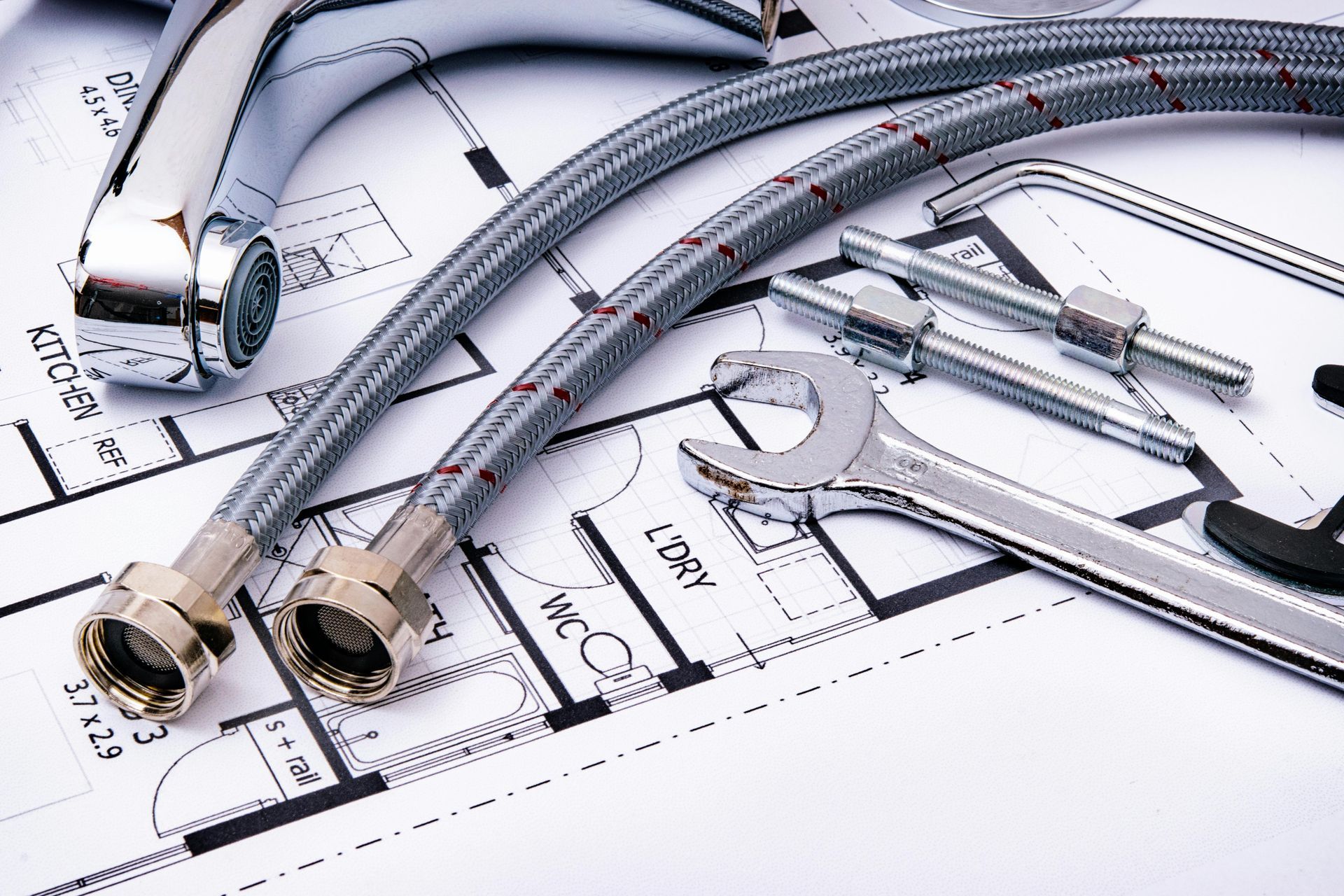
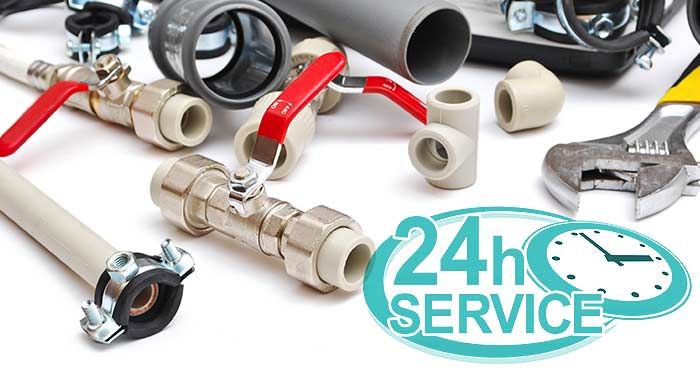
The foundation of any DIY plumbing toolkit rests on several core hand tools. These include adjustable wrenches, pipe wrenches, pliers, and basin wrenches. Adjustable wrenches are invaluable for turning nuts and bolts of various sizes, while pipe wrenches offer the grip needed to twist pipes securely without slipping. Basin wrenches afford access to tight spaces, such as under sinks, allowing you to loosen or tighten faucet nuts easily.
Additionally, channel-lock pliers provide versatile gripping power for various tasks, and a pipe cutter offers precision cutting for copper or plastic piping. Knowing how to use plumber's tape for leak free pipe joints accompanies these tools, as it is critical for sealing threaded connections confidently.
Drain Cleaning and Maintenance Tools
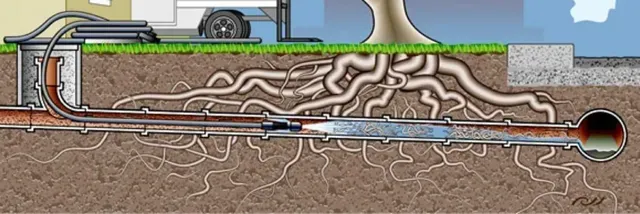
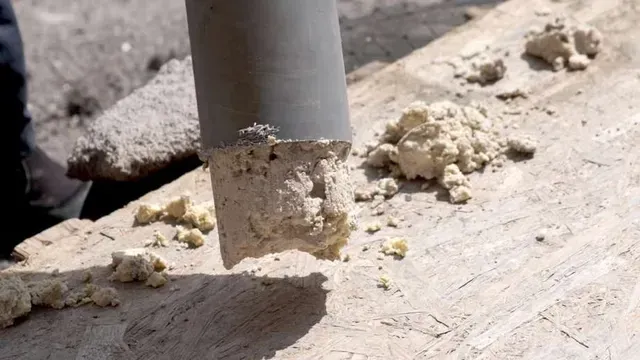
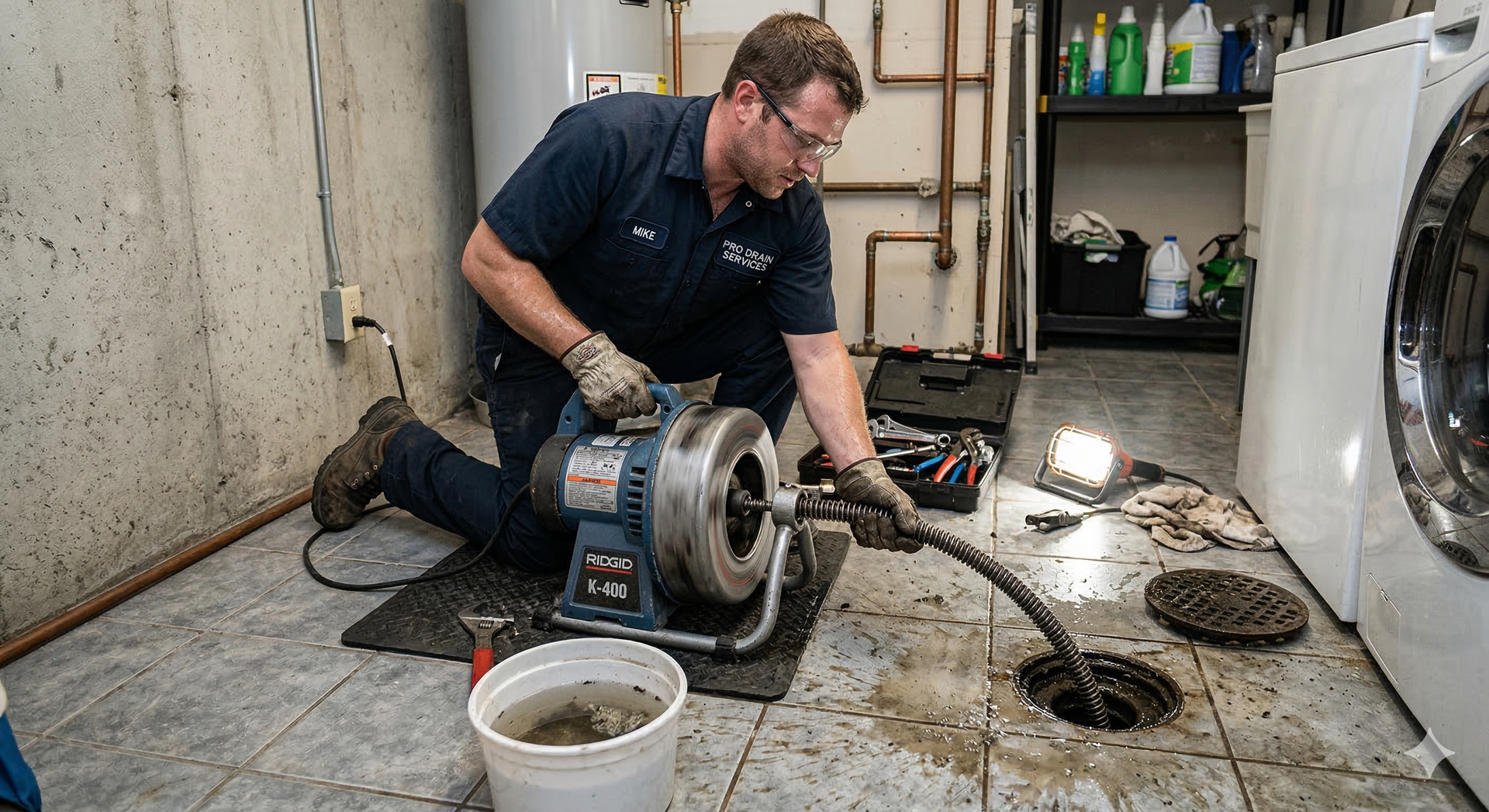
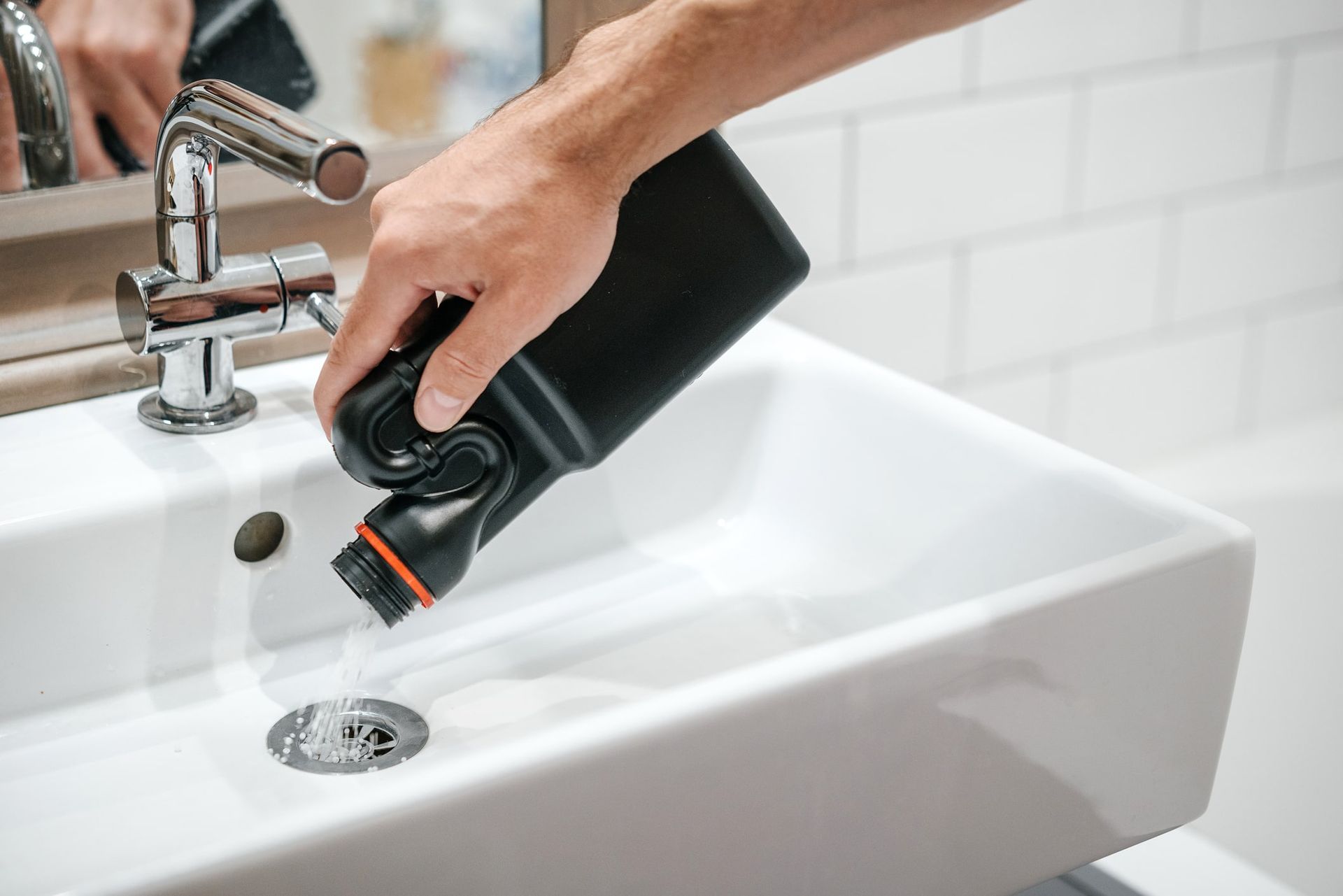
Clogs and slow drains are common plumbing headaches. To manage these independently, essential tools include a plunger, drain snake, and auger. A plunger is the simplest device for dislodging blockages in toilets and sinks. For tougher obstructions, a drain snake or hand auger can be fed into pipes to break up or retrieve debris. These tools save time and money compared to calling a professional for minor blockages.
Specialized Tools for Installation and Repairs
For more advanced DIY projects like installing new pipes or fixtures, specialized tools are necessary. A soldering kit is indispensable when working with copper pipes, allowing you to create watertight joints with precise heat application. Pipe benders help shape pipes without causing damage, and a tubing cutter provides clean cuts essential for a secure fit.
Moreover, tools such as a pipe freezing kit enable repairs without shutting off the main water supply, a considerable convenience during complex jobs.
Diagnostic and Safety Equipment
Detecting hidden leaks, assessing water pressure, or troubleshooting non-obvious issues often requires diagnostic tools. Moisture meters, pressure gauges, and thermal cameras help DIYers identify problems before they become emergencies. Proper safety equipment—including gloves, goggles, and masks—is non-negotiable to protect yourself from debris, chemicals, or contaminated water during plumbing tasks.
When to Seek Professional Assistance
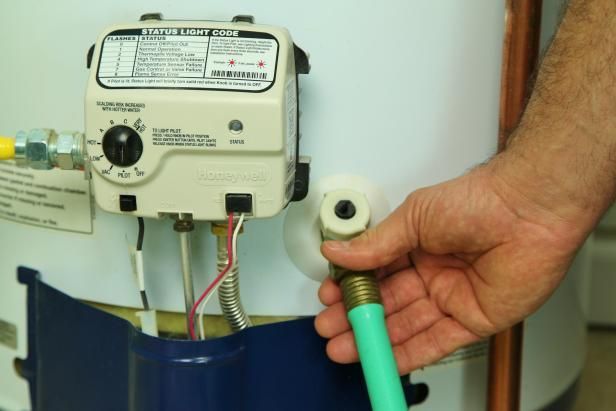
While many plumbing issues can be handled by knowledgeable DIYers, some situations require expert intervention. Significant repairs such as sump pump repair, major pipe replacements, or issues related to your water heater—like preventing sediment buildup in water heater tanks—are best managed by licensed professionals. Trusted providers like All City Plumbers have the training, tools, and experience to handle complex problems safely and efficiently.
Building a Quality Plumbing Toolkit
As you accumulate tools, invest in quality brands that offer durability and performance. Organize your toolkit for easy access and maintain tools regularly to ensure longevity. Continuous learning through tutorials, workshops, or guidance from professionals enhances your skills and confidence.
Conclusion
Equipping yourself with essential plumbing tools empowers you to address a variety of household plumbing tasks efficiently and confidently. From basic hand tools to advanced diagnostic equipment, the right tools combined with proper knowledge can save time, money, and frustration. Remember that while DIY is rewarding, certain repairs necessitate professional expertise—partnering with reliable experts like All City Plumbers ensures your home’s plumbing system remains safe and dependable.
Happy plumbing and stay prepared!