Five Useful Tips to Help Detect Leaks In Your Home
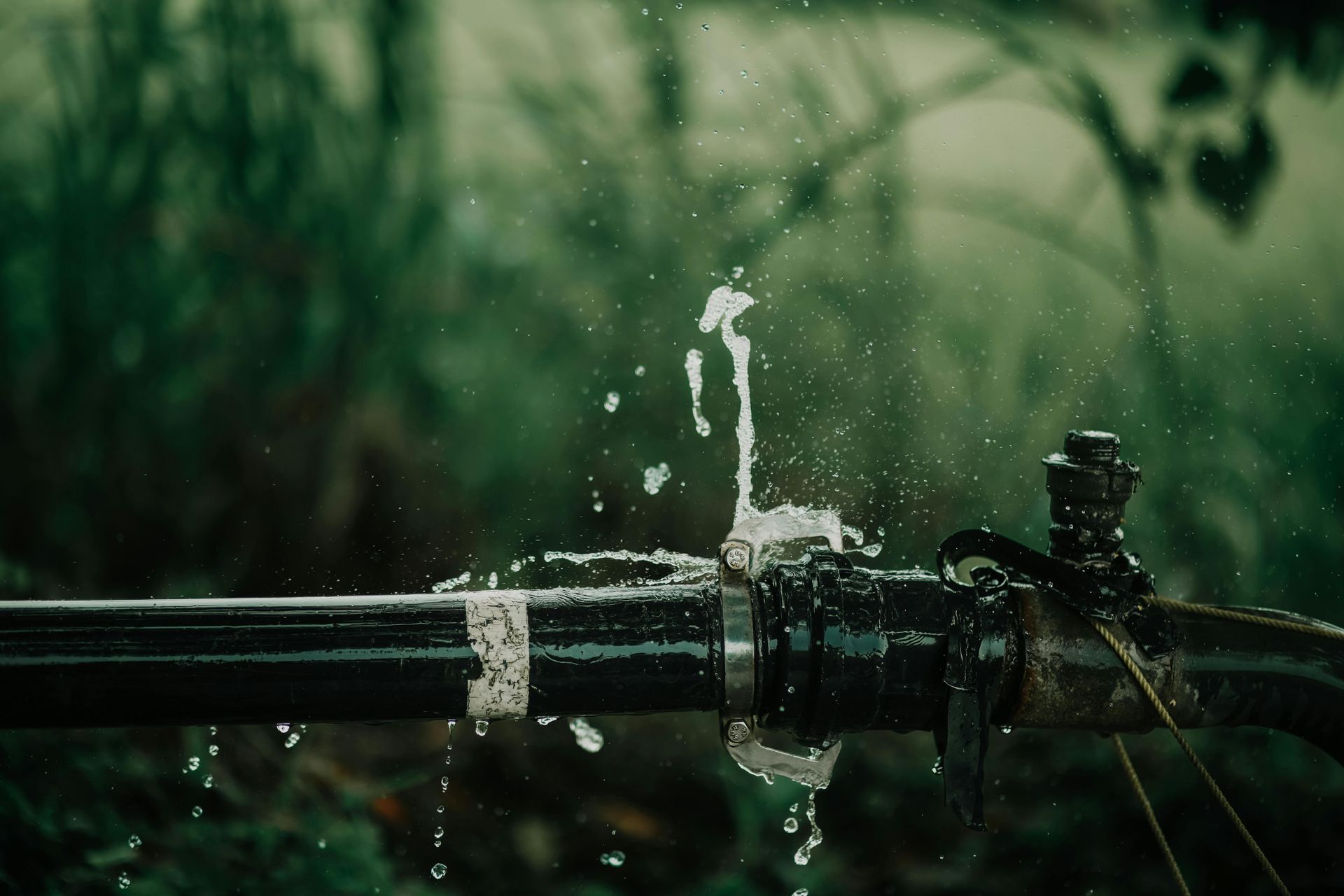
The best way to stop a leak and save your home from water damage is by finding the source of the leak before it becomes a major problem. However, attempting to find a leak before it has become this serious isn’t always easy, so we’ve put together 5 helpful tips for finding leaks below.
Check Your Meter
You can tell if your home has a water leak when the building is empty. First, turn off all the water in the home, then wait for about an hour. After that, take a reading on the water meter. If the needle on the meter is moving within that hour, you have a fast-moving leak and should call a plumber right away. If it’s not moving, wait two hours and take another reading. If the needle has moved any at all, it means you’re experiencing a slow-moving leak.
Examine the Toilet
A great starting point when you’re trying to find a leak is the toilet since it uses a lot of water. To see if your toilet is the cause of the leak, remove the lid from the back of the tank and listen closely for hissing noises. The hissing should come from where the leak is. Another way to check your toilet for leaks is to add some food coloring to the tank. Check in a little while to see whether the color has spread in the bowl. If your toilet is leaking, it might be due to the flapper.
Check On Your Hot Water Tank
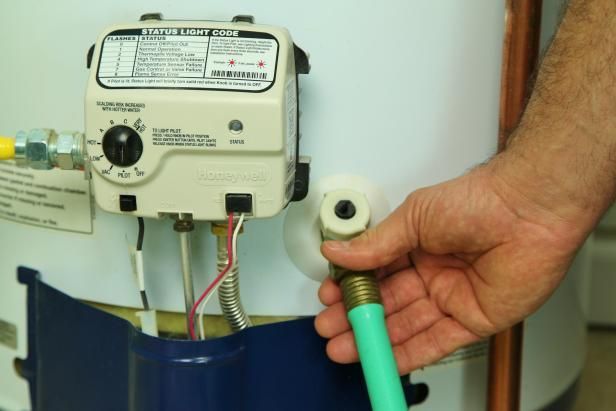
To check for a leak in your hot water tank, first look at the pressure release valve and the bottom of your hot water heater tank. You can also listen closely for hissing sounds coming from the drain. This indicates there is a leak and a professional plumber should be called.
Examine All Leak Points
There are many leak points in and around your home, so you should check them to make sure no water is dripping. Most leaks come from worn-out washers located under handles; this is an easy fix if you have the right tools and expertise. If not, call a professional plumber. Check for wet, soft spots in your yard or leaks from your hoses and sprinkler system. These are signs of substantial problems that can occur if they are not attended to quickly.
Keep Track of Your Usage
One of the best ways to stay on top of your home’s plumbing system and prevent (or at the very least spot) costly leaks and damages is by monitoring your water bills. Compare the amount of water you used over the last few months to the amount you used during the same months a previous year. If you see a slow climb in how much water your home is using compared to your family’s normal water use, then it may be a sign that you have a leak somewhere
Conclusion
We hope this article proves to be useful when it comes to helping you spot leaks in your home. While this can be tricky, the tips that we’ve laid out here should help make things infinitely easier. Be sure to keep everything that we’ve discussed here in mind so that you can spot leaks early.
All City Plumbers provides top-quality services for commercial plumbing in Birmingham, AL . We are available 24/7, so we can guarantee you that we’ll fix your plumbing issues even if it’s an emergency. Contact us today to get a quote!