Causes of Home Sewer Backups and How to Solve Them

Plumbing is the least you think about in your home or commercial space, although plumbing problems can happen anytime and can be the worst to deal with. If the problem is isolated to one sink, tub, or toilet, it may be a simple blockage in that drain. If, however, every time you flush, sewage backs up into your home, your main sewer line is likely blocked.
You’ll need a reliable licensed plumber on call so you can immediately troubleshoot problems that could arise, as professionals can help you identify and repair sewage issues. However, prevention is always better than cure.
Commercial buildings typically have multiple bathrooms and sinks, so they would have some backup during repairs if one malfunctions. It’s not the same for homes. Typical homes have two bathrooms, but tiny spaces like apartments and studios may only have one.
It’s good to know what causes home sewer backups, how to prevent them, and the steps you can take when they do arise:
Common Causes of Backed Up Sewage and Drains
1. Improper Use of Drains
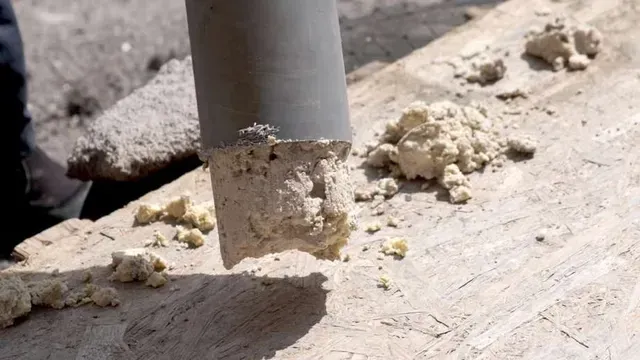
Solid objects clogging your sewage and drains are the most common culprits of sewer backups. Toilets can back up when you use them as waste bins, and drains can clog with leftovers and even grease trapped into the system. The result is not a pretty picture, which can be embarrassing when you have a guest, or in the middle of a party, and the like.
2. Faulty or Broken Sewer Lines
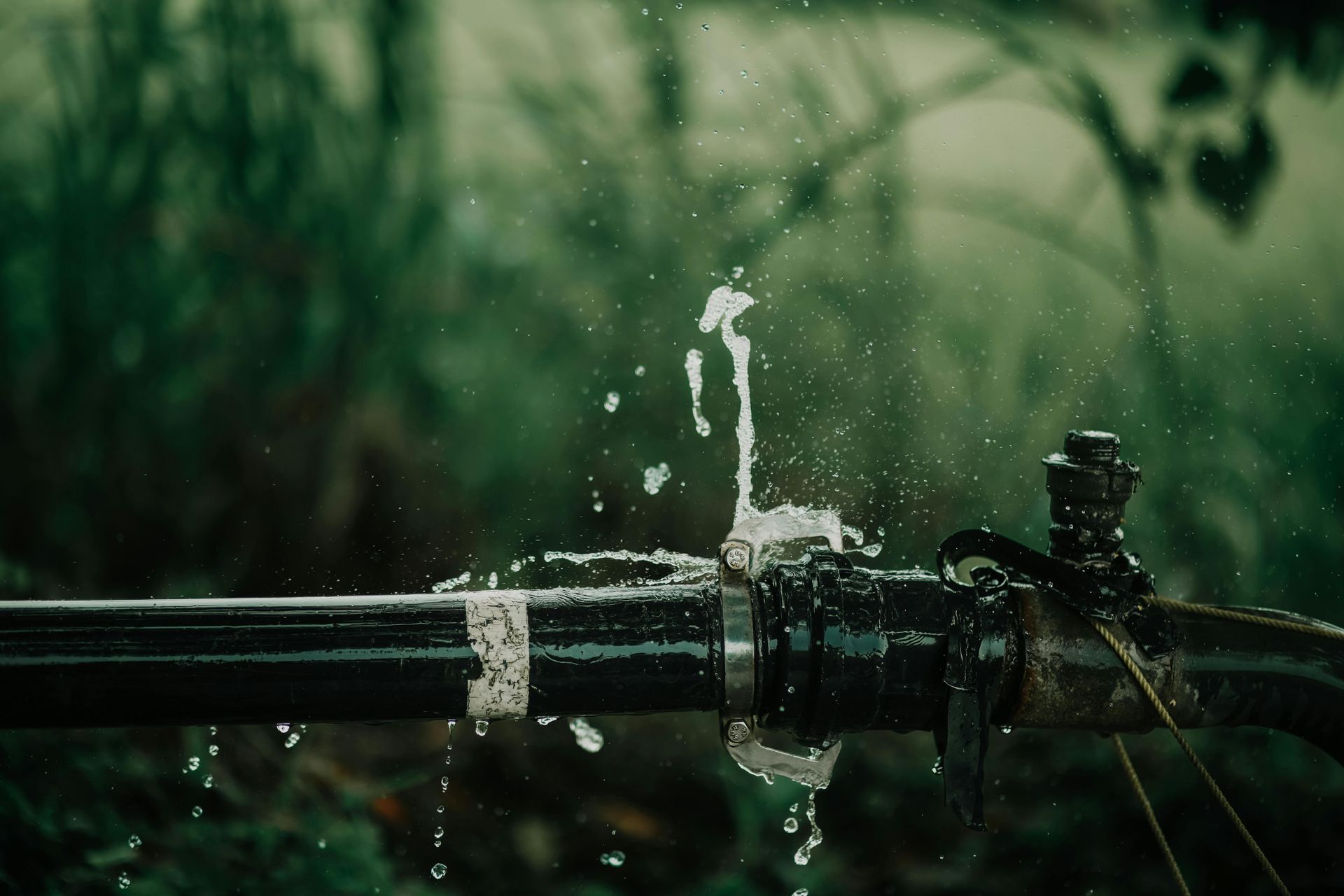
Several older properties may have sewer lines that are broken or fractured. Although plastic sewage lines are now the norm, older homes may include cast iron, cement, or clay pipe, which can corrode and cause sewer troubles to develop.
3. Tree Roots
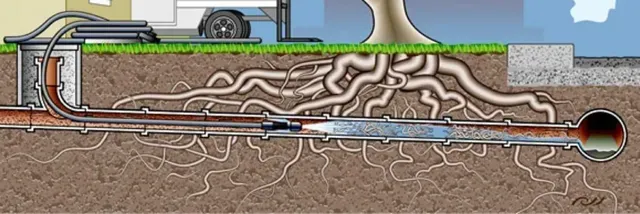
Tree roots are another significant source of residential sewer backups. Even if there are no trees directly above your sewage line, roots from a nearby yard might be the source of your sewer problem.
Tree roots may block your sewage lines in various ways, including growing into the pipes and producing holes and clogs, as well as acting as a net, gathering anything from hair to toilet paper.
Proper Care of Your Sewage and Drains
Regular maintenance and correct drain usage may prevent most sewage blockages. Here are some methods for keeping your sewage line clear:
1. Ensure That Your Toilet Is Not Used as a Trashcan
Flushable goods like face tissues, napkins, paper towels, feminine hygiene products, and diapers cause blockages. Never flush those items in your toilet, more so non-flushable things that don’t disintegrate in water at all.
2. Re-Evaluate Your Garbage Disposal
Anything you pour down your kitchen sink, or place in your garbage disposal, might get stuck in your home’s plumbing system and lead to clogs. Although it is broken down or chopped, it remains dense and accumulates in the pipes.
3. Avoid Dumping Grease Down the Drain
While grease and fat may be liquid when poured down the drain, they can solidify within the pipes, accumulating debris and causing a blockage.
4. Avoid Do-It-Yourself Plumbing Fixes
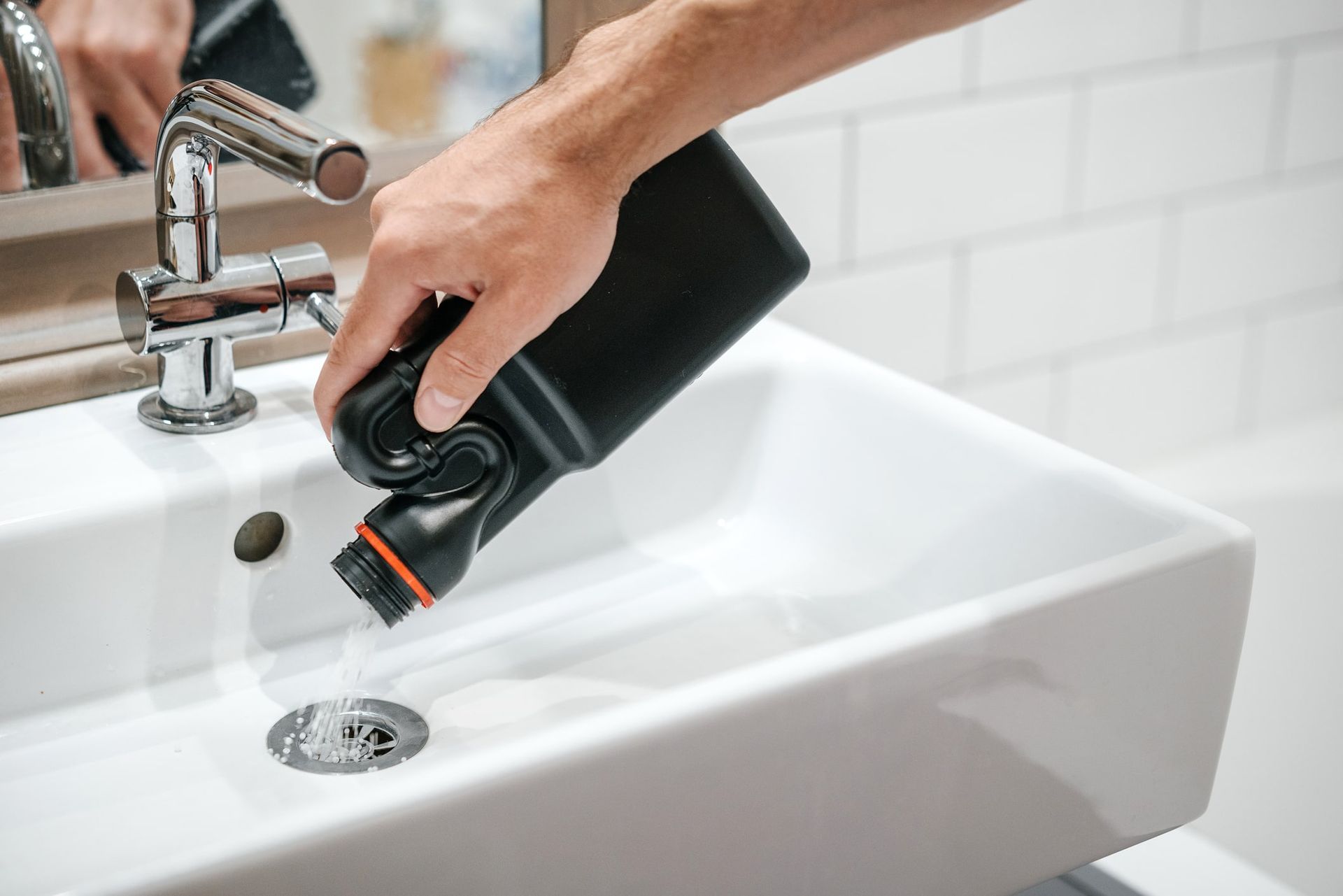
DIY fixes and improvements can do more harm than good. You might end up using strong chemicals that can even speed up the degradation of your sewer pipes, causing future plumbing issues.
When you hire a licensed plumber, they can provide low-cost enzyme treatments instead of harsh chemicals to fix and prevent future issues.
Conclusion: Get the Right Diagnosis on Your Sewer Problem
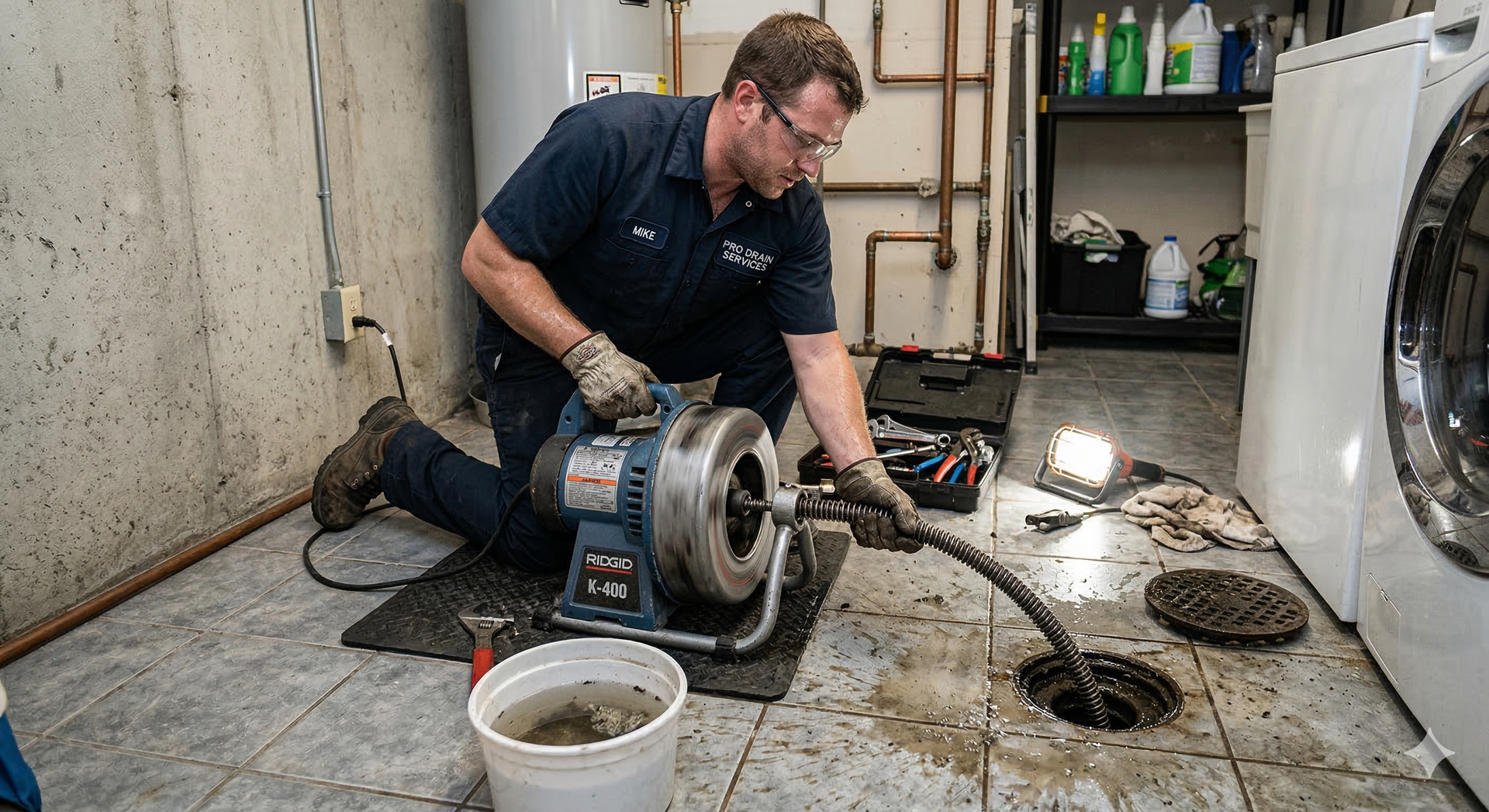
One of the best ways to pinpoint the cause of your plumbing issues is to have a professional plumber check it out. They can perform sewer line location and video camera inspection and show you precisely what is causing the problem. They can also prescribe the most appropriate, safest, and least expensive solution.
When it comes to sewers, you want a permanent solution, not a temporary fix. When it comes to your home, you want the best of the best to troubleshoot something as crucial as your home’s sewage and drainage for practical, sanitary reasons.
For residential, commercial, and emergency sewage & drain cleaning services All City Plumbers, has you covered. With our 24-hour emergency plumbing services, you can rest easy and be assured that the best of the best is on its way. Contact us today!